Chapter 18: Cartesian Disadvantages |
18.0 Summary |
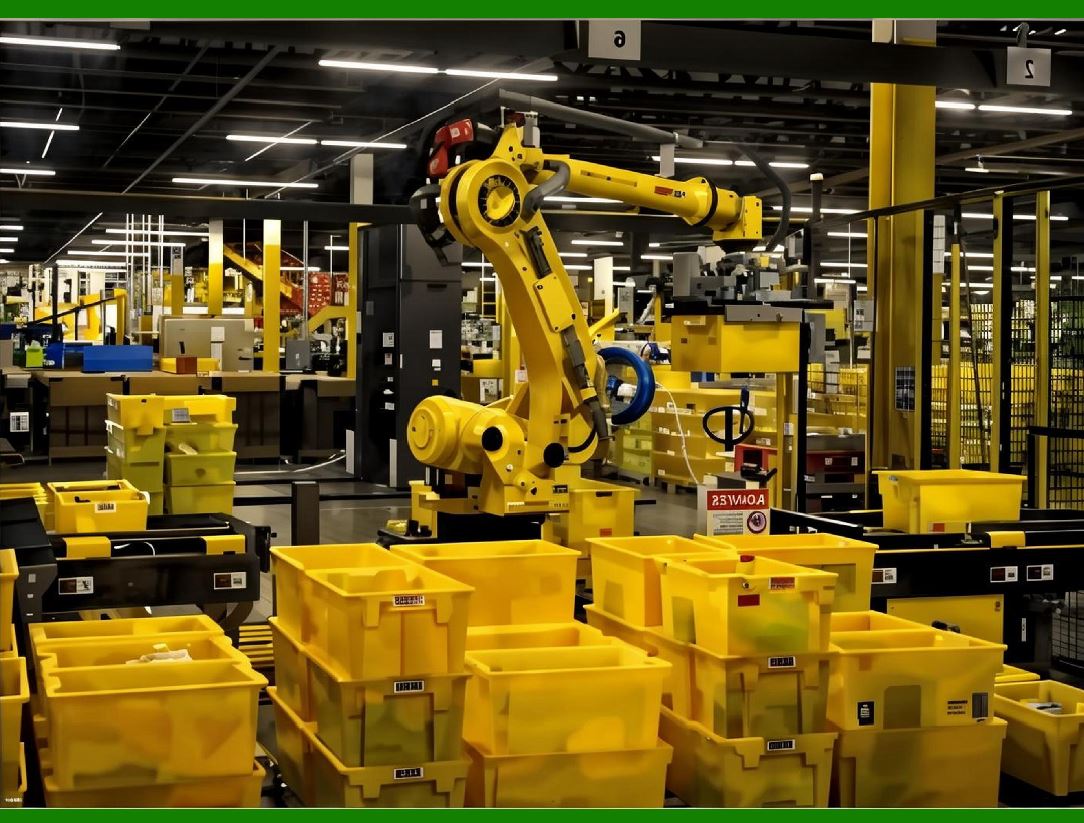
Cartesian robots, also known as gantry robots or linear robots, are built around three orthogonal linear axes. This design gives them excellent positional accuracy, simple kinematics, and predictable behavior, which is why they dominate certain tasks such as pick-and-place, dispensing, and large-scale material handling. However, the same architecture that makes them accurate and easy to control also creates a set of practical disadvantages that limit their use in many real-world settings. The most significant of these are bulky installation requirements and susceptibility to dirt contamination in open mechanisms, both of which lead to high wear. This chapter explains these disadvantages in plain language, illustrates them with examples from many industries, and shows how engineers decide when the trade-offs are acceptable and when another robot type is a better choice. |
|
18.1 Introduction: Why Cartesian Robots Have Disadvantages |
A Cartesian robot moves its tool along three perpendicular axes, usually called X, Y, and Z. Each axis is a linear stage: a rail, a carriage, a belt or ball screw, and a motor. Because the axes are independent, the robot does not need complex trigonometric calculations to know where its tool is. This is a major advantage. It is also the source of the disadvantages. |
The first disadvantage is bulk. A Cartesian robot must physically span the entire work envelope with rigid structure. If the robot needs to reach one meter in X, one meter in Y, and half a meter in Z, then the machine must have rails and supports that cover that full volume. The structure cannot fold back on itself the way an articulated arm can. As a result, a Cartesian robot that covers a large workspace can be very large, very heavy, and very demanding of floor space and ceiling height. |
The second disadvantage is contamination. Many Cartesian robots use open linear guides: the carriage rides on a rail that is exposed to the surrounding air. Dust, metal chips, coolant mist, food particles, and other debris can settle on the rail or enter the bearing. Once inside, these particles act like grinding paste. They increase friction, create vibration, and accelerate wear. In clean environments this is a minor issue. In dirty environments it can destroy the robot in a short time. |
The third disadvantage follows from the first two: high wear. Because the mechanism is open and often bulky, it is hard to seal completely. Sealing adds cost, weight, and friction. Many users accept the open design because it is cheaper and easier to maintain, but then they pay for it with shorter component life, more frequent lubrication, and higher long-term maintenance costs. |
This chapter examines each of these disadvantages in detail. It then provides many application examples from different industries to show how the disadvantages appear in practice. Finally, it offers a detailed summary of when Cartesian robots are still the right choice despite these drawbacks. |

|
18.2 Bulky Installation Requirements |
18.2.1 The Need for Full Envelope Support |
The most obvious problem with Cartesian robots is that they must support their own structure over the entire work area. Consider a simple two-axis Cartesian robot used to move a camera over a inspection table. The X-axis rail must be as long as the table. The Y-axis rail must be as long as the table's width. The Z-axis, if present, must be as tall as the required vertical travel. All of these rails must be rigid enough to resist bending and vibration. That means thick steel or aluminum extrusions, heavy bases, and large mounting plates. |
In contrast, an articulated robot arm can reach a large workspace with a relatively small base. The arm folds and unfolds. A six-axis robot with a one-meter reach might have a base only half a meter wide. A Cartesian robot with the same reach would need rails that extend at least two meters in two directions, plus a vertical column. The difference in footprint is dramatic. |
18.2.2 Floor Space and Ceiling Height |
Factories often have limited floor space and limited ceiling height. Cartesian robots consume both. The X and Y rails are usually mounted horizontally, either on the floor or on a overhead frame. If mounted on the floor, they block access to the work area. If mounted overhead, they require a strong gantry structure, which adds cost and complexity. The Z-axis often extends upward when retracted, so the ceiling must be high enough to accommodate the full stroke. |
In many older buildings, ceiling height is only three to four meters. A large Cartesian robot with a one-meter Z stroke might need a total height of two meters or more, leaving little room for lights, ducts, and maintenance access. This can force the robot to be smaller than desired, which reduces its usefulness. |
18.2.3 Weight and Foundation Requirements |
A large Cartesian robot is heavy. The rails, carriages, motors, and supports can weigh hundreds or even thousands of kilograms. This weight must be supported by a foundation that does not deflect. A weak floor will cause the robot to vibrate, which ruins accuracy. In some cases, a special concrete pad must be poured. This adds cost and delays installation. |
Articulated robots also need strong foundations, but they concentrate the load in a smaller area. A Cartesian robot spreads the load over a long distance, which can be more difficult to support evenly. If the floor is not level, the rails will twist, and the robot will lose accuracy. |
18.2.4 Installation Time and Complexity |
Installing a Cartesian robot is a major project. The rails must be aligned to each other within very tight tolerances. If the X and Y rails are not perfectly perpendicular, the robot will trace a parallelogram instead of a rectangle. Aligning long rails is slow and tedious. It often requires laser alignment tools and skilled technicians. |
In contrast, an articulated robot is usually delivered as a single unit. It is bolted to the floor, connected to power and air, and calibrated. Installation can take a day or two. A large Cartesian robot might take a week or more to install and align. |
18.2.5 Examples from Industry: Automotive Assembly |
In automotive assembly, Cartesian robots are sometimes used for large parts transfer. For example, a gantry robot might move a car door from a conveyor to a painting station. The gantry spans the conveyor and the paint booth. The structure is massive: steel beams, long rails, and a heavy carriage. The installation requires a team of millwrights, a crane, and several days of alignment. The ceiling of the plant must be high enough to accommodate the gantry. If the plant was not designed for this, the robot cannot be installed without major building modifications. |

|
18.2.6 Examples from Industry: Aerospace Drilling |
Aerospace manufacturers sometimes use Cartesian robots for drilling large wing panels. The panels can be ten meters long. A Cartesian robot that can reach the entire panel must have rails that are at least ten meters long. The structure is enormous. It is often built into a special cell with a concrete foundation. The installation takes weeks. The floor space required is so large that only a few factories can accommodate it. |
18.2.7 Examples from Industry: Electronics Assembly |
In electronics assembly, small Cartesian robots are common. They are used for dispensing solder paste, placing components, and inspecting boards. These robots are not as bulky as the automotive gantries, but they still require a flat, stable table. The X and Y rails are usually mounted on a granite or steel base. The base must be thick and heavy to prevent vibration. The installation is simpler than for a large gantry, but it still requires a level surface and careful alignment. If the table is not flat, the robot will place components incorrectly. |
18.2.8 Examples from Industry: Food and Beverage |
In food and beverage packaging, Cartesian robots are used for picking and placing products. For example, a robot might pick cookies from a conveyor and place them into a box. The robot is often mounted over the conveyor. The X-axis rail spans the width of the conveyor. The Y-axis moves along the conveyor. The Z-axis picks and places. The structure is usually made of stainless steel or anodized aluminum to resist corrosion. It is bulky because it must span the conveyor and reach the box. The installation requires a frame that does not interfere with the conveyor. In a busy plant, finding space for this frame can be difficult. |
18.2.9 Examples from Industry: Pharmaceutical Manufacturing |
In pharmaceutical manufacturing, Cartesian robots are used for handling vials and syringes. The robots must be inside a cleanroom or an isolator. Cleanrooms are expensive, and space inside them is limited. A bulky Cartesian robot takes up valuable cleanroom space. It also generates particles from its bearings and belts, which can contaminate the product. This is a major disadvantage. Many pharmaceutical companies prefer articulated robots or delta robots because they are more compact and easier to seal. |
18.2.10 Examples from Industry: Warehouse and Logistics |
In warehouses, Cartesian robots are used for palletizing and depalletizing. A gantry robot might pick up a case from a conveyor and place it on a pallet. The gantry spans the conveyor and the pallet area. The structure is large and heavy. It must be tall enough to lift the case over the pallet. The installation requires a strong floor and a high ceiling. In many warehouses, the ceiling is high, so this is not a problem. But the floor space is still large. The robot blocks access to the pallet area, which can make it hard for workers to move around. |

|
18.2.11 Examples from Industry: Agriculture |
In agriculture, Cartesian robots are used for seedling transplanting and sorting. For example, a robot might pick up a seedling from a tray and place it into a larger pot. The robot is often mounted over a conveyor. The X-axis rail spans the conveyor. The Y-axis moves along the conveyor. The Z-axis picks and places. The structure is exposed to dirt, water, and sunlight. It is bulky because it must cover the conveyor. The installation is often in a greenhouse, where space is limited. The robot may block light or airflow. |
18.2.12 Examples from Industry: Construction |
In construction, Cartesian robots are used for brick laying and welding. For example, a gantry robot might lay bricks on a wall. The gantry spans the wall. The structure is enormous. It must be assembled on site. The installation takes days. The robot is exposed to weather, dust, and vibration. The rails must be protected from dirt. This is difficult and expensive. |
18.2.13 Examples from Industry: Mining |
In mining, Cartesian robots are used for drilling and blasting. For example, a gantry robot might drill holes in a rock face. The gantry spans the rock face. The structure is massive. It must be assembled underground. The installation is dangerous and time-consuming. The robot is exposed to dust, water, and vibration. The rails wear out quickly. |
18.2.14 Examples from Industry: Shipbuilding |
In shipbuilding, Cartesian robots are used for welding and cutting. For example, a gantry robot might weld a ship hull. The gantry spans the hull. The structure is enormous. It must be assembled in a shipyard. The installation takes weeks. The robot is exposed to salt air, dust, and vibration. The rails corrode and wear out quickly. |
18.2.15 Examples from Industry: Rail and Transportation |
In rail and transportation, Cartesian robots are used for maintenance and inspection. For example, a gantry robot might inspect a train wheel. The gantry spans the track. The structure is large. It must be assembled on site. The installation takes days. The robot is exposed to dirt, water, and vibration. The rails wear out quickly. |

|
18.2.16 Examples from Industry: Energy and Utilities |
In energy and utilities, Cartesian robots are used for inspecting pipelines and turbines. For example, a gantry robot might inspect a pipeline. The gantry spans the pipe. The structure is large. It must be assembled on site. The installation takes days. The robot is exposed to dirt, water, and vibration. The rails wear out quickly. |
18.2.17 Examples from Industry: Marine and Offshore |
In marine and offshore, Cartesian robots are used for welding and inspection. For example, a gantry robot might weld an offshore platform. The gantry spans the platform. The structure is enormous. It must be assembled at sea. The installation is dangerous and time-consuming. The robot is exposed to salt air, wind, and waves. The rails corrode and wear out quickly. |
18.2.18 Examples from Industry: Space and Defense |
In space and defense, Cartesian robots are used for assembling satellites and missiles. For example, a gantry robot might assemble a satellite. The gantry spans the satellite. The structure is large. It must be assembled in a cleanroom. The installation takes weeks. The robot is exposed to strict cleanliness requirements. The rails must be sealed. This adds cost and complexity. |
18.2.19 Summary of Bulky Installation Requirements |
In summary, Cartesian robots are bulky because they must span their entire work envelope with rigid structure. This leads to large footprints, high weight, and demanding installation requirements. The problem is worst for large gantry robots, but even small Cartesian robots need flat, stable tables and careful alignment. The bulkiness is a major disadvantage in industries where space is limited, such as electronics, pharmaceuticals, and food and beverage. It is less of a problem in industries where space is abundant, such as automotive and aerospace, but even there the installation is time-consuming and expensive. |

|
18.3 Susceptibility to Dirt Contamination in Open Mechanisms |
18.3.1 The Nature of Open Linear Guides |
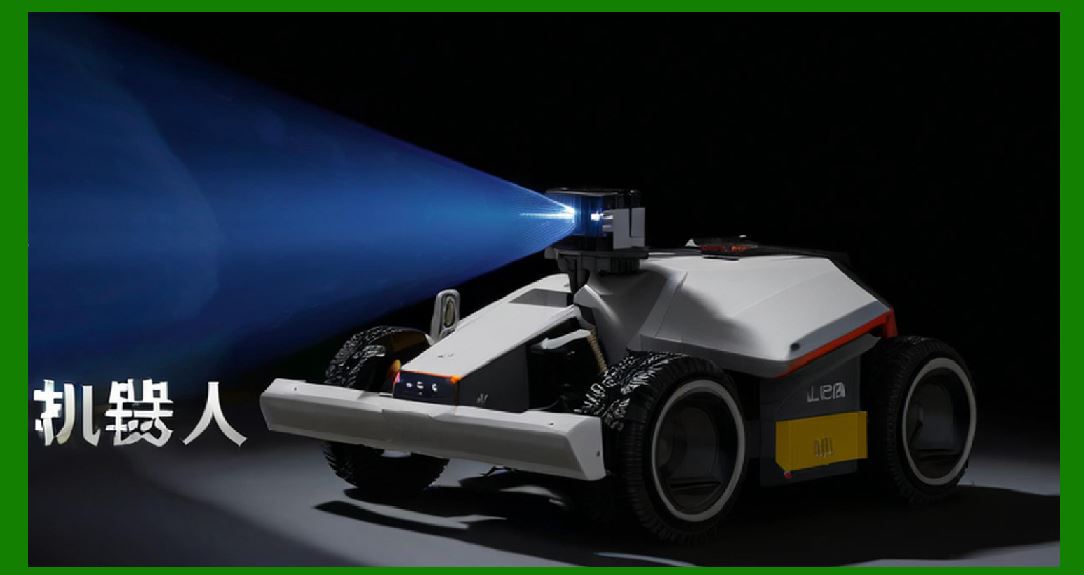
Most Cartesian robots use open linear guides. A linear guide consists of a rail and a carriage. The carriage contains ball bearings or rollers that ride on the rail. In an open design, the rail is exposed to the air. There is no bellows, no cover, no seal. The bearings are protected only by wipers, which are small rubber or plastic lips that wipe the rail as the carriage moves. Wipers are not perfect. They cannot keep out fine dust, liquids, or sticky particles. |
18.3.2 How Contamination Enters |
Contamination can enter the bearing in several ways. First, airborne dust can settle on the rail. When the carriage moves, the wiper pushes some dust aside, but some dust slips under the wiper and into the bearing. Second, liquid splashes can carry particles into the bearing. Third, sticky substances like sugar, syrup, or paint can adhere to the rail and then be carried into the bearing. Fourth, metal chips from machining can land on the rail and be crushed by the bearing. Fifth, food particles can attract insects and bacteria, which can damage the bearing and create hygiene problems. |
18.3.3 The Consequences of Contamination |
Once contamination enters the bearing, it acts like an abrasive. It increases friction, which increases the load on the motor. It creates vibration, which reduces accuracy. It causes wear, which increases clearance and reduces stiffness. Over time, the bearing fails. The carriage may become loose, noisy, or stuck. The robot may lose repeatability. In severe cases, the bearing may seize, causing a crash. |
18.3.4 The Cost of Contamination |
The cost of contamination is high. It includes the cost of replacement bearings, the cost of downtime, the cost of scrap, and the cost of maintenance labor. In a factory, downtime can cost thousands of dollars per hour. In a pharmaceutical plant, contamination can ruin a batch of product worth millions of dollars. In a food plant, contamination can cause a recall, which can damage the brand and cost millions. |
|
18.3.5 Examples from Industry: Machining |
In machining, Cartesian robots are used for loading and unloading parts. The robot is often near a CNC machine. The CNC machine produces metal chips and coolant mist. The chips and mist land on the robot's rails. The chips are hard and sharp. They scratch the rails and destroy the bearings. The coolant mist is sticky. It collects chips and forms a paste. The paste is abrasive. The robot fails quickly. To prevent this, the robot must be enclosed or the rails must be sealed. Both options add cost and complexity. |
18.3.6 Examples from Industry: Welding |
In welding, Cartesian robots are used for moving the welding torch. The welding process produces sparks, spatter, and fumes. The sparks and spatter land on the rails. They are hot and sticky. They adhere to the rails and damage the bearings. The fumes contain fine particles that can enter the bearing. The robot fails quickly. To prevent this, the robot must be equipped with bellows or covers. The covers must be resistant to heat and spatter. This adds cost and complexity. |
18.3.7 Examples from Industry: Painting |
In painting, Cartesian robots are used for moving the paint gun. The painting process produces overspray. The overspray is sticky and can travel long distances. It lands on the rails. It collects dust and forms a hard film. The film is abrasive. The robot fails quickly. To prevent this, the robot must be enclosed in a booth or the rails must be sealed. Both options add cost and complexity. |
18.3.8 Examples from Industry: Food and Beverage |
In food and beverage, Cartesian robots are used for picking and placing products. The food process produces crumbs, sugar, syrup, and liquids. These substances land on the rails. They are sticky and can attract insects and bacteria. They can also harden and become abrasive. The robot fails quickly. To prevent this, the robot must be made of stainless steel and must be washdown capable. The rails must be sealed. This adds cost and complexity. |
18.3.9 Examples from Industry: Pharmaceutical Manufacturing |
In pharmaceutical manufacturing, Cartesian robots are used for handling vials and syringes. The process produces fine particles from the product and from the robot itself. The particles can contaminate the product. The robot must be inside a cleanroom or an isolator. The rails must be sealed. This adds cost and complexity. In some cases, the robot must be sterilized with chemicals or steam. The chemicals can corrode the rails. The steam can rust the rails. This further limits the life of the robot. |

|
18.3.10 Examples from Industry: Agriculture |
In agriculture, Cartesian robots are used for seedling transplanting and sorting. The process produces dirt, water, and plant debris. These substances land on the rails. They are abrasive and can cause rust. The robot fails quickly. To prevent this, the robot must be sealed or washed frequently. Both options add cost and complexity. |
18.3.11 Examples from Industry: Construction |
In construction, Cartesian robots are used for brick laying and welding. The process produces dust, sand, and cement. These substances land on the rails. They are abrasive and can harden. The robot fails quickly. To prevent this, the robot must be sealed or cleaned frequently. Both options add cost and complexity. |
18.3.12 Examples from Industry: Mining |
In mining, Cartesian robots are used for drilling and blasting. The process produces dust, rock chips, and water. These substances land on the rails. They are abrasive and can cause rust. The robot fails quickly. To prevent this, the robot must be sealed or cleaned frequently. Both options add cost and complexity. |
18.3.13 Examples from Industry: Shipbuilding |
In shipbuilding, Cartesian robots are used for welding and cutting. The process produces sparks, spatter, and fumes. These substances land on the rails. They are hot and sticky. The robot fails quickly. To prevent this, the robot must be sealed or cleaned frequently. Both options add cost and complexity. |
18.3.14 Examples from Industry: Rail and Transportation |
In rail and transportation, Cartesian robots are used for maintenance and inspection. The process produces dirt, water, and vibration. These substances land on the rails. They are abrasive and can cause rust. The robot fails quickly. To prevent this, the robot must be sealed or cleaned frequently. Both options add cost and complexity. |
|
18.3.15 Examples from Industry: Energy and Utilities |
In energy and utilities, Cartesian robots are used for inspecting pipelines and turbines. The process produces dirt, water, and vibration. These substances land on the rails. They are abrasive and can cause rust. The robot fails quickly. To prevent this, the robot must be sealed or cleaned frequently. Both options add cost and complexity. |
18.3.16 Examples from Industry: Marine and Offshore |
In marine and offshore, Cartesian robots are used for welding and inspection. The process produces salt air, wind, and waves. These substances land on the rails. They are corrosive and can cause rust. The robot fails quickly. To prevent this, the robot must be sealed or cleaned frequently. Both options add cost and complexity. |
18.3.17 Examples from Industry: Space and Defense |
In space and defense, Cartesian robots are used for assembling satellites and missiles. The process produces fine particles from the product and from the robot itself. The particles can contaminate the product. The robot must be inside a cleanroom. The rails must be sealed. This adds cost and complexity. In some cases, the robot must be sterilized. The chemicals can corrode the rails. This further limits the life of the robot. |
18.3.18 Summary of Susceptibility to Dirt Contamination |
In summary, Cartesian robots are susceptible to dirt contamination because their linear guides are often open. Contamination enters the bearing and acts like an abrasive. It increases friction, vibration, and wear. It leads to early failure. The problem is worst in dirty environments such as machining, welding, painting, food processing, agriculture, construction, mining, shipbuilding, rail, energy, marine, and space. In these environments, the robot must be sealed or cleaned frequently. Both options add cost and complexity. In clean environments such as electronics and pharmaceuticals, contamination is less of a problem, but the robot itself can generate particles that contaminate the product. |

|
18.4 High Wear as a Consequence |
18.4.1 The Link Between Bulk, Contamination, and Wear |
Bulk and contamination both lead to high wear. Bulk means long rails and many bearings. Long rails are hard to align and hard to protect. Many bearings mean many points of failure. Contamination means abrasive particles inside the bearings. The combination is devastating. The robot wears out quickly. The bearings fail. The rails wear. The carriage becomes loose. The robot loses accuracy. Eventually, the robot must be rebuilt or replaced. |
18.4.2 Types of Wear |
There are several types of wear in Cartesian robots. Abrasive wear occurs when hard particles scratch the rail and the bearing. Adhesive wear occurs when the bearing material transfers to the rail and then tears off. Corrosive wear occurs when chemicals attack the rail and the bearing. Fatigue wear occurs when the bearing is subjected to repeated stress and eventually cracks. All of these types of wear are accelerated by contamination. |
18.4.3 The Cost of Wear |
The cost of wear is high. It includes the cost of replacement parts, the cost of downtime, the cost of scrap, and the cost of maintenance labor. In a factory, downtime can cost thousands of dollars per hour. In a pharmaceutical plant, wear can generate particles that contaminate the product. In a food plant, wear can generate metal particles that end up in the food. This can cause a recall. |
18.4.4 Examples from Industry: Automotive Assembly |
In automotive assembly, Cartesian robots are used for large parts transfer. The robots are often in dirty environments. The rails wear out quickly. The bearings must be replaced every few months. The downtime is expensive. The maintenance labor is expensive. The total cost of ownership is high. |
18.4.5 Examples from Industry: Aerospace Drilling |
In aerospace drilling, Cartesian robots are used for drilling large wing panels. The robots are often in dirty environments. The rails wear out quickly. The bearings must be replaced every few months. The downtime is expensive. The maintenance labor is expensive. The total cost of ownership is high. |
|
18.4.6 Examples from Industry: Electronics Assembly |
In electronics assembly, Cartesian robots are used for dispensing solder paste and placing components. The robots are often in clean environments. The rails wear out slowly. The bearings last for years. The total cost of ownership is low. This is one of the few industries where Cartesian robots are a good choice. |
18.4.7 Examples from Industry: Food and Beverage |
In food and beverage, Cartesian robots are used for picking and placing products. The robots are often in dirty environments. The rails wear out quickly. The bearings must be replaced every few months. The downtime is expensive. The maintenance labor is expensive. The total cost of ownership is high. |
18.4.8 Examples from Industry: Pharmaceutical Manufacturing |
In pharmaceutical manufacturing, Cartesian robots are used for handling vials and syringes. The robots are often in clean environments. The rails wear out slowly. The bearings last for years. The total cost of ownership is low. However, the robot itself can generate particles that contaminate the product. This is a major disadvantage. |
18.4.9 Examples from Industry: Agriculture |
In agriculture, Cartesian robots are used for seedling transplanting and sorting. The robots are often in dirty environments. The rails wear out quickly. The bearings must be replaced every few months. The downtime is expensive. The maintenance labor is expensive. The total cost of ownership is high. |
18.4.10 Examples from Industry: Construction |
In construction, Cartesian robots are used for brick laying and welding. The robots are often in dirty environments. The rails wear out quickly. The bearings must be replaced every few months. The downtime is expensive. The maintenance labor is expensive. The total cost of ownership is high. |

|
18.4.11 Examples from Industry: Mining |
In mining, Cartesian robots are used for drilling and blasting. The robots are often in dirty environments. The rails wear out quickly. The bearings must be replaced every few months. The downtime is expensive. The maintenance labor is expensive. The total cost of ownership is high. |
18.4.12 Examples from Industry: Shipbuilding |
In shipbuilding, Cartesian robots are used for welding and cutting. The robots are often in dirty environments. The rails wear out quickly. The bearings must be replaced every few months. The downtime is expensive. The maintenance labor is expensive. The total cost of ownership is high. |
18.4.13 Examples from Industry: Rail and Transportation |
In rail and transportation, Cartesian robots are used for maintenance and inspection. The robots are often in dirty environments. The rails wear out quickly. The bearings must be replaced every few months. The downtime is expensive. The maintenance labor is expensive. The total cost of ownership is high. |
18.4.14 Examples from Industry: Energy and Utilities |
In energy and utilities, Cartesian robots are used for inspecting pipelines and turbines. The robots are often in dirty environments. The rails wear out quickly. The bearings must be replaced every few months. The downtime is expensive. The maintenance labor is expensive. The total cost of ownership is high. |
18.4.15 Examples from Industry: Marine and Offshore |
In marine and offshore, Cartesian robots are used for welding and inspection. The robots are often in dirty environments. The rails wear out quickly. The bearings must be replaced every few months. The downtime is expensive. The maintenance labor is expensive. The total cost of ownership is high. |
18.4.16 Examples from Industry: Space and Defense |
In space and defense, Cartesian robots are used for assembling satellites and missiles. The robots are often in clean environments. The rails wear out slowly. The bearings last for years. The total cost of ownership is low. However, the robot itself can generate particles that contaminate the product. This is a major disadvantage. |
18.4.17 Summary of High Wear |
In summary, high wear is a consequence of bulk and contamination. Bulk means long rails and many bearings. Contamination means abrasive particles inside the bearings. The combination leads to early failure. The cost of wear is high. It includes the cost of replacement parts, downtime, scrap, and maintenance labor. The problem is worst in dirty environments such as machining, welding, painting, food processing, agriculture, construction, mining, shipbuilding, rail, energy, marine, and space. In these environments, the total cost of ownership of a Cartesian robot is high. In clean environments such as electronics and pharmaceuticals, wear is less of a problem, but the robot itself can generate particles that contaminate the product. |

|
18.5 When Cartesian Robots Are Still the Right Choice |
Despite these disadvantages, Cartesian robots are still the right choice in many situations. They are accurate, simple, and easy to control. They are often cheaper than articulated robots for simple tasks. They are easy to program. They are easy to integrate with conveyors and other equipment. They are good for tasks that require long linear moves. They are good for tasks that require high stiffness. They are good for tasks that require a large work envelope but not a large footprint. They are good for tasks that require a clean environment. |
18.5.1 Accuracy and Repeatability |
Cartesian robots are very accurate. Because each axis is independent, there is no accumulation of errors from multiple joints. The position of the tool is determined by the position of three linear stages. If the stages are accurate, the tool is accurate. This makes Cartesian robots ideal for tasks such as dispensing, inspection, and assembly. |
18.5.2 Simplicity and Ease of Control |
Cartesian robots are simple to control. The kinematics are trivial. The robot controller does not need to solve inverse kinematics. It simply commands each axis to move to a position. This makes the controller cheaper and easier to program. It also makes the robot easier to integrate with vision systems and other sensors. |
18.5.3 Cost |
Cartesian robots are often cheaper than articulated robots for simple tasks. A three-axis Cartesian robot can be built from standard linear stages and a simple controller. An articulated robot requires a complex arm, a complex controller, and complex software. For simple pick-and-place tasks, a Cartesian robot is often the most cost-effective solution. |
18.5.4 Examples from Industry: Electronics Assembly |
In electronics assembly, Cartesian robots are used for dispensing solder paste, placing components, and inspecting boards. The robots are accurate, simple, and cheap. They are ideal for this industry. |
18.5.5 Examples from Industry: Pharmaceutical Manufacturing |
In pharmaceutical manufacturing, Cartesian robots are used for handling vials and syringes. The robots are accurate, simple, and cheap. They are ideal for this industry, but they must be sealed to prevent contamination. |

|
18.5.6 Examples from Industry: Laboratory Automation |
In laboratory automation, Cartesian robots are used for handling samples and reagents. The robots are accurate, simple, and cheap. They are ideal for this industry. |
18.5.7 Examples from Industry: Printing |
In printing, Cartesian robots are used for moving print heads and inspecting prints. The robots are accurate, simple, and cheap. They are ideal for this industry. |
18.5.8 Examples from Industry: Semiconductor Manufacturing |
In semiconductor manufacturing, Cartesian robots are used for handling wafers and inspecting chips. The robots are accurate, simple, and cheap. They are ideal for this industry, but they must be sealed to prevent contamination. |
18.5.9 Examples from Industry: Flat Panel Display Manufacturing |
In flat panel display manufacturing, Cartesian robots are used for handling glass panels and inspecting displays. The robots are accurate, simple, and cheap. They are ideal for this industry, but they must be sealed to prevent contamination. |
18.5.10 Examples from Industry: Solar Panel Manufacturing |
In solar panel manufacturing, Cartesian robots are used for handling solar cells and inspecting panels. The robots are accurate, simple, and cheap. They are ideal for this industry, but they must be sealed to prevent contamination. |

|
18.5.11 Examples from Industry: Food and Beverage |
In food and beverage, Cartesian robots are used for picking and placing products. The robots are accurate, simple, and cheap. They are ideal for this industry, but they must be sealed to prevent contamination. |
18.5.12 Examples from Industry: Agriculture |
In agriculture, Cartesian robots are used for seedling transplanting and sorting. The robots are accurate, simple, and cheap. They are ideal for this industry, but they must be sealed to prevent contamination. |
18.5.13 Examples from Industry: Construction |
In construction, Cartesian robots are used for brick laying and welding. The robots are accurate, simple, and cheap. They are ideal for this industry, but they must be sealed to prevent contamination. |
18.5.14 Examples from Industry: Mining |
In mining, Cartesian robots are used for drilling and blasting. The robots are accurate, simple, and cheap. They are ideal for this industry, but they must be sealed to prevent contamination. |
18.5.15 Examples from Industry: Shipbuilding |
In shipbuilding, Cartesian robots are used for welding and cutting. The robots are accurate, simple, and cheap. They are ideal for this industry, but they must be sealed to prevent contamination. |

|
18.5.16 Examples from Industry: Rail and Transportation |
In rail and transportation, Cartesian robots are used for maintenance and inspection. The robots are accurate, simple, and cheap. They are ideal for this industry, but they must be sealed to prevent contamination. |
18.5.17 Examples from Industry: Energy and Utilities |
In energy and utilities, Cartesian robots are used for inspecting pipelines and turbines. The robots are accurate, simple, and cheap. They are ideal for this industry, but they must be sealed to prevent contamination. |
18.5.18 Examples from Industry: Marine and Offshore |
In marine and offshore, Cartesian robots are used for welding and inspection. The robots are accurate, simple, and cheap. They are ideal for this industry, but they must be sealed to prevent contamination. |
18.5.19 Examples from Industry: Space and Defense |
In space and defense, Cartesian robots are used for assembling satellites and missiles. The robots are accurate, simple, and cheap. They are ideal for this industry, but they must be sealed to prevent contamination. |
18.5.20 Summary of When Cartesian Robots Are Still the Right Choice |
In summary, Cartesian robots are still the right choice when accuracy, simplicity, and cost are more important than compactness and cleanliness. They are ideal for clean environments such as electronics, pharmaceuticals, laboratories, printing, semiconductors, flat panel displays, and solar panels. They are also ideal for tasks that require long linear moves, high stiffness, or a large work envelope. They are less ideal for dirty environments such as machining, welding, painting, food processing, agriculture, construction, mining, shipbuilding, rail, energy, marine, and space. In these environments, the disadvantages of bulk, contamination, and wear often outweigh the advantages. |

|
18.6 Detailed Summary |
Cartesian robots have two major disadvantages: bulky installation requirements and susceptibility to dirt contamination in open mechanisms. Both lead to high wear. This chapter has explained these disadvantages in detail and illustrated them with examples from many industries. |
Bulky installation requirements arise because Cartesian robots must span their entire work envelope with rigid structure. This leads to large footprints, high weight, and demanding installation requirements. The problem is worst for large gantry robots, but even small Cartesian robots need flat, stable tables and careful alignment. The bulkiness is a major disadvantage in industries where space is limited, such as electronics, pharmaceuticals, and food and beverage. It is less of a problem in industries where space is abundant, such as automotive and aerospace, but even there the installation is time-consuming and expensive. |
Susceptibility to dirt contamination arises because most Cartesian robots use open linear guides. Contamination enters the bearing and acts like an abrasive. It increases friction, vibration, and wear. It leads to early failure. The problem is worst in dirty environments such as machining, welding, painting, food processing, agriculture, construction, mining, shipbuilding, rail, energy, marine, and space. In these environments, the robot must be sealed or cleaned frequently. Both options add cost and complexity. In clean environments such as electronics and pharmaceuticals, contamination is less of a problem, but the robot itself can generate particles that contaminate the product. |
High wear is a consequence of bulk and contamination. Bulk means long rails and many bearings. Contamination means abrasive particles inside the bearings. The combination leads to early failure. The cost of wear is high. It includes the cost of replacement parts, downtime, scrap, and maintenance labor. The problem is worst in dirty environments. In these environments, the total cost of ownership of a Cartesian robot is high. In clean environments, wear is less of a problem, but the robot itself can generate particles that contaminate the product. |
Despite these disadvantages, Cartesian robots are still the right choice in many situations. They are accurate, simple, and easy to control. They are often cheaper than articulated robots for simple tasks. They are easy to program. They are easy to integrate with conveyors and other equipment. They are good for tasks that require long linear moves. They are good for tasks that require high stiffness. They are good for tasks that require a large work envelope but not a large footprint. They are good for tasks that require a clean environment. |

|
In conclusion, the disadvantages of Cartesian robots are real and significant. They limit the use of Cartesian robots in many industries. However, they do not make Cartesian robots obsolete. By understanding the disadvantages, engineers can choose the right robot for the right application. They can also design around the disadvantages by sealing the rails, using bellows, or choosing a different robot type. The key is to weigh the advantages and disadvantages carefully and to make an informed decision. This is the essence of good engineering. |
 cs@easiersoft.com