Chapter 22: Reach |
1. Introduction and Summary |
Reach is one of the most fundamental performance metrics for any industrial robot. In simple terms, reach describes how far a robot arm or mechanism can extend from its base to perform work. It defines the size of the workspace, which is the three-dimensional region of space that the robot can access with its end effector, tool, or gripper. Without adequate reach, a robot simply cannot perform its intended task, no matter how precise, fast, or powerful it may be. |
This chapter focuses on the concept of reach, with particular attention to horizontal reach and its role in determining the accessible workspace. We will explore how different robot designs achieve different reach capabilities, and why those differences matter in real-world applications. Mid-size articulated robots, for example, typically offer a horizontal reach of about 1650 to 1850 millimeters. Extended-reach delta models, by contrast, can achieve a horizontal reach of around 1600 millimeters, though their workspace shape and characteristics differ significantly from articulated arms. |
The chapter is organized into numbered sections for clarity. We begin with a definition of reach and its relationship to workspace. We then examine the main robot architectures and how each one handles reach. Next, we look at how reach is measured and specified. The heart of the chapter is a long series of practical examples from many industries, including automotive, electronics, food and beverage, pharmaceuticals, logistics, agriculture, aerospace, and more. Each example shows how reach requirements shape robot selection and system design. We also discuss trade-offs, such as the relationship between reach and payload, reach and precision, and reach and speed. Finally, we provide a detailed summary that ties together the key ideas and offers guidance for engineers, integrators, and decision-makers. |
By the end of this chapter, you should understand not only what reach means in technical terms but also how it influences real automation projects across the global economy. You will see that reach is never just a number. It is a design constraint, a cost driver, a safety consideration, and often the single most important factor in whether a robot can do a job at all. |
|
2. What Is Reach |
Reach is the maximum distance a robot can extend its end effector from a defined reference point, usually the center of the robot base. In most industrial robot specifications, reach is given as a single distance value, often in millimeters or meters. However, reach is not a simple sphere. The actual accessible region depends on the robot's kinematic structure, joint limits, and the shape of the arm. |
Horizontal reach is the maximum distance the robot can extend outward in a horizontal plane, typically measured from the center of the base to the center of the wrist or tool mounting flange. Vertical reach is the maximum height the robot can attain above the base. Together, horizontal and vertical reach define the overall workspace envelope. |
For many articulated robots, the workspace is roughly spherical or apple-shaped, with a hole near the base where the robot cannot reach because of its own body. For delta robots, the workspace is more like a inverted cone or a dome, with a relatively flat working area underneath. For SCARA robots, the workspace is cylindrical or toroidal, with excellent horizontal reach but limited vertical reach. |
Reach is closely related to arm length. In general, a longer arm gives greater reach. But longer arms also introduce challenges: they are heavier, less stiff, and more prone to vibration. They also require larger motors and stronger structures. As a result, robot designers must balance reach against other performance metrics such as payload, speed, accuracy, and repeatability. |
It is also important to distinguish between maximum reach and usable reach. Maximum reach is the theoretical limit. Usable reach is the region where the robot can actually perform work effectively, with acceptable accuracy, speed, and payload. Near the outer limits of reach, robots often experience reduced stiffness, lower payload capacity, and poorer dynamic performance. Smart integrators therefore design workcells so that most tasks occur well within the usable reach, not at the extreme edge. |

|
3. Reach and Workspace |
The workspace is the total volume of space that a robot can access. Reach is the primary determinant of workspace size, but workspace shape is determined by the robot's geometry. Two robots with the same maximum reach can have very different workspaces. |
An articulated robot with a long arm and a flexible wrist can reach around obstacles and into confined spaces. Its workspace is often described as a sphere with a hollow center. A delta robot with three or four arms has a workspace that is more like a shallow dome. It cannot reach around obstacles, but it can move very quickly within its dome. A SCARA robot has a workspace that is like a thick disk or a cylinder, with excellent horizontal access but limited vertical movement. |
In practice, the workspace must be large enough to cover all the points where the robot needs to perform tasks, plus some margin for approach and retreat. If the workspace is too small, the robot cannot do the job. If the workspace is much larger than needed, the robot may be unnecessarily large, expensive, and slow. |
Engineers often create a workspace map, which is a 3D model or 2D cross-section showing the robot's reachable points. This map helps them verify that the robot can reach all required positions and that there are no collisions with fixtures, conveyors, or other equipment. Modern simulation software can generate workspace maps automatically and check for reachability, cycle time, and interference. |
|
4. Main Robot Architectures and Their Reach Characteristics |
Different robot architectures have different reach characteristics. Understanding these differences is essential for selecting the right robot for a given application. |
4.1 Articulated Robots |
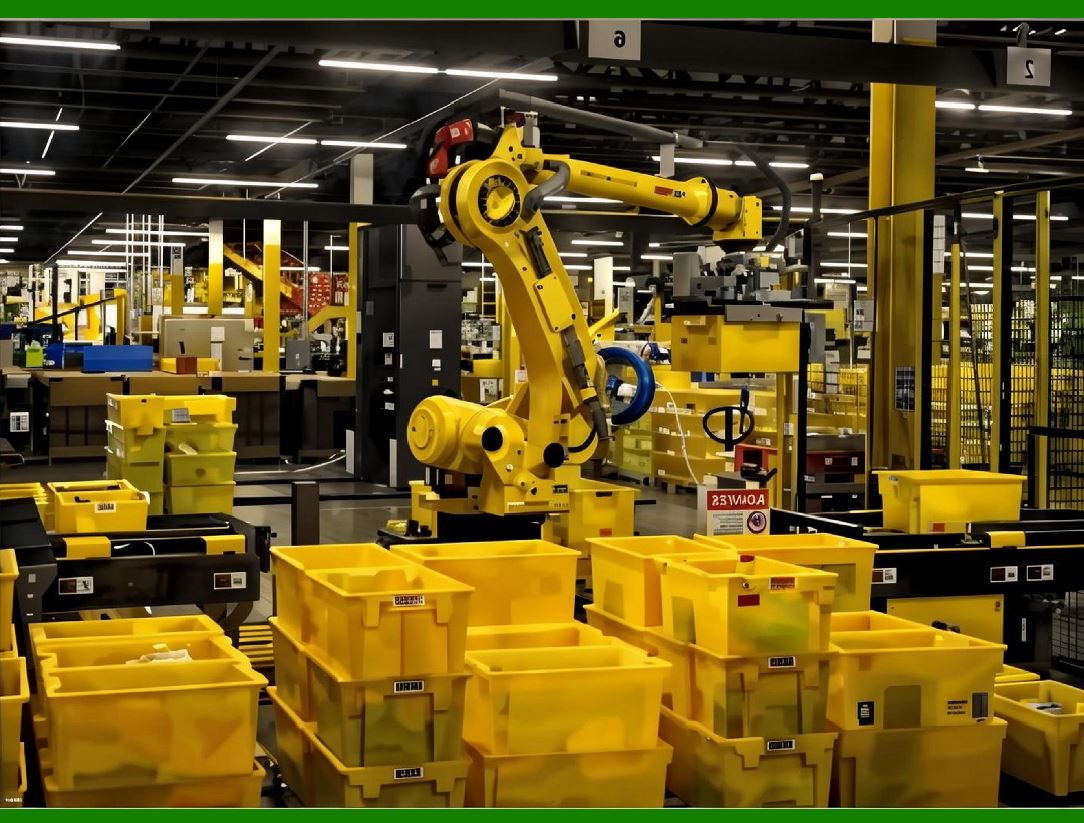
Articulated robots are the most common type of industrial robot. They have a series of rotary joints, typically six, that allow them to move in many directions. Their reach can range from a few hundred millimeters for small desktop models to several meters for large heavy-payload robots. |
Mid-size articulated robots, which are widely used in assembly, welding, machine tending, and pick-and-place, typically have a horizontal reach of 1650 to 1850 millimeters. This range is a sweet spot for many applications. It is large enough to cover a typical workcell but small enough to maintain good speed and accuracy. |
Large articulated robots can have reaches of 2500 to 4000 millimeters or more. They are used in automotive body assembly, heavy material handling, and palletizing. Their long reach allows them to cover large work areas, but they are slower and less precise than smaller robots. |
Small articulated robots, often called compact or desktop robots, have reaches of 500 to 1000 millimeters. They are used in electronics assembly, laboratory automation, and small-part handling. Their small size makes them easy to integrate into tight spaces. |
4.2 Delta Robots |
Delta robots are parallel-link robots with three or four lightweight arms connected to a common base. They are known for extremely high speed and acceleration. Their reach is typically 800 to 1600 millimeters. Extended-reach delta models can achieve a horizontal reach of around 1600 millimeters. |
Delta robots have a relatively small workspace compared to articulated robots of similar reach. Their workspace is a dome-shaped region beneath the base. They excel at high-speed pick-and-place, sorting, and packaging. They are widely used in food, pharmaceutical, and electronics industries. |
4.3 SCARA Robots |
SCARA stands for Selective Compliance Assembly Robot Arm. These robots have two parallel rotary joints for horizontal movement and a linear joint for vertical movement. They are fast and precise in the horizontal plane but relatively stiff in the vertical direction. |
SCARA robots typically have a horizontal reach of 400 to 1200 millimeters. They are commonly used in electronics assembly, small-parts handling, and applications that require fast, repetitive horizontal motions. Their workspace is cylindrical or toroidal, with excellent horizontal reach but limited vertical reach. |
4.4 Cartesian and Gantry Robots |
Cartesian robots, also called linear robots, use linear axes to move in three dimensions. Gantry robots are a type of Cartesian robot with a bridge structure that spans a large work area. Their reach is not described by a single distance but by the lengths of their axes. |
Cartesian and gantry robots can have very large workspaces. A gantry robot can span many meters and handle very heavy payloads. They are used in automotive assembly, aerospace manufacturing, and large-scale material handling. Their reach is highly customizable because the axes can be extended or combined. |
4.5 Collaborative Robots |
Collaborative robots, or cobots, are designed to work safely alongside humans. They typically have reaches of 500 to 1300 millimeters. Some larger cobots have reaches up to 1800 millimeters or more. Cobots are often used in assembly, machine tending, inspection, and packaging. |
Cobots usually have lower payloads and speeds than traditional industrial robots, but their reach is sufficient for many tasks. Their compact size and safety features make them easy to deploy in shared workspaces. |

|
5. How Reach Is Measured and Specified |
Robot manufacturers specify reach in different ways. It is important to read the datasheet carefully and understand what the numbers mean. |
Most manufacturers specify maximum horizontal reach, which is the distance from the center of the base to the farthest point the robot can reach in a horizontal plane. Some also specify maximum vertical reach, which is the maximum height above the base. Others provide a 3D workspace diagram showing the reachable envelope. |
Reach is usually measured with the robot in a specific configuration, such as fully extended with the wrist centered. If the wrist is offset or the tool is long, the effective reach may be different. The tool center point, or TCP, is the point at which the robot performs work. The distance from the mounting flange to the TCP adds to the effective reach. |
Payload also affects reach. A robot may be able to reach a certain distance with a small payload, but not with a heavy payload. Manufacturers often provide a payload-reach curve showing how payload capacity decreases as reach increases. This is because the motors and structure must support the weight of the payload, and the leverage increases with distance. |
Repeatability and accuracy also vary with reach. Near the center of the workspace, robots are usually more precise. Near the outer limits, they may be less precise due to flexing, vibration, and gear backlash. For high-precision tasks, it is best to keep the work area within the robot's optimal reach zone. |

|
6. Reach in Real-World Applications: Automotive Industry |
The automotive industry is one of the largest users of industrial robots. Reach requirements vary widely depending on the application. |
6.1 Body Assembly |
In automotive body assembly, large articulated robots with reaches of 2500 to 3000 millimeters are used to weld, rivet, and handle body panels. These robots are mounted on pedestals or overhead gantries to reach different parts of the vehicle body. The long reach allows them to access multiple welding points without moving the car. |
For example, a robot welding the rear quarter panel of a sedan may need to reach over the roof and down the side of the body. A reach of 2800 millimeters or more is often required. The robot must also be able to carry a heavy welding gun, so payload and reach must be balanced. |
6.2 Paint Shops |
Painting robots in automotive plants often have reaches of 2000 to 3000 millimeters. They are mounted on rails or walls to reach the entire surface of the car. The reach must be sufficient to cover the roof, hood, doors, and trunk without gaps. Some paint shops use robots with long arms and flexible wrists to reach into tight areas such as wheel wells and engine compartments. |
6.3 Final Assembly |
In final assembly, smaller articulated robots and cobots are used for tasks such as installing seats, dashboard components, and trim. Reaches of 1300 to 1800 millimeters are common. These robots often work in cells alongside human workers, so safety and reach are both important. The robot must be able to reach the assembly point without extending into the human worker's space. |
6.4 Engine and Transmission Assembly |
Engine and transmission assembly requires precise handling of heavy components. Robots with reaches of 1650 to 2000 millimeters are often used. They must reach into fixtures and conveyors, pick up parts, and place them accurately. Some cells use two robots working together, one for handling and one for fastening. Reach must be coordinated so that the robots do not collide. |
6.5 Battery Pack Assembly for Electric Vehicles |
Electric vehicle battery packs are large and heavy. Robots with reaches of 2000 to 3000 millimeters are used to handle battery modules and packs. They must reach across the pack to place modules in precise locations. Some robots are mounted on linear rails to extend their reach along the pack. This allows a single robot to cover a large area without needing an excessively long arm. |
|
7. Reach in Real-World Applications: Electronics and Semiconductor |
Electronics and semiconductor manufacturing require high precision and often small workspaces. Reach requirements are typically modest, but accuracy is critical. |
7.1 Printed Circuit Board Assembly |
SCARA robots and small articulated robots are widely used for printed circuit board assembly. They pick and place components such as resistors, capacitors, and integrated circuits. Reaches of 400 to 800 millimeters are common. The robot must reach across the board to place components at high speed. The workspace is usually a flat area, so horizontal reach is more important than vertical reach. |
7.2 Semiconductor Wafer Handling |
Semiconductor wafer handling requires extremely clean conditions and precise movement. Robots with reaches of 500 to 1000 millimeters are used to transfer wafers between cassettes, process chambers, and inspection stations. These robots often have special end effectors that hold the wafer without touching its surface. Reach must be sufficient to access all stations, but the robot must also be compact to fit inside the cleanroom equipment. |
7.3 Mobile Phone Assembly |
Mobile phone assembly involves many small parts and tight tolerances. Small articulated robots and cobots with reaches of 500 to 1000 millimeters are used for tasks such as screwing, gluing, and testing. The workspace is often a small tray or fixture. The robot must reach into the fixture without colliding with other components. Vision systems help the robot locate parts precisely. |
7.4 Display Panel Manufacturing |
Display panel manufacturing, such as for televisions and monitors, involves large glass panels. Robots with reaches of 1500 to 2500 millimeters are used to handle these panels. They must reach across the panel to place it in a test station or packaging machine. The robots often use vacuum grippers and must move smoothly to avoid breaking the glass. |

|
8. Reach in Real-World Applications: Food and Beverage |
The food and beverage industry uses robots for picking, packing, palletizing, and processing. Reach requirements depend on the size of the products and the layout of the production line. |
8.1 High-Speed Pick and Place |
Delta robots are widely used for high-speed pick and place in food packaging. They pick small items such as cookies, candies, and vegetables from a conveyor and place them into containers. A typical delta robot has a reach of 800 to 1200 millimeters. Extended-reach delta models can reach up to 1600 millimeters. This allows them to cover a wider conveyor or to place items into multiple lanes. |
For example, a delta robot packing cookies into a tray may need to reach 1000 millimeters from its base to the farthest cookie on the conveyor. If the conveyor is wider, an extended-reach model with 1600 millimeters may be needed. The robot must also move quickly, often completing more than 100 picks per minute. |
8.2 Meat and Poultry Processing |
Meat and poultry processing involves handling irregular, slippery products. Robots with reaches of 1300 to 1800 millimeters are used for cutting, deboning, and packing. These robots often work in cold, wet environments, so they must be washdown-rated. Reach must be sufficient to access the product on a conveyor or table. Some robots use special grippers to hold the meat securely. |
8.3 Bakery and Confectionery |
Bakery and confectionery lines use robots for decorating, sorting, and packing. Articulated robots with reaches of 1200 to 1800 millimeters are common. They may pick cupcakes from a conveyor and place them into boxes, or apply icing in precise patterns. The reach must cover the entire conveyor width and the packing area. Speed and precision are both important. |
8.4 Beverage Palletizing |
Palletizing robots in beverage plants often have reaches of 2000 to 3000 millimeters. They pick cases or bottles from a conveyor and stack them onto pallets. The reach must be sufficient to cover the pallet and the conveyor. Some robots are mounted on a pedestal to increase their effective reach. Others use linear rails to move along the pallet line. |

|
9. Reach in Real-World Applications: Pharmaceuticals and Healthcare |
Pharmaceutical and healthcare applications require high cleanliness, precision, and often small workspaces. |
9.1 Drug Discovery and Laboratory Automation |
Laboratory automation uses small articulated robots and Cartesian robots with reaches of 500 to 1000 millimeters. They handle test tubes, microplates, and pipettes. The workspace is often a lab bench or a series of instruments. The robot must reach into incubators, readers, and liquid handlers. Reach must be sufficient to access all instruments without moving the robot. |
9.2 Pharmaceutical Packaging |
Pharmaceutical packaging lines use robots for filling, capping, labeling, and cartoning. Reaches of 800 to 1500 millimeters are common. The robots must handle small bottles, vials, and syringes with high precision. Some lines use delta robots for high-speed sorting and packing. Others use articulated robots for flexible tasks. |
9.3 Medical Device Assembly |
Medical device assembly requires cleanroom-compatible robots with reaches of 500 to 1200 millimeters. They assemble components such as catheters, syringes, and implants. The workspace is often a small fixture or tray. The robot must reach into the fixture and place parts with micron-level precision. Vision systems and force sensors help ensure quality. |
9.4 Hospital Logistics |
Hospitals use robots for transporting supplies, medications, and linens. These mobile robots have arms with reaches of 500 to 1000 millimeters. They pick up items from shelves and deliver them to nurses' stations. The reach must be sufficient to access shelves and carts. Safety is critical because the robots work near people. |

|
10. Reach in Real-World Applications: Logistics and Warehousing |
Logistics and warehousing have seen rapid growth in robot use, driven by e-commerce. Reach requirements vary from small pick-and-place to large palletizing. |
10.1 Order Picking |
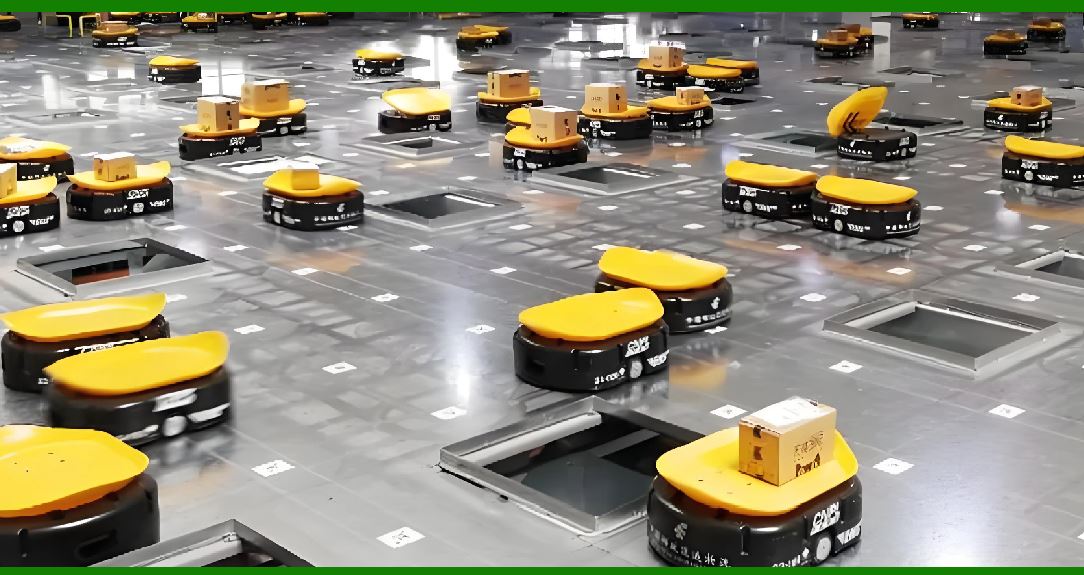
Order picking robots, often mobile robots with arms or gantries, have reaches of 800 to 1500 millimeters. They pick items from shelves and place them into totes. The reach must be sufficient to access items at different heights and depths. Some systems use a single robot arm on a mobile base. Others use a gantry that spans the aisle. |
10.2 Palletizing and Depalletizing |
Palletizing robots in warehouses have reaches of 2000 to 3000 millimeters. They build pallets from cases, bags, or boxes. The reach must cover the pallet and the conveyor. Some robots use a vacuum gripper or a clamp to handle different package types. High-speed palletizing requires a long reach and fast cycle times. |
10.3 Sorting and Singulation |
Sorting robots, including delta robots and articulated robots, have reaches of 800 to 1600 millimeters. They sort parcels, letters, and packages by destination. The reach must cover the sorting conveyor and the output chutes. Some systems use multiple robots working in parallel to handle high volumes. |
10.4 Automated Storage and Retrieval |
Automated storage and retrieval systems use robots with reaches of 500 to 1500 millimeters to pick items from bins or shelves. These robots often work inside a confined structure, so reach must be matched to the bin locations. Some systems use a robotic arm on a vertical lift module. Others use a gantry robot that moves along the aisle. |
|
11. Reach in Real-World Applications: Agriculture |
Agriculture is increasingly using robots for planting, harvesting, and processing. Reach requirements depend on the crop and the environment. |
11.1 Fruit and Vegetable Harvesting |
Harvesting robots use articulated arms with reaches of 1000 to 2000 millimeters. They reach into trees or plants to pick fruit and vegetables. The reach must be sufficient to access the crop without damaging the plant. Some robots use soft grippers and vision systems to identify ripe fruit. The workspace is often a tree canopy or a raised bed. |
11.2 Greenhouse Automation |
Greenhouse robots use gantry or Cartesian systems with reaches of 2000 to 5000 millimeters. They move along the greenhouse to water, spray, and harvest plants. The reach must cover the entire growing area. Some systems use a rail-mounted robot that moves between rows. Others use a overhead gantry that spans the greenhouse. |
11.3 Dairy and Livestock |
Dairy farms use robots for milking, feeding, and cleaning. Milking robots have reaches of 1000 to 1500 millimeters. They reach under the cow to attach milking cups. The reach must be sufficient to access the udder from the robot's base. Feeding robots use larger reaches to distribute feed along the barn. |
11.4 Crop Processing |
Crop processing, such as sorting and packing, uses robots similar to those in food and beverage. Delta robots with reaches of 800 to 1600 millimeters are used for high-speed sorting of fruits and vegetables. Articulated robots with reaches of 1200 to 1800 millimeters are used for packing and palletizing. |

|
12. Reach in Real-World Applications: Aerospace and Defense |
Aerospace and defense manufacturing requires large workspaces and high precision. Reach requirements are often very large. |
12.1 Aircraft Assembly |
Aircraft assembly uses large gantry robots and articulated robots with reaches of 3000 to 5000 millimeters or more. They drill, rivet, and inspect aircraft structures. The reach must cover the entire wing or fuselage section. Some systems use multiple robots on a rail to work on different parts of the aircraft. Others use a single robot on a mobile platform. |
12.2 Engine Component Manufacturing |
Engine component manufacturing uses robots with reaches of 1500 to 2500 millimeters. They handle turbine blades, disks, and casings. The reach must be sufficient to access the machine tools and inspection stations. High precision is critical, so the robot must be stiff and accurate throughout its reach. |
12.3 Spacecraft Assembly |
Spacecraft assembly uses cleanroom-compatible robots with reaches of 1000 to 2000 millimeters. They handle delicate components such as solar panels and instruments. The reach must be sufficient to access the assembly fixture without contamination. Some systems use a robot on a linear rail to extend reach along the spacecraft. |
12.4 Defense and Munitions |
Defense and munitions manufacturing uses robots for handling, assembly, and inspection. Reaches vary from 1000 to 3000 millimeters. Safety is critical, so robots are often used to handle explosive materials. The reach must be sufficient to access the work area while keeping humans at a safe distance. |

|
13. Reach in Real-World Applications: Metalworking and Machine Tending |
Metalworking and machine tending are classic robot applications. Reach is often determined by the size of the machine and the layout of the cell. |
13.1 CNC Machine Tending |
CNC machine tending robots have reaches of 1300 to 1800 millimeters. They load and unload workpieces from lathes, milling machines, and grinders. The reach must be sufficient to access the machine chuck and the conveyor. Some robots are mounted on a pedestal or rail to reach multiple machines. |
13.2 Press Tending |
Press tending robots have reaches of 1650 to 2500 millimeters. They load blanks into stamping presses and remove finished parts. The reach must cover the press bed and the conveyor. High speed is important to match the press cycle time. |
13.3 Welding |
Welding robots have reaches of 1400 to 2000 millimeters. They weld automotive parts, structural steel, and pipes. The reach must be sufficient to access all weld seams. Some robots are mounted on a positioner to rotate the workpiece. Others use a long-reach arm to weld large structures. |
13.4 Cutting and Deburring |
Cutting and deburring robots have reaches of 1200 to 2000 millimeters. They cut metal, plastic, and composite parts. The reach must be sufficient to follow the part contour. Some robots use a force sensor to maintain constant pressure. Others use a vision system to locate the part. |

|
14. Reach in Real-World Applications: Plastics and Rubber |
Plastics and rubber manufacturing uses robots for injection molding, blow molding, and assembly. |
14.1 Injection Molding |
Injection molding robots have reaches of 800 to 1500 millimeters. They remove parts from the mold and place them on a conveyor. The reach must be sufficient to access the mold area. Some robots are mounted on top of the molding machine. Others are mounted on the side. |
14.2 Blow Molding |
Blow molding robots have reaches of 1000 to 2000 millimeters. They handle large bottles and containers. The reach must be sufficient to remove the part from the mold and place it in a trimmer or conveyor. Some robots use a long arm to reach into the mold. |
14.3 Rubber Processing |
Rubber processing robots have reaches of 1200 to 1800 millimeters. They handle tires, hoses, and seals. The reach must be sufficient to access the mold and the conveyor. Some robots use special grippers to handle flexible rubber parts. |

|
15. Reach in Real-World Applications: Construction and Heavy Equipment |
Construction and heavy equipment manufacturing uses large robots with long reaches. |
15.1 Welding of Structural Steel |
Structural steel welding robots have reaches of 2000 to 3000 millimeters. They weld beams, columns, and frames. The reach must be sufficient to access all weld joints. Some robots are mounted on a gantry or a mobile platform. Others use a long-reach arm. |
15.2 Handling of Heavy Components |
Heavy component handling robots have reaches of 2500 to 4000 millimeters. They lift and position large parts such as engine blocks, frames, and axles. The reach must be sufficient to move the part from the conveyor to the assembly station. Payload and reach must be balanced. |
15.3 Concrete and Masonry |
Concrete and masonry robots have reaches of 2000 to 3000 millimeters. They place bricks, blocks, and panels. The reach must be sufficient to cover the wall or floor area. Some robots are mounted on a mobile base. Others use a gantry. |

|
16. Reach in Real-World Applications: Textiles and Apparel |
Textiles and apparel manufacturing uses robots for cutting, sewing, and handling. |
16.1 Fabric Cutting |
Fabric cutting robots have reaches of 1000 to 2000 millimeters. They cut fabric according to patterns. The reach must be sufficient to cover the cutting table. Some robots use a knife or laser cutter. Others use a waterjet. |
16.2 Sewing |
Sewing robots have reaches of 500 to 1000 millimeters. They sew seams and attach components. The reach must be sufficient to access the sewing machine and the fabric. Some robots use a special end effector that mimics a human hand. |
16.3 Garment Handling |
Garment handling robots have reaches of 800 to 1500 millimeters. They pick and place garments, fold them, and pack them. The reach must be sufficient to access the conveyor and the packing station. Some robots use a vacuum gripper or a clamp. |
|
17. Reach in Real-World Applications: Woodworking and Furniture |
Woodworking and furniture manufacturing uses robots for cutting, sanding, and assembly. |
17.1 Cutting and Shaping |
Cutting and shaping robots have reaches of 1500 to 2500 millimeters. They cut and shape wood parts. The reach must be sufficient to cover the workpiece. Some robots use a router or a saw. Others use a laser. |
17.2 Sanding and Finishing |
Sanding and finishing robots have reaches of 1200 to 2000 millimeters. They sand and polish wood surfaces. The reach must be sufficient to access all surfaces. Some robots use a force sensor to maintain constant pressure. |
17.3 Assembly |
Assembly robots have reaches of 1000 to 1800 millimeters. They assemble furniture components such as drawers, doors, and frames. The reach must be sufficient to access the assembly fixture. Some robots use a screwdriver or a glue dispenser. |
|
18. Reach in Real-World Applications: Recycling and Waste Management |
Recycling and waste management uses robots for sorting and processing. |
18.1 Material Sorting |
Material sorting robots have reaches of 1000 to 1600 millimeters. They pick and sort materials such as plastic, paper, and metal. The reach must be sufficient to cover the conveyor. Some robots use a vision system to identify materials. Others use a gripper or a suction cup. |
18.2 Waste Processing |
Waste processing robots have reaches of 1500 to 2500 millimeters. They handle waste bags, bins, and containers. The reach must be sufficient to access the waste stream. Some robots use a heavy-duty gripper. Others use a scoop or a bucket. |

|
19. Reach in Real-World Applications: Energy and Utilities |
Energy and utilities use robots for inspection, maintenance, and repair. |
19.1 Nuclear Inspection |
Nuclear inspection robots have reaches of 1000 to 2000 millimeters. They inspect pipes, vessels, and components. The reach must be sufficient to access the inspection area. Some robots are submersible. Others use a long arm to reach into confined spaces. |
19.2 Wind Turbine Maintenance |
Wind turbine maintenance robots have reaches of 2000 to 4000 millimeters. They inspect and repair blades and towers. The reach must be sufficient to access the blade surface. Some robots are mounted on a platform or a drone. Others use a long arm. |
19.3 Solar Panel Installation |
Solar panel installation robots have reaches of 1500 to 2500 millimeters. They place and connect solar panels. The reach must be sufficient to cover the panel array. Some robots are mounted on a mobile base. Others use a gantry. |

|
20. Reach in Real-World Applications: Shipbuilding and Marine |
Shipbuilding and marine manufacturing uses large robots with long reaches. |
20.1 Welding of Ship Structures |
Welding robots for shipbuilding have reaches of 2500 to 4000 millimeters. They weld hull sections, decks, and bulkheads. The reach must be sufficient to access all weld joints. Some robots are mounted on a gantry or a mobile platform. Others use a long-reach arm. |
20.2 Painting of Ships |
Painting robots for ships have reaches of 3000 to 5000 millimeters. They paint hulls, decks, and superstructures. The reach must be sufficient to cover the entire surface. Some robots are mounted on a boom or a crane. Others use a long-reach arm. |
20.3 Underwater Inspection and Repair |
Underwater robots have reaches of 1000 to 2000 millimeters. They inspect and repair underwater structures such as pipelines and platforms. The reach must be sufficient to access the work area. Some robots are remotely operated. Others are autonomous. |

|
21. Reach in Real-World Applications: Mining and Construction |
Mining and construction use robots for drilling, loading, and hauling. |
21.1 Drilling |
Drilling robots have reaches of 2000 to 4000 millimeters. They drill blast holes and rock bolts. The reach must be sufficient to cover the drilling area. Some robots are mounted on a boom or a rig. Others use a long-reach arm. |
21.2 Loading and Hauling |
Loading and hauling robots have reaches of 3000 to 5000 millimeters. They load ore and waste rock onto trucks. The reach must be sufficient to cover the loading area. Some robots are mounted on a shovel or a loader. Others use a long-reach arm. |
21.3 Tunneling |
Tunneling robots have reaches of 2000 to 4000 millimeters. They excavate and support tunnels. The reach must be sufficient to cover the tunnel face. Some robots are mounted on a boring machine. Others use a long-reach arm. |

|
22. Reach in Real-World Applications: Education and Research |
Education and research use robots for teaching, experiments, and development. |
22.1 University Laboratories |
University laboratories use small articulated robots and cobots with reaches of 500 to 1000 millimeters. They teach robotics, control, and programming. The reach must be sufficient for tabletop experiments. Some robots are mounted on a table. Others are mounted on a mobile base. |
22.2 Research and Development |
Research and development uses robots with reaches of 800 to 2000 millimeters. They test new algorithms, sensors, and end effectors. The reach must be sufficient to perform the experiment. Some robots are custom-built. Others are commercial models. |

|
23. Trade-Offs Involving Reach |
Reach is never free. Increasing reach usually requires trade-offs with other performance metrics. |
23.1 Reach vs. Payload |
As reach increases, payload capacity usually decreases. This is because the robot arm must support the weight of the payload at a greater distance, which increases the torque on the joints. A robot with a long reach may have a high payload capacity at short reach but a much lower capacity at full extension. Manufacturers provide payload-reach curves to show this relationship. |
For example, a robot with a 2000 millimeter reach may be able to lift 50 kilograms at 1000 millimeters but only 20 kilograms at 2000 millimeters. Engineers must ensure that the robot can handle the required payload at the required reach. |
23.2 Reach vs. Precision |
As reach increases, precision usually decreases. This is because the arm is longer and more flexible, so it is more prone to deflection and vibration. Gear backlash and thermal expansion also have a greater effect at longer reaches. For high-precision tasks, it is best to use a shorter reach or to keep the work area within the robot's optimal zone. |
23.3 Reach vs. Speed |
As reach increases, speed usually decreases. This is because the arm is heavier and has more inertia, so it takes longer to accelerate and decelerate. A long-reach robot may be slow and cumbersome compared to a short-reach robot. For high-speed tasks, a shorter reach is often better. |
23.4 Reach vs. Cost |
As reach increases, cost usually increases. This is because the robot requires larger motors, stronger structures, and more sophisticated controls. A long-reach robot may cost two or three times as much as a short-reach robot. Engineers must balance the cost of the robot against the benefits of a larger workspace. |
23.5 Reach vs. Footprint |
As reach increases, the robot's footprint may also increase. A long-reach robot may need a larger base and more space for counterweights. This can be a problem in crowded factories. Some robots use a folding arm or a telescoping arm to reduce their footprint when not in use. |

|
24. Designing for Reach: Best Practices |
When designing a robot workcell, reach is a key consideration. Here are some best practices. |
24.1 Define the Workspace |
Start by defining the workspace. Identify all the points where the robot needs to perform tasks. Include approach and retreat points. Use simulation software to create a 3D model of the workspace. |
24.2 Choose the Right Robot |
Choose a robot with a reach that is slightly larger than the workspace. This provides a margin for error and allows for future changes. Do not choose a robot with a reach that is much larger than needed, as this may increase cost and reduce performance. |
24.3 Consider the Tool |
The tool or end effector adds to the effective reach. A long tool can extend the robot's reach, but it also adds weight and may reduce precision. Consider the tool length when calculating reach. |
24.4 Consider the Payload |
The payload affects the reach. A heavy payload may reduce the maximum reach. Check the payload-reach curve to ensure that the robot can handle the required payload at the required reach. |
24.5 Consider the Environment |
The environment affects reach. Temperature, humidity, and contamination can affect the robot's performance. Choose a robot that is rated for the environment. Consider adding a cover or a shield to protect the robot. |
24.6 Consider Safety |
Safety is critical. Ensure that the robot cannot reach into areas where people are present. Use fences, light curtains, or safety-rated software to limit the robot's reach. For cobots, ensure that the robot's reach and speed are safe for collaborative operation. |
24.7 Test and Validate |
Test and validate the design. Use simulation to check reachability, cycle time, and interference. Build a physical prototype if possible. Measure the actual reach and performance. Make adjustments as needed. |
|
25. Future Trends in Reach |
Reach technology is evolving. Here are some trends to watch. |
25.1 Longer Reach with Higher Payload |
Manufacturers are developing robots with longer reach and higher payload. This is driven by applications such as electric vehicle battery assembly, aerospace manufacturing, and logistics. New materials and designs allow longer arms without sacrificing payload. |
25.2 Modular and Reconfigurable Reach |
Modular robots allow the reach to be changed by adding or removing sections. This is useful for applications that change over time. Reconfigurable robots can adapt to different tasks without replacing the entire robot. |
25.3 Mobile and Rail-Mounted Robots |
Mobile robots and rail-mounted robots extend reach by moving the base. This allows a single robot to cover a large area. Mobile robots are increasingly used in logistics and manufacturing. |
25.4 Soft and Continuum Robots |
Soft and continuum robots have flexible bodies that can reach into confined spaces. They are used in inspection, maintenance, and medical applications. Their reach is not defined by a single distance but by their ability to bend and twist. |
25.5 Collaborative Robots with Longer Reach |
Collaborative robots are getting longer reach. This allows them to work in larger cells while still sharing space with humans. New safety systems allow cobots to operate at higher speeds and longer reaches. |
26. Detailed Summary |
Reach is a fundamental performance metric for industrial robots. It determines the size and shape of the workspace and influences every aspect of robot selection and system design. Horizontal reach is the maximum distance the robot can extend in a horizontal plane. Mid-size articulated robots typically offer 1650 to 1850 millimeters of horizontal reach. Extended-reach delta models achieve around 1600 millimeters. |
Different robot architectures have different reach characteristics. Articulated robots are versatile and can have reaches from a few hundred millimeters to several meters. Delta robots are fast and have reaches of 800 to 1600 millimeters. SCARA robots are fast and precise in the horizontal plane, with reaches of 400 to 1200 millimeters. Cartesian and gantry robots can have very large workspaces. Collaborative robots have reaches of 500 to 1800 millimeters. |
Reach is measured and specified in different ways. Maximum horizontal reach is the most common specification. Payload, precision, and speed all vary with reach. Manufacturers provide payload-reach curves and workspace diagrams to help engineers design workcells. |
Reach requirements vary widely across industries. In automotive, large robots with reaches of 2500 to 3000 millimeters are used for body assembly and painting. Smaller robots with reaches of 1300 to 1800 millimeters are used for final assembly. In electronics, SCARA and small articulated robots with reaches of 400 to 1000 millimeters are used for assembly and wafer handling. In food and beverage, delta robots with reaches of 800 to 1600 millimeters are used for high-speed pick and place, while articulated robots with reaches of 1200 to 3000 millimeters are used for packing and palletizing. In pharmaceuticals, small robots with reaches of 500 to 1500 millimeters are used for laboratory automation and packaging. In logistics, robots with reaches of 800 to 3000 millimeters are used for order picking and palletizing. In agriculture, robots with reaches of 1000 to 5000 millimeters are used for harvesting and greenhouse automation. In aerospace, large robots with reaches of 3000 to 5000 millimeters are used for aircraft assembly. In metalworking, robots with reaches of 1200 to 2500 millimeters are used for machine tending and welding. In plastics, robots with reaches of 800 to 2000 millimeters are used for injection molding and blow molding. In construction, robots with reaches of 2000 to 4000 millimeters are used for welding and handling. In textiles, robots with reaches of 500 to 2000 millimeters are used for cutting and sewing. In woodworking, robots with reaches of 1000 to 2500 millimeters are used for cutting and assembly. In recycling, robots with reaches of 1000 to 2500 millimeters are used for sorting and processing. In energy, robots with reaches of 1000 to 4000 millimeters are used for inspection and maintenance. In shipbuilding, robots with reaches of 2500 to 5000 millimeters are used for welding and painting. In mining, robots with reaches of 2000 to 5000 millimeters are used for drilling and loading. In education, robots with reaches of 500 to 2000 millimeters are used for teaching and research. |
Reach involves trade-offs. Longer reach usually means lower payload, lower precision, lower speed, higher cost, and larger footprint. Engineers must balance these factors when designing a workcell. Best practices include defining the workspace, choosing the right robot, considering the tool and payload, considering the environment, ensuring safety, and testing and validating the design. |
Future trends include longer reach with higher payload, modular and reconfigurable reach, mobile and rail-mounted robots, soft and continuum robots, and collaborative robots with longer reach. These trends will expand the capabilities of industrial robots and open new applications. |
In conclusion, reach is not just a number. It is a design constraint, a cost driver, a safety consideration, and often the single most important factor in whether a robot can do a job at all. By understanding reach and its implications, engineers and decision-makers can design better robot systems that are productive, efficient, and safe. This chapter has provided a comprehensive overview of reach, with practical examples from many industries. It is our hope that this knowledge will help you succeed in your automation projects. |
 cs@easiersoft.com