Chapter 4: The Robot System vs. the Robot |
Summary |
This chapter draws a clear and practical distinction between two ideas that are often used interchangeably in everyday conversation: the robot and the robot system. The robot itself is the physical machine and its immediate control infrastructure. It includes the manipulator, the drives, the sensors, the controller, and the programming interface. The robot system, by contrast, is the larger working arrangement that includes the robot plus everything else needed to perform a real task. That larger arrangement includes the end effector, the workpiece fixtures, the part feeders, the safety barriers, the conveyors, the vision systems, the cell controllers, and the people who set up and supervise the operation. Understanding this difference is essential because most industrial failures that are blamed on the robot are actually failures of the robot system. A robot that is perfectly healthy can still fail to produce a good weld, a clean pick, or a reliable assembly if the fixture is loose, the feeder is jammed, or the end effector is worn. This chapter explains each component of the robot proper, then explains each major category of system-level equipment, and then illustrates the distinction through many real examples from automotive, electronics, food, logistics, agriculture, construction, healthcare, and other industries. The goal is to help engineers, managers, students, and technical writers speak precisely about what is and is not part of the robot itself. |

|
1. Introduction: Why the Distinction Matters |
When people say 'the robot broke down,' they usually mean that the whole production cell stopped. The actual cause might be a burned-out motor in the manipulator, but it might also be a tangled air line on the end effector, a misaligned fixture, a dirty sensor lens, a software bug in the cell controller, or a human error in part loading. If we do not separate the robot from the robot system, we cannot diagnose problems correctly, we cannot assign responsibility correctly, and we cannot design reliable installations. |
The robot proper is a general-purpose machine. It is designed to move a tool or a part through space with speed and precision. It does not know what it is holding. It does not know what it is making. It does not know whether the part is good or bad. All of that knowledge and all of that task-specific hardware belong to the robot system. |
This chapter follows the structure of the book. Part I is about foundations and frameworks. Chapter 1 introduced the history and definition of industrial robots. Chapter 2 discussed the main mechanical configurations. Chapter 3 covered basic control concepts. Now Chapter 4 draws the boundary between the robot and the system. Later chapters will build on this boundary when we discuss end effectors, sensors, programming, safety, and applications. |

|
2. The Robot Proper: A Working Definition |
For the purposes of this book, the robot proper consists of exactly five elements: |
2.1 The manipulator |
2.2 The drives |
2.3 The sensors that are integrated into the robot for its own motion control |
2.4 The controller |
2.5 The programming interface |
Anything else is part of the robot system, not the robot. This is a deliberate and practical definition. It matches the way most robot manufacturers write their specifications. When a manufacturer sells a robot, they sell the manipulator, the controller, and the programming pendant. They do not sell the welding torch, the gripper, the fixture, or the conveyor. Those are system components. |
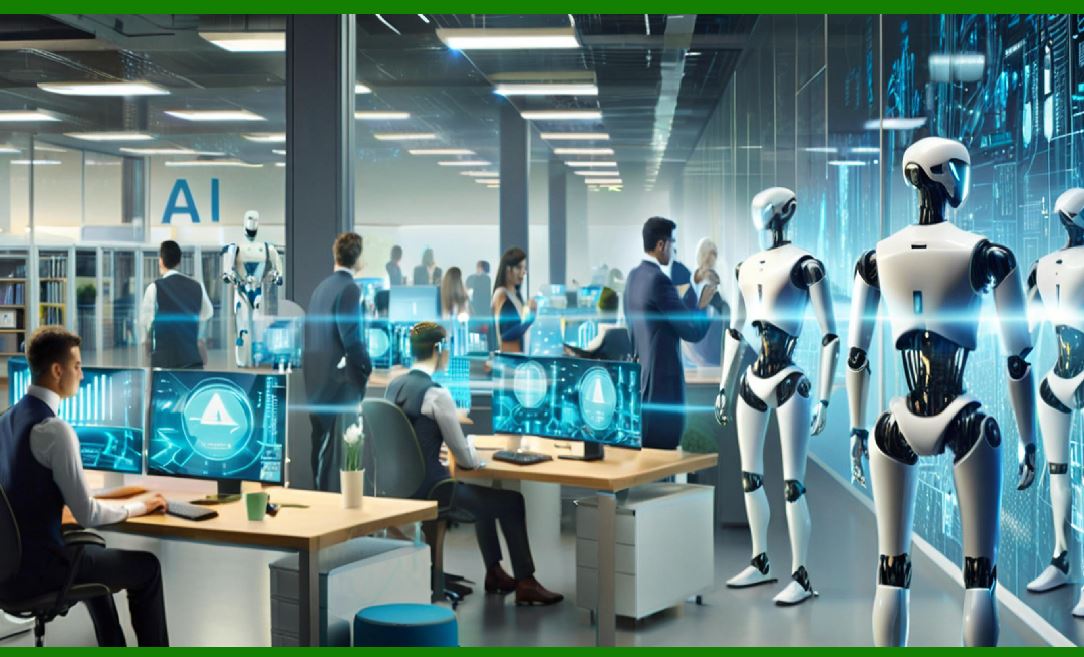
It is important to note that the boundary is not always perfectly sharp. Some sensors, such as joint encoders, are inside the robot and are essential to its motion. Other sensors, such as a wrist-mounted force sensor, may be sold as an option and may be considered part of the robot by some users and part of the system by others. For clarity, this chapter treats any sensor that is required for the robot to move its own joints as part of the robot proper. Any sensor that is added to help the robot do a specific task is part of the robot system. |
|
3. The Manipulator |
The manipulator is the arm. It is the most visible part of the robot. It consists of a series of rigid links connected by joints. The joints may be rotary or linear. The links are usually made of cast aluminum, steel, or composite materials. The manipulator is designed to be stiff, light, and strong. |
The manipulator does not move by itself. It needs drives. The drives are motors and gearboxes that apply force to the joints. The manipulator also needs sensors to tell the controller where each joint is. Those sensors are usually encoders mounted on the motor shafts or on the joints themselves. |
The manipulator's job is to position and orient the end effector. The end effector is not part of the manipulator. The end effector is attached to the manipulator's mounting flange, which is often called the tool flange or the wrist. The manipulator provides motion. The end effector provides the task-specific action. |
Different manipulator configurations are suited to different tasks. A Cartesian robot moves in three linear axes. A SCARA robot moves in two linear axes and one rotary axis, which makes it good for assembly tasks that require vertical insertion. An articulated robot has rotary joints that mimic a human arm, which makes it flexible and good for welding, painting, and machine tending. A delta robot has three parallel arms that meet at a common base, which makes it very fast for pick-and-place tasks. A collaborative robot is designed to work safely alongside humans, usually with rounded joints, low speed, and force-sensing capabilities. |
In every case, the manipulator is only the arm. It is not the hand, not the fixture, and not the conveyor. |
|
4. The Drives |
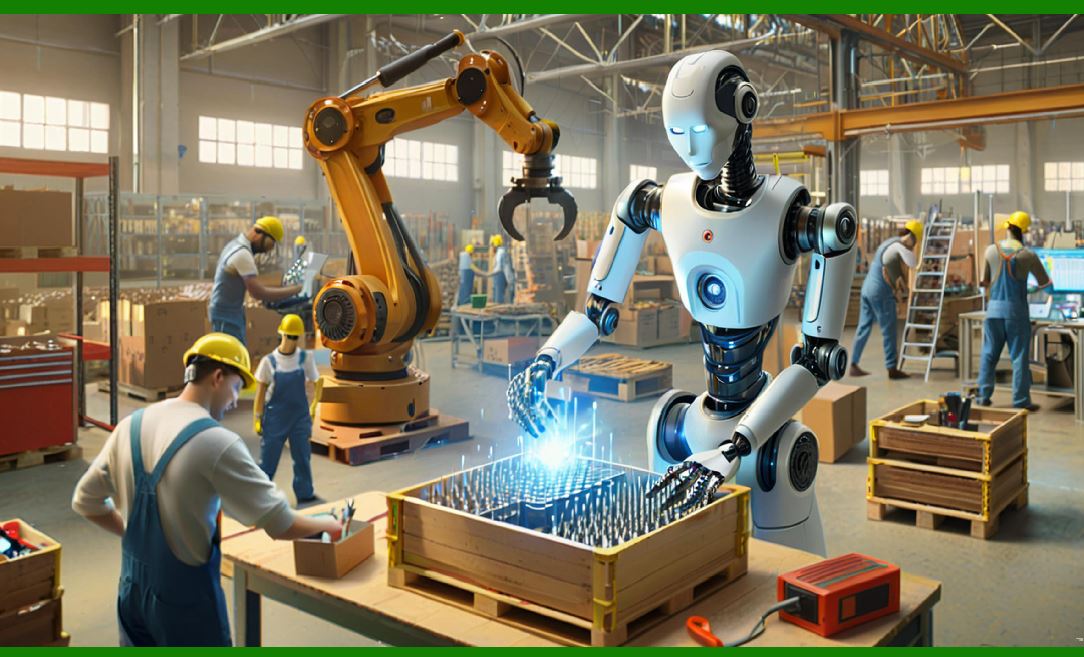
The drives are the muscles of the robot. They convert electrical energy into mechanical motion. Most industrial robots use electric servo motors. Some older or specialized robots use hydraulic or pneumatic drives, but electric drives dominate modern installations. |
A drive system usually includes a motor, a gearbox, a brake, and a feedback device. The motor provides the force. The gearbox reduces speed and increases torque. The brake holds the joint in place when power is removed. The feedback device, usually an encoder, tells the controller the joint's position and speed. |
The drives are part of the robot proper because without them the manipulator cannot move. However, the power supply, the cables, and the cooling system may be considered part of the system or part of the robot depending on how they are packaged. For example, a robot controller usually includes the servo amplifiers that drive the motors. Those amplifiers are part of the robot proper. But the facility power supply, the transformers, and the air conditioning for the robot cabinet are part of the site infrastructure, which is part of the robot system in the broadest sense. |
|
5. The Sensors Integrated into the Robot |
The robot proper includes the sensors that are needed for its own motion control. These are primarily joint position sensors, such as encoders or resolvers. They may also include motor current sensors, temperature sensors, and collision detection sensors that are built into the robot for safety and self-protection. |
These sensors are different from task sensors. A task sensor is a sensor that helps the robot do a specific job. Examples include a welding seam tracker, a vision camera for part location, a force sensor for assembly, or a tactile sensor for grasping. These task sensors are part of the robot system, not the robot proper. |
The distinction is important because task sensors often require calibration, maintenance, and programming that are specific to the application. If a vision camera fails, the robot itself is still healthy. The robot system has failed. |

|
6. The Controller |
The controller is the brain of the robot. It reads the program, reads the sensors, computes the motion, and sends commands to the drives. It also manages safety signals, communication with other machines, and the user interface. |
The controller is part of the robot proper. It is usually a separate cabinet or a built-in unit. It contains a computer, memory, input and output modules, servo amplifiers, and safety circuits. It runs the robot's operating system and the user's program. |
The controller does not decide what to make. It does not know whether the part is good or bad unless a task sensor tells it. It does not control the conveyor, the feeder, or the fixture unless those devices are wired into its input and output modules. Even then, the controller is only following a program. The intelligence of the system is distributed across the controller, the cell controller, the vision system, and the human operators. |
|
7. The Programming Interface |
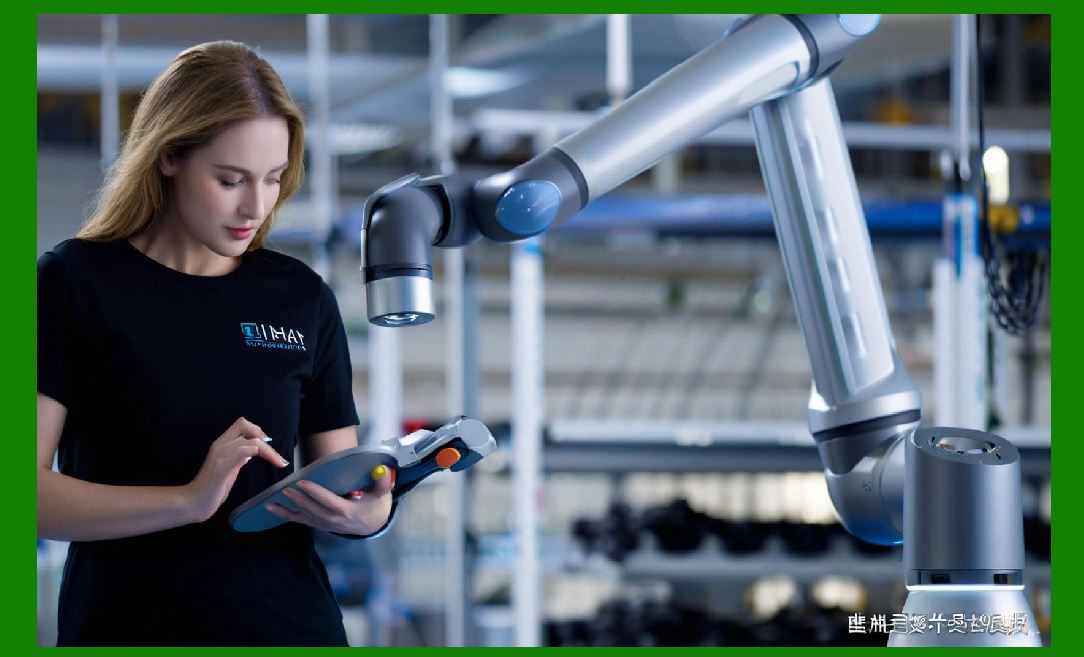
The programming interface is the way humans communicate with the robot. It is usually a teach pendant, which is a handheld device with a screen and buttons. It may also be a computer with software, a tablet, or a voice interface. |
The programming interface is part of the robot proper because it is the standard way to program and operate the robot. However, the programs themselves are part of the robot system because they encode the task. A robot with no program is just a machine. A robot with a program is a tool. A robot system with a program, fixtures, end effectors, and safety systems is a production asset. |
|
8. The End Effector |
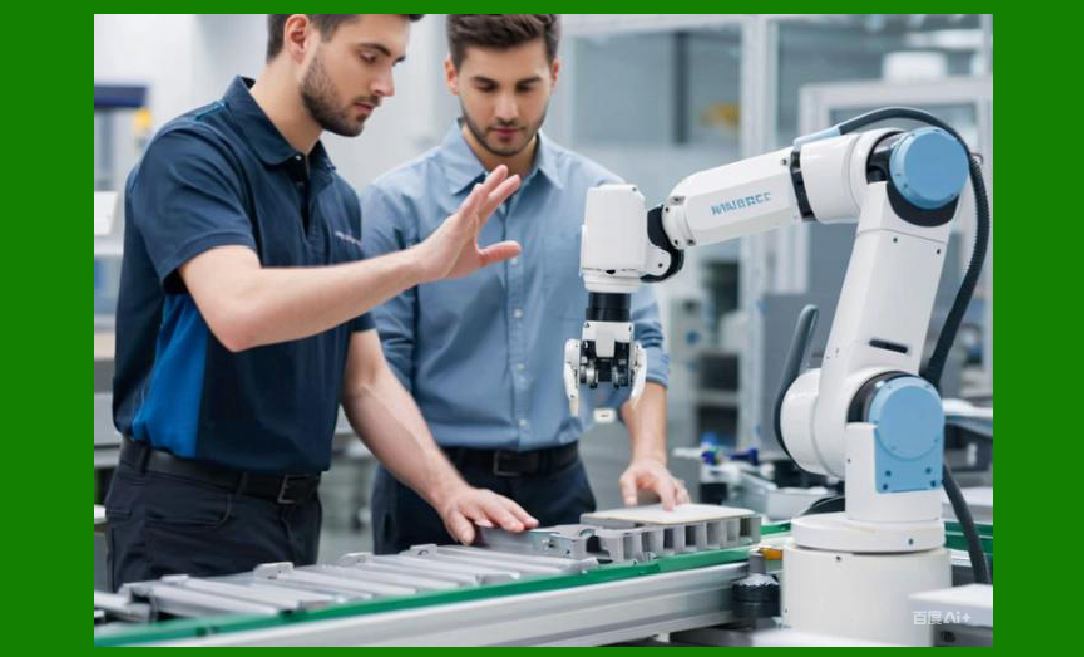
The end effector is the hand of the robot system. It is not part of the robot proper. The end effector is the tool that actually does the work. It may be a gripper, a welding torch, a paint sprayer, a screwdriver, a vacuum cup, a magnet, a knife, a laser, or any other tool. |
The end effector is usually attached to the robot's tool flange. It may be powered by electricity, air, hydraulics, or a combination. It may have its own sensors, such as a force sensor or a camera. It may be interchangeable, so that one robot can perform multiple tasks by changing tools. |
The end effector is often the most application-specific part of the robot system. A robot model may be used in hundreds of different applications, but the end effector is usually unique to each application. For example, a robot that welds car bodies uses a welding torch. A robot that picks bottles uses a vacuum gripper. A robot that assembles phones uses a precision gripper with force feedback. |
|
9. The Workpiece Fixtures |
The workpiece fixture is the device that holds the part in place while the robot works on it. It is not part of the robot proper. The fixture ensures that the part is in a known position and orientation. Without a good fixture, even a perfect robot cannot produce a good result. |
Fixtures can be simple or complex. A simple fixture might be a metal block with a clamp. A complex fixture might be a servo-driven positioner that rotates the part while the robot welds. A fixture may also include sensors that confirm the part is present and correctly seated. |
Fixtures are often designed and built by the system integrator, not by the robot manufacturer. This is a key reason why the robot and the robot system are different. The robot manufacturer knows nothing about the part. The system integrator knows everything about the part. |

|
10. Part Feeders and Material Handling Equipment |
The robot system also includes the equipment that brings parts to the robot and takes finished parts away. This may include conveyors, bowl feeders, tray handlers, cartesian gantries, automated guided vehicles, and autonomous mobile robots. |
These devices are not part of the robot proper. They are part of the system. They often have their own controllers, sensors, and safety systems. They must communicate with the robot controller, usually through digital signals or industrial networks. |
A common mistake in system design is to treat the robot as the center of the universe and the feeders as optional extras. In reality, the feeder is often the bottleneck. A robot that can pick a part in half a second is useless if the feeder can only present a part every five seconds. |
|
11. Safety Systems |
Safety systems are part of the robot system, not the robot proper. They include fences, light curtains, safety mats, laser scanners, interlock switches, emergency stop buttons, and safety relays. |
The robot itself may have some safety features, such as limited speed and force in collaborative mode, or a built-in emergency stop. But the complete safety system is designed for the specific installation. It depends on the layout, the task, the part, the speed, and the people who will be near the robot. |
Safety systems are a good example of why the robot-system distinction matters. A robot may be certified as safe by its manufacturer, but the installation may still be unsafe if the fence is too short, the light curtain is misaligned, or the fixture allows a part to fly out. |

|
12. Cell Controllers and Communication Networks |
The cell controller is the coordinator of the robot system. It may be a programmable logic controller, a industrial computer, or a network of devices. It tells the robot when to start, when to stop, and what to do. It also coordinates the feeders, the conveyors, the fixtures, and the safety systems. |
The cell controller is not part of the robot proper. It is part of the system. The robot controller may be a slave to the cell controller, or it may be a peer. The communication between them is usually through digital input and output signals or through industrial networks such as EtherNet/IP, PROFINET, or EtherCAT. |
The cell controller is where the production logic lives. It knows the schedule, the part mix, and the quality requirements. The robot controller only knows the motion program. |
|
13. Vision Systems and Other Task Sensors |
Vision systems are part of the robot system. They help the robot find parts, inspect parts, and guide motion. A vision system may be mounted on the robot, on a fixed frame, or on a moving conveyor. It may use a single camera, multiple cameras, or a three-dimensional scanner. |
Other task sensors include force sensors, torque sensors, tactile sensors, ultrasonic sensors, and laser profilometers. These sensors are not part of the robot proper because they are not needed for the robot to move its own joints. They are needed for the robot to do a specific job. |
The distinction is practical. If a vision system fails, you call a vision engineer. If a robot joint fails, you call a robot technician. Different skills, different spare parts, different troubleshooting procedures. |

|
14. The Human Element |
The robot system also includes people. It includes the engineers who design the cell, the technicians who install it, the programmers who write the code, the operators who run it, and the maintenance staff who keep it working. It also includes the managers who decide what to automate and the safety officers who approve the installation. |
People are not part of the robot proper. But they are part of the robot system. In fact, they are often the most flexible and the most unpredictable part. A robot will do exactly what it is told. A human may load a part incorrectly, forget to close a gate, or press the wrong button. |
Good robot system design takes humans into account. It uses poka-yoke, which means mistake-proofing. It uses clear labels, easy access, and ergonomic layouts. It trains operators and technicians. It plans for maintenance and troubleshooting. |

|
15. Examples from the Automotive Industry |
The automotive industry is the largest user of industrial robots. It provides many clear examples of the robot-system distinction. |
15.1 Welding cells |
In a car body welding cell, the robot proper is the articulated arm with its controller. The robot system includes the welding torch, the wire feeder, the welding power supply, the fixture that holds the car body, the conveyor that brings the body in, the safety fence, the light curtains, and the cell controller. If the weld is bad, the cause may be the robot, but it is more likely to be the wire feeder, the torch, the fixture, or the part fit-up. |
15.2 Painting cells |
In a painting cell, the robot proper is the arm and controller. The robot system includes the paint sprayer, the paint supply, the air supply, the booth, the ventilation, the conveyor, and the safety systems. The robot may be explosion-proof, but the system must be designed for hazardous materials. |
15.3 Assembly cells |
In an engine assembly cell, the robot proper is the arm. The robot system includes the gripper, the torque tool, the fixture, the part feeder, the vision system, and the error-proofing sensors. The robot may place a piston, but the system ensures the piston is the right part and is oriented correctly. |
15.4 Quality control |
In a quality control cell, the robot proper is the arm. The robot system includes the measuring probe, the calibration master, the fixture, and the data collection software. The robot moves the probe, but the system decides whether the part is acceptable. |

|
16. Examples from the Electronics Industry |
The electronics industry uses robots for assembly, testing, and material handling. The parts are small, the tolerances are tight, and the speeds are high. |
16.1 Printed circuit board assembly |
In a printed circuit board assembly cell, the robot proper is a SCARA or delta robot. The robot system includes the vacuum nozzle, the feeder for components, the vision system for alignment, the conveyor, and the reflow oven interface. The robot places components, but the system ensures the right component is placed in the right location with the right orientation. |
16.2 Phone assembly |
In a phone assembly cell, the robot proper is a small articulated or SCARA robot. The robot system includes the precision gripper, the screwdriver, the force sensor, the fixture, and the vision system. The robot may insert a screw, but the system ensures the screw is not cross-threaded and is tightened to the correct torque. |
16.3 Semiconductor handling |
In a semiconductor handling cell, the robot proper is a cleanroom robot. The robot system includes the vacuum end effector, the load port, the aligner, the buffer, and the environmental control. The robot moves wafers, but the system prevents contamination and ensures traceability. |

|
17. Examples from the Food and Beverage Industry |
The food and beverage industry uses robots for picking, packing, palletizing, and processing. The requirements are different from automotive or electronics because of hygiene, washdown, and food safety. |
17.1 Primary packaging |
In a primary packaging cell, the robot proper is a delta robot or a high-speed articulated robot. The robot system includes the vacuum gripper, the product feeder, the conveyor, the metal detector, the checkweigher, and the washdown enclosure. The robot picks products, but the system ensures the product is safe and the package is correct. |
17.2 Secondary packaging |
In a secondary packaging cell, the robot proper is an articulated robot. The robot system includes the case erector, the product collator, the gripper, the tape dispenser, and the labeler. The robot loads cases, but the system ensures the cases are formed and sealed correctly. |
17.3 Palletizing |
In a palletizing cell, the robot proper is a large articulated robot. The robot system includes the bag gripper, the pallet dispenser, the slip sheet dispenser, the stretch wrapper, and the safety fence. The robot stacks bags, but the system ensures the pallet is stable and the pattern is correct. |
17.4 Meat processing |
In a meat processing cell, the robot proper is a washdown robot. The robot system includes the knife, the gripper, the fixture, the conveyor, and the sanitation system. The robot cuts meat, but the system ensures the cut is accurate and the equipment is clean. |
|
18. Examples from the Logistics and Warehousing Industry |
The logistics and warehousing industry uses robots for picking, sorting, and transporting goods. The environment is less structured than a factory, so the robot system must be more flexible. |
18.1 Order picking |
In an order picking cell, the robot proper is a mobile manipulator or a fixed articulated robot. The robot system includes the gripper, the vision system, the shelf, the bin, the warehouse management system, and the safety system. The robot picks items, but the system ensures the right item is picked and placed in the right order. |
18.2 Sorting |
In a sorting cell, the robot proper is a delta robot or a high-speed articulated robot. The robot system includes the vacuum gripper, the conveyor, the scanner, the chute, and the control software. The robot sorts parcels, but the system reads the barcode and directs the parcel to the correct destination. |
18.3 Palletizing and depalletizing |
In a palletizing cell, the robot proper is a large articulated robot. The robot system includes the gripper, the pallet conveyor, the slip sheet dispenser, the stretch wrapper, and the warehouse management system. The robot moves cases, but the system tracks inventory and optimizes the pallet pattern. |
18.4 Autonomous mobile robots |
In a mobile robot system, the robot proper is the mobile base with its manipulator, drives, sensors, controller, and programming interface. The robot system includes the fleet manager, the charging stations, the doors, the elevators, the conveyors, and the warehouse management system. The robot moves, but the system coordinates traffic and assigns tasks. |

|
19. Examples from the Agriculture Industry |
The agriculture industry uses robots for planting, harvesting, spraying, and sorting. The environment is unstructured and variable, so the robot system must be robust and adaptive. |
19.1 Harvesting |
In a harvesting cell, the robot proper is a mobile manipulator or a gantry robot. The robot system includes the gripper, the vision system, the bin, the conveyor, and the navigation system. The robot picks fruit, but the system determines ripeness and avoids obstacles. |
19.2 Weeding |
In a weeding cell, the robot proper is a mobile robot with a manipulator. The robot system includes the camera, the hoe, the GPS, and the guidance system. The robot removes weeds, but the system distinguishes weeds from crops. |
19.3 Sorting |
In a sorting cell, the robot proper is a delta robot or a high-speed articulated robot. The robot system includes the vision system, the conveyor, the air jets, and the grading software. The robot sorts produce, but the system grades quality and size. |
19.4 Planting |
In a planting cell, the robot proper is a mobile robot with a manipulator. The robot system includes the seed dispenser, the soil sensor, the GPS, and the mapping software. The robot plants seeds, but the system optimizes spacing and depth. |

|
20. Examples from the Construction Industry |
The construction industry uses robots for bricklaying, welding, painting, and inspection. The environment is harsh and the tasks are varied. |
20.1 Bricklaying |
In a bricklaying cell, the robot proper is a large articulated robot or a gantry robot. The robot system includes the gripper, the mortar dispenser, the brick feeder, the laser alignment system, and the safety system. The robot places bricks, but the system ensures the wall is straight and level. |
20.2 Welding |
In a construction welding cell, the robot proper is a portable articulated robot. The robot system includes the welding torch, the wire feeder, the track, the fixture, and the power supply. The robot welds beams, but the system ensures the weld is strong and the beam is aligned. |
20.3 Painting |
In a construction painting cell, the robot proper is a mobile manipulator. The robot system includes the sprayer, the paint supply, the boom, and the safety system. The robot paints walls, but the system ensures the coating is even and the overspray is controlled. |
20.4 Inspection |
In a construction inspection cell, the robot proper is a mobile robot with a camera. The robot system includes the camera, the laser scanner, the GPS, and the reporting software. The robot inspects structures, but the system detects cracks and measures dimensions. |
|
21. Examples from the Healthcare Industry |
The healthcare industry uses robots for surgery, rehabilitation, laboratory work, and pharmacy automation. The requirements are different because of safety, precision, and regulatory approval. |
21.1 Surgical robots |
In a surgical robot system, the robot proper is the manipulator with its drives, sensors, controller, and programming interface. The robot system includes the surgical instruments, the vision system, the master console, the patient cart, and the sterile drapes. The robot moves the instruments, but the system ensures the surgeon's commands are followed precisely. |
21.2 Rehabilitation robots |
In a rehabilitation robot system, the robot proper is the manipulator with its drives, sensors, controller, and programming interface. The robot system includes the harness, the treadmill, the biofeedback sensors, and the therapy software. The robot assists the patient, but the system adapts to the patient's progress. |
21.3 Laboratory robots |
In a laboratory robot system, the robot proper is a small articulated robot or a Cartesian robot. The robot system includes the pipette, the microplate, the reagent dispenser, the reader, and the laboratory information management system. The robot moves liquids, but the system ensures the assay is correct and the data is traceable. |
21.4 Pharmacy robots |
In a pharmacy robot system, the robot proper is a Cartesian robot or a SCARA robot. The robot system includes the drug bins, the counting sensor, the labeler, the bagger, and the prescription management software. The robot dispenses drugs, but the system ensures the right drug and the right dose. |

|
22. Examples from the Metalworking and Machining Industry |
The metalworking and machining industry uses robots for machine tending, deburring, polishing, and inspection. |
22.1 Machine tending |
In a machine tending cell, the robot proper is an articulated robot. The robot system includes the gripper, the chuck, the conveyor, the chip conveyor, and the machine tool interface. The robot loads and unloads parts, but the system ensures the machine is ready and the part is seated correctly. |
22.2 Deburring |
In a deburring cell, the robot proper is an articulated robot. The robot system includes the spindle, the deburring tool, the fixture, the force sensor, and the dust collection. The robot removes burrs, but the system ensures the edge is smooth and the part is not damaged. |
22.3 Polishing |
In a polishing cell, the robot proper is an articulated robot. The robot system includes the polishing pad, the abrasive dispenser, the force sensor, the fixture, and the cleaning station. The robot polishes the surface, but the system ensures the finish is uniform and the pad is not worn. |
22.4 Inspection |
In an inspection cell, the robot proper is an articulated robot. The robot system includes the camera, the laser scanner, the probe, the fixture, and the analysis software. The robot moves the sensor, but the system decides whether the part is acceptable. |
|
23. Examples from the Plastics and Rubber Industry |
The plastics and rubber industry uses robots for injection molding, blow molding, and assembly. |
23.1 Injection molding |
In an injection molding cell, the robot proper is a Cartesian robot or an articulated robot. The robot system includes the gripper, the sprue cutter, the conveyor, the mold, and the molding machine interface. The robot removes parts, but the system ensures the mold is open and the part is cooled. |
23.2 Blow molding |
In a blow molding cell, the robot proper is an articulated robot. The robot system includes the gripper, the trimmer, the conveyor, the mold, and the blow molding machine interface. The robot removes bottles, but the system ensures the bottle is formed and the flash is trimmed. |
23.3 Assembly |
In a plastics assembly cell, the robot proper is a SCARA robot or an articulated robot. The robot system includes the gripper, the ultrasonic welder, the fixture, the conveyor, and the leak tester. The robot assembles parts, but the system ensures the weld is strong and the part is leak-free. |

|
24. Examples from the Pharmaceutical and Chemical Industry |
The pharmaceutical and chemical industry uses robots for dispensing, mixing, filling, and packaging. |
24.1 Dispensing |
In a dispensing cell, the robot proper is a Cartesian robot or an articulated robot. The robot system includes the syringe, the balance, the vial, the cap, and the containment system. The robot dispenses powder, but the system ensures the weight is accurate and the powder is contained. |
24.2 Mixing |
In a mixing cell, the robot proper is an articulated robot. The robot system includes the stirrer, the vessel, the sensor, and the cleaning system. The robot moves the stirrer, but the system ensures the mixture is homogeneous and the vessel is clean. |
24.3 Filling |
In a filling cell, the robot proper is a delta robot or an articulated robot. The robot system includes the nozzle, the conveyor, the capper, the labeler, and the inspection system. The robot fills bottles, but the system ensures the fill level is correct and the cap is tight. |
24.4 Packaging |
In a packaging cell, the robot proper is an articulated robot. The robot system includes the cartoner, the case packer, the palletizer, the labeler, and the track and trace system. The robot packs products, but the system ensures the serial number is recorded and the package is sealed. |

|
25. Examples from the Textile and Apparel Industry |
The textile and apparel industry uses robots for cutting, sewing, folding, and packing. |
25.1 Cutting |
In a cutting cell, the robot proper is a gantry robot or an articulated robot. The robot system includes the knife, the table, the fabric feeder, the vacuum hold-down, and the pattern software. The robot cuts fabric, but the system ensures the pattern is correct and the fabric is not distorted. |
25.2 Sewing |
In a sewing cell, the robot proper is a SCARA robot or an articulated robot. The robot system includes the needle, the thread, the fabric feeder, the vision system, and the tension sensor. The robot sews, but the system ensures the stitch is uniform and the seam is straight. |
25.3 Folding |
In a folding cell, the robot proper is an articulated robot. The robot system includes the gripper, the folding table, the vision system, and the stacking mechanism. The robot folds garments, but the system ensures the fold is correct and the size is right. |
25.4 Packing |
In a packing cell, the robot proper is a delta robot or an articulated robot. The robot system includes the bagger, the labeler, the conveyor, and the inspection system. The robot packs garments, but the system ensures the right garment is in the right bag with the right label. |
|
26. Examples from the Woodworking and Furniture Industry |
The woodworking and furniture industry uses robots for cutting, sanding, painting, and assembly. |
26.1 Cutting |
In a cutting cell, the robot proper is an articulated robot or a gantry robot. The robot system includes the saw, the table, the dust collection, the vision system, and the optimization software. The robot cuts wood, but the system ensures the cut is accurate and the wood is not splintered. |
26.2 Sanding |
In a sanding cell, the robot proper is an articulated robot. The robot system includes the sander, the abrasive, the force sensor, the dust collection, and the fixture. The robot sands the surface, but the system ensures the surface is smooth and the edges are not rounded. |
26.3 Painting |
In a painting cell, the robot proper is an articulated robot. The robot system includes the sprayer, the paint supply, the booth, the ventilation, and the conveyor. The robot paints the furniture, but the system ensures the coating is even and the color is correct. |
26.4 Assembly |
In an assembly cell, the robot proper is an articulated robot. The robot system includes the gripper, the screwdriver, the glue dispenser, the fixture, and the conveyor. The robot assembles furniture, but the system ensures the joints are tight and the glue is applied correctly. |
|
27. Examples from the Aerospace Industry |
The aerospace industry uses robots for drilling, riveting, painting, and inspection. The parts are large, the tolerances are tight, and the materials are difficult to machine. |
27.1 Drilling |
In a drilling cell, the robot proper is a large articulated robot or a gantry robot. The robot system includes the drill, the vacuum clamp, the metrology system, the fixture, and the dust collection. The robot drills holes, but the system ensures the hole is straight and the diameter is correct. |
27.2 Riveting |
In a riveting cell, the robot proper is a large articulated robot. The robot system includes the rivet gun, the rivet feeder, the bucking bar, the metrology system, and the fixture. The robot installs rivets, but the system ensures the rivet is set correctly and the skin is not damaged. |
27.3 Painting |
In a painting cell, the robot proper is an articulated robot. The robot system includes the sprayer, the paint supply, the booth, the ventilation, and the conveyor. The robot paints the aircraft, but the system ensures the coating is even and the weight is controlled. |
27.4 Inspection |
In an inspection cell, the robot proper is a mobile robot or an articulated robot. The robot system includes the camera, the laser scanner, the ultrasound probe, and the analysis software. The robot inspects the aircraft, but the system detects cracks and measures dimensions. |
|
28. Examples from the Shipbuilding and Heavy Industry |
The shipbuilding and heavy industry uses robots for welding, cutting, painting, and inspection. The parts are very large and the environment is harsh. |
28.1 Welding |
In a shipbuilding welding cell, the robot proper is a large articulated robot or a gantry robot. The robot system includes the welding torch, the wire feeder, the track, the fixture, and the power supply. The robot welds the hull, but the system ensures the weld is strong and the distortion is controlled. |
28.2 Cutting |
In a cutting cell, the robot proper is a gantry robot or an articulated robot. The robot system includes the plasma torch, the table, the dust collection, and the nesting software. The robot cuts steel plates, but the system ensures the cut is accurate and the waste is minimized. |
28.3 Painting |
In a painting cell, the robot proper is a large articulated robot. The robot system includes the sprayer, the paint supply, the boom, the ventilation, and the safety system. The robot paints the hull, but the system ensures the coating is even and the overspray is controlled. |
28.4 Inspection |
In an inspection cell, the robot proper is a mobile robot or a crawler robot. The robot system includes the camera, the ultrasound probe, the magnetic crawler, and the analysis software. The robot inspects the welds, but the system detects defects and records the results. |
|
29. Examples from the Energy and Utilities Industry |
The energy and utilities industry uses robots for inspection, maintenance, and repair. The environments are often dangerous and difficult to access. |
29.1 Nuclear inspection |
In a nuclear inspection cell, the robot proper is a mobile robot or a submersible robot. The robot system includes the camera, the radiation sensor, the manipulator, and the communication system. The robot inspects the reactor, but the system ensures the data is accurate and the robot is not contaminated. |
29.2 Pipeline inspection |
In a pipeline inspection cell, the robot proper is a crawler robot or a pig. The robot system includes the camera, the ultrasound sensor, the magnetic sensor, and the navigation system. The robot inspects the pipeline, but the system detects corrosion and cracks. |
29.3 Wind turbine maintenance |
In a wind turbine maintenance cell, the robot proper is a climbing robot or a drone. The robot system includes the camera, the blade cleaner, the repair tool, and the safety system. The robot inspects the blade, but the system ensures the repair is correct and the technician is safe. |
29.4 Solar panel cleaning |
In a solar panel cleaning cell, the robot proper is a mobile robot or a gantry robot. The robot system includes the brush, the water supply, the squeegee, and the navigation system. The robot cleans the panel, but the system ensures the panel is not scratched and the water is not wasted. |
|
30. Examples from the Mining and Construction Equipment Industry |
The mining and construction equipment industry uses robots for drilling, loading, hauling, and inspection. The environments are unstructured and dangerous. |
30.1 Drilling |
In a mining drilling cell, the robot proper is a large articulated robot or a gantry robot. The robot system includes the drill, the boom, the positioning system, the dust collection, and the safety system. The robot drills holes, but the system ensures the hole is straight and the rock is not fractured. |
30.2 Loading |
In a mining loading cell, the robot proper is a large articulated robot. The robot system includes the bucket, the conveyor, the sensor, and the navigation system. The robot loads ore, but the system ensures the bucket is full and the truck is positioned correctly. |
30.3 Hauling |
In a mining hauling cell, the robot proper is an autonomous truck. The robot system includes the fleet manager, the GPS, the obstacle detection, the communication system, and the dispatch software. The truck hauls ore, but the system ensures the route is safe and the fuel is managed. |
30.4 Inspection |
In a mining inspection cell, the robot proper is a drone or a crawler robot. The robot system includes the camera, the laser scanner, the gas sensor, and the analysis software. The robot inspects the mine, but the system detects cracks and measures stability. |
|
31. The System Integrator's Role |
The system integrator is the person or company that brings the robot and the system together. The integrator selects the robot, designs the end effector, designs the fixture, selects the sensors, writes the program, and commissions the cell. |
The system integrator is not part of the robot proper. But the system integrator is essential to the robot system. A good integrator can make a mediocre robot perform well. A bad integrator can make an excellent robot perform poorly. |
The integrator must understand both the robot and the process. The integrator must know the robot's payload, reach, speed, and accuracy. The integrator must also know the part, the fixture, the feeder, the safety requirements, and the production rate. |
|
32. The Robot Manufacturer's Role |
The robot manufacturer designs and builds the robot proper. The manufacturer provides the manipulator, the drives, the sensors, the controller, and the programming interface. The manufacturer also provides documentation, training, spare parts, and technical support. |
The robot manufacturer does not usually provide the end effector, the fixture, the feeder, or the safety system. Those are the responsibility of the system integrator or the end user. This division of responsibility is a direct consequence of the robot-system distinction. |
Some robot manufacturers also act as system integrators. They may offer turnkey cells for common applications such as palletizing or welding. But even then, the robot and the system are different. The robot is the product. The system is the solution. |
|
33. The End User's Role |
The end user is the company that uses the robot system to make a product. The end user defines the requirements, provides the parts, operates the system, and maintains the system. |
The end user must understand the robot-system distinction because it affects everything from procurement to troubleshooting. When the end user buys a robot, they buy the robot proper. When they buy a system, they buy the robot plus everything else. The end user must decide which parts to buy from the robot manufacturer, which parts to buy from the integrator, and which parts to build in-house. |
The end user must also train the operators and the maintenance staff. The operators need to know how to run the system, how to load parts, and how to respond to alarms. The maintenance staff need to know how to maintain the robot, the end effector, the fixture, the feeder, and the safety system. |
|
34. Common Misunderstandings |
There are several common misunderstandings about the robot-system distinction. |
34.1 The robot is not the system |
Many people say 'the robot' when they mean 'the robot system.' This is not just a semantic issue. It leads to confusion about who is responsible for what. If a fixture fails, the robot manufacturer is not responsible. If a robot joint fails, the fixture builder is not responsible. |
34.2 The robot is not intelligent |
The robot proper is not intelligent. It follows a program. The intelligence of the system comes from the sensors, the cell controller, the vision system, and the people. A robot that seems smart is usually part of a smart system. |
34.3 The robot is not the bottleneck |
The robot proper is often the fastest and most reliable part of the system. The bottleneck is often the feeder, the fixture, the conveyor, or the human operator. Improving the robot may not improve the system. |
34.4 The robot is not the whole cost |
The robot proper is often a small fraction of the total system cost. The end effector, the fixture, the feeder, the safety system, the integration, and the training can cost more than the robot itself. |
|
35. Design Implications |
The robot-system distinction has important implications for design. |
35.1 Design the system, not just the robot |
Start with the process. What part is being madeWhat are the tolerancesWhat is the production rateThen select the robot. Then design the end effector, the fixture, the feeder, and the safety system. |
35.2 Design for the robot's limitations |
The robot proper has limits. It has a maximum payload, a maximum reach, a maximum speed, and a maximum accuracy. The system must be designed within those limits. If the part is too heavy, the robot cannot lift it. If the part is too far away, the robot cannot reach it. |
35.3 Design for the system's variability |
The system must handle variation in the part, the fixture, the feeder, and the environment. The robot proper is repeatable. The system must be robust. |
35.4 Design for maintenance |
The system must be easy to maintain. The robot, the end effector, the fixture, the feeder, and the safety system must be accessible. The spare parts must be available. The documentation must be clear. |
35.5 Design for safety |
The system must be safe. The robot proper may have safety features, but the system must have fences, light curtains, interlocks, and emergency stops. The safety system must be designed for the specific installation. |
|
36. Troubleshooting Implications |
The robot-system distinction also has important implications for troubleshooting. |
36.1 Separate the robot from the system |
When something goes wrong, first determine whether the problem is in the robot proper or in the system. Is the robot moving correctlyIs the controller showing an errorIs the end effector workingIs the fixture holding the partIs the feeder presenting the partIs the safety system tripped |
36.2 Use the robot's diagnostics |
The robot controller usually has diagnostics for the robot proper. It can show motor currents, joint positions, error codes, and communication status. These diagnostics help you determine whether the robot is healthy. |
36.3 Check the system components |
If the robot is healthy, check the system components. Check the end effector for wear, the fixture for looseness, the feeder for jams, the sensors for dirt, and the safety system for alignment. |
36.4 Document the system |
A good system has documentation for the robot, the end effector, the fixture, the feeder, the safety system, and the cell controller. This documentation is essential for troubleshooting. |
|
37. Training Implications |
The robot-system distinction also has implications for training. |
37.1 Train robot operators |
Robot operators need to know how to start, stop, and monitor the robot. They need to know how to respond to alarms. They need to know how to load parts and unload finished parts. |
37.2 Train robot programmers |
Robot programmers need to know how to write and edit programs. They need to know how to use the teach pendant. They need to know how to calibrate the robot and the tools. |
37.3 Train robot maintenance technicians |
Robot maintenance technicians need to know how to maintain the robot, the end effector, the fixture, the feeder, and the safety system. They need to know how to replace motors, gearboxes, belts, and sensors. They need to know how to troubleshoot electrical, mechanical, and software problems. |
37.4 Train system integrators |
System integrators need to know both the robot and the process. They need to know how to select the robot, design the end effector, design the fixture, select the sensors, write the program, and commission the cell. |
|
38. Procurement Implications |
The robot-system distinction also has implications for procurement. |
38.1 Buy the robot from the robot manufacturer |
The robot proper should be bought from a reputable robot manufacturer. The manufacturer provides the manipulator, the drives, the sensors, the controller, and the programming interface. The manufacturer also provides the warranty, the spare parts, and the technical support. |
38.2 Buy the system from the system integrator |
The robot system should be bought from a system integrator. The integrator provides the end effector, the fixture, the feeder, the safety system, the cell controller, and the integration services. The integrator also provides the training and the documentation. |
38.3 Define the interface |
The interface between the robot and the system must be clearly defined. Who provides the mounting plateWho provides the cablesWho provides the air linesWho provides the communication protocolWho is responsible for the safety system |
38.4 Define the acceptance criteria |
The acceptance criteria for the robot and the system must be clearly defined. What is the required cycle timeWhat is the required accuracyWhat is the required availabilityWhat is the required safety level |
|
39. The Future of the Robot-System Distinction |
The robot-system distinction is likely to become more important in the future, not less. |
39.1 More capable robots |
Robots are becoming more capable. They are getting faster, stronger, and more accurate. They are getting better sensors, better controllers, and better programming interfaces. But even the most capable robot is still just a robot. It still needs an end effector, a fixture, a feeder, and a safety system. |
39.2 More flexible systems |
Robot systems are becoming more flexible. They are using vision systems, force sensors, and mobile bases to handle variation. They are using machine learning to adapt to new tasks. But even the most flexible system is still a system. It still needs to be designed, integrated, and maintained. |
39.3 More collaborative systems |
Robot systems are becoming more collaborative. They are working alongside humans in shared spaces. They are using safety-rated sensors and controllers to avoid collisions. But even the most collaborative robot is still a robot. It still needs a task, a tool, and a fixture. |
39.4 More connected systems |
Robot systems are becoming more connected. They are using industrial networks, cloud computing, and data analytics to improve performance. But even the most connected system is still a system. It still needs to be secure, reliable, and maintainable. |
|
40. Detailed Summary |
This chapter has explained the difference between the robot and the robot system. The robot proper consists of five elements: the manipulator, the drives, the sensors integrated into the robot, the controller, and the programming interface. The robot system consists of the robot proper plus everything else needed to perform a real task: the end effector, the workpiece fixtures, the part feeders, the material handling equipment, the safety systems, the cell controllers, the communication networks, the vision systems, the task sensors, and the people who design, install, program, operate, and maintain the system. |
The distinction is important for many reasons. It helps us diagnose problems correctly. It helps us assign responsibility correctly. It helps us design reliable installations. It helps us train operators, programmers, and maintenance technicians. It helps us procure the right equipment from the right suppliers. |
The chapter has illustrated the distinction with examples from many industries. In the automotive industry, the robot proper is the arm, but the robot system includes the welding torch, the fixture, the conveyor, and the safety fence. In the electronics industry, the robot proper is the SCARA or delta robot, but the robot system includes the vacuum nozzle, the feeder, the vision system, and the conveyor. In the food and beverage industry, the robot proper is the delta or articulated robot, but the robot system includes the gripper, the product feeder, the metal detector, and the washdown enclosure. In the logistics and warehousing industry, the robot proper is the mobile manipulator or the fixed robot, but the robot system includes the gripper, the vision system, the shelf, the bin, and the warehouse management system. In the agriculture industry, the robot proper is the mobile manipulator, but the robot system includes the gripper, the vision system, the bin, and the navigation system. In the construction industry, the robot proper is the large articulated robot, but the robot system includes the gripper, the mortar dispenser, the brick feeder, and the laser alignment system. In the healthcare industry, the robot proper is the manipulator, but the robot system includes the surgical instruments, the vision system, the master console, and the patient cart. In the metalworking industry, the robot proper is the articulated robot, but the robot system includes the gripper, the chuck, the conveyor, and the machine tool interface. In the plastics industry, the robot proper is the Cartesian or articulated robot, but the robot system includes the gripper, the sprue cutter, the conveyor, and the molding machine interface. In the pharmaceutical industry, the robot proper is the Cartesian or articulated robot, but the robot system includes the syringe, the balance, the vial, and the containment system. In the textile industry, the robot proper is the gantry or articulated robot, but the robot system includes the knife, the table, the fabric feeder, and the pattern software. In the woodworking industry, the robot proper is the articulated robot, but the robot system includes the saw, the table, the dust collection, and the optimization software. In the aerospace industry, the robot proper is the large articulated robot, but the robot system includes the drill, the vacuum clamp, the metrology system, and the fixture. In the shipbuilding industry, the robot proper is the large articulated robot, but the robot system includes the welding torch, the wire feeder, the track, and the power supply. In the energy industry, the robot proper is the mobile robot, but the robot system includes the camera, the radiation sensor, the manipulator, and the communication system. In the mining industry, the robot proper is the large articulated robot, but the robot system includes the drill, the boom, the positioning system, and the dust collection. |
The chapter has also explained the roles of the system integrator, the robot manufacturer, and the end user. The robot manufacturer provides the robot proper. The system integrator provides the robot system. The end user provides the requirements, the parts, the operators, and the maintenance. All three must work together to make a successful installation. |
The chapter has discussed common misunderstandings. The robot is not the system. The robot is not intelligent. The robot is not the bottleneck. The robot is not the whole cost. These misunderstandings can lead to poor decisions, poor designs, and poor performance. |
The chapter has discussed design implications. Design the system, not just the robot. Design for the robot's limitations. Design for the system's variability. Design for maintenance. Design for safety. |
The chapter has discussed troubleshooting implications. Separate the robot from the system. Use the robot's diagnostics. Check the system components. Document the system. |
The chapter has discussed training implications. Train robot operators. Train robot programmers. Train robot maintenance technicians. Train system integrators. |
The chapter has discussed procurement implications. Buy the robot from the robot manufacturer. Buy the system from the system integrator. Define the interface. Define the acceptance criteria. |
Finally, the chapter has discussed the future of the robot-system distinction. As robots become more capable, more flexible, more collaborative, and more connected, the distinction will become more important, not less. The robot will always be just a robot. The system will always be the solution. |
In conclusion, the robot and the robot system are different. The robot is the machine. The system is the solution. Understanding this difference is the first step toward designing, building, operating, and maintaining successful industrial robot installations. |
 cs@easiersoft.com