1. Introduction to Lawn Mowing Robots |
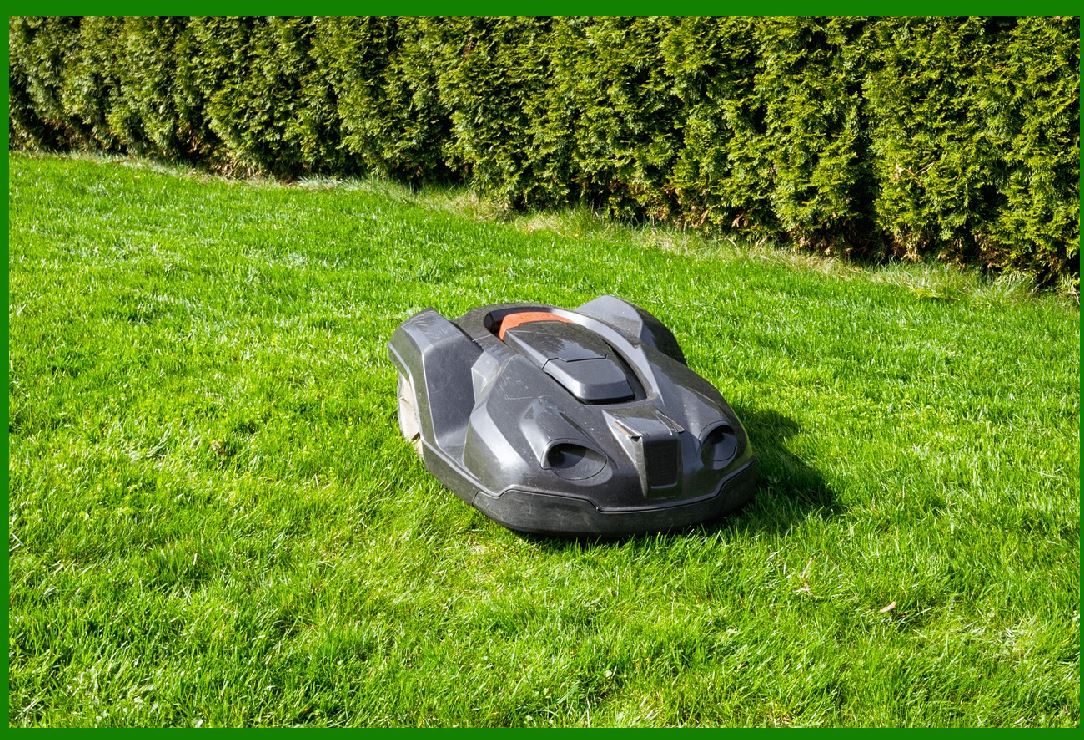
Lawn mowing robots have emerged as one of the most significant advancements in home automation, providing homeowners with a convenient, efficient, and reliable solution for maintaining their lawns. These robots function in much the same way as vacuuming robots, such as the popular Roomba, but are designed specifically for outdoor environments and tasks. Among the leading models on the market, the Husqvarna Automower stands out due to its advanced features, proven reliability, and ease of use. |
At their core, lawn mowing robots are autonomous devices that cut grass without human intervention. They operate based on pre-programmed settings, sensors, and algorithms that allow them to navigate the lawn, avoid obstacles, and return to their charging stations when needed. This detailed breakdown will explore the various components, capabilities, installation processes, and practical benefits of lawn mowing robots. |
|
2. Key Features and Functions |
Lawn mowing robots are designed to simplify the process of lawn care. These machines are equipped with a range of features that enable them to efficiently mow lawns of varying sizes and complexity. |
2.1 Autonomous Operation |
The hallmark feature of lawn mowing robots is their ability to operate autonomously. Using a combination of sensors, cameras, and software algorithms, these robots are programmed to mow the lawn in a systematic pattern, ensuring even coverage of the entire area. They are also capable of adjusting their mowing paths to ensure they navigate obstacles such as trees, garden furniture, and flower beds without causing damage. |
2.2 Obstacle Detection and Avoidance |
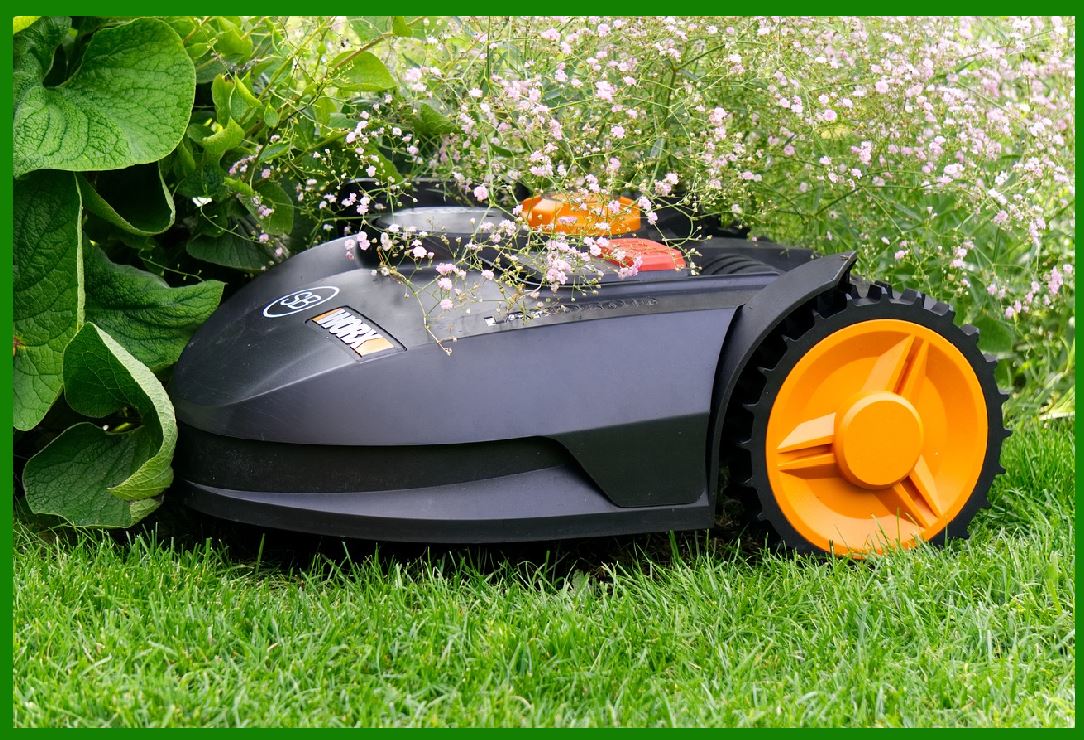
Lawn mowing robots are equipped with multiple sensors that allow them to detect and avoid obstacles in their path. This includes ultrasonic sensors, bump sensors, and, in some cases, cameras. These sensors enable the robot to change direction when it encounters an object, ensuring that the robot does not run into anything or become stuck. The detection system is essential for both the safety of the robot and the preservation of the garden's aesthetic appeal. |
2.3 Boundary Setting |
Lawn mowers like the Husqvarna Automower work by creating a virtual boundary that confines them to the mowing area. This boundary is typically established using a thin wire, known as a perimeter wire, which is laid around the edges of the lawn. The robot uses this wire to detect the boundaries of the mowing area, ensuring that it does not venture beyond the predefined limits. Some models also offer GPS-based solutions, which can make this process even more accurate and efficient. |
2.4 Weather Adaptation |
Modern lawn mowing robots come equipped with weather sensors that allow them to operate efficiently even in changing weather conditions. Many models can detect when it starts raining and will either halt operation until the weather clears or continue working if they are waterproof. This weather adaptation feature ensures that the robot does not suffer damage from exposure to the elements and that the lawn care process remains uninterrupted. |
2.5 Smart Scheduling |
Lawn mowing robots typically offer a smart scheduling system that enables users to customize when the robot mows the lawn. Through a mobile app or the robot's control panel, homeowners can set specific times for the robot to operate. For example, you can set it to mow the lawn early in the morning while you're still asleep or in the late afternoon when you're at work. This scheduling feature ensures that the robot works at convenient times, without disturbing your daily routine. |
2.6 Charging and Docking |
Lawn mowing robots are powered by rechargeable batteries, and when their battery level runs low, they automatically return to their charging stations. These docking stations are strategically placed within the lawn area to allow the robot to find its way back easily. The autonomous charging process ensures that the robot is always ready for the next session and eliminates the need for manual intervention in terms of charging. |
|
3. Components of a Lawn Mowing Robot |
Lawn mowing robots are made up of several sophisticated components that enable them to function autonomously and effectively. These include the mechanical parts, sensors, and software systems that work in concert to provide a seamless lawn mowing experience. |
3.1 Mechanical Structure |
The physical design of a lawn mowing robot is engineered for efficiency and durability. These robots typically feature a compact, low-profile structure that allows them to navigate narrow spaces and easily maneuver around obstacles. The main components of the robot's mechanical structure include: |
Mowing Blades: These are sharp, rotating blades responsible for cutting the grass. Depending on the model, the robot may use two or three blades to achieve a clean and even cut. Some models use a scissor-like cutting mechanism, which helps preserve the grass by trimming it rather than tearing it. |
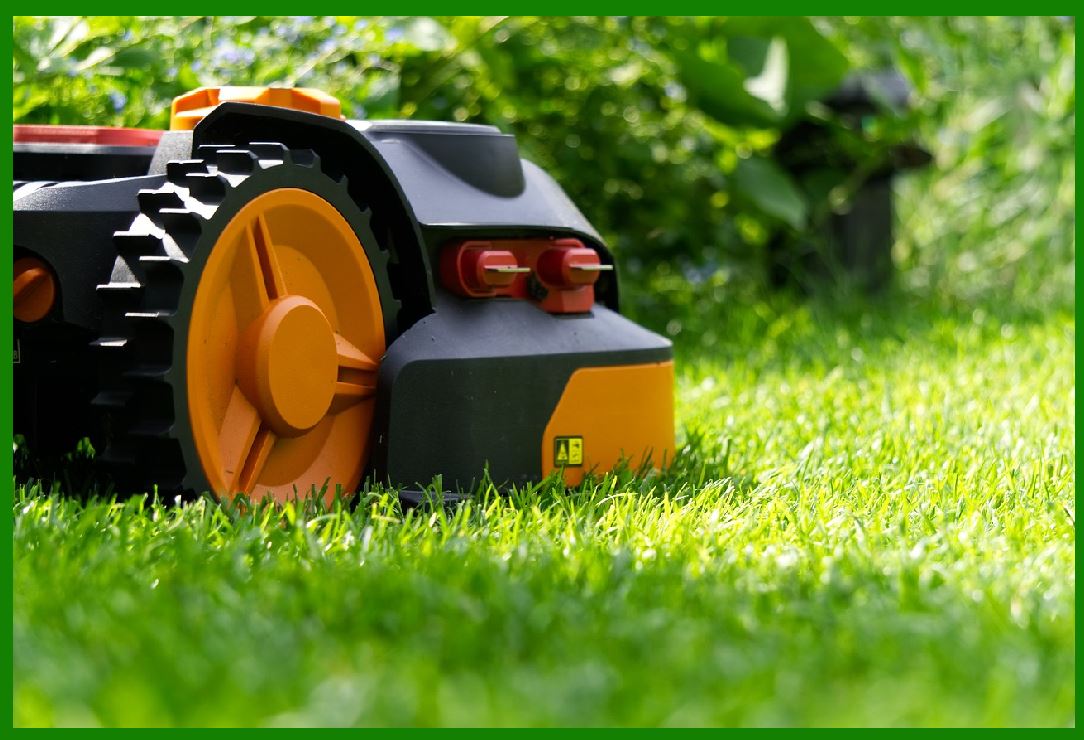
Wheels and Motors: The wheels are powered by electric motors, and they provide the robot with the ability to move around the lawn. These motors are typically brushless, which ensures longer durability and efficiency. The wheels may be large and rubberized to ensure good traction on grass and other surfaces. |
Frame and Body: The frame is typically made from durable materials like plastic or metal to withstand the outdoor conditions, including rain, moisture, and impacts from obstacles. The body of the robot is designed to be resistant to corrosion and weathering, ensuring long-term durability. |
3.2 Sensors and Navigation Systems |
The sensors play a critical role in the robot's operation, providing the machine with real-time data about its surroundings. Some key sensors include: |
Ultrasonic Sensors: These sensors help the robot detect obstacles and avoid collisions. They emit sound waves and measure the time it takes for the waves to bounce back from objects, providing information on the distance between the robot and obstacles. |
Bump Sensors: These are mechanical sensors that detect when the robot physically contacts an obstacle. When this happens, the robot immediately adjusts its path. |
Gyroscope and Accelerometer: These sensors help the robot maintain balance and orientation, allowing it to navigate slopes and uneven ground effectively. |
Perimeter Wire/Boundary Wire: A thin wire is often buried around the edges of the lawn to create a virtual boundary. The robot can detect this wire, which serves as a physical barrier, ensuring that the robot doesn't venture into areas it shouldn't be. |
3.3 Software and Algorithms |
The software is arguably the brain of the lawn mowing robot. It is responsible for processing sensor data, determining the robot's path, and making real-time decisions about its movement and mowing patterns. Many lawn mowing robots now come with integrated AI algorithms that help them optimize their operation over time, learning the layout of the lawn and adjusting the mowing schedule based on seasonal growth patterns. |
The software typically includes: |
Navigation Algorithms: These algorithms help the robot navigate the lawn in a systematic pattern, ensuring even coverage of the entire area. |
Collision Avoidance Algorithms: These ensure that the robot can safely avoid obstacles by adjusting its path and speed when necessary. |
Battery Management Algorithms: These algorithms monitor the battery level and ensure the robot returns to the charging station when needed, optimizing battery life and minimizing downtime. |
3.4 Charging and Power Management |
Most lawn mowing robots operate on rechargeable lithium-ion batteries. These batteries provide the necessary power to the robot's motors, sensors, and blades. The robot will return to its docking station when its battery is low, where it recharges automatically. The docking station itself is typically connected to a power supply and is often equipped with a guide mechanism that helps the robot align itself properly for charging. |
Battery life varies by model but typically ranges from one to two hours of operation per charge, with the robot automatically returning to the base for recharging as needed. Advanced models may also incorporate energy-saving features that optimize power consumption and extend battery life. |
|
4. Installation and Setup |
Installing a lawn mowing robot involves setting up the perimeter wire and configuring the robot's software settings. The process typically involves the following steps: |
4.1 Laying the Perimeter Wire |
To define the boundaries of the mowing area, the user must lay down the perimeter wire around the edge of the lawn. This wire is usually thin and can be buried just below the soil surface or laid on top of the ground. The perimeter wire can also be used to define areas that the robot should avoid, such as flower beds, ponds, or other obstacles. |
4.2 Setting Up the Charging Station |
The charging station must be placed in a clear area with easy access for the robot. It should be within range of the perimeter wire and connected to a power source. Some models may offer docking stations with additional features, such as weatherproofing or enhanced sensors for easier navigation. |
4.3 Configuring the Software |
Once the hardware is set up, users can configure the robot's software using a mobile app or control panel. The software allows homeowners to set mowing schedules, adjust the cutting height, and activate specific modes (such as eco-mode for energy efficiency). Many models now support smartphone apps that allow users to control the robot remotely, even when they are away from home. |
4.4 Testing the System |
After installation and configuration, it is essential to run a test cycle to ensure that the robot operates correctly within the defined area. This test helps verify that the perimeter wire is properly installed and that the robot can navigate the lawn without issues. |
|
5. Advantages of Lawn Mowing Robots |
The adoption of lawn mowing robots offers numerous advantages for homeowners seeking a hassle-free solution for lawn care. Some of the key benefits include: |
5.1 Time Savings |
Lawn mowing robots can save homeowners a significant amount of time. Instead of spending hours each week pushing a traditional lawn mower around, the robot takes care of the task autonomously. This allows the homeowner to focus on other activities or simply relax while the robot does the work. |
5.2 Consistent Lawn Care |
Because lawn mowing robots operate on a regular schedule, they ensure that the lawn is consistently mowed. Regular mowing promotes healthy grass growth and helps maintain a neat appearance. This consistency also reduces the risk of uneven growth or overgrown areas that may be difficult to mow manually. |
5.3 Reduced Noise Pollution |
Lawn mowing robots are typically much quieter than traditional gas-powered mowers. This makes them ideal for use in residential areas where noise pollution is a concern. The quiet operation ensures that homeowners can enjoy a peaceful environment while the robot does its work in the background. |
5.4 Improved Lawn Health |
Lawn mowing robots often use a mulching technique, where the clippings are finely chopped and left on the lawn. This natural fertilization process helps improve the overall health of the grass. Additionally, because the robot is designed to mow regularly, it ensures that the grass is kept at an optimal height, promoting better growth and appearance. |
|
6. Challenges and Limitations |
While lawn mowing robots offer numerous benefits, they also come with some challenges and limitations that homeowners should consider. |
6.1 Initial Cost |
Lawn mowing robots can be relatively expensive compared to traditional mowers. The initial purchase price, as well as the cost of installation and maintenance, may deter some homeowners from adopting the technology. However, many users find that the time saved and the convenience offered by the robot justifies the investment. |
6.2 Maintenance |
Although lawn mowing robots require minimal maintenance, they do need regular care to ensure their longevity. This includes cleaning the blades, checking the sensors, and ensuring that the perimeter wire remains intact. Over time, the battery may need replacement, and certain parts of the robot may need repairs or replacements. |
6.3 Limited Capability on Complex Terrain |
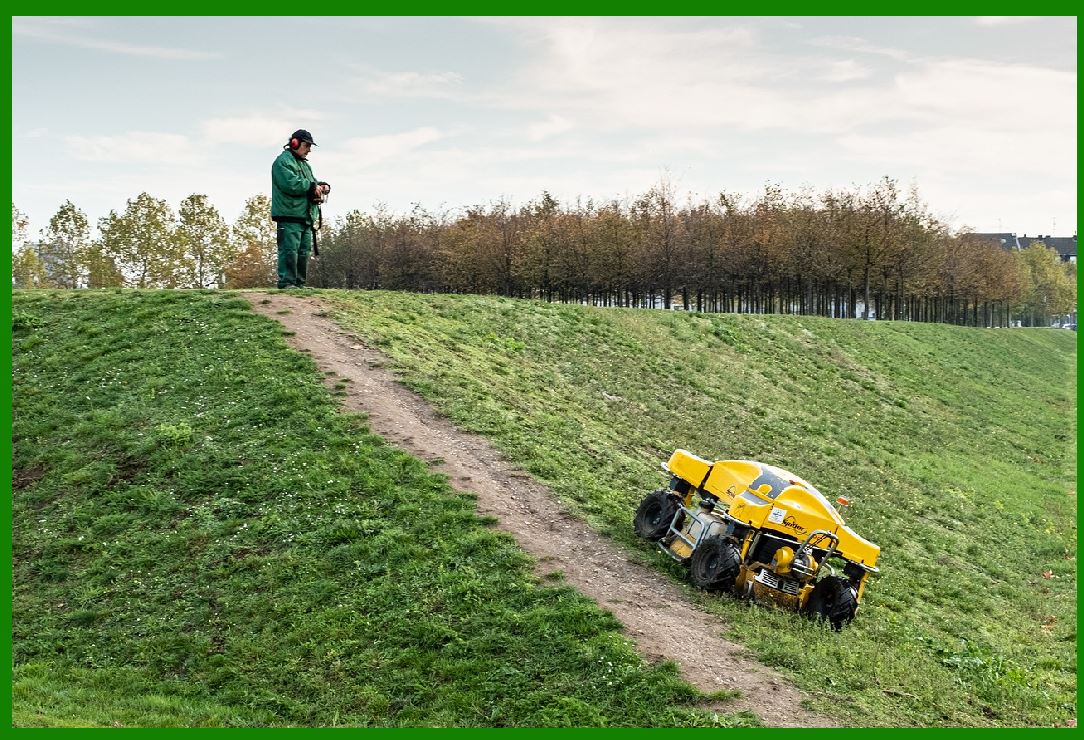
While many lawn mowing robots can handle gentle slopes and uneven ground, they may struggle with more challenging terrain, such as steep hills or dense, overgrown areas. Homeowners with particularly difficult lawns may need to assess whether a robot is suitable for their needs. |
|
7. Conclusion |
Lawn mowing robots like the Husqvarna Automower represent a major leap forward in the field of home automation and lawn care. These robots offer a convenient, efficient, and eco-friendly way to maintain lawns without the need for constant human intervention. By incorporating advanced sensors, autonomous navigation, and smart scheduling systems, they make lawn care simpler and more accessible than ever before. While they may come with a significant upfront cost, the benefits they provide in terms of time savings, consistent lawn care, and improved lawn health are undeniable, making them a valuable investment for many homeowners. |
|
Examples of practical applications of this type of robot. |
Lawn mowing robots, like the Husqvarna Automower and others, are revolutionizing the way homeowners and businesses approach lawn care. While primarily designed for residential use, these robots have a range of practical applications that go beyond just private homes. Below are several examples of how lawn mowing robots can be used effectively in various settings: |
1. Residential Use (Single-Family Homes) |
The most common application of lawn mowing robots is for homeowners who want a low-maintenance, convenient solution to keep their lawns well-maintained. |
Convenience: Homeowners with large lawns, especially those with busy schedules, find lawn mowing robots particularly useful. The robot can mow the lawn on a regular basis without the homeowner needing to spend time or effort. It can operate during times when the owner is at work or sleeping, ensuring a neat lawn without any disruption. |
Consistency: These robots provide consistent mowing, which is especially beneficial for maintaining an even lawn height. Regular mowing ensures that the grass stays healthy and grows evenly, avoiding the problems of overgrown patches or uneven mowing caused by human error. |
Time Savings: Homeowners can save a significant amount of time by using a lawn mowing robot. Instead of spending hours mowing the lawn, the robot can take care of the task autonomously, allowing the homeowner to focus on other activities, such as gardening, reading, or spending time with family. |

|
2. Small and Medium-Sized Businesses |
Lawn mowing robots are increasingly being adopted by small and medium-sized businesses, particularly those with landscaping needs. |
Offices and Corporate Campuses: Many businesses with large office campuses or corporate parks have large lawns and gardens. Using a robotic mower to maintain the grass can help reduce labor costs, improve efficiency, and ensure a tidy appearance without requiring a landscaping crew to mow regularly. |
Hotels and Resorts: Hotels, resorts, and other hospitality businesses that feature expansive lawns, gardens, and golf courses can use lawn mowing robots to keep their grounds looking pristine. They can operate autonomously during off-hours, maintaining the grounds without disturbing guests or requiring staff involvement. |
Retail Properties: Shopping centers, strip malls, and retail outlets with large parking lots or grassy areas can benefit from the regular, automated care provided by a lawn mowing robot. This allows businesses to maintain the aesthetics of their exterior spaces without relying on a dedicated team of groundskeepers or landscapers. |

|
3. Golf Courses |
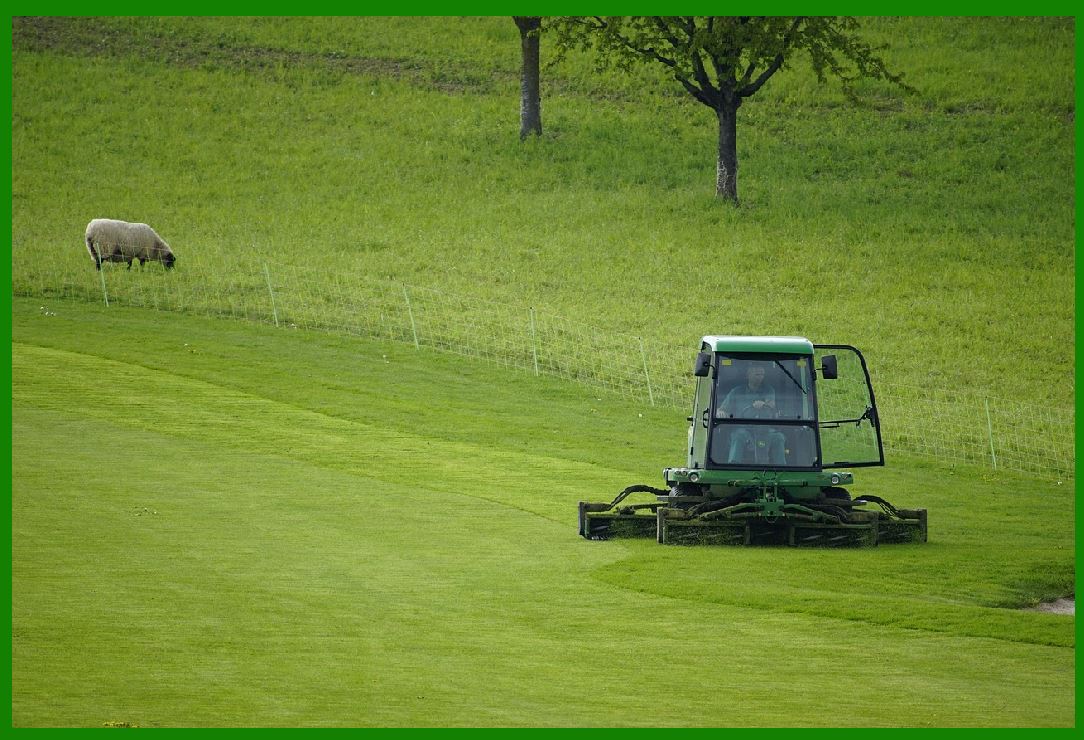
Golf courses are some of the most intensive environments for lawn maintenance, requiring regular care to ensure the turf is in perfect condition. While traditional lawn mowers are often used for fairways and roughs, robotic mowers are being used in several areas: |
Greens and Tees: Golf courses are using robotic mowers for precision cutting of greens and tees. These areas require meticulous care, and robotic mowers can operate with great precision, maintaining the exact height and appearance of the grass with minimal human intervention. |
Off-the-Course Areas: Many golf courses also have sprawling landscapes around their clubhouses, parking lots, and pathways. Robotic mowers can be used in these spaces, saving staff time and reducing maintenance costs. |
Sustainability: As many golf courses seek to become more environmentally conscious, robotic mowers provide a solution that minimizes the use of gas-powered mowers, reducing emissions and noise pollution. These robots are often powered by batteries and require less energy to operate. |

|
4. Public Parks and Recreational Areas |
Public parks and recreational areas require regular lawn mowing to keep them safe and aesthetically pleasing for visitors. Lawn mowing robots are an ideal solution for such large, open spaces. |
Autonomous Operation: In larger parks or municipal green spaces, robotic mowers can be set to work during off-peak hours, ensuring the area remains well-maintained without human interference. They can mow around picnic areas, walking paths, playgrounds, and sports fields without requiring manual labor. |
Energy Efficiency: Many municipalities are focusing on sustainability, and robotic mowers align with these efforts. They use far less fuel than traditional mowers and produce less noise, creating a quieter and more pleasant environment for visitors. These robots can run on electric power, reducing the carbon footprint of the park's maintenance operations. |
Cost Reduction: Public parks often have limited budgets for maintenance, and using robots can cut down on labor costs associated with lawn care. Municipalities can reallocate funds to other areas, such as playground safety or community events, while still ensuring that the grounds remain in top condition. |

|
5. Schools and Universities |
Educational institutions, particularly those with large campuses, can benefit from the automation of lawn care with robotic mowers. |
Campus Grounds Maintenance: Many universities, colleges, and large schools feature extensive lawns and green spaces. Robotic lawn mowers can be used to maintain these areas without the need for dedicated groundskeepers or complex mowing schedules. This is especially useful for schools that want to keep their campuses looking tidy without disrupting academic schedules. |
Labor Efficiency: For educational institutions that operate on tight budgets, robotic mowers can help cut down on the costs of hiring seasonal or full-time maintenance workers. The robots operate autonomously, allowing the staff to focus on more complex landscaping tasks. |
Sustainability Goals: As with public parks, many educational institutions are prioritizing sustainability. The use of electric-powered robotic mowers reduces emissions and noise pollution, aligning with the environmental goals of these institutions. It also promotes eco-friendly practices to students and the local community. |
|
6. Healthcare Facilities |
Hospitals, senior living communities, and other healthcare facilities often have large lawns or garden areas that require regular maintenance. Lawn mowing robots can play a role in keeping these spaces safe and aesthetically pleasing while also offering several key benefits. |
Minimizing Disruption: Healthcare facilities, particularly hospitals and nursing homes, have 24/7 operations. Traditional lawn mowers can cause disruption, especially in sensitive areas like patios or quiet zones. Robotic mowers can operate during off-hours with minimal noise, ensuring the lawn is kept well-maintained without disturbing patients or visitors. |
Reducing Labor Costs: In healthcare facilities, where labor costs can be high, robotic lawn mowers reduce the need for large teams of landscapers, freeing up resources for other aspects of facility management. |
Eco-Friendly Care: Many healthcare facilities are also focusing on reducing their environmental impact, and robotic mowers, powered by batteries rather than gas, align with these green initiatives. They can also be equipped with mulching capabilities, providing natural fertilization to the lawn. |

|
7. Vacation Homes and Resorts |
Lawn mowing robots are particularly useful for vacation homes and resorts, where property owners or managers may not be on-site regularly but still want to maintain the property. |
Remote Operation: For vacation homes, robotic mowers can be controlled remotely using apps or home automation systems. This allows property owners to ensure that the lawn is always well-maintained even when they are not present. |
Improved Guest Experience: In resorts and vacation destinations, maintaining lush, manicured lawns can be part of the overall guest experience. Lawn mowing robots can help maintain these spaces without disturbing the guests, ensuring the property looks pristine at all times. |
Energy-Efficient and Quiet: Resorts that are focused on creating a peaceful and serene environment for their guests can benefit from the quiet, energy-efficient operation of robotic mowers. These robots create little noise, which is ideal for outdoor relaxation areas or spaces where tranquility is essential. |

|
8. Cemeteries and Memorial Parks |
Cemeteries and memorial parks often have expansive grounds that require regular maintenance. Lawn mowing robots provide an efficient solution for maintaining these spaces, where the upkeep of the grounds is critical for maintaining a respectful environment. |
Consistent and Quiet Operation: Lawn mowing robots can operate quietly and consistently, ensuring that the grounds remain well-kept without disturbing visitors or families who may be mourning. |
Automated Maintenance: Robotic mowers can handle regular mowing tasks autonomously, ensuring that the cemetery remains properly maintained without requiring large teams of landscapers. This reduces labor costs and provides a more consistent standard of care. |
Time Efficiency: For cemetery operators or memorial park managers, robotic mowers allow more time for other critical tasks, such as managing the grounds, assisting visitors, or handling maintenance of monuments and pathways. |

|
Conclusion |
Lawn mowing robots are transforming the landscape maintenance industry by providing a cost-effective, time-saving, and eco-friendly alternative to traditional lawn care. Their practical applications range from residential use in suburban homes to larger-scale commercial and institutional settings such as golf courses, public parks, universities, and healthcare facilities. By automating the process of lawn mowing, these robots offer consistent, reliable, and energy-efficient maintenance that helps reduce labor costs, minimize noise, and improve overall lawn health, making them a versatile and valuable tool in a variety of environments. |
 cs@easiersoft.com