1. Introduction to Logistics Robots |
Logistics robots represent a transformative force in the modern logistics and supply chain industries. These robots are designed to automate and streamline processes within warehouses, distribution centers, retail environments, and similar facilities where inventory management, goods transportation, and packaging are essential tasks. The integration of robotics into logistics operations helps businesses reduce costs, improve operational efficiency, and meet the growing demands for faster, more accurate service in an increasingly competitive market. |
Logistics robots are equipped with advanced technologies, including artificial intelligence (AI), machine learning, sensors, and advanced actuators, which allow them to navigate complex environments, handle a variety of tasks, and work safely alongside human workers. This detailed exploration of logistics robots will delve into the different types of robots used, their key features, benefits, challenges, and future trends in the industry. |
|
2. Types of Logistics Robots |
There are several types of robots used in logistics operations, each suited to specific tasks and environments. Some of the most commonly used logistics robots include Automated Guided Vehicles (AGVs), Autonomous Mobile Robots (AMRs), robotic arms, sorting robots, and drones. |
2.1 Automated Guided Vehicles (AGVs) |
AGVs are mobile robots designed to follow predetermined paths or tracks within a warehouse or distribution center. They typically operate on fixed routes, using magnetic strips, sensors, or other forms of guidance technology to navigate. AGVs are primarily used to transport goods between different sections of a warehouse, such as moving raw materials to assembly lines or taking finished products to shipping areas. Their ability to follow a specific path reduces the need for human intervention and allows for continuous, uninterrupted operation. |
2.2 Autonomous Mobile Robots (AMRs) |
Unlike AGVs, AMRs do not require fixed paths to navigate. Instead, they rely on sensors, cameras, LIDAR (Light Detection and Ranging), and other technologies to perceive their surroundings and make real-time decisions about how to navigate the environment. AMRs can dynamically reroute themselves to avoid obstacles and adapt to changes in the layout of a warehouse or distribution center. They are highly flexible and can be used in a wide variety of tasks, including order picking, sorting, and delivery. |
2.3 Robotic Arms |
Robotic arms are stationary robots equipped with versatile manipulators that can perform a variety of tasks such as picking, packing, sorting, and even assembling products. They are often used in combination with other logistics robots to automate processes such as packaging or order fulfillment. Robotic arms are particularly useful for handling repetitive tasks and can operate with precision and speed far exceeding human capability. These robots can be integrated into automated production lines, working in concert with other machinery and software systems to optimize workflows. |
2.4 Sorting Robots |
Sorting robots are specifically designed to automate the sorting process in warehouses and distribution centers. These robots use computer vision, machine learning, and other technologies to identify, classify, and sort items based on specific criteria, such as size, shape, or destination. Sorting robots are commonly used in e-commerce fulfillment centers, where they can quickly and accurately sort products for shipment. These robots can handle a wide variety of items, including packages, pallets, and even perishable goods. |
2.5 Drones |
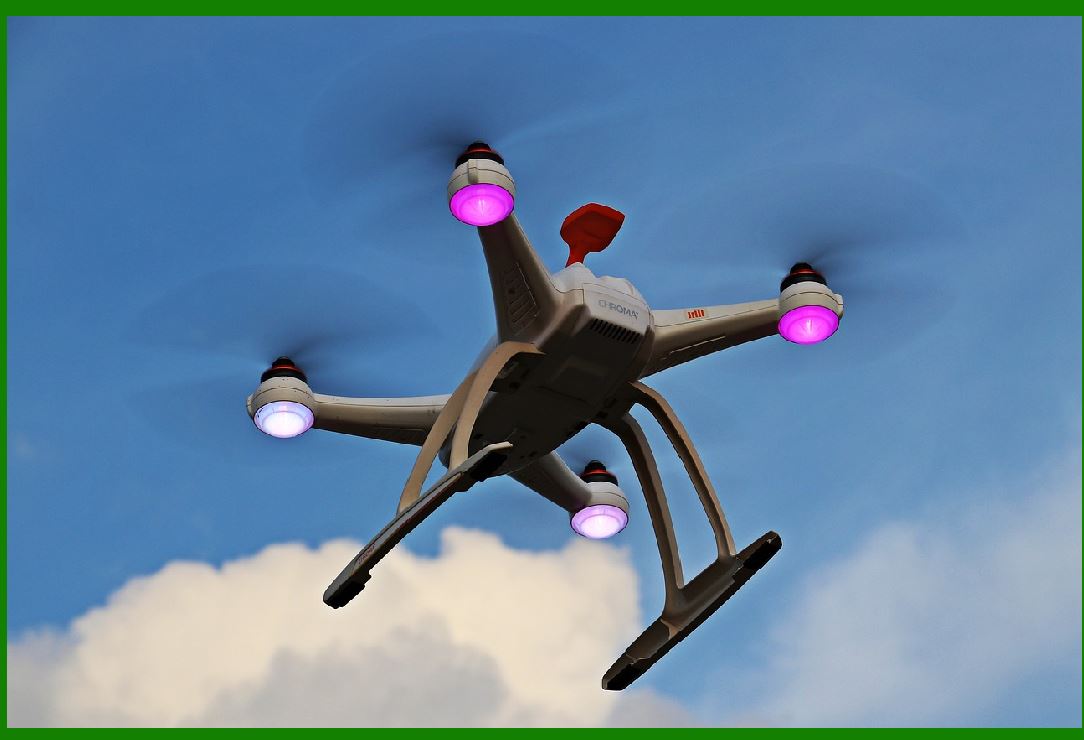
Drones are increasingly being used in logistics for inventory management and delivery. In warehouses, drones equipped with RFID or barcode scanning technology can quickly and accurately track inventory, reducing the need for manual stocktaking. Drones are also being explored for last-mile delivery, where they can transport packages directly to customers' doorsteps. While drone delivery is still in its infancy, the technology shows great potential for reducing delivery times and costs, particularly in urban environments. |

|
3. Key Features of Logistics Robots |
The success of logistics robots in optimizing supply chain processes is largely due to their advanced features and capabilities. These robots are designed with specific attributes that allow them to work efficiently, safely, and autonomously. |
3.1 Autonomous Navigation and Mobility |
One of the most important features of logistics robots is their ability to move autonomously through complex environments. AGVs and AMRs use a combination of sensors, cameras, LIDAR, and artificial intelligence to navigate obstacles, detect hazards, and plan their movements. This allows them to operate safely alongside human workers without the need for physical barriers or complex infrastructure modifications. Additionally, autonomous navigation enables robots to perform tasks without direct human oversight, increasing operational efficiency and reducing the risk of human error. |
3.2 Precision and Accuracy |
Logistics robots are designed to perform tasks with a high degree of precision and accuracy. Robotic arms, for example, can pick and place objects with exacting accuracy, ensuring that items are handled carefully and efficiently. Sorting robots use computer vision systems to identify and categorize items, and AMRs can deliver products to specific locations within a warehouse without error. These capabilities help ensure that logistics operations run smoothly and that products are not misplaced or damaged. |
3.3 Integration with Warehouse Management Systems (WMS) |
Logistics robots are often integrated with Warehouse Management Systems (WMS), which are software platforms that track inventory, manage orders, and optimize warehouse layouts. By integrating with WMS, logistics robots can automatically receive tasks, report status updates, and adjust their operations based on real-time data. This integration helps to streamline processes and ensures that robots are always operating with up-to-date information about inventory levels, order priorities, and shipping requirements. |
3.4 Safety Features |
Safety is a critical consideration in the design of logistics robots. These robots are equipped with advanced sensors and safety protocols to prevent accidents and injuries in busy warehouse environments. Many robots are equipped with collision avoidance systems, which allow them to detect and avoid obstacles in their path. Additionally, robots can be programmed with 'safe zones' where they can slow down or stop if they detect the presence of humans or other hazards. Some logistics robots also feature emergency stop buttons and other manual overrides to ensure safety in case of malfunction. |
3.5 Adaptability and Flexibility |
The ability to adapt to changing environments and tasks is another key feature of logistics robots. AMRs, in particular, are highly flexible and can navigate dynamic environments without requiring fixed tracks or predefined routes. This adaptability allows them to work in warehouses with changing layouts, making them ideal for environments where inventory levels fluctuate or where operations change frequently. Additionally, robots such as robotic arms can be reprogrammed to handle a wide variety of tasks, increasing their utility and lifespan. |

|
4. Benefits of Logistics Robots |
The deployment of logistics robots provides numerous benefits to businesses operating in the supply chain and logistics sectors. These benefits include cost savings, increased efficiency, improved accuracy, and better employee satisfaction. |
4.1 Cost Reduction |
One of the primary motivations for adopting logistics robots is the potential for significant cost savings. By automating repetitive and labor-intensive tasks such as inventory management, order picking, and sorting, businesses can reduce the need for human labor in certain areas. This leads to lower labor costs and the ability to reallocate human workers to higher-value tasks that require decision-making and creativity. Additionally, logistics robots can operate around the clock, reducing downtime and improving throughput. |
4.2 Increased Operational Efficiency |
Logistics robots contribute to increased operational efficiency by performing tasks more quickly and accurately than humans. For example, AMRs can transport goods across large warehouses much faster than human workers walking or using manual carts. Robotic arms can pack and sort items with a high level of speed and precision, reducing the time spent on these tasks. By automating critical processes, businesses can achieve faster cycle times, quicker order fulfillment, and more efficient use of warehouse space. |
4.3 Improved Accuracy and Reduced Errors |
The precision and reliability of logistics robots help reduce human error in tasks such as inventory management, order picking, and packaging. With advanced sensors and computer vision, robots can accurately identify and track items, ensuring that the right products are picked and packed for shipment. By reducing errors, businesses can minimize costly returns, avoid stockouts, and improve customer satisfaction. |
4.4 Enhancing Worker Safety and Satisfaction |
Logistics robots can also improve worker safety by handling dangerous or physically demanding tasks. For example, robots can transport heavy items, reducing the risk of injury to human workers. Additionally, robots can operate in environments that may be hazardous to humans, such as extreme temperatures or locations with limited visibility. By offloading mundane and physically strenuous tasks to robots, workers can focus on more engaging and higher-value roles, which can increase job satisfaction and reduce turnover rates. |

|
5. Challenges of Logistics Robots |
Despite their many advantages, logistics robots also face several challenges that must be addressed to fully realize their potential in the logistics sector. |
5.1 High Initial Investment |
One of the primary barriers to the widespread adoption of logistics robots is the high upfront cost of purchasing and implementing these systems. The initial investment for robots, software, and infrastructure can be substantial, which may deter some businesses from adopting the technology. However, as the technology advances and economies of scale are realized, the cost of logistics robots is expected to decrease, making them more accessible to smaller businesses. |
5.2 Integration with Existing Systems |
Integrating logistics robots into existing warehouse operations can be complex. Many warehouses and distribution centers rely on legacy systems, which may not be compatible with newer robotic technologies. To fully benefit from robotics, businesses must invest in upgrading their infrastructure and systems, such as Warehouse Management Systems (WMS) and IT infrastructure. This integration process can be time-consuming and costly, and it requires careful planning and coordination to avoid disruptions to operations. |
5.3 Technical Limitations and Reliability |
While logistics robots have advanced significantly in recent years, they are still subject to technical limitations. For example, sensors can be obstructed by dirt or debris, which may cause robots to malfunction or fail to detect obstacles. In addition, robots may struggle to adapt to highly dynamic or unpredictable environments, such as warehouses with constantly changing layouts or varying inventory levels. Reliability is a key consideration, and businesses must have contingency plans in place in case of technical failures. |
5.4 Workforce Displacement Concerns |
The introduction of logistics robots raises concerns about the displacement of human workers, particularly in lower-skilled roles. While robots can improve efficiency and reduce the need for certain tasks, it is important to address the impact on the workforce. Workers whose jobs are replaced by robots may need to be retrained for new roles in higher-value tasks, such as programming, maintenance, or oversight of robotic systems. The transition to automation should be managed carefully to avoid social and economic disruptions. |

|
6. Future Trends in Logistics Robots |
The future of logistics robots looks promising, with advancements in technology and increased adoption expected to drive further innovation in the industry. Some key trends include: |
6.1 Increased Use of AI and Machine Learning |
AI and machine learning are expected to play a larger role in the operation of logistics robots. These technologies will enable robots to become even more autonomous, adaptable, and intelligent, improving their ability to handle complex tasks and navigate dynamic environments. Machine learning algorithms will allow robots to learn from experience, improving their performance over time and enabling them to handle new tasks without explicit programming. |
6.2 Enhanced Collaboration Between Humans and Robots |
As robots become more advanced, the future of logistics will likely see greater collaboration between humans and robots. Robots will take on routine, dangerous, or physically demanding tasks, while humans will focus on higher-level decision-making, problem-solving, and oversight. This collaborative approach can lead to a more efficient and harmonious work environment, where both robots and humans complement each other's strengths. |
6.3 Expansion into Last-Mile Delivery |
The development of drone technology and other autonomous delivery systems is expected to revolutionize last-mile delivery, where robots will deliver goods directly to customers' doorsteps. This trend is particularly relevant in urban areas, where traffic congestion and delivery delays are common. Drones and other small robots could help reduce delivery times, cut costs, and improve the customer experience. |
6.4 Greater Integration with IoT |
The Internet of Things (IoT) will further enhance the capabilities of logistics robots by enabling better connectivity and data sharing. Robots will be able to communicate in real time with other devices and systems, such as sensors, inventory management systems, and external logistics partners. This increased connectivity will help optimize the flow of goods and enable real-time decision-making, making supply chains more responsive and agile. |

|
7. Conclusion |
Logistics robots are poised to play a pivotal role in the future of warehousing, distribution, and retail logistics. Their ability to automate a wide range of tasks, improve accuracy, increase efficiency, and reduce costs makes them invaluable assets for businesses seeking to stay competitive in an increasingly demanding market. As technology continues to evolve, logistics robots will become even more intelligent, flexible, and integrated into broader supply chain networks, driving further advancements in the field. |
However, to fully realize the benefits of logistics robots, businesses must address the challenges of high upfront costs, integration complexities, technical limitations, and workforce displacement. With careful planning and strategic investment, logistics robots can help businesses optimize their operations, enhance customer satisfaction, and build more resilient supply chains. |

|
Practical Applications of Logistics Robots |
Logistics robots are widely used across various industries to streamline and automate tasks that traditionally require manual labor. These robots are employed in warehousing, distribution centers, retail environments, and even for last-mile delivery. Below are some notable practical applications of logistics robots: |
1. Automated Inventory Management |
Example: Amazon Fulfillment Centers Amazon has been using robots extensively in its fulfillment centers to automate the process of inventory management. Their robots, like the Kiva robots (now known as Amazon Robotics), are used to move shelves stocked with products across large warehouses. These robots transport the shelves to human pickers who retrieve items for customer orders. This drastically reduces the time spent walking around the warehouse to find products, increasing overall picking efficiency. |
Additionally, Amazon uses drones and autonomous robots equipped with RFID and barcode scanning technology to conduct real-time inventory checks. This helps maintain accurate stock levels and minimizes human error. Drones are particularly useful in large warehouses, where they can scan inventory from above, making the process faster and more accurate compared to manual stocktaking. |

|
2. Order Picking and Sorting |
Example: Ocado's Automated Warehouses Ocado, a British online supermarket, has integrated highly advanced robotics into its order picking and sorting process within its automated warehouses. The company utilizes robotic arms to pick items from shelves and place them into totes for shipment. The robotic arms are designed with computer vision systems that allow them to identify items by size and shape, and handle them delicately to prevent damage. |
In addition to robotic arms, Ocado uses a fleet of Automated Guided Vehicles (AGVs) to move items around the warehouse. These AGVs are responsible for transporting products between different sections of the warehouse and deliver them to the packing stations. Once products are sorted, they are prepared for delivery to customers. This end-to-end automation ensures fast, accurate, and efficient order fulfillment. |

|
3. Autonomous Mobile Robots for Goods Transport |
Example: Walmart's Use of Robots for In-Store Stock Replenishment Walmart employs robots for in-store stock replenishment and inventory management. Autonomous mobile robots (AMRs) are deployed to navigate store aisles, restocking shelves, and delivering products from the backroom to the front. These robots use sensors and cameras to map the store, identify where items need to be stocked, and transport them accordingly. |
The robots also assist in collecting inventory data, ensuring that stock levels are updated in real-time. This reduces the reliance on store employees for these repetitive tasks, allowing workers to focus on customer service and other higher-value activities. By utilizing AMRs, Walmart can improve in-store efficiency, reduce labor costs, and enhance the overall customer shopping experience. |

|
4. Robotic Arms for Packaging and Palletizing |
Example: DHL's Robotics-Enabled Fulfillment Centers DHL, a global logistics provider, has integrated robotic arms for packaging and palletizing operations in its fulfillment centers. These robots are capable of picking items from conveyor belts, packing them into boxes, and then stacking the boxes onto pallets for shipment. By automating these labor-intensive tasks, DHL has been able to speed up its order fulfillment processes while reducing human error and injury risks. |
For instance, DHL's robotic arms can precisely arrange boxes on pallets, optimizing space and ensuring that each shipment is organized efficiently for transportation. This automation improves warehouse throughput and helps DHL meet tight delivery timelines. |

|
5. Automated Sorting Systems |
Example: FedEx's Smart Sorting Systems FedEx has implemented automated sorting robots in its distribution centers to streamline the process of sorting parcels based on their destination. The robots are equipped with sensors, cameras, and machine learning algorithms to identify parcels, categorize them, and direct them to the correct shipping lanes. |
FedEx's sorting robots can handle a wide variety of package sizes and types, increasing the speed and accuracy of sorting. They can also dynamically adjust to changes in parcel volume, making them highly adaptable to fluctuating demand. These robots are integral to ensuring that packages are delivered to the correct destinations quickly and without error. |

|
6. Last-Mile Delivery Using Drones and Autonomous Vehicles |
Example: UPS's Drone Delivery for Healthcare UPS has been exploring drone delivery for medical supplies and healthcare products. In a pilot program, UPS uses drones to deliver prescriptions and medical supplies to remote or hard-to-reach areas. The drones are able to navigate autonomously, avoiding obstacles and navigating predetermined routes to drop off packages at designated locations. |
This application is particularly useful for delivering urgent medical supplies, such as blood and vaccines, where timely delivery is critical. Drones can bypass traffic, reducing delivery times and costs while improving access to healthcare services in underserved regions. |
Another example is Starship Technologies, which operates autonomous delivery robots for food and small packages. These small, wheeled robots navigate sidewalks and deliver goods to customers in urban areas, further reducing the reliance on traditional delivery vehicles. |

|
7. Automated Packaging Systems |
Example: Shipt's Robotics for Order Fulfillment Shipt, a grocery delivery service, uses robotics to assist in the packaging of customer orders. In their automated warehouses, robots scan items, retrieve them from shelves, and pack them into grocery bags or boxes. The packaging robots are designed to handle different product types-ranging from fragile items to large, bulky products-ensuring that everything is packed securely for transport. |
By automating the packaging process, Shipt improves its order fulfillment speed and accuracy, reduces labor costs, and enhances the overall customer experience by delivering well-packed orders quickly. |

|
8. Automated Warehouse Sorting and Cross-Docking |
Example: Alibaba's Cainiao Logistics Network Alibaba's logistics arm, Cainiao, uses an advanced robotic sorting system in its warehouse to facilitate efficient cross-docking and sorting of goods. The system is capable of sorting packages by destination using a combination of conveyor belts, robotic arms, and automated guided vehicles (AGVs). These robots can sort items at high speeds and with incredible accuracy, reducing the need for human intervention. |
Cainiao's automation system helps improve efficiency during high-demand periods such as Singles Day (China's largest shopping event) by ensuring that products are sorted and routed to the correct distribution hubs or directly to customers. This reduces overall delivery times and enhances customer satisfaction. |

|
9. Robotic Item Retrieval in Cold Storage |
Example: Ocado's Robotic Cold Storage System Ocado is not only innovating in its standard warehouses, but it has also developed an automated system for cold storage and temperature-sensitive items. The company uses robots equipped with advanced temperature control systems to retrieve frozen and perishable items from cold storage units. |
These robots operate efficiently in extremely cold environments, automating the process of picking and transporting items while maintaining the required temperature. This application is particularly valuable for supermarkets and grocery delivery services, where maintaining the integrity of perishable goods is critical. |

|
10. Automated Packaging for E-Commerce |
Example: ASOS's Robotic Packing Stations ASOS, a leading online fashion retailer, has implemented robotic packing stations to streamline the process of packing orders for shipping. The packing robots can automatically fold, label, and pack clothing items into boxes, allowing ASOS to efficiently process a large volume of orders. |
The integration of robotic arms with machine learning software ensures that each item is packed correctly, with the system learning to handle new clothing types over time. ASOS benefits from increased efficiency, reduced labor costs, and faster processing times, leading to improved customer satisfaction. |

|
Conclusion |
The practical applications of logistics robots span a wide range of industries, from e-commerce and retail to healthcare and manufacturing. Robots are transforming the logistics and supply chain sectors by automating repetitive and labor-intensive tasks, improving efficiency, reducing costs, and enhancing accuracy. |
With advancements in artificial intelligence, machine learning, and autonomous navigation, logistics robots are becoming increasingly versatile and integral to the future of supply chain operations. As these technologies continue to evolve, businesses will be able to implement even more innovative solutions that optimize their operations and improve service delivery across industries. |
 cs@easiersoft.com