1. Introduction to Material Handling Robots |
Material handling robots represent a significant advancement in the automation and efficiency of industries that require the movement, sorting, and handling of goods and materials. These robots are designed to perform tasks traditionally carried out by humans, such as lifting, carrying, sorting, and stacking items. The utilization of material handling robots is not only to reduce the risk of injury but also to enhance productivity, accuracy, and speed in environments that demand high levels of efficiency. |
The importance of material handling robots has grown in recent years due to the increasing demand for automation in industries such as logistics, manufacturing, pharmaceutical production, and warehouses. These robots help optimize operations by taking on repetitive, physically demanding, and hazardous tasks, allowing human workers to focus on higher-level, more complex activities. |
|
2. Types of Material Handling Robots |
Material handling robots come in a variety of forms and are designed for different tasks based on the needs of the industry they serve. The primary types of material handling robots include: |
2.1. Autonomous Mobile Robots (AMRs) |
AMRs are robots capable of moving materials across a factory, warehouse, or distribution center with little to no human intervention. These robots are equipped with sensors and advanced software that help them navigate through complex environments while avoiding obstacles. AMRs are often used for transporting goods from one area to another, making them an essential part of modern logistics. |
Key Features: |
Navigation: AMRs rely on sensors such as LiDAR, cameras, and GPS to map their environment and make real-time decisions on their path. |
Flexibility: AMRs can be easily reprogrammed to adjust to different routes or tasks, making them highly versatile. |
Safety: They are designed with safety features to prevent collisions and to work safely alongside human operators. |
2.2. Robotic Arms |
Robotic arms are used in material handling applications where precise movements are required, such as in assembly lines, packaging, or picking and placing tasks. These robots often have multiple joints and degrees of freedom that allow them to mimic the functionality of a human arm. Robotic arms are equipped with end-effectors such as grippers, vacuum cups, or specialized tools depending on the task. |
Key Features: |
Precision: Robotic arms are ideal for operations that require exact placement of materials, like in sorting and assembly. |
Payload Capacity: Depending on the model, robotic arms can handle a range of weights, from lightweight materials to heavier industrial parts. |
Flexibility: Robotic arms can be programmed for a variety of tasks, making them highly adaptable for different stages of production. |
2.3. Automated Guided Vehicles (AGVs) |
AGVs are mobile robots that follow predefined paths in a factory or warehouse to transport materials. They are typically equipped with a variety of sensors to follow tracks or magnetic strips embedded in the floor. AGVs are commonly used to move raw materials or products to and from specific locations, such as between production lines or from storage to the shipping area. |
Key Features: |
Pathfinding: AGVs can follow specific paths, tracks, or GPS coordinates to ensure safe and accurate material transport. |
Load Capacity: AGVs are designed to carry heavy loads, and some advanced versions can be customized to handle specific types of materials. |
Automation: AGVs reduce the need for manual labor in material transport, enabling a more streamlined and cost-efficient workflow. |
2.4. Collaborative Robots (Cobots) |
Collaborative robots, or cobots, are designed to work alongside human operators in a shared workspace. These robots are equipped with sensors to detect human presence and adjust their movements accordingly, making them safe to operate without the need for safety cages or barriers. Cobots are commonly used in industries that require both automation and human oversight, such as packaging, sorting, and assembly. |
Key Features: |
Safety: Cobots are built with advanced sensors and software to ensure that they can work safely around humans. |
Flexibility: Cobots can be easily reprogrammed or adjusted for different tasks, making them ideal for environments with varying workflows. |
Ease of Integration: Cobots are often designed to integrate smoothly into existing workflows, allowing for a quick return on investment. |

|
3. Key Benefits of Material Handling Robots |
The implementation of material handling robots brings numerous advantages to businesses. Below are some of the most notable benefits: |
3.1. Increased Efficiency and Productivity |
Material handling robots can operate 24/7 without the need for breaks, reducing downtime and increasing throughput. These robots can work continuously with high accuracy and speed, ensuring faster processing times and a higher rate of output. The use of robots for repetitive tasks frees up human workers to focus on more strategic or complex responsibilities, leading to a more productive workforce overall. |
3.2. Improved Accuracy and Precision |
One of the primary benefits of material handling robots is their ability to perform tasks with a high level of accuracy. Whether it's picking items off a shelf or assembling parts in a production line, robots can operate with millimeter-level precision. This results in fewer mistakes and a reduction in errors, particularly in complex tasks that require high accuracy, such as quality control or sorting by size and weight. |
3.3. Reduced Labor Costs |
By automating material handling processes, companies can reduce their reliance on manual labor. Robots perform tasks that would otherwise require human workers, which not only reduces labor costs but also minimizes the risk of workplace injuries. Additionally, robots can handle multiple tasks simultaneously, further improving operational efficiency. |
3.4. Enhanced Safety |
Material handling robots can be used in environments where there are safety concerns due to the presence of hazardous materials, heavy lifting, or repetitive movements. By automating these tasks, robots can reduce the risk of accidents and injuries to human workers. In industries such as mining, chemicals, and pharmaceuticals, robots are used to handle dangerous substances, eliminating human exposure to toxic or harmful environments. |
3.5. Flexibility and Scalability |
Modern material handling robots are highly flexible and can be reprogrammed or adjusted to handle different tasks or accommodate changes in production demands. This makes them an excellent choice for businesses that need to scale operations quickly or adjust to fluctuating production requirements. Furthermore, robots can be integrated into various parts of the supply chain, including inventory management, warehousing, and final assembly. |
3.6. Better Space Utilization |
Robots, particularly AMRs and AGVs, are often more compact and flexible than traditional material handling systems. They can navigate tight spaces, allowing for more efficient use of warehouse or factory floor space. This is particularly beneficial in industries where space is limited, such as in high-density warehouses or small-scale manufacturing operations. |

|
4. Applications of Material Handling Robots |
Material handling robots are versatile and can be applied across a wide range of industries. Some of the most common applications include: |
4.1. Warehouse Management and Order Fulfillment |
In warehouses, material handling robots are used to automate the process of picking, sorting, and packing items. These robots use advanced algorithms and machine learning to efficiently navigate aisles, identify products, and transport them to the appropriate packing station. This reduces the need for manual labor and speeds up the order fulfillment process, improving customer satisfaction and reducing operational costs. |
In addition to traditional robotic systems, cobots and AMRs are being used in warehouses to work alongside human workers, increasing overall productivity and reducing errors. Automated picking systems, such as robotic arms equipped with specialized grippers, are often used to handle products of varying shapes and sizes. |
4.2. Manufacturing and Assembly Lines |
Material handling robots in manufacturing are used for a range of tasks, such as moving raw materials, parts, and finished goods. Robotic arms are commonly employed to automate the assembly process, where they can handle precise placement of components, welding, painting, or quality inspection. AGVs and AMRs are also utilized to transport materials between different stages of production, ensuring a smooth and continuous workflow. |
4.3. Food and Beverage Industry |
Robots in the food and beverage industry are used to handle tasks such as sorting ingredients, packaging finished products, and even preparing meals. These robots must be able to work in environments that require high hygiene standards, and they are often equipped with specialized tools to ensure compliance with food safety regulations. |
In some cases, robots are even used to transport materials such as ingredients, packaging, and finished products between different sections of a food processing facility or warehouse. This helps streamline operations while maintaining the required levels of cleanliness and safety. |
4.4. Pharmaceuticals and Chemicals |
In pharmaceutical and chemical manufacturing, material handling robots are used to handle hazardous or sensitive materials, including drugs, chemicals, and biologics. Robots are employed in environments where human operators might be exposed to dangerous substances. For instance, robots are used to move chemicals in chemical plants, ensuring that workers are not exposed to potentially toxic or corrosive materials. |
Material handling robots are also used to automate the packaging of pharmaceutical products, ensuring that they are safely and accurately labeled and stored. These robots can handle fragile or time-sensitive products with great precision, reducing the risk of contamination or mislabeling. |
4.5. E-Commerce and Retail |
The e-commerce industry is increasingly relying on material handling robots to streamline operations and improve order accuracy. In addition to robots that assist with picking and packing, AMRs are used to transport products to different areas of a distribution center or fulfillment warehouse. By automating the sorting and handling of products, e-commerce businesses can improve the speed of order fulfillment, reduce errors, and increase customer satisfaction. |
|
5. Challenges in Implementing Material Handling Robots |
Despite their numerous advantages, there are some challenges associated with implementing material handling robots in industrial settings. These challenges include: |
5.1. High Initial Investment |
The cost of purchasing and implementing material handling robots can be quite high, particularly for advanced models that include sophisticated sensors, AI software, and specialized components. While these robots can lead to long-term savings, the upfront investment required may be prohibitive for some businesses, particularly small and medium-sized enterprises. |
5.2. Integration with Existing Systems |
In many cases, businesses already have legacy systems in place that rely on manual labor or older forms of automation. Integrating new robots into existing workflows can be challenging and may require significant adjustments to infrastructure, software, and operational procedures. Proper planning and coordination are essential to ensure smooth integration. |
5.3. Maintenance and Downtime |
Material handling robots, like any piece of machinery, require regular maintenance to ensure that they continue operating effectively. Downtime for maintenance or repair can impact the overall productivity of a business, particularly in high-demand industries. Having a reliable maintenance schedule and technical support team is crucial to minimizing disruptions. |
5.4. Workforce Concerns |
While robots can improve efficiency and reduce costs, there are concerns about the potential displacement of workers. Many industries face the challenge of balancing automation with the need for human labor. While robots take over repetitive tasks, businesses must find ways to reskill or redeploy their workforce to new roles, ensuring that employees remain valuable contributors to the organization. |

|
6. Conclusion |
Material handling robots are transforming the way industries manage and move goods and materials. From autonomous mobile robots to robotic arms, these machines are increasing efficiency, reducing costs, and improving workplace safety. While there are challenges to implementing these systems, the benefits they provide in terms of productivity, accuracy, and cost savings make them an essential part of the modern manufacturing, warehousing, and logistics landscape. |
As technology continues to evolve, we can expect material handling robots to become even more advanced, incorporating artificial intelligence, machine learning, and enhanced sensory capabilities to optimize their performance. This will open up new opportunities for businesses to improve their operations while providing workers with safer and more fulfilling roles. |
|
What challenges will it face in the future? |
1. Technological Complexity and Integration Challenges |
As material handling robots continue to evolve, one of the primary challenges that businesses will face is the increasing complexity of these robots and their systems. Future robots will likely incorporate more advanced technologies, such as artificial intelligence (AI), machine learning, vision systems, and advanced sensors. While these advancements will improve the robots' ability to perform tasks, they will also make integration with existing systems more complicated. |
1.1. Compatibility with Legacy Systems |
Many businesses currently rely on legacy systems for material handling, whether in warehousing, assembly lines, or manufacturing. Integrating newer robots, which may use different communication protocols, software platforms, or sensor technologies, into these older systems can be a daunting task. This may require extensive upgrades or overhauls of existing infrastructure, leading to increased downtime and disruption in production. |
1.2. Data Management and Communication |
As robots become more advanced, they will generate vast amounts of data from their sensors, AI algorithms, and real-time performance tracking. Efficiently managing and processing this data will become more challenging, especially when scaling up the number of robots in operation. Businesses will need sophisticated systems to handle the data, analyze it for actionable insights, and ensure smooth communication between robots and other automated systems within the supply chain. |
|
2. High Initial Investment and Return on Investment (ROI) Concerns |
One of the biggest obstacles to adopting material handling robots, particularly in small to medium-sized enterprises (SMEs), will continue to be the high initial investment required. The costs involved in purchasing, setting up, and maintaining sophisticated robots can be substantial, often requiring significant upfront capital. While the long-term benefits (e.g., labor savings, improved efficiency, lower operational costs) may outweigh these initial expenses, it can be challenging to justify the investment, especially in industries with thin profit margins. |
2.1. Uncertain ROI |
The return on investment for material handling robots can be difficult to quantify in the early stages of implementation. It may take time for businesses to recoup their initial costs, particularly if the robots need to be custom-built or extensively programmed to suit specific tasks. Additionally, unforeseen technical issues, integration problems, or shifting market conditions can affect the overall ROI. Businesses will need to carefully assess the risks and conduct thorough cost-benefit analyses before making significant investments in automation. |
2.2. Maintenance Costs |
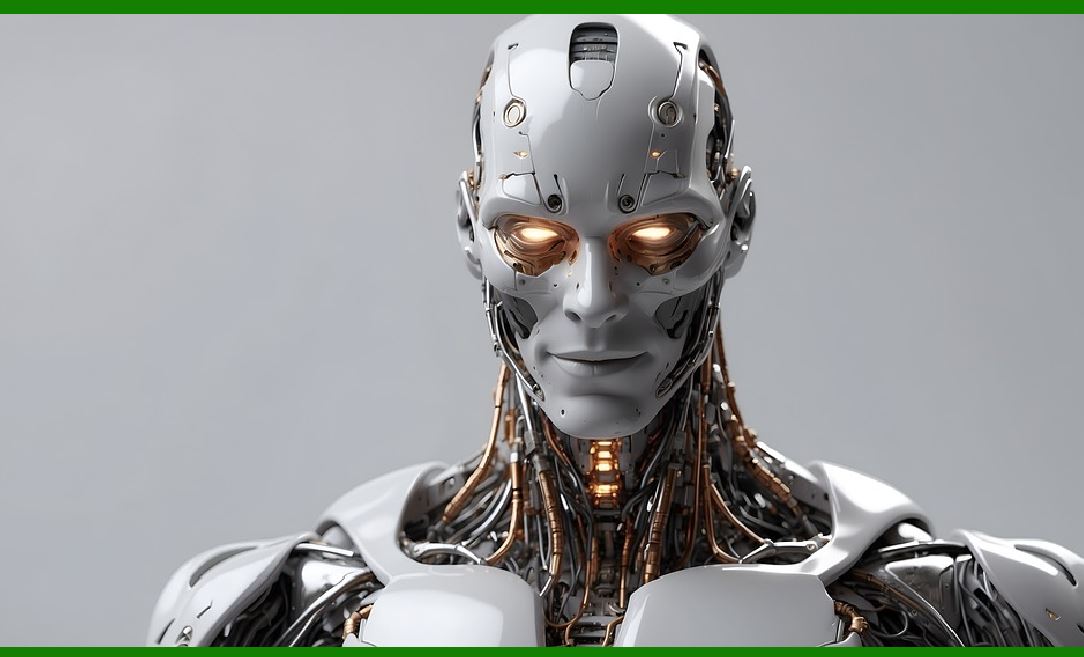
As robots become more sophisticated, their maintenance costs may also increase. While maintenance schedules are designed to minimize downtime, the complexity of future robots may require specialized knowledge and expensive parts for repair and upkeep. This could strain resources, especially for smaller businesses that may lack the expertise or budget to deal with such challenges. |
|
3. Workforce Displacement and Labor Concerns |
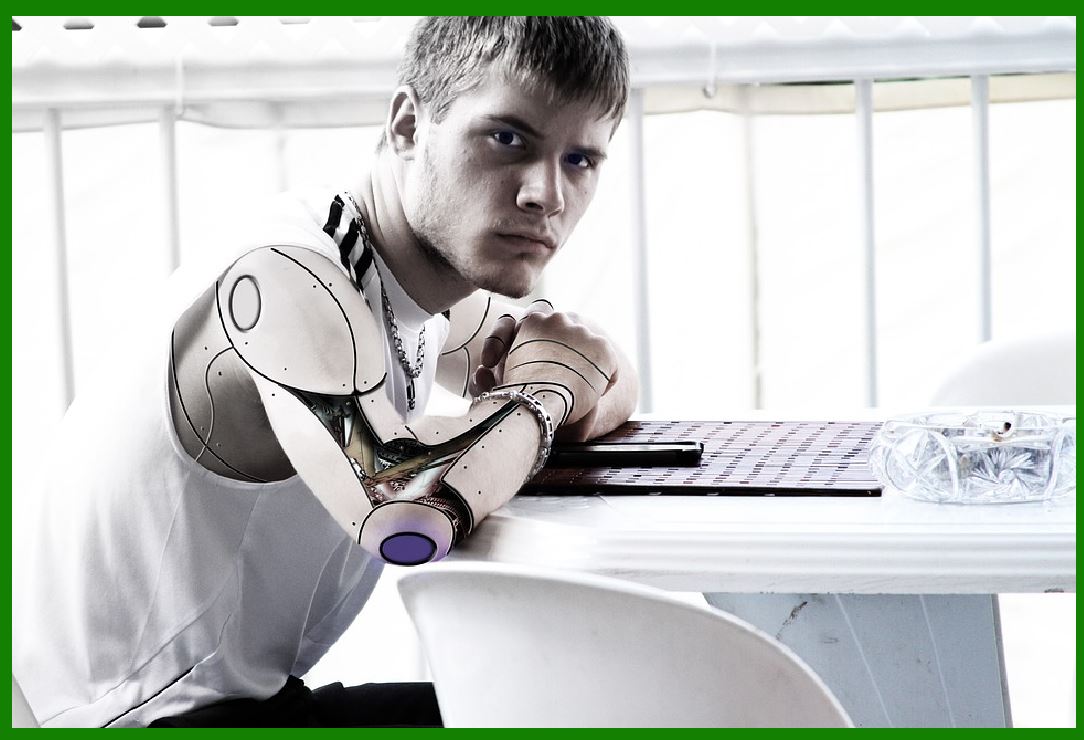
A growing concern about the future of material handling robots is their potential to displace human workers, especially in sectors that rely heavily on manual labor, such as warehousing, logistics, and manufacturing. While automation can significantly improve productivity and safety, it may lead to job losses in certain areas, creating tension between technological advancement and social responsibility. |
3.1. Reskilling and Redeployment of Workers |
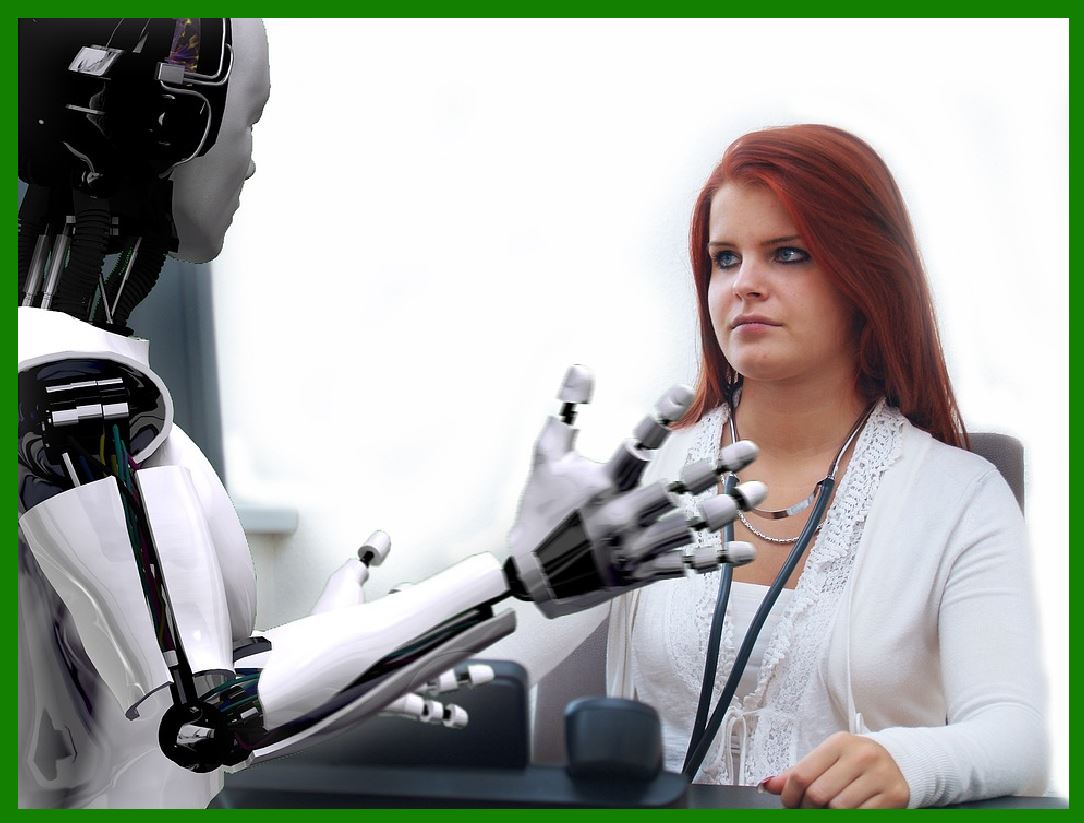
In industries heavily impacted by automation, the challenge will be finding ways to reskill and redeploy workers to more value-added roles. While robots are particularly useful for repetitive, physically demanding, and dangerous tasks, there will still be a need for human oversight, decision-making, and specialized roles. However, reskilling workers may require significant investment in training programs and may face resistance from workers who are apprehensive about the changes. |
3.2. Social Resistance to Automation |
As robots take over more tasks, social resistance may grow, particularly among workers' unions and employees who fear job displacement. Governments and businesses may face increasing pressure to address these concerns by implementing policies that support workers transitioning to new roles or industries. Public backlash could slow the adoption of material handling robots, especially if the benefits of automation are not seen to be evenly distributed across society. |
|
4. Regulatory and Ethical Concerns |
As the role of material handling robots grows, governments and regulatory bodies will need to develop frameworks to address safety, liability, and ethical considerations surrounding the use of robots in industrial environments. |
4.1. Safety and Standards |
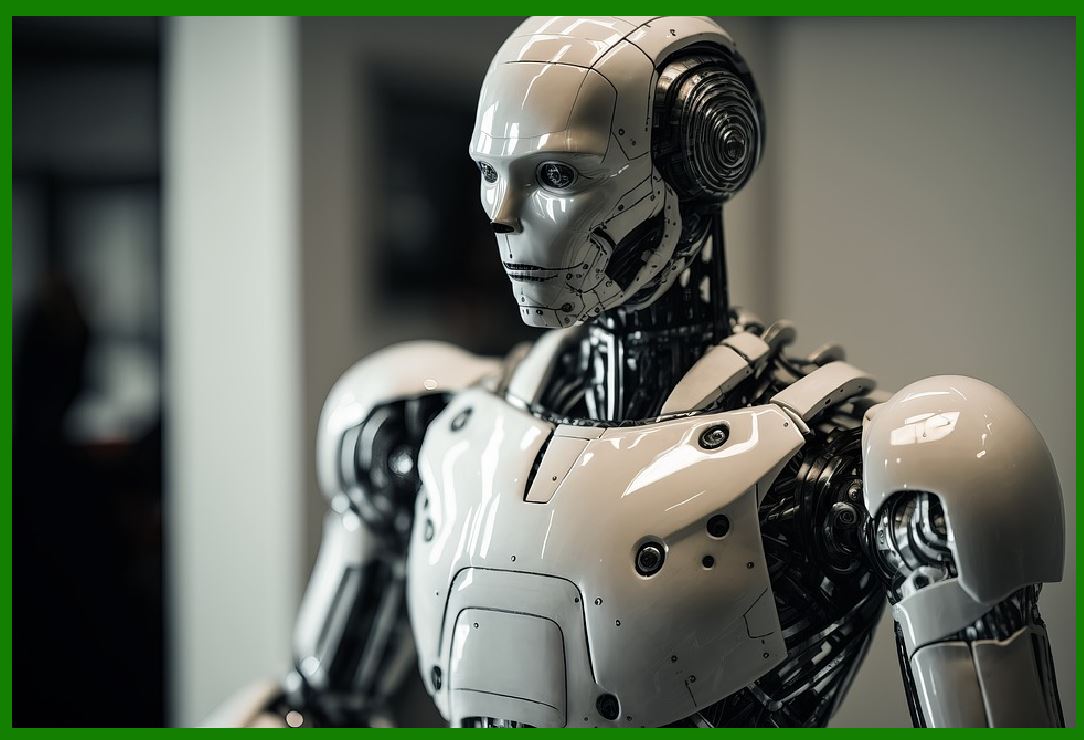
Although material handling robots are generally designed with safety in mind, as they become more autonomous and integrated into dynamic environments, the risk of accidents could increase. Regulatory bodies will need to establish robust safety standards for these robots, particularly in environments where they work alongside humans. Ensuring that robots can safely interact with human operators, avoid obstacles, and handle sensitive or hazardous materials will be a significant challenge. |
4.2. Ethical and Liability Issues |
As robots become more autonomous, questions about liability and accountability will arise, especially if a robot malfunctions or causes an accident. Determining who is responsible in cases of failure-whether it's the manufacturer, the operator, or the software provider-will require new legal frameworks and policies. Additionally, the ethical implications of using robots in sensitive areas, such as healthcare, pharmaceuticals, or hazardous waste management, will continue to be a topic of debate. |
|
5. Cybersecurity Risks and Data Privacy Concerns |
As material handling robots increasingly rely on connected technologies, including the Internet of Things (IoT), AI, and cloud-based systems, cybersecurity will become a critical issue. Protecting robots and their data from cyberattacks will be essential to ensuring their safe operation in industrial settings. |
5.1. Vulnerabilities to Hacking |
Material handling robots, like any connected device, can be vulnerable to cyberattacks. Hackers may attempt to infiltrate a robot's software to manipulate its actions, causing disruptions to the supply chain, damaging products, or even posing safety risks to human workers. As robots become more integrated into complex systems, it will be increasingly important to protect them from such vulnerabilities. |
5.2. Data Privacy and Security |
The vast amounts of data generated by material handling robots-including performance data, operational status, and even personal data related to workers (e.g., in collaborative environments)-will raise concerns about data privacy. Ensuring that this data is properly stored, encrypted, and protected will be a critical challenge as the use of robots expands. Compliance with data privacy regulations, such as GDPR in Europe, will require businesses to implement robust data protection measures. |

|
6. Environmental and Sustainability Issues |
As industries increasingly turn to automation and robotics, the environmental impact of these technologies will need to be carefully considered. |
6.1. Energy Consumption |
While robots can improve operational efficiency in many ways, they also require significant energy to operate, particularly in industries where large numbers of robots are deployed. Over time, this could lead to increased energy consumption, especially if robots are not designed with energy efficiency in mind. Companies will need to balance the environmental costs of running a large fleet of robots with the efficiency gains they provide. |
6.2. Waste and Recycling Concerns |
The disposal of outdated robots or robotic components could pose an environmental challenge. As robots age and new technologies emerge, there will need to be proper disposal and recycling protocols in place to minimize the environmental impact. Furthermore, manufacturing robots can require the use of rare or toxic materials, so sustainable production methods will be important to ensure that the overall environmental footprint of robotic systems remains low. |

|
7. Adapting to Evolving Consumer Expectations |
As customer expectations continue to evolve, businesses will need to ensure that their material handling robots can keep pace with changing market demands. |
7.1. Faster Fulfillment and Customization |
Consumers increasingly expect faster delivery times, greater customization, and more efficient services. This will require material handling robots to be highly adaptable and capable of managing complex order fulfillment systems. For example, robots will need to work in harmony with AI-driven systems that dynamically adjust to fluctuating demand or seasonal spikes. |
7.2. Integration with Advanced Technologies |
The future of material handling robots will also be closely linked to advances in other technologies, such as 3D printing, augmented reality (AR), and advanced analytics. These systems may be used in conjunction with robots to create more flexible and agile supply chains. Businesses will need to find ways to integrate their material handling robots with these emerging technologies to stay competitive and meet consumer expectations. |
|
8. Conclusion |
As material handling robots continue to advance, they will face a range of challenges, from technological integration and workforce displacement to regulatory concerns and cybersecurity risks. To fully realize the potential of these robots, businesses, regulators, and society will need to collaborate on addressing these issues while ensuring that the benefits of automation are realized in a way that is both socially responsible and economically viable. The future of material handling robots holds immense promise, but their successful adoption and integration will require careful consideration of the complex challenges ahead. |
 cs@easiersoft.com