1. Introduction to Quality Control and Error Reduction |
Quality control (QC) plays a fundamental role in ensuring that products meet required specifications and standards in production environments. In an industrial setting, quality control systems are designed to prevent defective products from reaching customers, thus ensuring customer satisfaction and minimizing operational costs. The combination of robotics and barcode technology has revolutionized how companies approach quality control, increasing efficiency, accuracy, and consistency in production lines. These advancements are instrumental in detecting and correcting errors during production processes and at various stages of assembly or shipping. |
This detailed exploration covers how robotics and barcode technology contribute to enhanced quality control and error reduction in manufacturing and distribution processes. We will discuss the mechanisms behind quality control, the specific roles of robotics and barcode scanning in quality assurance, and how their integration improves production outcomes and reduces human error. |

|
2. The Role of Quality Control in Manufacturing |
Quality control in manufacturing involves monitoring and verifying that every part of the production process meets predetermined standards. This typically includes checking raw materials, in-process work, and finished goods for defects or deviations from specifications. The QC process ensures that products not only conform to industry standards but also meet customer expectations in terms of performance, safety, and aesthetics. |
In traditional manufacturing settings, quality control was primarily handled through manual inspections or through sampling methods. However, these methods are prone to human error, inconsistencies, and inefficiencies. With the advent of new technologies like robotics and barcode scanning, quality control has become more reliable and less dependent on human intervention. |
In automated systems, quality control ensures that the right components are used in the correct sequence, which helps avoid assembly errors. Furthermore, QC systems using technology can monitor real-time production data to identify any discrepancies or deviations immediately, reducing the need for costly recalls or repairs. |

|
3. The Importance of Error Reduction |
Error reduction is one of the main goals of any quality control system. Errors in production can lead to defects in the final product, which in turn can result in customer dissatisfaction, financial loss, and damage to the manufacturer's reputation. For example, a manufacturer of electronics must ensure that components like microchips, screens, or batteries are correctly assembled into each unit. An error in the assembly process-such as using the wrong type of capacitor-can cause the device to malfunction, leading to product recalls, warranties, or even legal claims. |
In manual production environments, errors often occur due to human factors like fatigue, distraction, or inadequate training. Automated technologies, however, provide consistency and reduce the likelihood of errors. By utilizing robotics and barcode scanning systems, manufacturers can automate repetitive tasks, ensuring that these functions are performed with accuracy every time. These systems also enable continuous monitoring and immediate correction when errors are detected, which helps to prevent defects from propagating through the production process. |
|
4. Robotics and Their Role in Quality Control |
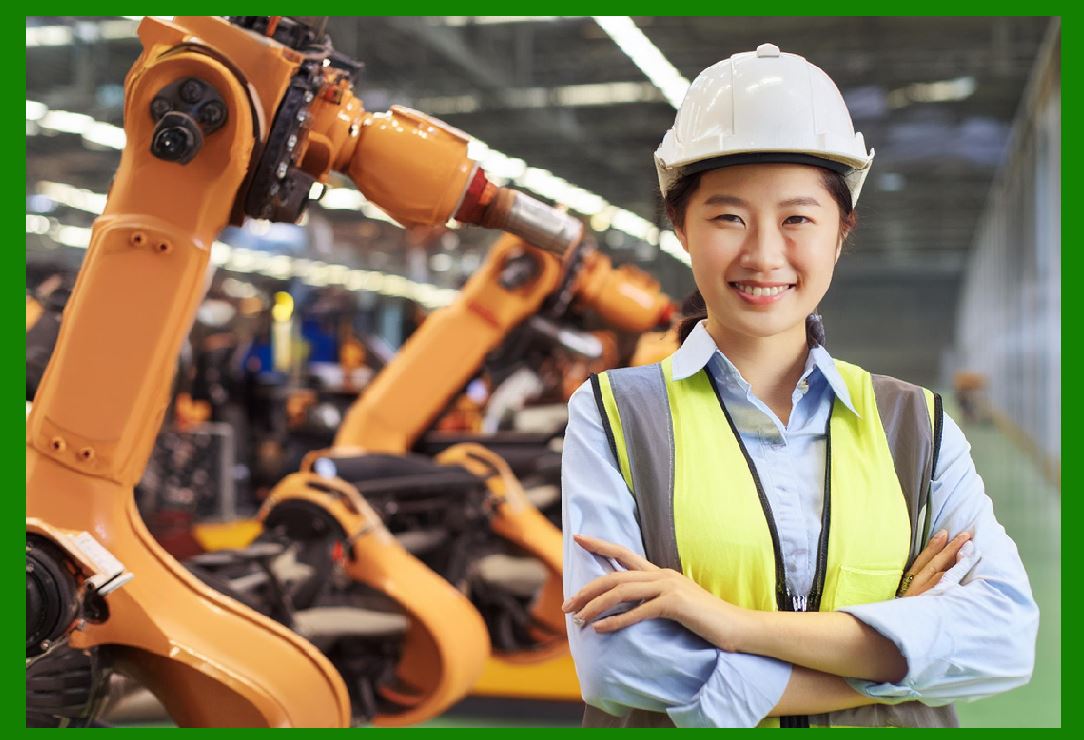
Robotic systems have become a staple in modern manufacturing because of their precision, speed, and ability to perform complex tasks. These robots can perform quality control functions by automatically detecting defects and adjusting production parameters as needed. |
Robots can be equipped with vision systems that allow them to inspect products with a level of accuracy and consistency that humans cannot match. These systems, which are often referred to as robotic vision or machine vision systems, use high-resolution cameras to capture detailed images of the product at various stages of production. The images are analyzed by computer algorithms that can detect defects such as scratches, dents, incorrect assembly, or misalignments. |
For instance, in the automotive industry, robotic arms equipped with vision systems may inspect parts like car doors, bumpers, or engine components for any defects. If a robot detects a flaw, it can halt the production line and notify operators of the issue, allowing them to address the error before it reaches the next stage. This helps to prevent defective parts from being sent down the production line or shipped to customers. |
Robotic systems are also capable of applying corrective actions automatically. For example, in a scenario where a robotic arm detects that a part has been installed incorrectly, it can halt the process, reposition the part, or even replace it with a new one if necessary. Such interventions can significantly reduce the occurrence of human error in assembly lines. |
Another key benefit of robotics in quality control is their ability to conduct repetitive tasks with a high degree of accuracy. Unlike humans, robots do not suffer from fatigue, and they can maintain consistent quality control over extended periods, improving overall production efficiency. The automation of quality inspections also frees up human workers to focus on more complex tasks, further optimizing productivity. |

|
5. Barcode Technology in Quality Control |
Barcode technology has been a game-changer for tracking and managing products throughout the production and supply chain. A barcode is a machine-readable representation of data that can store information such as product details, serial numbers, and production batch numbers. This information can be quickly accessed and processed using barcode scanners, allowing for more efficient tracking of products at every stage of the production cycle. |
In quality control, barcode scanning plays a vital role in ensuring that the correct components are used in manufacturing, and that the right products are shipped to customers. For instance, each component in a product assembly line may have a unique barcode, which can be scanned by a barcode reader to verify that it matches the specifications for that particular product. |
At various points in the production process, operators can scan barcodes on parts or products to ensure they are assembled in the correct order. If a part with the wrong barcode is scanned, the system will alert the operator, preventing assembly errors before they occur. This eliminates the possibility of mistakenly using incorrect or incompatible parts in the production process. |
Barcode technology also enhances traceability in manufacturing. By scanning the barcode at each stage of the process, manufacturers can maintain a record of where each product has been, what components have been used, and which operator was responsible for the assembly. This real-time data allows manufacturers to track and verify the history of a product, ensuring that it meets quality standards at every step of the process. |
In shipping, barcode scanning ensures that the right products are delivered to customers. When products are packed, barcodes on the packages can be scanned to verify that the correct items are included in the shipment. This minimizes the risk of shipping errors, such as sending the wrong product or quantity to a customer, thereby improving customer satisfaction and reducing returns. |

|
6. Integration of Robotics and Barcode Technology |
When integrated, robotics and barcode technology offer an even more powerful quality control system. The two technologies work together to streamline operations and eliminate errors across multiple stages of the production and delivery processes. |
For example, consider a scenario in which a robot assembles parts on a production line. As each part is placed, a barcode scanner can verify that it matches the intended component for that stage of assembly. If the part has an incorrect barcode or does not match the specifications in the system, the robot can automatically halt production and alert the operator. |
This integration provides a level of control that is difficult to achieve through manual inspection alone. Furthermore, it allows manufacturers to track products in real time, from raw material sourcing to final shipping, creating a comprehensive quality control system that is constantly monitoring for potential issues. By combining these technologies, manufacturers can quickly identify where errors occur and address them immediately, significantly reducing the chances of defects reaching customers. |

|
7. Benefits of Robotics and Barcode Technology in Quality Control |
The combination of robotics and barcode technology provides numerous benefits to manufacturers looking to improve quality control and reduce errors in their production processes: |
1.Increased Accuracy: Robots and barcode systems are designed to perform tasks with high precision, reducing human error and ensuring that parts are assembled and shipped correctly every time. |
2.Faster Detection of Errors: Automated systems can detect defects or discrepancies much faster than manual methods, which helps prevent defective products from moving through the production pipeline. |
3.Reduced Human Error: By automating repetitive tasks and integrating barcode scanning, the reliance on human operators is reduced, which lowers the chances of errors due to fatigue, distraction, or lack of training. |
4.Enhanced Traceability: Barcode technology provides detailed data on each product, allowing manufacturers to trace the history of every item through the production process. This helps identify and correct quality issues before they impact customers. |
5.Improved Efficiency: Robotics can work continuously without breaks, improving the speed of production and reducing downtime. When combined with barcode scanning, these systems can ensure that every step of the production process is completed accurately and without delay. |
6.Cost Savings: While the initial investment in robotic systems and barcode scanning infrastructure may be high, these technologies help reduce the costs associated with quality control, rework, recalls, and returns. Over time, the return on investment can be significant due to the increased efficiency and reduced error rates. |
7.Better Customer Satisfaction: By ensuring that products are made correctly and delivered on time, companies can improve customer satisfaction and build brand loyalty. Barcode technology and robotics contribute to faster, more reliable order fulfillment, ensuring that customers receive the right products without delay. |

|
8. Conclusion |
In today's competitive manufacturing environment, quality control and error reduction are paramount. Robotics and barcode technology have revolutionized these areas by providing automated, accurate, and efficient systems that significantly reduce the risk of errors. These technologies work in tandem to ensure that the correct components are used in production, that products are assembled according to specification, and that the right products are shipped to customers. Through improved accuracy, faster error detection, and enhanced traceability, robotics and barcode scanning provide manufacturers with the tools they need to meet and exceed customer expectations while minimizing costs and inefficiencies. The integration of these technologies into quality control systems offers a powerful solution for reducing errors and ensuring that only the highest-quality products reach the market. |

|
9. Case Studies on Robotics and Barcode Technology in Quality Control and Error Reduction |
The integration of robotics and barcode technology in quality control has been adopted across various industries, leading to improvements in accuracy, efficiency, and error reduction. Below are a few case studies that illustrate how these technologies are applied in different manufacturing sectors to enhance quality control processes. |
9.1. Case Study 1: Automotive Manufacturing - Ford Motor Company |
Background: |
Ford Motor Company, one of the largest automotive manufacturers in the world, faced challenges in maintaining quality control across its global production lines. In particular, ensuring that the correct parts were assembled into vehicles and that errors were detected before they became costly mistakes was a priority for Ford. Errors in the assembly of components, such as incorrect parts being used or missed assembly steps, could lead to recalls, warranty claims, or vehicle malfunctions. |
Solution: |
Ford implemented an advanced system combining robotics and barcode technology to streamline its quality control processes. Each component in the assembly line was assigned a unique barcode, which contained detailed information about the part, its specifications, and the manufacturing batch. As robotic arms assembled each component on the vehicle, barcode scanners at various checkpoints along the assembly line read the barcodes to verify that the correct part was being used. |
Robotic arms were equipped with vision systems that provided real-time inspection of assembled parts. If a robot detected any deviation from the preset specifications (such as misalignment or part defects), it could immediately halt the production line, notify the human supervisor, and allow for corrective actions to be taken. This system was capable of identifying defects such as scratches, dents, or incorrect installation of parts, preventing the faulty vehicles from continuing down the line. |
Results: |
By integrating robotics and barcode technology, Ford achieved significant improvements in quality control: |
Reduced Errors: The barcode scanning system ensured that only the correct parts were used, eliminating the possibility of assembly errors. |
Real-Time Error Detection: The robotic vision systems detected defects early, preventing faulty vehicles from proceeding further down the production line. |
Cost Savings: The automated error-checking system reduced the need for manual inspection, thus lowering labor costs and increasing throughput. |
Increased Customer Satisfaction: With fewer defects and recalls, customer satisfaction improved, and the risk of costly warranty claims was minimized. |
This case study highlights how robotics and barcode technology can help automotive manufacturers maintain high-quality standards, reduce error rates, and streamline production processes. |

|
9.2. Case Study 2: Electronics Manufacturing - Samsung Electronics |
Background: |
Samsung Electronics, a global leader in consumer electronics, faced challenges in its production lines where the assembly of electronic devices, such as smartphones and televisions, required high precision. The company was particularly concerned with component misplacement, assembly errors, and defects that could lead to customer dissatisfaction or even safety concerns. The need to improve quality control while maintaining production speed was crucial. |
Solution: |
Samsung implemented a comprehensive quality control system that utilized robotics for precise assembly tasks and barcode technology for component tracking and verification. During the assembly of smartphones, robots were programmed to handle delicate components such as circuit boards and batteries, ensuring that each part was installed in the correct orientation and position. |
Barcode scanners were used to verify the components at various stages of the assembly process. Each component-whether it was a screen, camera module, or motherboard-had a unique barcode. As the parts passed through different stations, robots scanned the barcodes to confirm that the right components were being used in the right order. If a barcode scan indicated that a component was incorrect, the robotic system would immediately stop the assembly process, alert operators, and prevent the error from propagating further. |
Additionally, robotic arms were equipped with vision systems to inspect components for defects such as scratches, dust particles, or screen malfunctions. If any of these issues were detected, the system would either replace the defective part or remove the product from the production line entirely. |
Results: |
The integration of robotics and barcode scanning led to several key improvements in Samsung's manufacturing process: |
Error-Free Component Assembly: Barcode scanning ensured that only the correct components were used at each step of assembly, reducing the risk of mismatched or incorrect parts being installed. |
Increased Detection of Defects: Robotic vision systems improved the detection of minute defects, such as cracks or smudges on screens, ensuring that only fully functional units were shipped. |
Faster Production Cycle: By automating much of the assembly and inspection process, Samsung was able to accelerate production without sacrificing quality. |
Lower Warranty Claims and Returns: With fewer defects and errors, the company saw a reduction in warranty claims and customer returns, which translated into lower operational costs. |
Samsung's case demonstrates the effectiveness of using robotics and barcode technology to automate quality control and achieve high levels of product consistency and precision. |

|
9.3. Case Study 3: Food Manufacturing - Nestl¨¦ |
Background: |
Nestl¨¦, one of the world's largest food and beverage companies, operates a vast network of production facilities worldwide. Given the high volume of products it manufactures-ranging from packaged foods to beverages-the company faces considerable challenges in ensuring that products are consistently manufactured to meet stringent safety and quality standards. Product recalls due to contamination or incorrect ingredients are not only costly but can also damage the company's reputation. |
Solution: |
Nestl¨¦ integrated robotics and barcode technology into its food manufacturing process to ensure consistent quality control, particularly for ingredient verification and packaging processes. At the start of the production line, raw ingredients such as sugar, flour, and flavoring agents were tagged with barcodes containing information about their origin, quality, and expiration dates. Barcode scanners read the barcodes on each ingredient as it entered the system, verifying that the correct ingredients were being used in the correct quantities. |
Robotic systems were deployed for precise ingredient dispensing. These robots ensured that the right proportions of each ingredient were added to the production line without human error. Additionally, vision systems on the robotic arms could check the consistency of the ingredient mixture to ensure that there were no clumps or inconsistencies that could impact product quality. |
At the packaging stage, barcodes were again used to track the products and verify that the right items were being packed in the right containers. The barcode scanners ensured that the packaging matched the product specifications, preventing mistakes such as incorrect labeling or packaging errors. |
Results: |
The integration of robotics and barcode technology helped Nestl¨¦ improve its manufacturing and quality control processes: |
Ingredient Verification: Barcode scanning ensured that only the correct and safe ingredients were used, minimizing the risk of cross-contamination or incorrect ingredient combinations. |
Precision in Production: Robotics handled the dispensing of ingredients and mixing with high precision, reducing waste and ensuring consistency across batches. |
Minimized Packaging Errors: Barcode scanning ensured that each product was packaged correctly, with the appropriate labels and batch numbers, improving traceability and reducing packaging errors. |
Improved Product Safety: The ability to trace ingredients and packaging in real time helped Nestl¨¦ quickly identify and resolve potential issues, ensuring that the products shipped to customers were safe and of the highest quality. |
Reduced Recalls and Returns: By preventing packaging and ingredient errors, the company saw a reduction in product recalls and customer complaints. |
Nestl¨¦'s case study highlights how robotics and barcode technology can be particularly beneficial in the food manufacturing industry, where product safety and consistency are paramount. |

|
9.4. Case Study 4: Pharmaceutical Manufacturing - Pfizer |
Background: |
Pfizer, one of the largest pharmaceutical companies in the world, produces a wide range of medicines, including life-saving vaccines and treatments. The pharmaceutical industry is highly regulated, with strict guidelines surrounding product quality, safety, and traceability. Any errors in production or packaging can have serious consequences, including regulatory fines, legal liabilities, and, most importantly, patient safety risks. |
Solution: |
Pfizer implemented a quality control system using robotics and barcode technology to ensure compliance with regulatory standards and improve the accuracy of its manufacturing process. Each pharmaceutical component, whether it was an active ingredient or a packaging material, was labeled with a unique barcode that provided information about the batch, expiration date, and other critical details. |
Robotic arms in the manufacturing process were responsible for handling sensitive materials such as tablets, vials, or ampoules. These robots performed tasks such as filling vials, capping bottles, and applying labels with precision. Barcode scanners were used at every stage of production to ensure that the correct materials were being used and that the finished products matched the required specifications. |
Additionally, robotic systems were employed to conduct visual inspections of finished products. The vision systems could detect defects such as misprints on labels or faulty seals, ensuring that only products meeting quality standards were sent to packaging. |
Results: |
The implementation of robotics and barcode technology at Pfizer led to several positive outcomes: |
Increased Compliance: Barcode scanning ensured that all components, materials, and finished products were tracked and verified, meeting strict regulatory requirements. |
Error-Free Packaging: Robotic systems handled packaging with high accuracy, preventing errors such as wrong label placement or incorrect dosage. |
Faster Production Times: Automation through robotics reduced the time needed for manual tasks such as filling, labeling, and inspection, speeding up the overall production cycle. |
Enhanced Traceability: The ability to track each component and product through the barcode system provided full traceability, ensuring that if an issue arose, the affected batch could be quickly identified and recalled if necessary. |
Improved Patient Safety: By ensuring high levels of accuracy in the manufacturing and packaging process, Pfizer minimized the risk of producing defective or dangerous medications. |
Pfizer's case demonstrates how robotics and barcode technology can be used effectively in highly regulated industries like pharmaceuticals, where product quality, safety, and traceability are critical. |

|
Conclusion |
These case studies illustrate how different industries-automotive, electronics, food manufacturing, and pharmaceuticals-have successfully implemented robotics and barcode technology to enhance quality control, reduce errors, and improve overall operational efficiency. The integration of robotics allows for precision in assembly, inspection, and packaging, while barcode technology ensures that each component and finished product is accurately tracked and verified. Together, these technologies provide significant advantages in error reduction, customer satisfaction, and cost savings, making them indispensable tools for modern manufacturing processes. |
 cs@easiersoft.com