1. Introduction: The Role of Robot Barcodes in Enhancing Worker Safety |
In modern industries, worker safety remains one of the top priorities for organizations looking to minimize workplace injuries, improve efficiency, and reduce operational costs. The integration of technology in the form of robots and automation has significantly transformed various sectors, particularly in logistics, manufacturing, and warehouse management. One of the most impactful technologies contributing to worker safety is the use of barcode-enabled robots. |
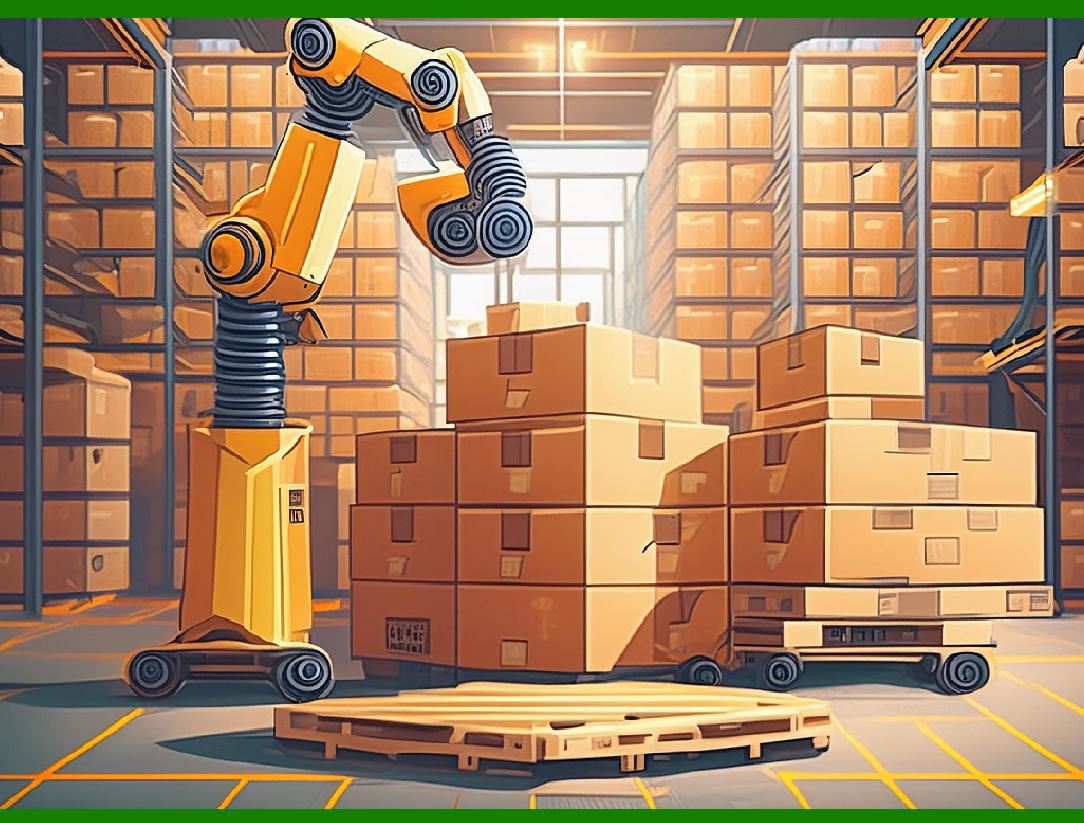
Barcode-enabled robots are essentially robotic systems that use barcode scanning technology to automate certain tasks within a work environment. These robots are capable of identifying, locating, and processing goods based on the information encoded in barcodes. By automating repetitive, physically demanding, or hazardous tasks, these robots can drastically reduce the strain on human workers and eliminate many of the risks associated with such activities. As a result, the workplace becomes safer, more efficient, and more productive. |
This detailed analysis explores how barcode-enabled robots contribute to improved worker safety, focusing on their ability to automate physically strenuous tasks, reduce human error, mitigate workplace hazards, and ultimately enhance the overall safety of the workforce. |
|
2. Automation of Physically Demanding Tasks |
One of the primary benefits of barcode-enabled robots is their ability to automate physically demanding tasks that would otherwise place excessive strain on human workers. These tasks often involve repetitive actions, heavy lifting, or working in environments that are physically taxing over long periods of time. |
2.1 Heavy Lifting and Transport |
In industries like manufacturing and warehousing, workers are often required to lift and transport heavy items. This type of physical labor can lead to musculoskeletal injuries, which are some of the most common and costly workplace injuries. Barcode-enabled robots can be programmed to carry out these lifting and transport tasks with ease. Using integrated barcode scanning technology, these robots can locate, identify, and pick up items from specific locations within the warehouse or factory floor. Once the item is identified via the barcode, the robot transports it to the desired destination, whether that is a different section of the warehouse, a packaging station, or a shipping area. |
By offloading the burden of heavy lifting to robots, human workers are no longer exposed to the risks of lifting injuries such as strains, sprains, or more serious musculoskeletal disorders. This is particularly crucial in settings where heavy, bulky, or hazardous materials are frequently handled. |
2.2 Restocking High Shelves |
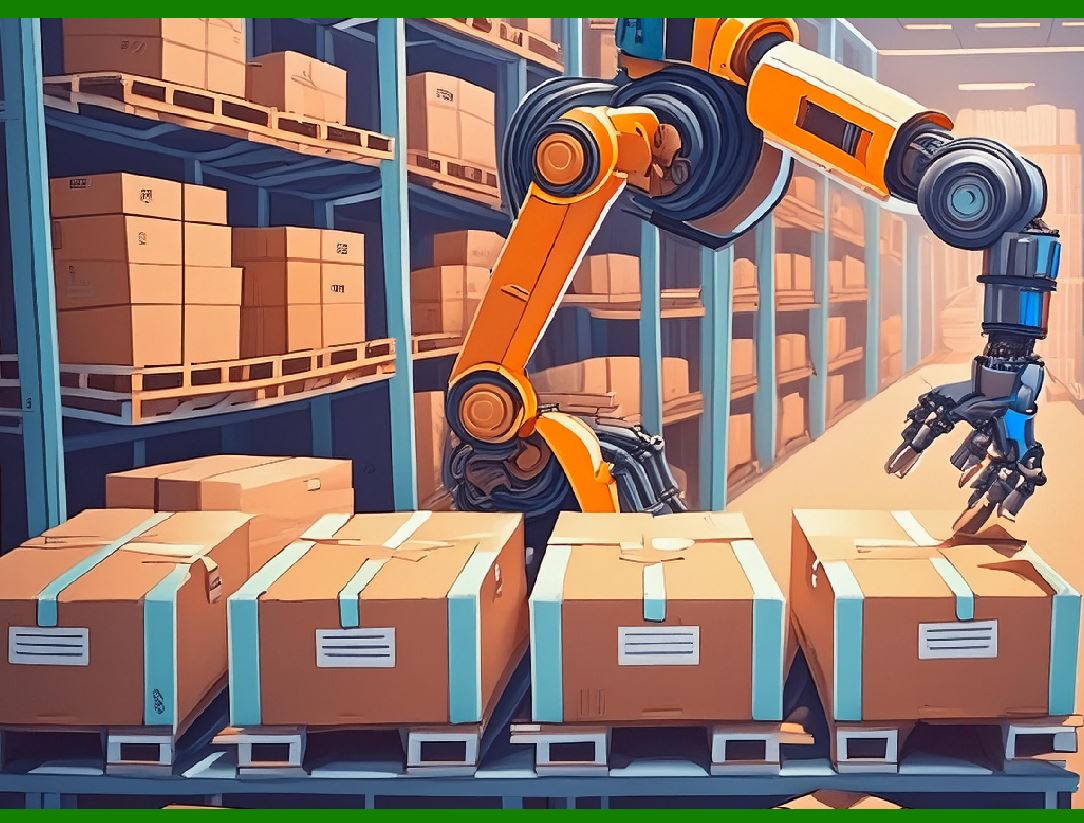
In warehouses or retail environments, workers often have to restock high shelves, a task that requires climbing ladders or using elevated platforms. These activities are associated with the risk of falls, which remain one of the leading causes of workplace accidents. Barcode-enabled robots can be equipped with robotic arms and mobile platforms, allowing them to access high shelves without requiring human intervention. |
These robots can scan the barcodes on shelves to assess inventory levels and automatically restock items as necessary. By taking over the task of accessing high or hard-to-reach places, robots minimize the risk of falls or accidents caused by ladder use, improving overall worker safety. |
2.3 Repetitive Tasks and Fatigue Reduction |
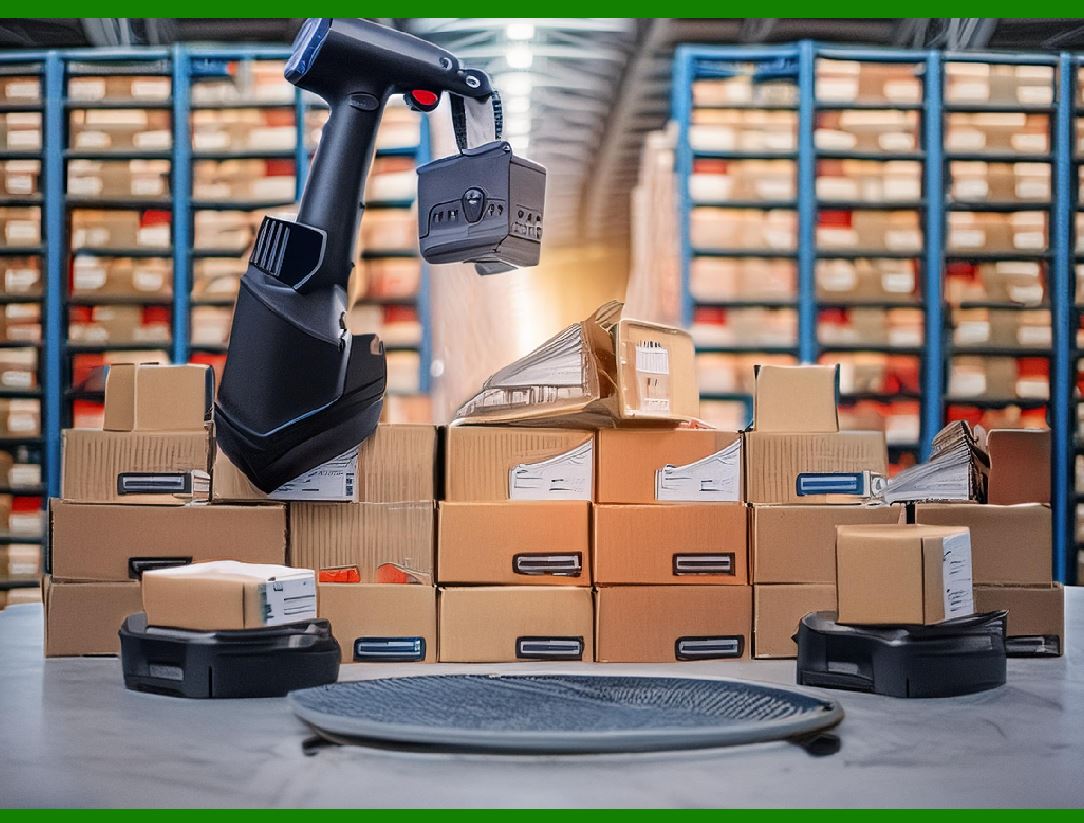
Repetitive tasks, such as sorting, scanning, or packaging, can lead to fatigue, which in turn increases the likelihood of mistakes, accidents, and injuries. Barcode-enabled robots can automate these repetitive tasks, reducing the physical and mental burden on human workers. For example, robots can be programmed to perform sorting and scanning operations at a high rate of speed and accuracy, reducing the need for workers to engage in monotonous tasks that could lead to physical strain and fatigue. |
The reduction in repetitive motion and physical labor allows workers to focus on more cognitively demanding aspects of their job, such as quality control, troubleshooting, and decision-making. This also contributes to a healthier, more engaged workforce, which is less likely to experience burnout or accidents due to fatigue. |
|
3. Reduction of Human Error |
Human error is an unavoidable factor in any workplace, but it becomes especially problematic in environments that require precision, speed, or safety-critical operations. Barcode-enabled robots help mitigate human error by providing a reliable and automated way to perform tasks that require high accuracy and consistency. |
3.1 Accuracy in Scanning and Inventory Management |
One of the most important applications of barcode technology in robotics is inventory management. Humans are prone to errors when scanning items or counting inventory, whether due to distractions, fatigue, or simple mistakes. Barcode-enabled robots, on the other hand, can scan thousands of barcodes with impeccable accuracy. These robots are equipped with advanced scanning devices that allow them to quickly and efficiently read barcode labels attached to products or storage locations. |
By automating this process, companies can ensure that inventory records are always accurate, reducing the likelihood of stockouts, overstocking, or misplaced items. Inaccurate inventory records can lead to safety risks, such as sending the wrong products to a production line or shipping dangerous materials in error. Barcode-enabled robots help eliminate these risks by maintaining precise and up-to-date inventory data at all times. |
3.2 Automated Quality Control |
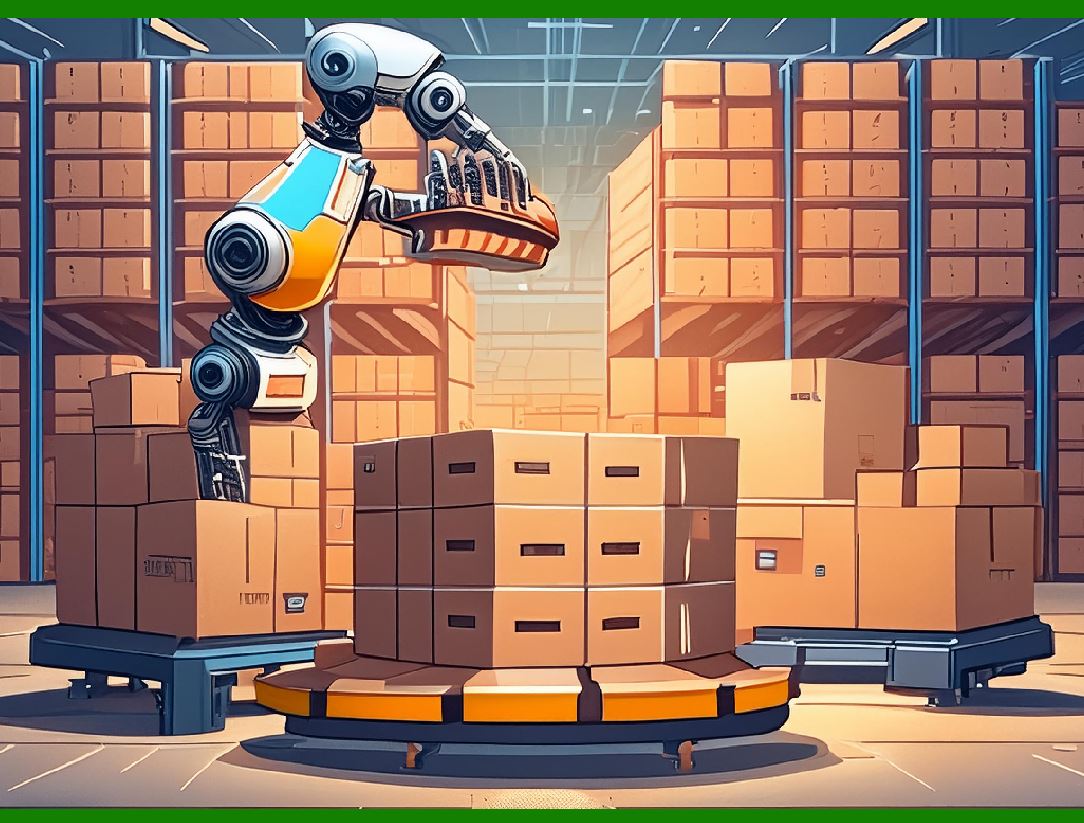
In manufacturing settings, quality control is a crucial aspect of safety, as defective products can lead to accidents or injuries downstream in the production process or when the products are used by consumers. Barcode-enabled robots equipped with quality control sensors can automatically inspect products for defects, irregularities, or non-compliance with safety standards. This automation minimizes the chances of human error in detecting potential safety hazards. |
The robots can also ensure that products are properly tagged with the correct barcode labels before they leave the production line, further reducing the risk of mislabeled or defective products reaching consumers or the next stage of manufacturing. |
|
4. Mitigating Workplace Hazards |
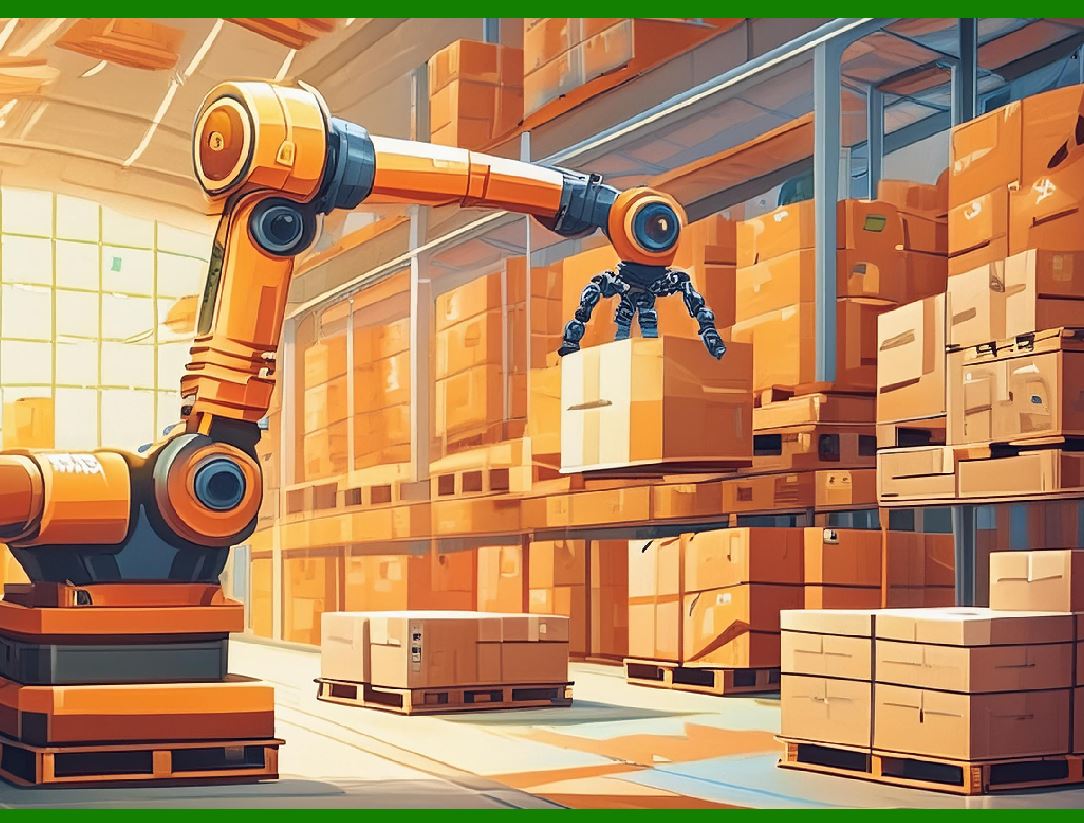
Some industries involve working in hazardous environments, such as those with extreme temperatures, toxic chemicals, or heavy machinery. In such settings, human workers are exposed to risks that can result in serious injuries or even fatalities. Barcode-enabled robots can significantly reduce the exposure of workers to these dangerous conditions by taking on tasks in these hazardous areas. |
4.1 Hazardous Environments: Chemicals and Toxic Materials |
In industries such as pharmaceuticals, chemicals, or mining, workers are often required to handle toxic materials, hazardous chemicals, or heavy-duty machinery. Barcode-enabled robots can be used to transport these materials, restock dangerous substances, or even perform inspections in areas where toxic fumes or extreme conditions are present. |
By employing robots in these high-risk areas, companies can reduce the risk of workers coming into contact with hazardous substances. Robots can be programmed to work in environments with specific safety protocols, such as areas that require full-body protection suits, or even in environments that would be otherwise uninhabitable for humans, like those with extreme temperatures, high radiation, or explosive gases. |
4.2 High-Risk Areas: Machines and Equipment |
In many manufacturing plants or construction sites, heavy machinery and equipment are in constant use, posing a significant risk to human workers. Barcode-enabled robots can operate in these environments, carrying out tasks such as maintenance checks, repairs, and material handling. By integrating barcode scanners with robotic systems, it is possible to monitor the health and safety status of machinery more effectively. |
Robots can autonomously scan equipment for signs of wear and tear or defects and alert maintenance teams before a serious malfunction occurs. In doing so, these robots help prevent accidents related to equipment failure, ensuring that workers are not exposed to avoidable dangers from malfunctioning machinery. |
4.3 Emergency and Rescue Operations |
In emergency situations or during a crisis, such as fires, earthquakes, or other workplace accidents, robots equipped with barcode scanning technology can be deployed for rescue operations or to secure the area. These robots can be used to identify injured workers, locate hazardous materials, or even navigate through areas that are unsafe for human entry. |
Barcode-enabled robots can also be programmed to scan barcodes on safety equipment, such as fire extinguishers, first-aid kits, or emergency exits, to ensure that safety protocols are followed and that the necessary equipment is readily available during emergencies. |
|
5. Enhancing Worker Efficiency and Job Satisfaction |
Worker safety is not only about reducing physical injuries but also about improving the overall well-being and job satisfaction of employees. By automating hazardous tasks, barcode-enabled robots contribute to a safer work environment where workers feel more valued and less stressed. |
5.1 Focus on Complex and Value-Added Tasks |
With robots taking over physically demanding or dangerous tasks, workers can focus on more complex, value-added activities. These may include decision-making, problem-solving, collaboration, and creative thinking-tasks that robots are not capable of performing. This shift in focus can lead to higher job satisfaction, as workers are able to contribute in more meaningful ways to the organization. |
Moreover, by reducing the number of repetitive tasks, barcode-enabled robots help combat the monotony that often leads to disengagement and dissatisfaction in the workplace. This can boost morale, reduce turnover, and improve overall productivity. |
5.2 Health Benefits and Reduced Workplace Stress |
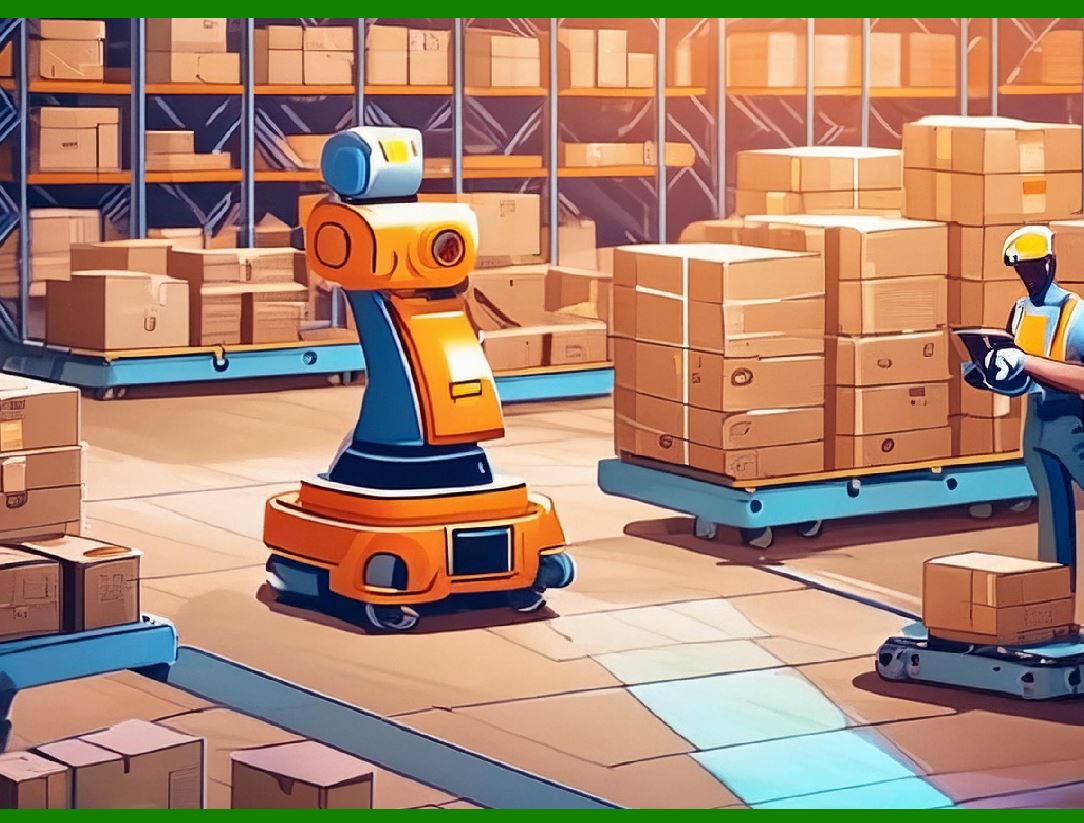
The physical demands of manual labor can lead to stress, fatigue, and long-term health issues. By automating tasks that require heavy lifting, long hours of standing, or repetitive motions, barcode-enabled robots alleviate the physical burden on workers. As a result, employees experience fewer injuries, reduced stress, and improved overall health. |
This not only benefits individual workers but also contributes to the long-term health of the organization. With fewer workers taking sick leave or suffering from injury-related disabilities, companies can maintain a healthier, more productive workforce. |
|
6. Conclusion: The Future of Worker Safety with Barcode-Enabled Robots |
As barcode-enabled robots continue to evolve, their potential to enhance worker safety in various industries will only increase. The integration of robotic systems with advanced technologies, such as artificial intelligence (AI), machine learning, and the Internet of Things (IoT), will further amplify their ability to automate complex tasks, ensure workplace safety, and reduce the risks associated with human error and hazardous environments. |
In the near future, barcode-enabled robots will become even more sophisticated, performing a wider range of tasks with greater accuracy and efficiency. They will play a pivotal role in reshaping industries by making workplaces safer and more productive, while also improving the quality of life for workers. By continuing to prioritize worker safety through automation, businesses can foster a culture of care, innovation, and responsibility in the workplace. |
|
Case studies |
7. Case Studies: The Impact of Barcode-Enabled Robots on Worker Safety |
To better understand the practical applications and benefits of barcode-enabled robots in improving worker safety, let's look at some real-world case studies from different industries. These examples highlight how robots, equipped with barcode scanning technology, have been implemented to automate dangerous tasks, reduce human error, and ultimately improve safety outcomes in workplaces. |
7.1 Case Study 1: Amazon Robotics in Warehouse Operations |
Industry: E-Commerce & Logistics |
Location: Global (with major fulfillment centers in the United States, Europe, and Asia) |
Technology: Barcode scanning robots, autonomous mobile robots (AMRs) |
Overview: |
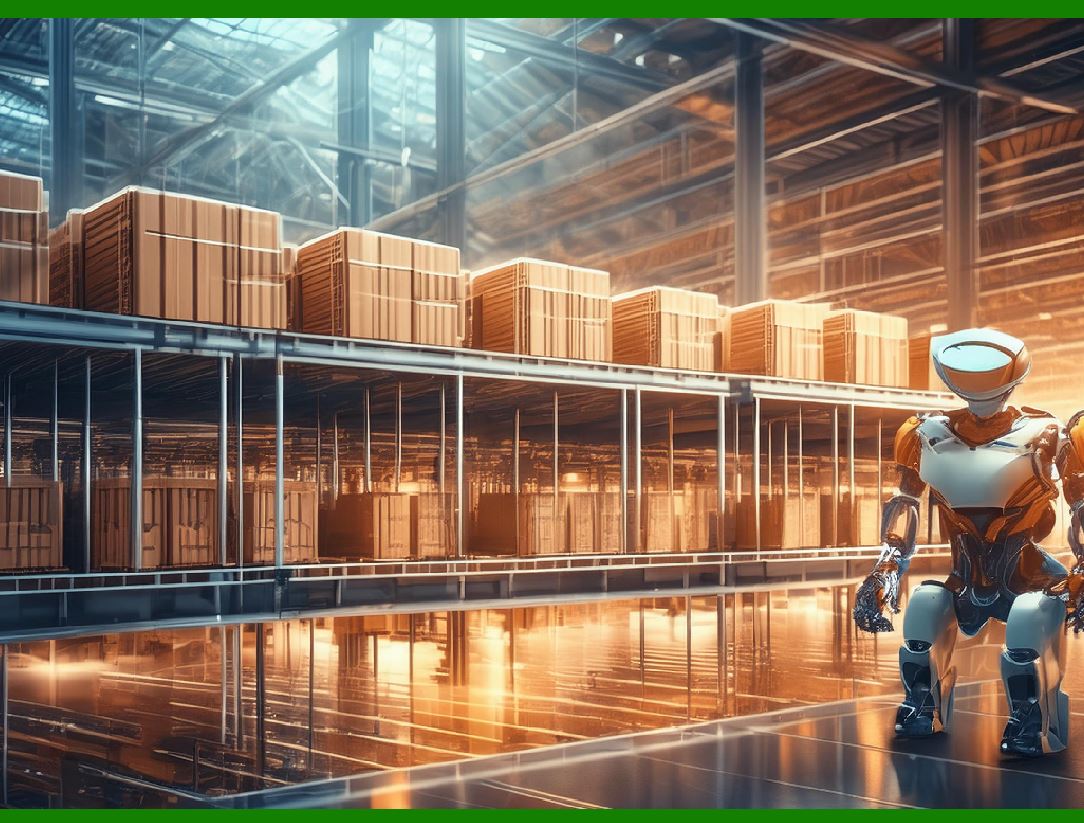
Amazon has been a pioneer in the adoption of robotics and automation to streamline operations and enhance worker safety in its vast network of fulfillment centers. At the heart of Amazon's innovation are the Amazon Robotics systems, which incorporate barcode scanning technology to identify, pick, and transport items. |
Key Features of the System: |
Robotic Arms & Mobile Robots: Amazon Robotics integrates mobile robots that carry inventory shelves (called 'pods') to human workers. These robots use barcode scanning to identify the contents of each pod and automatically navigate to the appropriate workstation. |
Barcode Scanning for Inventory Management: Robots scan barcodes on products to update inventory levels and verify the location of items in the warehouse. Workers can focus on sorting and packaging products rather than manually scanning barcodes or locating products on high shelves. |
Worker Safety Impact: |
Reduction of Physical Strain: Amazon's robotic systems handle the physically strenuous tasks of lifting, sorting, and restocking products. This significantly reduces the physical strain on workers who previously performed these tasks by hand, such as lifting heavy items or climbing high shelves to retrieve products. By automating these tasks, Amazon minimizes the risk of injuries such as sprains, strains, and falls. |
Decreased Risk of Fatigue: The robots help eliminate the monotony of repetitive tasks, reducing worker fatigue, which can often lead to errors and accidents. |
Safe Work Environment: Amazon's robots work in tandem with human employees, navigating the warehouse independently and following pre-programmed paths to avoid collisions. This autonomous operation reduces the likelihood of accidents in busy, high-traffic areas where workers are often moving around manually. |
Results: |
Since the implementation of robotics in their fulfillment centers, Amazon has reported a reduction in workplace injuries. In particular, the automation of tasks like lifting heavy boxes and moving large items has helped prevent musculoskeletal injuries, a common problem in warehouse environments. |
In 2019, Amazon reported a 13% reduction in recordable injury rates in fulfillment centers where robots were implemented. The company attributes much of this improvement to the robots' role in eliminating physical labor that would otherwise contribute to workplace injuries. |
|
7.2 Case Study 2: AutoStore and Ocado - Robotics for Grocery Fulfillment |
Industry: Retail & Grocery Distribution |
Location: United Kingdom (Ocado), Norway (AutoStore) |
Technology: Automated storage and retrieval systems (ASRS), barcode scanning robots |
Overview: |
Both Ocado, a leading UK-based online grocery retailer, and AutoStore, a Norwegian automation company, have revolutionized grocery fulfillment with the use of robotic systems that rely heavily on barcode scanning technology for inventory management and order fulfillment. |
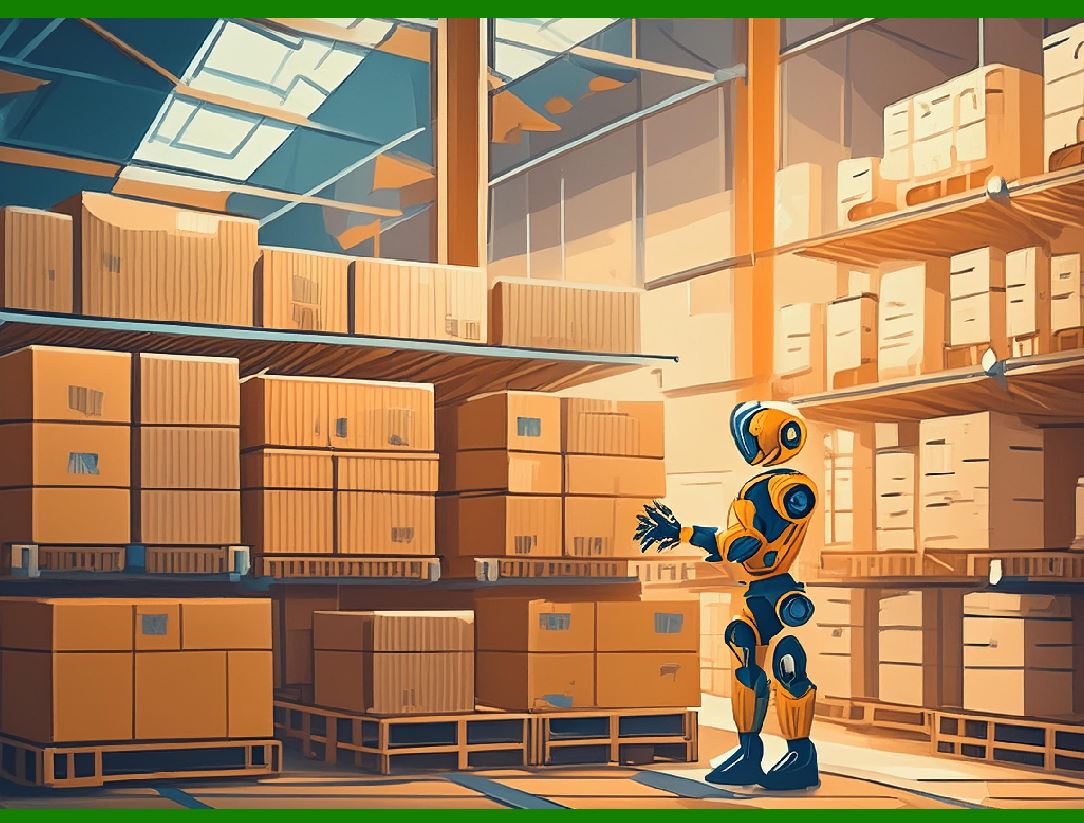
AutoStore's system consists of small robots that work on top of high-density storage grids to retrieve products and deliver them to human pickers, who then prepare orders for dispatch. Each product is marked with a barcode, which the robots scan to identify its exact location in the grid. |
Key Features of the System: |
Automated Storage and Retrieval (ASRS): The robots in these systems operate by scanning barcodes attached to storage bins. Once a product is requested, the robots autonomously navigate through a grid of stacked bins to retrieve the product and deliver it to the human picker. |
Barcode-Enabled Navigation: Robots equipped with barcode scanners ensure that each bin is correctly identified. The barcode data also helps maintain real-time inventory updates, reducing the risk of stockouts or product misplacement. |
Worker Safety Impact: |
Reducing Manual Lifting and Reaching: With the robots handling the task of retrieving heavy or bulky products from high shelves, human workers no longer need to engage in dangerous activities like climbing ladders or lifting heavy items. This significantly reduces the risk of falls or injuries associated with physical strain. |
Minimizing Errors and Injuries from Picking: Manual picking of items often leads to mistakes in order fulfillment, such as picking the wrong item or damaging products. Barcode-enabled robots help mitigate these risks by ensuring accurate retrieval, thereby reducing errors and the associated safety risks of handling wrong products. |
Enhanced Efficiency: The robots work in coordination with human workers, performing time-consuming tasks such as retrieving and transporting goods. This allows human workers to focus on order preparation and quality control, reducing the overall workload and lowering the chances of injury due to repetitive tasks. |
Results: |
Since implementing robotic systems, both AutoStore and Ocado have significantly improved warehouse efficiency while ensuring worker safety. Ocado, for instance, reported a 50% increase in the speed of fulfilling customer orders after implementing automation. Furthermore, injury rates have decreased because the robots take over physically demanding tasks, creating a safer and more productive work environment. |
In AutoStore's case, the robots help optimize space usage and speed up the order fulfillment process, while also minimizing the amount of physical labor needed from employees. This has led to a reduction in worker fatigue and fewer injuries related to manual handling. |
|
7.3 Case Study 3: Toyota's Robotic Forklifts in Manufacturing |
Industry: Automotive Manufacturing |
Location: Japan (Toyota Production Plants) |
Technology: Robotic forklifts, barcode scanning for logistics |
Overview: |
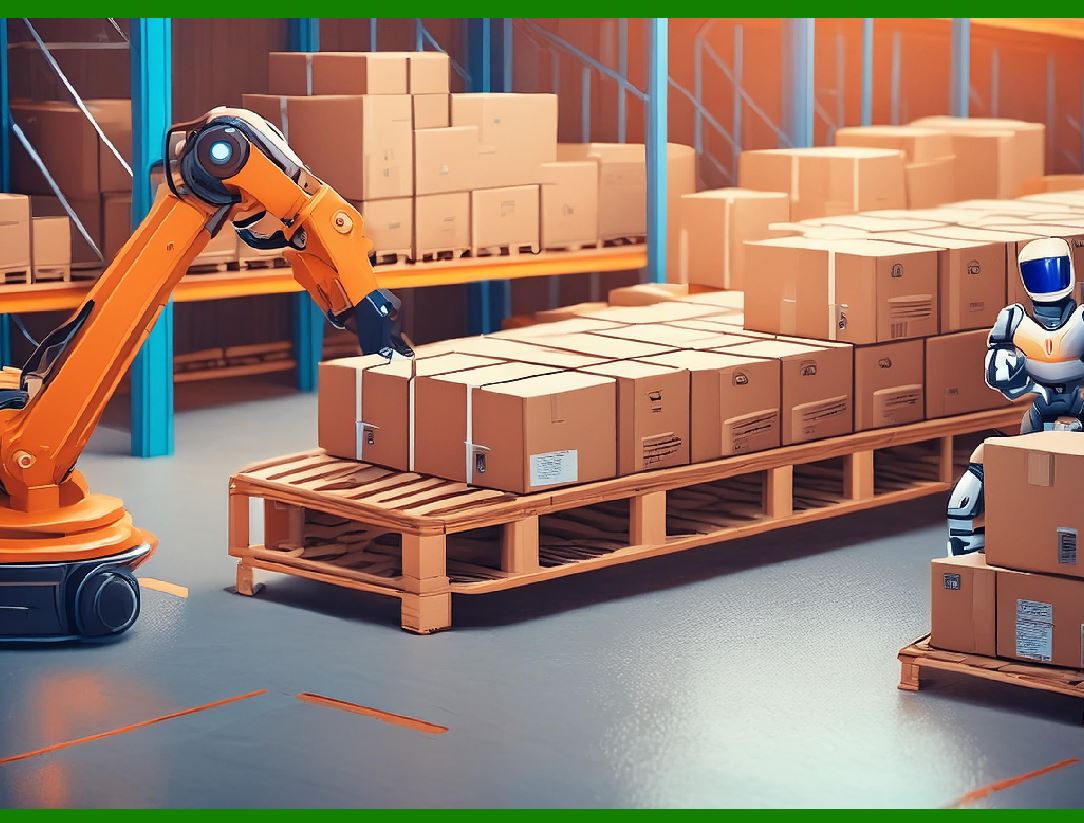
Toyota, a leader in automotive manufacturing, has incorporated robotic forklifts into its production facilities to help automate material handling and inventory management. These forklifts are equipped with barcode scanning technology to streamline the movement of parts and raw materials in a highly complex manufacturing environment. |
Key Features of the System: |
Robotic Forklifts: These forklifts are designed to autonomously pick up and transport materials across the production floor. They scan barcodes on pallets and racks to identify their location and navigate to the appropriate destination without human intervention. |
Integration with Inventory Systems: The barcode scanning feature helps the forklifts communicate with the company's inventory management systems, updating stock levels in real-time and reducing the risk of inventory discrepancies. |
Worker Safety Impact: |
Elimination of Manual Forklift Operation: The introduction of robotic forklifts means that human workers no longer have to manually operate heavy machinery in potentially dangerous environments. Operating traditional forklifts in busy production settings is a common cause of accidents. By automating this process, Toyota has significantly reduced the risk of accidents such as collisions, run-overs, and injuries from lifting heavy materials. |
Enhanced Precision in Material Handling: Barcode scanning technology allows the robotic forklifts to handle materials with extreme precision, ensuring that parts are delivered to the right location and in the right quantity. This reduces the likelihood of accidents caused by misplacement or mix-ups. |
Reduced Worker Exposure to Hazardous Environments: In manufacturing plants, workers are often required to interact with hazardous machinery and environments. By using robotic forklifts to transport parts and materials autonomously, Toyota has minimized human exposure to these hazardous areas, thus improving overall workplace safety. |
Results: |
Toyota's robotic forklifts have significantly improved safety outcomes in its production plants. By automating material handling, Toyota has reported a sharp reduction in accidents related to forklift operation. Furthermore, the implementation of barcode scanning robots has led to more efficient inventory management, reducing the chances of material shortages and delays, and improving the overall flow of operations. |
|
7.4 Case Study 4: L'Or¨¦al's Robotic Warehouse for Beauty Products |
Industry: Cosmetics and Beauty Products |
Location: United States (L'Or¨¦al Distribution Centers) |
Technology: Automated Guided Vehicles (AGVs), barcode scanning |
Overview: |
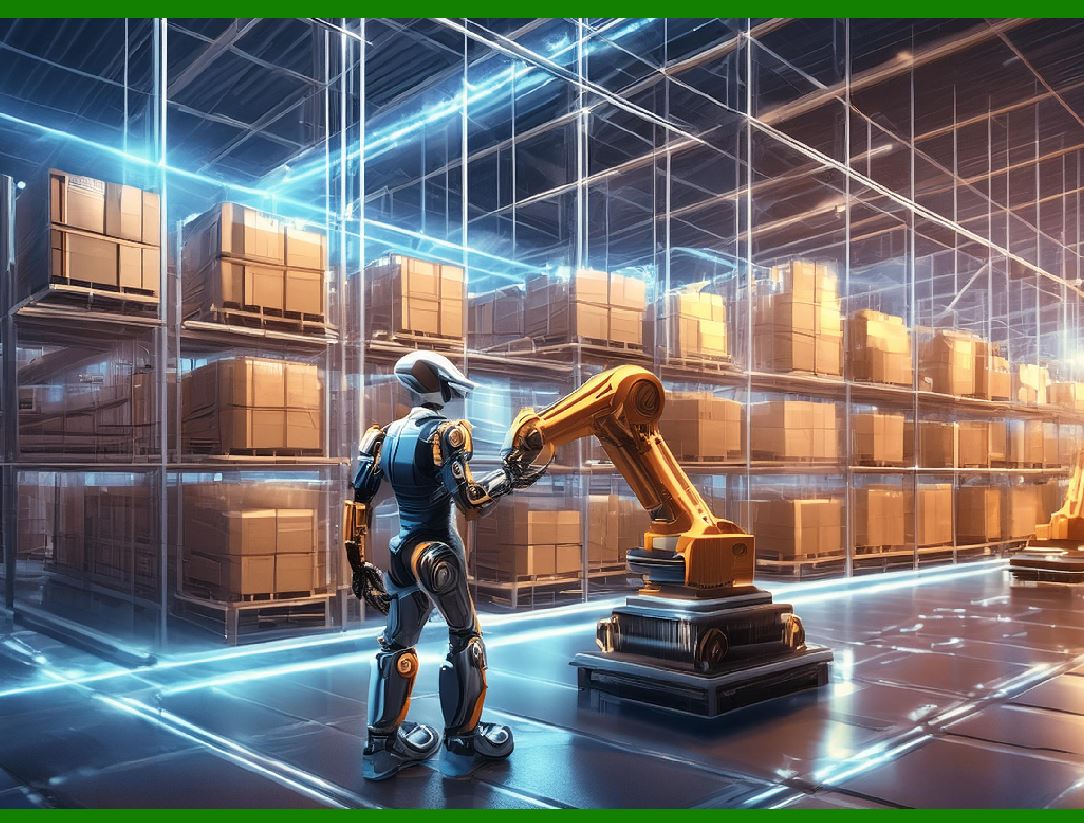
L'Or¨¦al, a global leader in beauty products, has implemented robotics and automation in its U.S. distribution centers to manage the storage, retrieval, and shipping of its extensive range of products. The company uses Automated Guided Vehicles (AGVs) equipped with barcode scanning technology to improve worker safety and operational efficiency. |
Key Features of the System: |
AGVs for Product Transport: These robots automatically navigate through the warehouse to pick up and transport goods. Each product is tagged with a barcode, which is scanned by the AGVs to ensure correct identification and location. |
Barcode Scanning for Inventory Tracking: The AGVs are integrated with L'Or¨¦al's inventory management system, allowing them to update stock levels in real-time. This ensures that workers have up-to-date information on product availability and warehouse conditions. |
Worker Safety Impact: |
Reduced Need for Manual Material Handling: AGVs transport goods from one point to another, eliminating the need for workers to manually lift or move heavy products, which can lead to strain and injury. This is particularly important in the beauty industry, where products are often stored in bulky, multi-product boxes. |
Improved Precision and Reduced Errors: Barcode scanning ensures that products are accurately identified and delivered to the correct location. This reduces the risk of handling errors that could lead to accidents, such as workers reaching for the wrong product or working in areas with unstocked inventory. |
Reduced Workplace Congestion: AGVs navigate autonomously and avoid collisions with workers. By automating the transportation of goods, L'Or¨¦al has reduced congestion in high-traffic areas of the warehouse, further decreasing the risk of workplace accidents. |
Results: |
L'Or¨¦al's use of barcode-enabled robots has led to a marked improvement in warehouse safety. With fewer manual handling tasks and more automated operations, the company has seen a decrease in worker injuries and a more streamlined distribution process. Furthermore, the integration of real-time inventory tracking has helped minimize the risk of stockouts and order errors, enhancing operational efficiency. |
|
8. Conclusion |
These case studies demonstrate the significant impact that barcode-enabled robots can have on worker safety across a range of industries. By automating tasks that are physically demanding, repetitive, or dangerous, robots reduce the risk of injury, improve precision, and enable workers to focus on more complex and value-added tasks. In turn, companies experience not only a reduction in injury rates but also increased efficiency, productivity, and overall worker satisfaction. As automation technologies continue to evolve, barcode-enabled robots will play an increasingly crucial role in ensuring the safety and well-being of workers in many sectors. |
 cs@easiersoft.com