1. Introduction to Robot Guards |
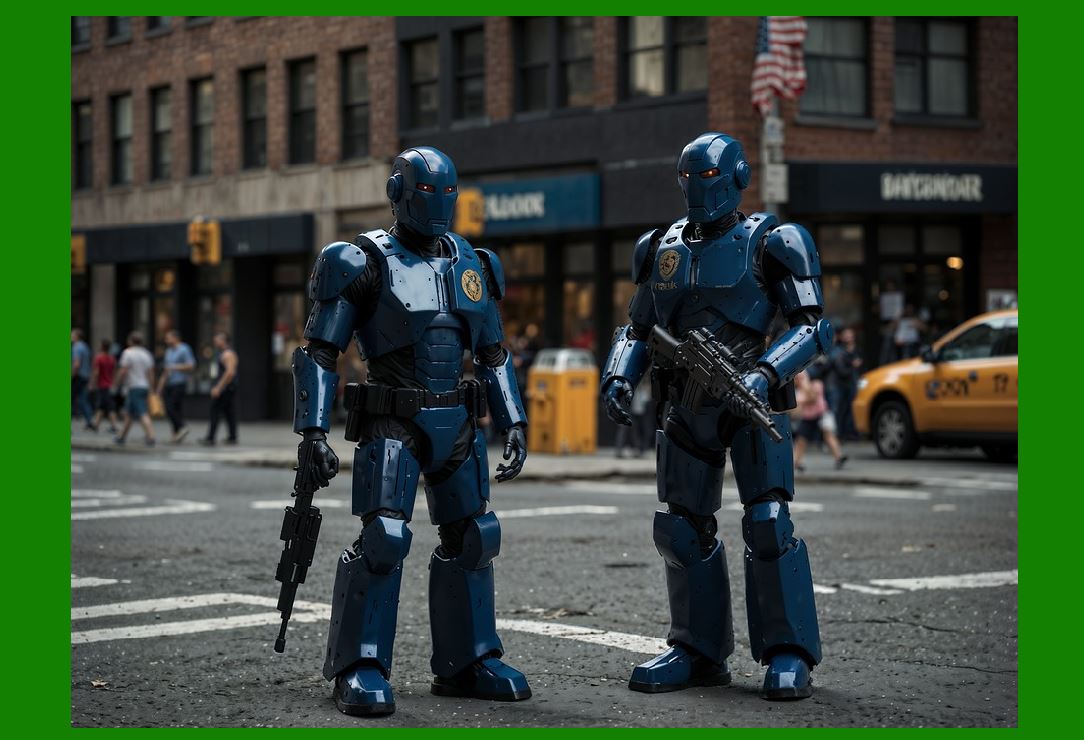
Robot guards are an emerging technology in the field of security and surveillance, combining advancements in robotics, artificial intelligence (AI), and automation. These robots are designed to perform a variety of security tasks traditionally handled by human guards. From patrolling properties to monitoring surveillance cameras, these robots aim to enhance safety by reducing human error, increasing efficiency, and providing a more consistent, data-driven approach to security management. |
Unlike the traditional security guards, who rely on physical presence, human intuition, and the ability to make judgment calls based on experience, robot guards are driven by algorithms, sensors, and real-time data processing. They can act autonomously, while still being able to interface with human operators when needed. This chapter will provide a comprehensive overview of robot guards, including their capabilities, types, benefits, limitations, and the role they are poised to play in modern security systems. |
|
2. Technological Foundations of Robot Guards |
At the core of robot guards lies a sophisticated combination of sensors, artificial intelligence, machine learning, and robotics. These technologies work together to enable robots to detect threats, navigate environments, make decisions, and interact with humans in various ways. Here's a closer look at the key components that make up a robot guard. |
2.1 Sensors |
The sensory capabilities of robot guards are perhaps the most critical aspect of their design. These sensors allow the robot to perceive its environment and gather crucial data for decision-making. Some of the most commonly used sensors in robot guards include: |
Cameras: Visual surveillance is often one of the most critical aspects of security. Robot guards are equipped with high-definition cameras that can capture live video streams, take high-resolution photographs, and recognize faces or objects. These cameras can be paired with computer vision algorithms to help the robot analyze the scene and detect potential security threats, such as unauthorized individuals or suspicious activity. |
LIDAR (Light Detection and Ranging): LIDAR sensors are used for precise distance measurement. LIDAR technology emits laser beams and measures how long it takes for the beams to return after hitting an object. This enables robot guards to build accurate 3D maps of their environment, detect obstacles, and navigate complex spaces, such as office buildings or warehouses. |
Infrared Sensors: Infrared sensors are used to detect heat signatures, which is useful for identifying individuals or animals in low-light conditions. They can also assist in detecting hidden objects, such as weapons or contraband, by detecting temperature variations. |
Motion Sensors: These sensors detect movement and can be crucial in triggering security alerts. When an intruder is detected, the robot can immediately respond by sounding alarms or alerting human security personnel. |
Environmental Sensors: Some robot guards are also equipped with environmental sensors that can detect hazards such as gas leaks, fires, or chemical spills. This is particularly important in industrial and hazardous environments where robot guards can be deployed to monitor the safety of employees and equipment. |
2.2 Artificial Intelligence (AI) |
Artificial intelligence plays a critical role in enabling robot guards to perform their tasks autonomously. AI algorithms process data gathered by the sensors and allow the robot to make decisions based on that data. This can involve pathfinding, identifying suspicious activities, or even interacting with people. Some examples of AI technologies used in robot guards include: |
Computer Vision: Using advanced image recognition algorithms, computer vision allows robot guards to 'see' and interpret their surroundings. They can recognize faces, license plates, and even detect unusual behaviors or movements. |
Machine Learning: Through machine learning, robot guards can learn from their environments and improve their responses over time. For example, a robot might learn to recognize specific security risks by being trained on large datasets, such as videos of previous intrusions, to recognize patterns of behavior. |
Natural Language Processing (NLP): Some robot guards are designed to communicate with humans. NLP enables the robot to understand spoken language, allowing security personnel to interact with the robot through voice commands or even engage with intruders in a non-threatening way. |
2.3 Mobility and Navigation |
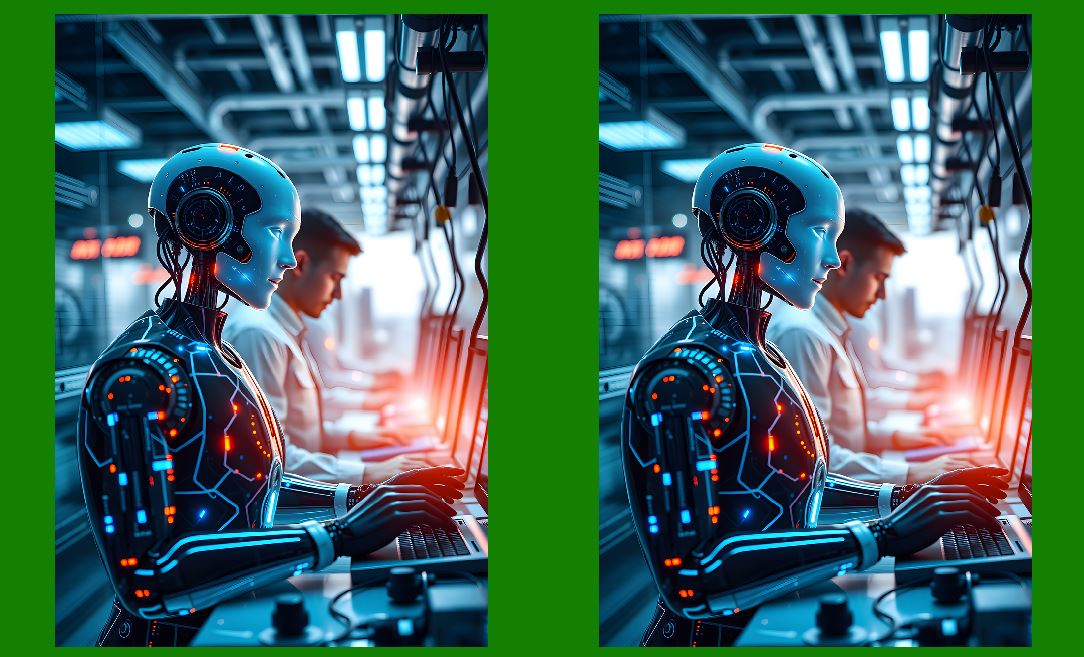
Robots used for security purposes need to navigate complex environments efficiently. This involves both physical mobility and spatial awareness. The mobility of a robot guard is determined by its design and the type of terrain it is built to navigate. Some robots are designed to move on wheels or tracks, while others may have legs, enabling them to traverse stairs or rough terrain. |
Autonomous Navigation: Robot guards are often equipped with autonomous navigation systems, such as simultaneous localization and mapping (SLAM), which help them navigate unknown or dynamic environments without human intervention. These systems allow the robot to create a map of its surroundings and navigate efficiently, avoiding obstacles and ensuring it can patrol designated areas. |
Obstacle Detection and Avoidance: Using data from LIDAR, cameras, and other sensors, robot guards can detect obstacles in their path and adjust their movements accordingly. This is crucial for maintaining safe patrol routes and preventing the robot from getting stuck or causing damage. |
|
3. Types of Robot Guards |
There are various types of robot guards, each designed to serve different security functions. These robots vary in complexity, range of functionality, and deployment environment. Below are some of the most common types of robot guards used in security settings. |
3.1 Patrol Robots |
Patrol robots are designed to patrol predetermined areas and monitor for potential security threats. These robots are equipped with a variety of sensors, such as cameras, motion detectors, and LIDAR, to scan their surroundings and detect any irregularities. |
Patrol robots typically follow specific routes, which can be programmed and adjusted based on the security needs of the site. For instance, some patrol robots are designed to navigate office buildings, while others may be used in larger industrial sites or outdoor areas, such as warehouses or shopping malls. |
Some patrol robots are autonomous, meaning they can operate without human intervention for long periods. However, they also come equipped with communication systems to alert human security personnel if they detect anything suspicious. These robots can send real-time data, images, or video footage to a remote operator for further analysis. |
3.2 Surveillance Robots |
Surveillance robots are generally stationary units designed to monitor and record activity in a specific area. These robots often have high-powered cameras and sensors that can scan for motion, detect faces, and even track individuals over time. Surveillance robots are typically deployed in high-risk areas, such as entrances to secure facilities or in areas where there is a high likelihood of criminal activity. |
These robots can be integrated with broader security systems, such as video surveillance feeds, allowing security personnel to have a real-time view of the premises from multiple angles. Many surveillance robots can be connected to cloud systems, where the recorded footage is stored and analyzed for future investigation. |
3.3 Intervention Robots |
Intervention robots go beyond surveillance by actively intervening when a security threat is detected. These robots are designed to respond to intruders by either physically deterring them or alerting human authorities for backup. |
For instance, some intervention robots are equipped with the capability to emit loud alarms, flashing lights, or even deliver non-lethal deterrents such as pepper spray. More advanced models may even be equipped with automated weapons or other defensive tools, though this remains a controversial aspect of the technology. |
3.4 Hybrid Security Robots |
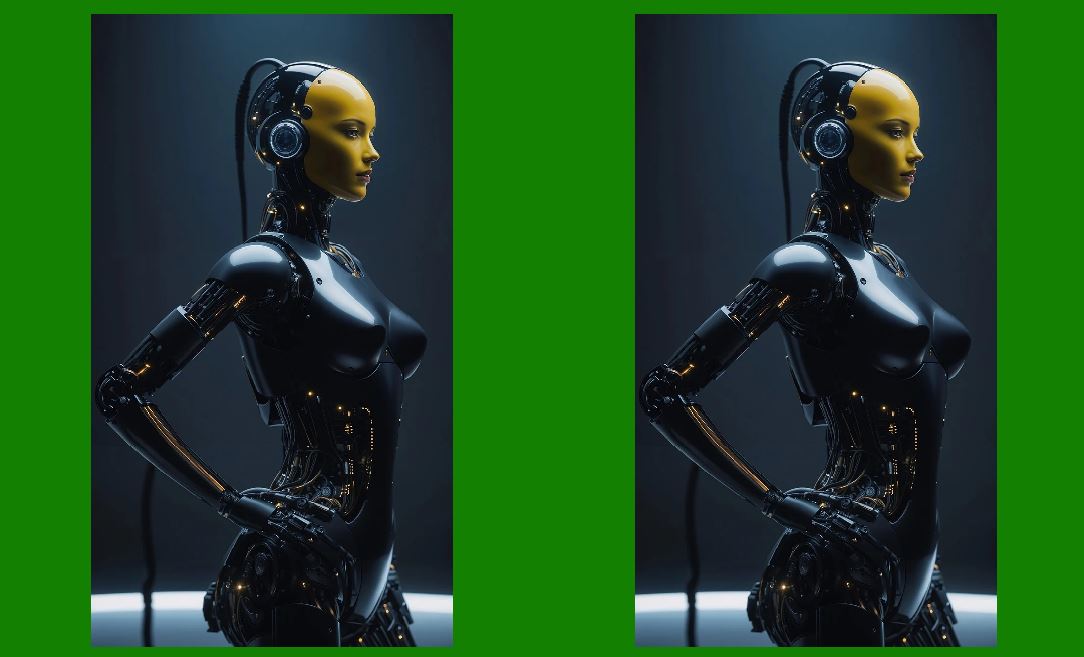
Hybrid security robots combine various functions to create a more versatile security solution. These robots are equipped with a combination of surveillance capabilities, patrolling features, and intervention mechanisms. Hybrid robots might have the ability to patrol an area, identify and report security breaches, and even respond to intruders by contacting human authorities or triggering an alarm. These robots may also include advanced AI systems that allow them to recognize human behavior and assess situations more effectively. |
|
4. Benefits of Robot Guards |
The introduction of robot guards into security operations offers several notable benefits over traditional human-driven security systems. These benefits range from cost savings and efficiency to improved safety and data analytics. |
4.1 Cost Efficiency |
Although the initial investment in robot guard technology can be significant, over time, they can offer substantial cost savings. Robots do not require salaries, benefits, or time off, making them a more cost-effective long-term solution than human security guards. Additionally, robots can operate 24/7 without the need for breaks, reducing the need for multiple shifts or overtime payments. |
4.2 Enhanced Efficiency and Accuracy |
Robot guards can perform their tasks with a level of efficiency and consistency that is difficult for human guards to match. They are capable of scanning vast areas, identifying potential threats, and collecting data without fatigue. Moreover, their ability to analyze data from multiple sensors at once means that they can detect issues that might otherwise go unnoticed by human security staff. |
4.3 Improved Safety |
Robot guards can be deployed in dangerous or hazardous environments where human security personnel might be at risk. For example, robots can be used in environments with hazardous chemicals, extreme temperatures, or potential criminal activity. By performing patrols or intervention tasks, robot guards reduce the likelihood of harm to human workers or security staff. |
4.4 Real-Time Data and Analytics |
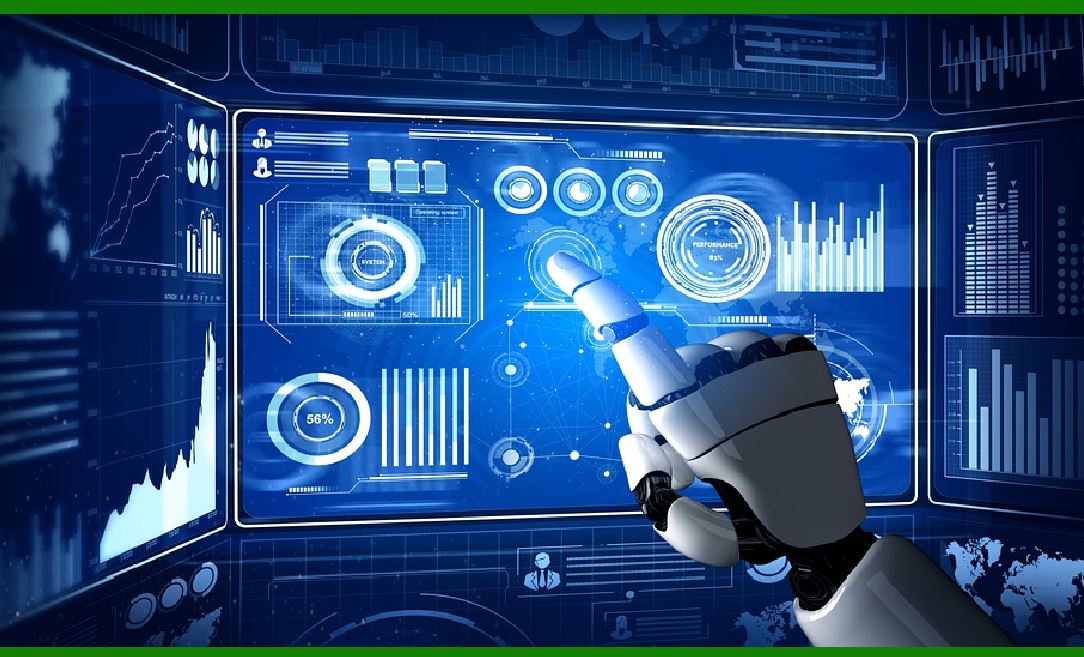
Robot guards collect vast amounts of data during their patrols, which can be analyzed to provide insights into security trends. This data can be used to improve security protocols, identify weaknesses, and even predict future security threats based on historical patterns. AI systems can help identify patterns that humans might overlook, enabling more proactive and data-driven decision-making. |

|
5. Limitations of Robot Guards |
While robot guards offer many advantages, they also face certain limitations and challenges that must be addressed before they can fully replace human security personnel. |
5.1 Technical Limitations |
Despite significant advancements in AI and robotics, there are still many technical challenges to overcome. For example, robot guards can struggle with complex environments or unforeseen obstacles. Their sensors may also be limited by environmental conditions such as poor lighting, heavy rain, or snow, which could interfere with their ability to detect threats. |
5.2 Ethical Concerns |
The use of robot guards raises significant ethical concerns, especially regarding privacy and the potential misuse of surveillance technology. For example, there may be concerns about robots monitoring personal or sensitive areas without the consent of individuals. Additionally, the potential for robotic weapons or non-lethal deterrents raises questions about the appropriate level of force in a security situation. |
5.3 High Initial Costs |
Although robot guards offer cost savings over time, the initial investment can be quite high. The development, deployment, and maintenance of robot guards require significant resources. Smaller companies or facilities with limited security budgets may find it difficult to adopt this technology in the short term. |
|
6. Conclusion |
Robot guards are a transformative technology with the potential to revolutionize the security industry. By combining advanced sensors, AI, and robotics, these systems are capable of performing a wide range of security tasks more efficiently and cost-effectively than human security personnel. While they are still evolving, robot guards are already proving valuable in a variety of applications, from patrolling office buildings to enhancing surveillance in high-risk environments. |
Despite some challenges and limitations, the future of robot guards looks promising, with continued advancements in AI, machine learning, and robotics expected to enhance their capabilities further. As these technologies continue to evolve, it is likely that robot guards will become an integral part of modern security systems, offering enhanced protection and more sophisticated threat detection across a wide range of industries. |

|
Examples of practical applications of this type of robot. |
1. Office and Commercial Building Security |
One of the most common applications of robot guards is in the security of office buildings and commercial spaces. These robots are deployed to monitor the premises, patrol hallways, check entrances, and ensure no unauthorized access is taking place. They are equipped with a variety of sensors, including cameras and motion detectors, to monitor activity in real time. |
For instance, Cobalt Robotics, a leader in security robots, has developed robots that patrol office buildings to identify security risks. These robots navigate corridors, monitor access points, and interact with employees or visitors, providing real-time video feeds to human security operators. In addition to monitoring physical activity, these robots can also detect environmental hazards, such as fires or gas leaks, and alert building management or emergency services. |
Key Features: |
Patrol designated areas in real-time. |
Detect unauthorized access and issue alarms. |
Send live data (e.g., video or sensor readings) to human operators for analysis. |
Identify environmental hazards like gas leaks or smoke. |

|
2. Warehouse and Industrial Facility Security |
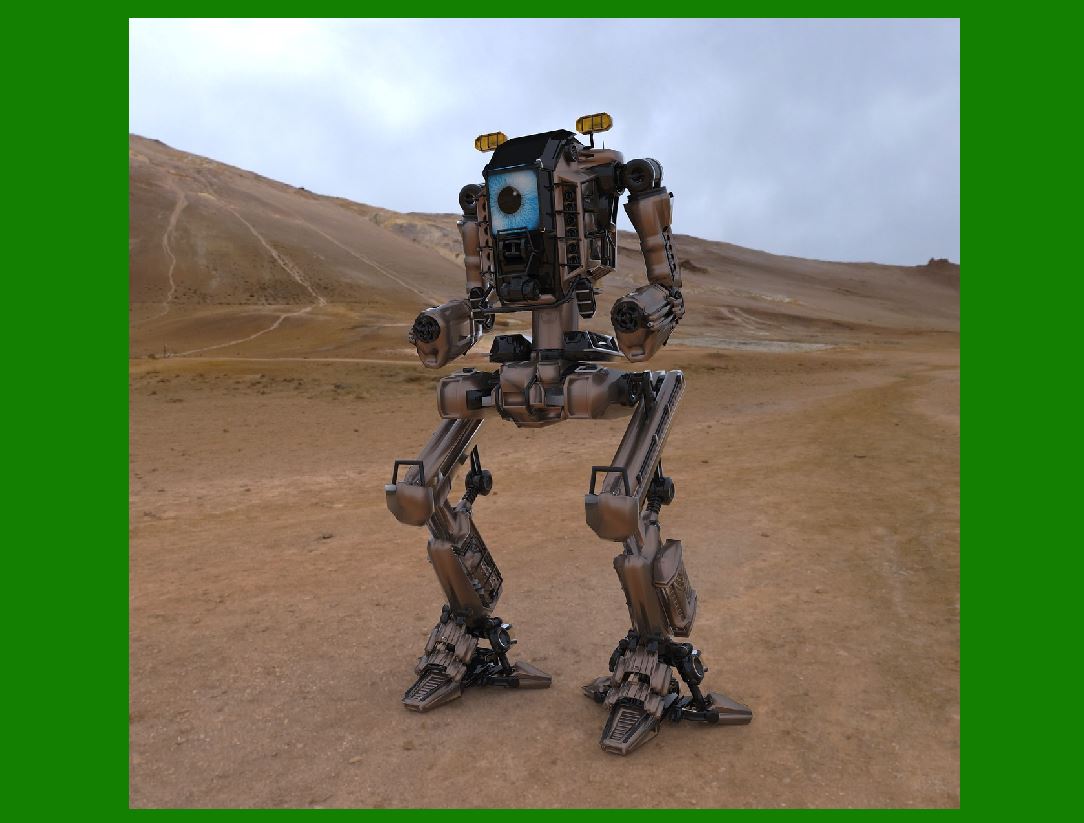
Large warehouses, distribution centers, and industrial facilities require a robust security system due to the sheer size of the space and the valuable assets stored inside. Security robots can patrol these areas autonomously to monitor for intruders or detect any signs of damage or theft. In addition to traditional security duties, robot guards can also check inventory and ensure that nothing has been tampered with. |
For example, the robots developed by companies like Knightscope are used to patrol warehouses and logistics centers, ensuring that employees and assets are safe. These robots can autonomously navigate the entire facility, looking for suspicious activity or anomalies, such as open gates or doors that should be closed. They can also provide enhanced security for restricted zones by recognizing and alerting security personnel if an unauthorized person enters these areas. |
Key Features: |
Autonomous patrolling of large, complex environments. |
Detects unauthorized access to restricted areas or unsafe conditions. |
Integration with inventory management systems for added monitoring capabilities. |
24/7 monitoring and data collection for incident analysis and audit. |
|
3. Retail and Shopping Mall Security |
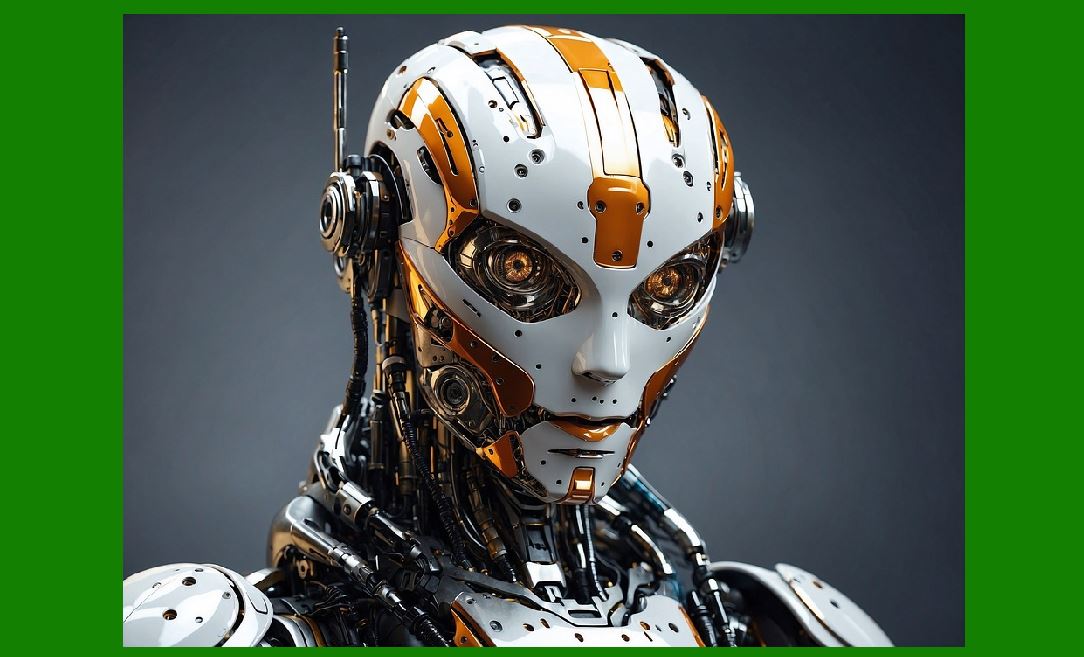
In retail spaces and shopping malls, robot guards serve as a deterrent to theft and vandalism while providing an extra layer of surveillance. These robots often patrol store aisles and mall corridors, checking for suspicious activities such as shoplifting or loitering. |
Some retail chains have experimented with robot security, such as Lowe's, which deployed robots in their stores to help monitor store activity and assist with inventory management. Similarly, robots in shopping malls may patrol entrances, monitor public spaces, and even interact with customers. By providing both surveillance and customer service, robots can enhance security while also improving the customer experience. |
Key Features: |
Surveillance of large, busy spaces with high foot traffic. |
Detection of suspicious behaviors, such as theft or vandalism. |
Interaction with customers, answering basic questions or providing directions. |
Integration with store security systems and alarm mechanisms for real-time alerts. |
|
4. Airport and Transportation Hub Security |
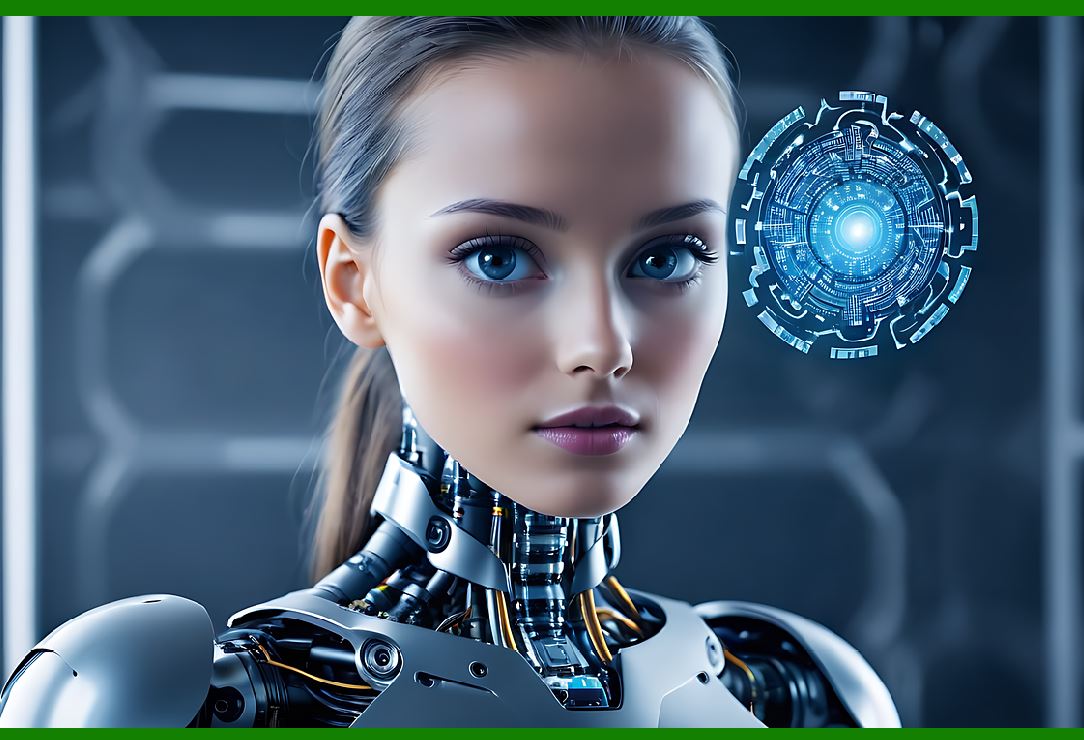
Security robots are increasingly being deployed at airports and other transportation hubs (e.g., bus terminals, train stations) to help manage the large crowds and ensure safety. These robots can patrol terminals, monitor access points, and even perform routine checks on security gates. They can help identify unattended bags, detect suspicious behavior, or assist in crowd control by providing real-time surveillance footage to human security personnel. |
For example, at certain airports, robots equipped with advanced AI can scan for unauthorized or prohibited items in luggage, detect unusual activity through video surveillance, and communicate with security staff. They can even direct travelers to the proper security lines, gates, or amenities, enhancing both security and customer experience. |
Key Features: |
Autonomous patrolling of airport terminals or transportation hubs. |
Detection of abandoned bags or unusual behavior patterns. |
Assistance with crowd management and traveler guidance. |
Integration with airport security systems to alert authorities of threats or breaches. |
|
5. Public Space and Event Security |
During large public events or gatherings, such as concerts, sporting events, or conventions, security robots can provide additional monitoring and crowd management. These robots can patrol the event area, monitor entrances, check for restricted access, and help with crowd control. They can also work in conjunction with human security personnel, providing them with real-time video feeds, temperature data, and access to remote controls. |
For instance, during large public gatherings, such as the CES (Consumer Electronics Show) or the Super Bowl, robots have been deployed to ensure the safety of attendees. They assist in detecting potential threats and ensuring that no unauthorized persons enter restricted areas. Robots like those produced by Knightscope can be stationed at key locations, patrolling and scanning the crowd for suspicious behaviors. |
Key Features: |
Patrol large public venues during high-traffic events. |
Detect and alert security teams to unusual or suspicious activity. |
Monitor and manage crowd behavior to prevent accidents or disruptions. |
Provide surveillance in areas difficult to monitor by human security staff. |
|
6. Hospital and Healthcare Facility Security |
Hospitals and healthcare facilities are critical environments that require constant vigilance to protect both patients and staff. Robot guards can assist by patrolling the premises, monitoring entrances, and ensuring that only authorized personnel enter sensitive areas, such as operating rooms or intensive care units. |
In some hospitals, robots are deployed to ensure that only patients, staff, and authorized visitors access critical areas, preventing potential security breaches. These robots can also perform surveillance in parking garages or remote areas where human patrols may be insufficient. Additionally, robots may assist in monitoring emergency exits and ensuring that fire safety protocols are followed. |
Key Features: |
Secure monitoring of sensitive healthcare environments. |
Surveillance of areas with high foot traffic or where theft or accidents may occur. |
Alerting staff to safety hazards or security breaches in real time. |
Integration with building systems, such as alarm systems, lighting, or emergency protocols. |
|
7. Military and Defense Applications |
Robot guards also have military and defense applications, particularly in high-risk areas such as military bases or border control. These robots can patrol sensitive zones, monitor the movement of personnel, and detect intruders or unauthorized vehicles. They may be used for border surveillance, monitoring strategic infrastructure, or as part of military reconnaissance missions. |
For example, autonomous robots equipped with infrared cameras and motion sensors can be deployed to monitor border areas, tracking vehicles or individuals that attempt to cross into restricted zones. They can provide surveillance data to military personnel and may even be equipped with deterrents such as warning signals or non-lethal weapons to repel intruders. |
Key Features: |
Patrolling border areas or restricted military zones. |
Surveillance of sensitive infrastructure or high-security facilities. |
Detection of unauthorized movement or intrusion. |
Integration with military surveillance systems for real-time data sharing. |
|
8. Smart City and Urban Security |
In the context of smart cities, robot guards can enhance the safety of urban environments by providing round-the-clock surveillance and patrolling. These robots may roam through city streets, parks, or public spaces, ensuring safety in areas that are typically difficult to monitor with traditional methods. |
Robot guards in smart cities can also assist in monitoring public transportation systems, tracking vandalism or theft in public places, and assisting with emergency responses. For instance, the city of Dubai has been experimenting with the use of robot police officers that patrol public areas, monitor traffic, and interact with citizens to report incidents. |
Key Features: |
Autonomous patrols of public streets, parks, and other public spaces. |
Detection of potential security threats, such as loitering or violent behavior. |
Integration with citywide surveillance systems and emergency services. |
Enhancing overall public safety while reducing the need for human police presence. |
|
9. Critical Infrastructure Protection |
Critical infrastructure such as power plants, water treatment facilities, and telecommunication towers are vital to a country's functioning and need continuous protection. Security robots can be deployed to patrol these facilities, monitor for unauthorized access, and ensure that there are no physical threats such as sabotage or vandalism. |
These robots can conduct perimeter checks, ensure that fences and gates are secure, and even verify that there are no security breaches within the facility's inner operations. Their ability to perform surveillance in remote or difficult-to-access areas makes them particularly valuable in ensuring the continuous safety of critical infrastructure. |
Key Features: |
Continuous surveillance of critical infrastructure facilities. |
Perimeter security checks to ensure the integrity of physical barriers. |
Detection of potential safety hazards or threats to the facility. |
Integration with operational security systems for quick alerts to management teams. |

|
10. Residential and Private Property Security |
Although most robot guards are deployed in commercial, industrial, or public settings, there is also growing interest in using them in residential properties. High-end residential areas or private estates can benefit from the constant surveillance and protection offered by robot guards. |
These robots can patrol the grounds of private estates, monitor gated entrances, and detect any suspicious activity around the property. Additionally, the use of robot guards in residential areas can provide owners with peace of mind by delivering real-time video feeds of the property, allowing for remote monitoring via mobile apps or web portals. |
Key Features: |
Surveillance and patrol of residential properties or private estates. |
Detection of intruders or unauthorized access to the property. |
Remote monitoring through apps or integrated security systems. |
Integration with home automation systems (e.g., alarms, lighting, cameras). |
|
Conclusion |
The practical applications of robot guards are diverse and expanding across various industries and environments. Whether in commercial buildings, warehouses, airports, or even residential properties, robot guards offer unique advantages in terms of efficiency, cost-effectiveness, and security. As technology continues to evolve, the role of these robots in safeguarding our spaces will likely grow, enabling a safer and more secure environment for individuals and organizations alike. |
 cs@easiersoft.com