1. Introduction to Robotic Pets |
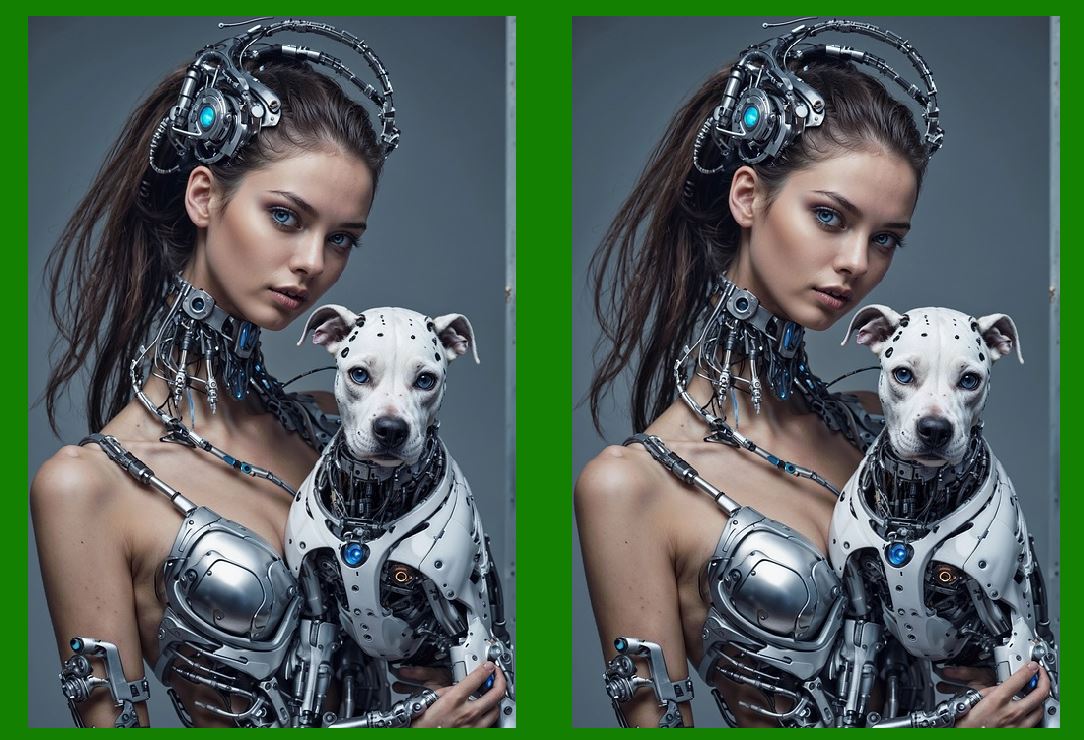
In recent years, the concept of robotic pets has gained popularity, particularly among people who are unable to care for live animals. These robotic companions, such as Sony's Aibo and Hasbro's FurReal Friends, offer the companionship and emotional support that pets typically provide, without the typical responsibilities of feeding, grooming, and cleaning up after them. These pets mimic many behaviors of real animals, such as responding to touch, sound, and even facial expressions, and they offer a promising alternative for people who may have physical or emotional limitations that prevent them from caring for a traditional pet. |
Robotic pets cater to a variety of people, including the elderly, individuals with disabilities, and those who live in environments where keeping a live pet is not feasible. With advancements in artificial intelligence (AI), robotics, and machine learning, these robotic companions are becoming increasingly sophisticated, providing users with an experience that closely resembles the interaction with a real pet. In this comprehensive discussion, we will explore the different types of robotic pets, their technologies, their benefits, and their potential impact on society. |
|
2. Types of Robotic Pets |
Robotic pets come in various forms, each designed to meet different needs and preferences. While some aim to replicate specific animal species, others offer more generic forms of companionship. The most notable examples of robotic pets include Sony's Aibo, Hasbro's FurReal Friends, and other interactive robotic animals designed for both children and adults. These robotic pets vary in appearance, functionality, and level of interaction, offering a wide range of options for consumers. |
2.1 Sony's Aibo |
Aibo, the iconic robotic dog developed by Sony, is one of the most advanced robotic pets available today. Originally launched in the late 1990s, Aibo has undergone several iterations, with the latest models utilizing cutting-edge AI technology. Aibo can perform a variety of tasks, from responding to voice commands to recognizing its owner's face. It can also display a range of emotions, such as happiness, excitement, or sadness, through movements and vocalizations. The robot's body is designed to mimic that of a dog, complete with a tail, ears, and eyes that can express different emotional states. |
Aibo is equipped with sensors that allow it to detect touch and movement, as well as a set of cameras that enable it to recognize faces and objects in its environment. It can navigate its surroundings using advanced motion algorithms and even adapt its behavior based on the experiences it has with its owner. Over time, Aibo learns to become more attuned to the personality and preferences of its owner, improving its interactions and increasing its emotional bond with the user. |
2.2 FurReal Friends |
FurReal Friends, produced by Hasbro, is a line of interactive robotic pets designed primarily for children. These toys are available in various forms, including cats, dogs, and even more exotic creatures like pandas and elephants. While FurReal Friends are less sophisticated than Aibo in terms of AI and behavior, they still offer a high level of interactivity. They can respond to touch, sound, and motion, and many models can even walk, wag their tails, and make noises similar to real animals. |
FurReal Friends are designed to offer companionship and entertainment to children, particularly those who may be unable to have a live pet due to allergies or other reasons. Unlike Aibo, these robotic pets are generally simpler in design, focusing more on basic actions and less on personalized interactions. Nonetheless, they still provide a sense of joy and emotional connection, as children can care for and interact with their robotic pet in a similar way to how they might interact with a live animal. |
2.3 Other Robotic Pets |
In addition to Aibo and FurReal Friends, there are numerous other robotic pets available on the market. Some are specifically designed for therapeutic purposes, while others are intended for general companionship. For example, there are robotic cats that are designed for elderly individuals, particularly those with Alzheimer's disease or dementia. These robots are often soft and plush, with sensors that allow them to respond to touch, sound, and even the user's voice. These robotic cats are typically programmed to purr, meow, and nuzzle the user, offering comfort and emotional support to those who may be feeling isolated or anxious. |
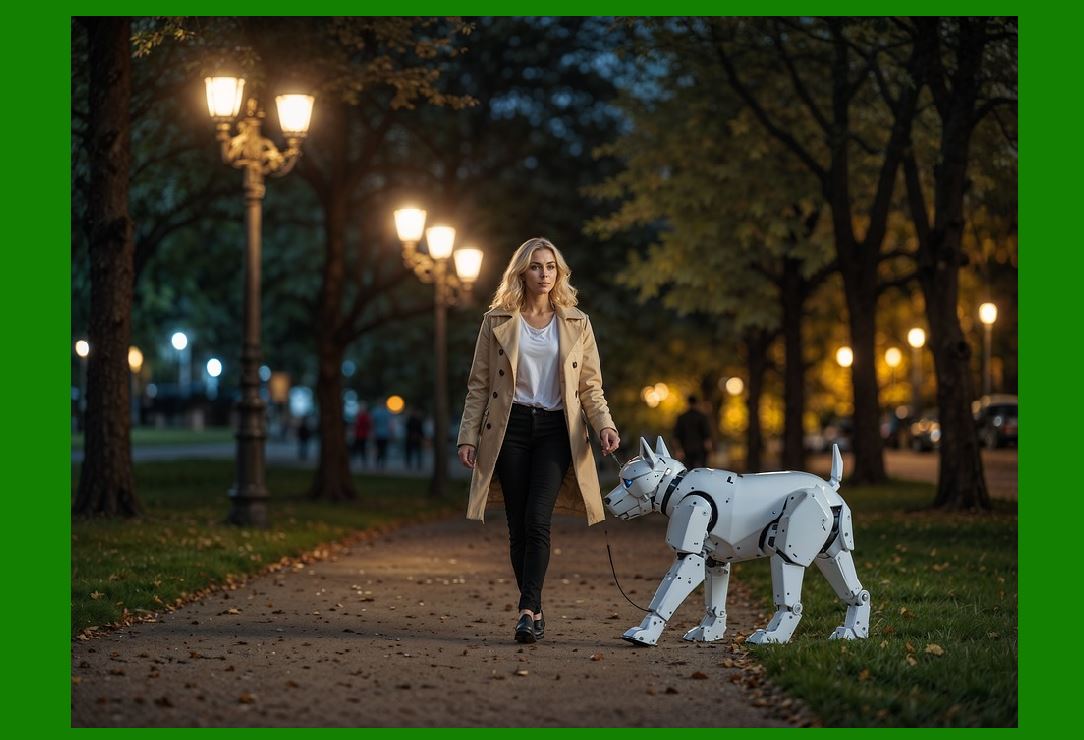
Other robotic pets include interactive toys like robotic fish, birds, and even horses, all of which are intended to provide a similar form of companionship without the need for maintenance or care. These toys often focus on fun and entertainment rather than providing emotional support, but they still offer the basic benefits of companionship. |
|
3. Key Technologies Behind Robotic Pets |
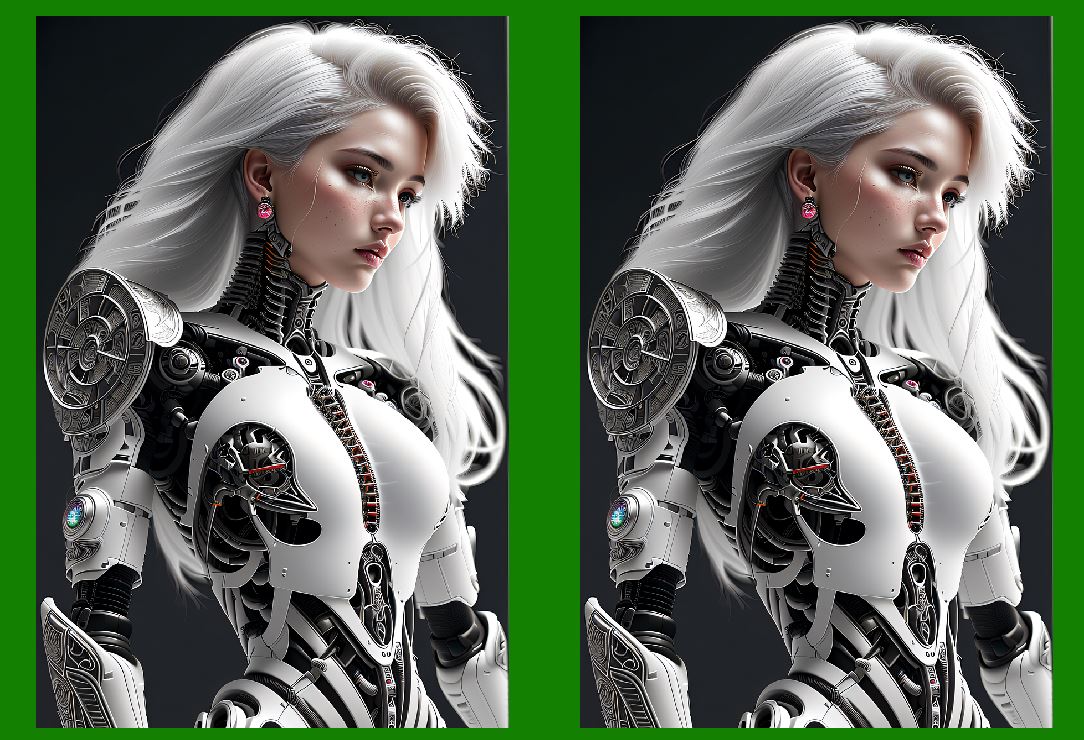
The development of robotic pets relies on several advanced technologies that allow them to simulate the behavior of real animals. These technologies include robotics, artificial intelligence (AI), machine learning, sensors, and voice recognition. Together, they enable robotic pets to interact with their environment and form connections with their owners. |
3.1 Robotics and Movement |
The core technology that allows robotic pets to move and act like real animals is robotics. Robotics involves the design and construction of machines that can carry out tasks autonomously or semi-autonomously. In the case of robotic pets, this includes the ability to walk, wag a tail, blink eyes, or even jump. The movement of robotic pets is achieved through a combination of actuators, motors, and sensors. |
For example, Aibo uses a series of motors to control its legs, allowing it to walk, sit, and lie down. The robot also uses a system of actuators to move its ears, tail, and mouth, giving it a more lifelike appearance. FurReal Friends, on the other hand, typically use motors to control simpler movements, such as wagging tails, making noises, or moving their heads. |
3.2 Artificial Intelligence and Learning |
One of the key factors that sets advanced robotic pets apart from traditional toys is their use of artificial intelligence (AI). AI allows robotic pets to simulate emotions, recognize faces, respond to commands, and learn from their interactions with humans. In Aibo's case, AI algorithms enable the robot to learn over time, adapting its behavior based on the interactions it has with its owner. |
For example, Aibo can learn its owner's preferred name and respond to commands in a way that reflects its owner's personality. It also uses machine learning to improve its behavior, making it more attuned to the emotional needs of its owner. In simpler robotic pets, such as FurReal Friends, AI is typically used for more basic functions, such as responding to sound or touch, but still provides a sense of interactivity and companionship. |
3.3 Sensors and Feedback |
Another critical component of robotic pets is the use of sensors. Sensors allow the robotic pet to detect its environment and interact with it in meaningful ways. For example, Aibo is equipped with cameras that enable it to recognize faces, as well as microphones that allow it to respond to voice commands. It also uses tactile sensors to detect when it is being petted or touched, and it can adjust its behavior accordingly. |
Similarly, FurReal Friends includes sensors that detect when the user is interacting with the pet, whether it is petting it or making sounds. These sensors allow the robotic pet to respond in ways that mimic the behaviors of real animals, such as moving its head, wagging its tail, or making sounds of contentment. |
3.4 Voice Recognition |
Voice recognition technology is another key feature in the development of robotic pets. With voice recognition, robotic pets can respond to spoken commands, ask for attention, or even recognize specific phrases associated with their owners. In more advanced robotic pets like Aibo, voice recognition is integral to the robot's ability to understand and respond to its owner's needs. Aibo can recognize certain commands like 'sit' or 'lie down' and will respond accordingly. |
Voice recognition technology also plays a role in creating a more personalized experience for robotic pet owners. Over time, the robot may learn to associate certain words or phrases with specific actions, creating a stronger bond between the user and the pet. |
|
4. Benefits of Robotic Pets |
Robotic pets provide numerous benefits to their owners, particularly for individuals who are unable to care for live animals. These benefits range from emotional support to practical advantages, such as low maintenance and affordability. |
4.1 Emotional Support |
One of the primary reasons people adopt robotic pets is for emotional support. Many individuals, especially the elderly and those living with chronic conditions, experience loneliness or depression. Robotic pets provide a form of companionship that can help alleviate feelings of isolation. The simple act of interacting with a robotic pet-whether by petting it, speaking to it, or just watching it move-can provide a sense of comfort and joy. |
In therapeutic settings, robotic pets have been used to help individuals with Alzheimer's disease, dementia, and autism. These individuals may struggle with forming connections with people, but they often respond positively to the calming presence of robotic pets. The act of petting a robotic cat or dog can help reduce anxiety, lower blood pressure, and improve mood. |
4.2 Low Maintenance |
Unlike live pets, robotic pets require very little maintenance. They do not need to be fed, cleaned, or taken for walks, making them ideal for individuals who may have difficulty performing these tasks. For example, elderly people or those with disabilities can enjoy the companionship of a robotic pet without the physical demands that come with caring for a live animal. Additionally, robotic pets are often more affordable in the long run, as they do not require ongoing costs for food, veterinary care, or other pet-related expenses. |
4.3 Accessibility |
For people with allergies, living in environments with strict pet policies, or those who travel frequently, robotic pets offer a viable solution. They provide the emotional and psychological benefits of having a pet without the practical limitations that may prevent someone from owning a live animal. Robotic pets are also easier to manage for people with mobility challenges, as they can be interacted with through simple touch or voice commands. |
4.4 Customizable and Interactive |
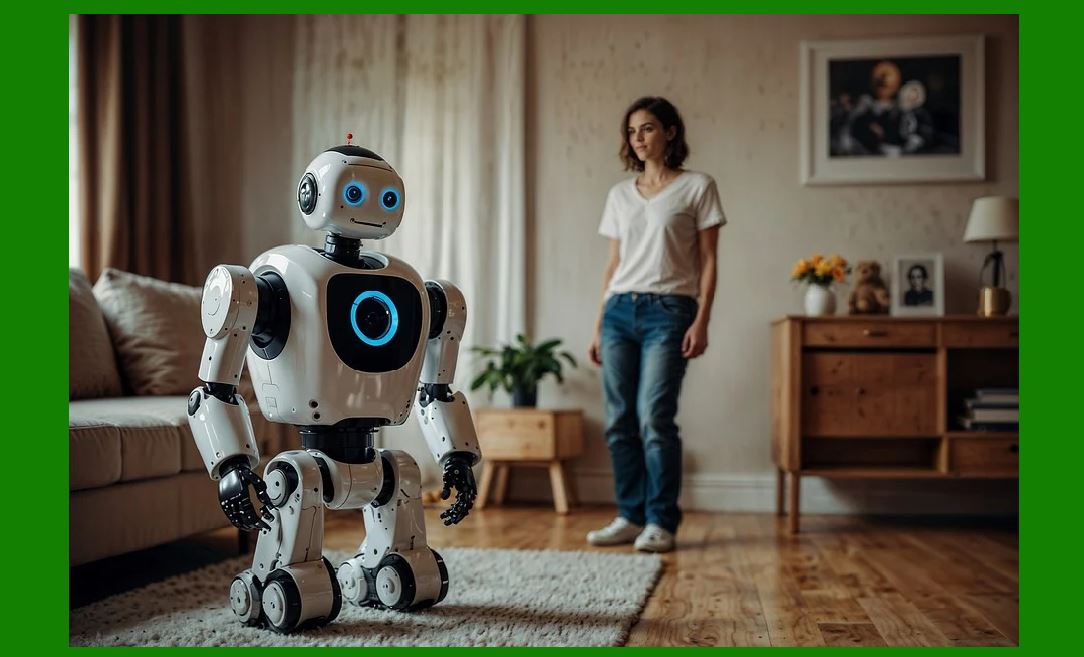
Many robotic pets offer a high degree of interactivity, allowing users to customize their experience based on their preferences. For example, Aibo can learn to respond to its owner's voice, adapt to its owner's emotional needs, and even perform tricks or specific actions on command. This level of customization helps create a more engaging and rewarding experience for the owner, making the robotic pet feel more like a true companion. |
|
5. The Future of Robotic Pets |
As technology continues to evolve, the future of robotic pets looks promising. Advances in AI, robotics, and machine learning will likely lead to even more sophisticated and lifelike robotic companions. These future pets may be able to form deeper emotional bonds with their owners, offering more personalized and nuanced interactions. |
Moreover, robotic pets could become more integrated into therapeutic practices, helping to support mental health and well-being. With advancements in haptic feedback and sensory technology, future robotic pets may be able to provide even more realistic sensations of touch, further enhancing the emotional connection between the pet and its owner. |

|
6. Conclusion |
Robotic pets represent a significant leap forward in the way we think about companionship. They offer an innovative solution for people who may not be able to care for a live animal, whether due to physical limitations, allergies, or living conditions. Through sophisticated technologies such as AI, robotics, and voice recognition, these robotic companions are able to respond to human interaction in meaningful ways, providing emotional support and a sense of connection. |
As these technologies continue to improve, robotic pets will likely become an even more integral part of our lives, providing companionship, comfort, and joy to people around the world. Whether used for therapeutic purposes, as a form of entertainment, or as a replacement for a live pet, robotic pets hold the potential to revolutionize the way we experience the bond between humans and animals. |
|
Practical Applications of Robotic Pets |
Robotic pets, such as Sony's Aibo, Hasbro's FurReal Friends, and similar devices, are not just novelty items or entertainment tools; they have practical applications that can significantly enhance people's lives. From therapeutic uses to aiding individuals with disabilities, robotic pets are making a real impact in various fields. Below are some of the most notable practical applications of robotic pets. |
1. Therapeutic Use for the Elderly and Those with Dementia |
One of the most impactful and growing areas of application for robotic pets is in geriatric care, especially for individuals suffering from dementia, Alzheimer's disease, and other forms of cognitive decline. For elderly individuals, particularly those who experience loneliness, depression, or anxiety, robotic pets provide a form of comfort and companionship without the need for constant care that a live animal would require. |
1.1 Reducing Stress and Anxiety |
Robotic pets, such as robotic cats or dogs, have been used in nursing homes and assisted living facilities to help reduce stress and anxiety in residents, especially those with dementia. These robots provide a soothing presence, and their interactions-whether through petting, responding to touch, or making soft sounds-can help calm patients and reduce agitation. The non-judgmental nature of robotic pets is particularly beneficial in situations where elderly individuals may feel frustrated or upset due to memory loss or confusion. |
1.2 Emotional Support |
Robotic pets serve as a source of emotional support for individuals who may have lost the ability to maintain meaningful relationships with family members or caretakers. The emotional bond that can develop between an elderly person and a robotic pet is similar to the bond people form with live pets, but without the complications of feeding, cleaning, and medical care. In studies, some elderly patients have shown marked improvements in mood and engagement when interacting with robotic pets, helping them to feel more connected to their environment. |
1.3 Memory and Cognitive Stimulation |
For people with Alzheimer's or other forms of dementia, some robotic pets are designed to encourage memory recall and cognitive stimulation. For example, a robotic dog or cat may mimic behaviors associated with real pets, prompting the individual to recall their past experiences with pets. Such prompts may help maintain or even improve memory functions by encouraging conversation and interaction, which in turn can delay the progression of cognitive decline. |
|
2. Supporting People with Disabilities |
Robotic pets also provide valuable support for individuals with physical and developmental disabilities. For people who have limited mobility, the ability to interact with a robot pet without the physical effort required for caring for a live animal can offer both emotional and psychological benefits. Additionally, robotic pets can be tailored to meet the specific needs of individuals with a wide range of disabilities, providing a personalized form of companionship. |
2.1 Assistive Technology for Autism |
Robotic pets can be particularly useful for individuals on the autism spectrum. Many individuals with autism spectrum disorder (ASD) find it difficult to relate to others or engage in social interactions, often feeling more comfortable with objects or machines. The interaction with a robotic pet offers a non-threatening way for people with ASD to engage socially and emotionally, helping them build social skills and emotional responses in a controlled environment. |
For example, children with autism may feel more comfortable interacting with a robotic dog like Aibo, as it can be programmed to respond predictably to touch, sound, and facial expressions. This interaction can be a stepping stone toward developing more complex social skills, such as understanding empathy, building trust, and forming relationships. |
2.2 Mobility Assistance for Individuals with Physical Disabilities |
For individuals who have limited mobility due to physical disabilities (such as paralysis or muscular dystrophy), robotic pets can offer companionship without requiring the person to physically care for a live animal. For example, robotic pets can be controlled through voice commands or simple gestures, allowing the individual to interact with them despite mobility challenges. In some cases, robotic pets can even be programmed to alert caretakers or family members in case of emergencies, such as falls or other health-related issues, improving the safety and well-being of individuals who may otherwise be isolated. |
|
3. Education and Child Development |
Robotic pets are also making strides in the field of education, particularly for young children. These devices can be used as tools for teaching responsibility, empathy, and communication skills. By interacting with robotic pets, children can develop a sense of care and responsibility without the challenges of maintaining a live pet. |
3.1 Learning Responsibility |
Robotic pets provide children with the opportunity to learn responsibility in a manageable way. While these pets do not require feeding or cleaning, they do need regular attention and interaction. For children, this can be an excellent way to teach the importance of caring for others. Many robotic pets are designed with features that require children to 'take care' of them-such as brushing, feeding (via simulated food), or playing with them-giving kids a way to understand the needs of an animal in a less demanding context. |
3.2 Developing Social and Emotional Skills |
Interacting with robotic pets can also help children develop essential social and emotional skills. The non-human nature of the pets makes them less intimidating than other social interactions, especially for children who may be shy or have difficulties with peer relationships. Robotic pets often respond to touch, voice commands, and even facial expressions, helping children learn how to express emotions, empathize, and engage in communication. These experiences can be particularly beneficial for children with social developmental issues or those struggling with issues such as autism or ADHD. |

|
4. Companionship for People Living Alone |
For individuals who live alone, whether due to choice or circumstance, robotic pets can provide companionship that helps alleviate loneliness. These pets offer an interactive, engaging alternative to traditional pets for individuals who might be unable to care for live animals due to physical, financial, or lifestyle reasons. |
4.1 Providing Social Interaction |
Robotic pets can simulate the companionship that people typically find in live animals, offering social interaction without requiring a human response. For elderly individuals or people who live far from family, having a robotic pet can fill a significant emotional gap. The pet's ability to respond to its owner's voice, touch, or gestures provides a form of interactive companionship, which can help individuals feel less isolated and more connected. |
4.2 Filling the Void of Pet Loss |
For people who have lost a beloved pet, robotic pets can help fill the emotional void left behind. They can serve as a bridge between the loss of a live animal and the inability to adopt a new one. Although robotic pets cannot replace the depth of the bond shared with a live animal, they can provide comfort and a sense of continuity, helping owners cope with grief. Robotic pets that can simulate familiar behaviors-such as wagging their tail, purring, or responding to touch-can evoke comforting memories of their previous pets and ease the mourning process. |
|
5. Enhancing Research and Development |
The development of robotic pets is also benefiting fields of research related to robotics, AI, human-robot interaction, and even neuroscience. These robots offer a controlled environment in which researchers can study human behavior, emotional responses, and the impacts of technology on mental health. |
5.1 Human-Robot Interaction Studies |
Robotic pets are used in studies exploring human-robot interaction (HRI). These studies focus on how humans perceive robots as companions and how robotic pets can help individuals form emotional bonds. Researchers study how people respond to robotic animals in order to design better, more lifelike, and responsive robots that can be used in a variety of therapeutic, educational, and companionship roles. |
5.2 Assistive Technology Research |
Robotic pets also contribute to the advancement of assistive technology. Researchers developing robots to help individuals with disabilities can use robotic pets as test cases, evaluating how robots can be integrated into daily life and assist with tasks like providing companionship, encouraging social interaction, or even alerting caregivers to health concerns. Through this research, robots are becoming more adept at understanding human needs and responding appropriately, helping to pave the way for a future where robots play a larger role in caregiving. |

|
6. Entertainment and Leisure |
While many robotic pets serve practical purposes in therapy, education, or caregiving, they also have significant entertainment value. In addition to offering companionship, these robots are designed to provide fun and engagement for users. |
6.1 Interactive Play and Entertainment |
For both children and adults, robotic pets offer hours of interactive play. Robots like FurReal Friends are designed to engage users with realistic behaviors, such as playing fetch, responding to commands, or making funny noises. They are an excellent way to provide entertainment in an environment where a live pet might not be practical. These toys can be programmed to interact with the user in a variety of ways, providing an endless source of amusement and enjoyment. |
6.2 Customizable Experience |
Many robotic pets offer a high level of customization in terms of behavior and appearance. For example, some models allow users to choose specific traits or preferences for the pet, such as its personality, actions, or even sounds. This allows individuals to create a companion that fits their preferences, whether they are seeking a playful, energetic robot or one that is calm and soothing. |

|
7. Conclusion |
Robotic pets are increasingly becoming an integral part of many aspects of life, from healthcare and education to companionship and entertainment. Their practical applications are vast, providing emotional support for individuals with disabilities, alleviating loneliness for the elderly, and offering educational benefits to children. As technology continues to evolve, the future of robotic pets holds even more promise, with the potential to become even more integrated into therapeutic practices, assistive technology, and our daily lives. |
In essence, robotic pets are helping bridge the gap between human and animal interaction, offering an accessible, low-maintenance alternative to live pets while still providing the same emotional and psychological benefits. Whether for therapeutic purposes, personal companionship, or entertainment, robotic pets are paving the way for a future where technology and emotional well-being go hand in hand. |
 cs@easiersoft.com