Robots with Barcode: Enhanced Robotics Mobility |
1. Introduction |
Advances in robotics and barcode technology are reshaping industries by enhancing mobility, flexibility, and operational efficiency. Robotics mobility refers to the ability of robots to navigate, interact with, and adapt to different environments, whether structured or unstructured. Barcode technology, on the other hand, enables precise identification and tracking of objects and assets in a variety of settings. When combined, these technologies can unlock a wide array of applications, particularly in sectors like healthcare, retail, and field operations. In this detailed exploration, we will examine how robots with barcode integration are enhancing mobility, enabling new capabilities, and revolutionizing industries. |

|
2. The Role of Robotics Mobility in Modern Applications |
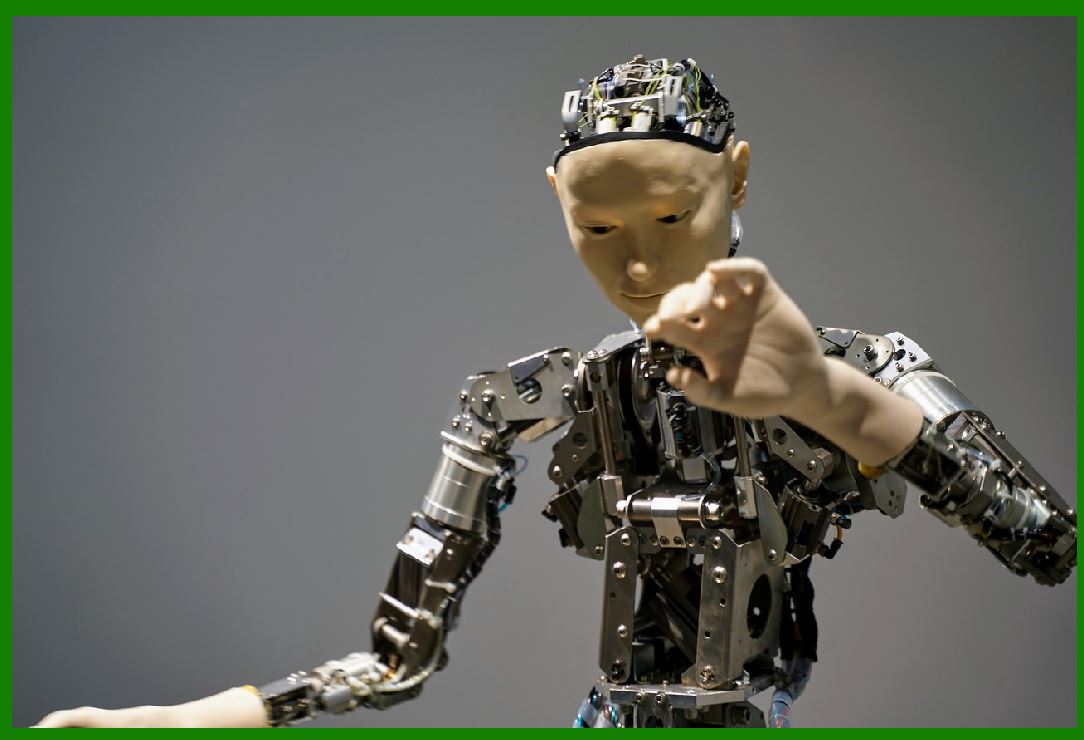
Robotic mobility is an essential factor in the development of autonomous systems. Mobility involves not just physical movement, but also the ability to adapt to different environments, understand spatial dynamics, and navigate through complex settings. Traditional robots often function in controlled, predictable environments, such as factories or warehouses. However, with advancements in sensors, AI, and machine learning, robots are increasingly capable of operating in dynamic and unstructured environments. |
For instance, mobile robots are now used in healthcare settings to deliver medications, transport materials, or assist with patient care. In retail, robots are employed for tasks such as inventory management, customer assistance, and shelf scanning. In field operations, such as agriculture or construction, robots are being designed to navigate rough terrain, handle materials, and perform maintenance tasks. As these robots become more mobile and autonomous, integrating barcode technology offers a promising way to further enhance their capabilities. |
|
3. Barcode Technology in Robotics |
Barcode technology has long been used to identify and track products, assets, and information. Barcodes, which consist of a series of parallel lines and spaces, are read by optical scanners to quickly capture data about an item. This technology is highly effective in inventory management, logistics, and retail, where it is crucial to track products, monitor stock levels, and ensure accurate deliveries. |
In robotics, barcode technology can be integrated into mobile robots to allow them to identify and interact with objects in their environment. For example, a robot equipped with a barcode scanner can autonomously scan barcodes on products, packaging, or shipping labels, enabling it to identify items, update inventory systems, and even retrieve specific products from shelves. By combining barcode technology with advanced mobility systems, robots can carry out complex tasks with greater efficiency and accuracy. |
|
4. Enhancing Robot Mobility with Barcode Integration |
The integration of barcode technology into mobile robots enhances their mobility by providing them with real-time data and feedback about their environment. This data enables robots to make more informed decisions about how to navigate and interact with their surroundings. Below are some key ways in which barcode integration improves robotic mobility: |
Dynamic Object Recognition: Mobile robots with barcode scanners can identify and recognize objects within their environment. For instance, in a warehouse setting, robots can scan barcodes on products to locate and pick specific items. This recognition process allows robots to navigate more efficiently, as they can prioritize tasks based on real-time information about the items they encounter. |
Improved Path Planning: Barcode technology enables robots to map their surroundings more accurately. By scanning barcodes on shelves, products, or other markers, robots can create a more precise representation of their environment. This information can be used to optimize path planning, ensuring that robots take the most efficient routes to complete tasks while avoiding obstacles or hazards. |
Autonomous Navigation: In unstructured environments, such as healthcare or field operations, robots often need to navigate around dynamic obstacles, such as people, equipment, or natural terrain. Barcode integration helps robots identify key landmarks or objects in the environment, which can be used as reference points for navigation. This capability is especially useful in environments where GPS signals may be weak or unavailable. |
Real-Time Data Collection: Robots with barcode scanners can collect data about the items they interact with in real time. For example, a robot in a retail store can scan barcodes on products to update inventory systems, track sales, and monitor stock levels. This data collection process allows robots to operate autonomously while ensuring that systems remain up to date. |

|
5. Applications in Healthcare |
The healthcare sector is one of the most promising areas for the integration of robotics and barcode technology. In hospitals and medical facilities, robots can be used to perform a wide range of tasks, from delivering medications to assisting with surgeries. By integrating barcode scanners into these robots, healthcare providers can enhance operational efficiency, reduce human error, and improve patient outcomes. |
Medication Delivery: Robots equipped with barcode scanners can be used to deliver medications to patients. By scanning the barcode on a medication bottle and comparing it to a patient's electronic health record (EHR), the robot can ensure that the correct medication is delivered to the right patient at the right time. This reduces the risk of medication errors, which are a common problem in healthcare settings. |
Asset Management: In hospitals, managing medical equipment and supplies is critical to ensuring that patients receive timely care. Robots with barcode scanners can be used to track and manage inventory, ensuring that essential equipment is readily available. For example, robots can scan barcodes on medical devices, sterilization equipment, or surgical tools to update inventory systems and alert staff when items need to be replenished or serviced. |
Patient Assistance: Robots in healthcare can assist patients by providing basic services, such as delivering food, drinks, or personal items. Barcode integration allows these robots to identify specific items, ensuring that the right product is delivered to the correct patient. Additionally, robots can use barcode data to track patient requests and improve service delivery. |

|
6. Applications in Retail |
In retail, robots with barcode scanning capabilities are transforming the way businesses manage inventory, assist customers, and streamline operations. Retail environments are often fast-paced and dynamic, with frequent changes in stock levels, customer demands, and product locations. The ability to integrate barcode technology into mobile robots helps businesses maintain accuracy and efficiency in these environments. |
Inventory Management: One of the most common applications of robots with barcode scanners in retail is inventory management. Robots can autonomously navigate store aisles, scan barcodes on products, and update inventory systems in real time. This eliminates the need for manual stock counts and reduces the risk of human error. Additionally, robots can identify items that are out of stock, misplaced, or nearing expiration, allowing retailers to take corrective actions quickly. |
Shelf Scanning and Restocking: Robots equipped with barcode scanners can be used to scan shelves and identify products that need restocking. By scanning the barcode on each item, the robot can determine whether the product is in the correct location and if it is running low. This capability allows retailers to maintain optimal stock levels, improve product availability, and reduce the time spent on manual shelf scanning. |
Customer Assistance: In retail stores, robots can also assist customers by providing product information, locating items, or guiding them to specific areas of the store. By scanning barcodes on products, robots can provide detailed information about prices, features, and availability. This enhances the shopping experience and allows staff to focus on more complex customer needs. |
|
7. Applications in Field Operations |
In field operations, such as agriculture, construction, or logistics, robots are increasingly being used to perform tasks that were once carried out manually. These tasks often involve navigating difficult terrain, handling heavy equipment, and interacting with various objects. Barcode technology can play a crucial role in improving the mobility and efficiency of robots in these environments. |
Agricultural Robotics: In agriculture, robots are used to perform tasks such as planting, harvesting, and monitoring crops. By integrating barcode scanners, these robots can identify and track specific crops, ensuring that the correct plants are harvested or treated. Barcode technology also enables robots to track the use of fertilizers, pesticides, and other resources, helping farmers optimize their operations. |
Construction Robotics: In construction, robots can be used to transport materials, inspect structures, and perform routine maintenance tasks. Barcode scanners allow these robots to identify and track building materials, ensuring that the correct items are delivered to the right location on the construction site. This integration helps improve accuracy, reduce waste, and streamline construction processes. |
Logistics and Warehousing: Robots in logistics and warehousing are often tasked with moving goods, sorting packages, and managing inventory. Barcode scanners enable these robots to identify and track items as they move through the supply chain. This enhances efficiency by ensuring that the right products are delivered to the correct locations, reducing the risk of errors and delays. |

|
8. Challenges and Considerations |
While the integration of barcode technology into robotics offers numerous benefits, there are several challenges that need to be addressed to ensure its widespread adoption. |
Environmental Factors: In some environments, such as outdoor or industrial settings, barcodes may be damaged or obscured by dirt, dust, or wear. This can make it difficult for robots to accurately scan and identify items. To overcome this, barcode systems must be designed to be more resilient and capable of operating in harsh conditions. |
Cost and Complexity: The integration of barcode scanners into robots can increase the cost and complexity of the system. Additionally, the need for real-time data processing, advanced sensors, and AI algorithms can add to the development and operational costs. Companies must weigh the benefits of enhanced mobility and efficiency against the costs of implementing such systems. |
Security and Privacy: In sectors like healthcare, where sensitive data is involved, there are concerns about the security and privacy of barcode data. It is essential to ensure that barcode data is encrypted and that robots comply with privacy regulations to protect patient and customer information. |
|
9. Future Directions |
As robotics and barcode technology continue to evolve, we can expect even more advanced systems that offer greater mobility, autonomy, and versatility. Future developments may include: |
AI-Powered Barcode Scanning: Robots will likely become more intelligent, using AI to interpret barcode data and make decisions based on context. For example, a robot may be able to recognize a product's barcode and determine its optimal location based on customer demand, stock levels, or other factors. |
Enhanced Mobility Systems: Future robots may be equipped with advanced mobility systems, such as autonomous navigation, obstacle avoidance, and adaptive path planning. These systems will allow robots to operate in even more dynamic and unpredictable environments. |
Integration with IoT and Cloud Systems: The integration of barcode robots with the Internet of Things (IoT) and cloud-based systems will enable real-time data sharing, remote monitoring, and predictive analytics. This will further enhance the efficiency and flexibility of robots in various applications. |

|
10. Conclusion |
The combination of robotics and barcode technology is revolutionizing industries by enhancing mobility, improving operational efficiency, and enabling new capabilities. As robots become more autonomous and capable of operating in dynamic environments, barcode technology will continue to play a critical role in improving their performance. From healthcare to retail to field operations, robots with barcode scanners are poised to transform the way businesses and organizations operate, providing new opportunities for innovation and growth. |
|
Case Studies: Robots with Barcode Technology Enhancing Mobility |
The integration of barcode technology into robotics has already proven its value in several industries. Below are some case studies that illustrate the successful application of robots with barcode scanners, showcasing how they enhance mobility and efficiency across various sectors. |
1. Case Study: Ocado - Warehouse Automation and Inventory Management |
Industry: Retail and E-commerce |
Technology: Robots with Barcode Scanning for Inventory Management |
Background: Ocado, a UK-based online grocery retailer, is a pioneer in the use of robotics for warehouse automation. The company operates some of the most advanced automated warehouses in the world, which use a combination of robots, conveyor belts, and barcode scanning technology to handle inventory and fulfill customer orders. |
Implementation: |
Ocado's fulfillment centers rely heavily on mobile robots that navigate large grids of shelves, picking and storing products. These robots are equipped with barcode scanners, allowing them to identify and track products as they move through the warehouse. Each product in the warehouse is tagged with a unique barcode, and robots scan these barcodes to identify items, check inventory levels, and ensure that products are placed in the correct locations. |
The robots are equipped with advanced mobility systems that allow them to autonomously navigate the warehouse, avoiding obstacles and adapting to changes in the environment. They use barcode data to update inventory systems in real time, ensuring that stock levels are always accurate. Additionally, when an order is placed, the robots retrieve the necessary products by scanning barcodes to confirm the items before transporting them to packing stations. |
Results: |
Increased Efficiency: The integration of barcode scanning with robotic systems has dramatically improved Ocado's order fulfillment speed. Robots can pick items faster than human workers, reducing the time it takes to prepare an order. |
Reduced Errors: Barcode scanning ensures that the correct items are picked, reducing the risk of human error and improving customer satisfaction. |
Optimized Space Usage: The robots can dynamically adjust their paths and storage locations based on real-time data, optimizing warehouse space and improving overall throughput. |
Conclusion: Ocado's success in integrating barcode scanning with robotic mobility has set a new standard in warehouse automation. The combination of these technologies has led to more efficient operations, higher accuracy, and a scalable solution for managing large inventories in real time. |

|
2. Case Study: TUG Robots - Medication Delivery in Healthcare |
Industry: Healthcare |
Technology: Robots with Barcode Scanning for Medication Delivery |
Background: TUG Robots, developed by Aethon, are autonomous mobile robots designed to navigate hospital environments and deliver medications, supplies, and documents to various departments. Hospitals often face challenges related to the delivery of medications, including delays, errors, and logistical inefficiencies. TUG Robots aim to address these issues by automating the delivery process. |
Implementation: |
TUG Robots are equipped with barcode scanners to ensure the correct delivery of medications. When a medication is ready for delivery, a nurse or pharmacy technician loads the medication into a TUG robot's compartment, and the robot scans the barcode on the medication package. The robot then autonomously navigates the hospital, following pre-programmed routes and avoiding obstacles like patients, staff, and medical equipment. |
Before delivering the medication, the robot scans the barcode on the patient's wristband to ensure that the medication matches the prescribed dosage. The robot then delivers the medication to the appropriate department or directly to the patient's room. |
Results: |
Reduced Medication Errors: Barcode scanning ensures that the correct medication is delivered to the right patient, reducing the risk of errors that can occur during manual delivery. |
Increased Efficiency: TUG Robots can deliver medications autonomously, freeing up hospital staff to focus on more critical tasks. This has led to faster medication delivery times and improved workflow efficiency. |
Enhanced Patient Safety: By using barcode technology to verify medication and patient information, TUG Robots help prevent mix-ups and ensure that patients receive the right treatment. |
Conclusion: TUG Robots have successfully integrated barcode scanning with robotics to improve medication delivery in hospitals. The system not only reduces errors but also enhances the overall efficiency of healthcare operations, contributing to better patient care. |
|
3. Case Study: Lowe's - Robot-Assisted Shopping in Retail |
Industry: Retail |
Technology: Robots with Barcode Scanning for Customer Assistance |
Background: Lowe's, a home improvement retail giant, introduced the LoweBot, a robot designed to assist customers by guiding them to products and providing information. The robot is equipped with barcode scanning technology to enhance the shopping experience by helping customers find the products they need quickly and efficiently. |
Implementation: |
The LoweBot is designed to autonomously navigate Lowe's store aisles, scanning barcodes on products to identify their location and availability. When a customer asks for assistance, the robot scans the barcode of the product the customer is looking for and guides them to the correct aisle and shelf. |
The robot also scans barcodes on products to provide detailed information, such as pricing, product specifications, and availability. The robot's barcode scanning capability allows it to update inventory systems in real time, ensuring that stock levels are always accurate and that customers can easily find the products they need. |
Results: |
Improved Customer Experience: LoweBot's barcode scanning capabilities allow it to provide accurate and timely product information to customers, improving the overall shopping experience. |
Reduced Staff Workload: By automating the task of guiding customers to products and providing information, LoweBot reduces the need for staff to perform these tasks, allowing employees to focus on more complex customer needs. |
Efficient Inventory Management: The robot's barcode scanning technology ensures that inventory data is constantly updated, reducing the risk of stockouts and improving product availability. |
Conclusion: Lowe's use of robots with barcode scanning technology has transformed the retail shopping experience by providing customers with a more efficient and informative way to shop. The integration of robotics and barcode scanning has improved both customer satisfaction and operational efficiency. |

|
4. Case Study: Swisslog - Automated Pharmacy in Healthcare |
Industry: Healthcare |
Technology: Robots with Barcode Scanning for Pharmacy Automation |
Background: Swisslog, a global leader in automation and robotics, developed an automated pharmacy system designed to streamline medication dispensing and improve inventory management in hospitals. The system uses robots equipped with barcode scanners to retrieve, verify, and dispense medications. |
Implementation: |
Swisslog's automated pharmacy system integrates robots with barcode scanning technology to manage medication orders. When a prescription is received, the robot scans the barcode on the medication order and retrieves the corresponding medications from the pharmacy's storage system. The robot then scans the barcode on each medication package to verify that the correct medication is being dispensed. |
The robot also tracks inventory levels by scanning barcodes on medication containers, ensuring that stock levels are updated in real time. If an item is running low, the system automatically generates a reorder request to maintain adequate stock levels. |
Results: |
Increased Accuracy: Barcode scanning ensures that the correct medications are dispensed, reducing the risk of errors and improving patient safety. |
Improved Efficiency: The automated pharmacy system allows medications to be dispensed faster and more accurately, freeing up pharmacy staff to focus on more complex tasks. |
Better Inventory Management: Barcode scanning enables real-time tracking of medication inventory, ensuring that the pharmacy maintains optimal stock levels and can quickly reorder medications when necessary. |
Conclusion: Swisslog's automated pharmacy system demonstrates how robotics and barcode scanning can work together to improve the accuracy, efficiency, and safety of medication dispensing in healthcare settings. This integration has the potential to reduce errors, streamline operations, and enhance patient care. |

|
5. Case Study: Amazon Robotics - Warehouse Automation |
Industry: E-commerce and Logistics |
Technology: Robots with Barcode Scanning for Order Fulfillment |
Background: Amazon is one of the largest e-commerce companies in the world, and its warehouses are known for their high level of automation. Amazon Robotics, the company's robotics division, has developed a fleet of robots that help with order fulfillment in its fulfillment centers. |
Implementation: |
Amazon's robots are equipped with barcode scanning technology to assist with inventory management and order fulfillment. When a customer places an order, the system sends a request to the nearest robot, which then scans the barcode on the product to verify its identity and location. The robot autonomously retrieves the product and transports it to a human worker, who packs it for shipping. |
The robots are also equipped with sensors and barcode scanners that allow them to track inventory levels in real time. As products are moved throughout the warehouse, the robots scan barcodes to update inventory systems, ensuring that stock levels are accurate and that the warehouse operates efficiently. |
Results: |
Faster Order Fulfillment: Amazon's robots with barcode scanning capabilities have significantly reduced the time it takes to fulfill orders, enabling the company to offer faster shipping times to customers. |
Improved Inventory Accuracy: Barcode scanning ensures that inventory data is always up to date, reducing the risk of stockouts and overstocking. |
Increased Operational Efficiency: The integration of robots with barcode technology has streamlined Amazon's warehouse operations, reducing the need for manual labor and increasing throughput. |
Conclusion: Amazon's use of robots with barcode scanning technology has revolutionized its warehouse operations, enabling faster, more accurate order fulfillment. This case study highlights the potential for robots to enhance mobility and efficiency in large-scale logistics operations. |
|
Conclusion |
These case studies illustrate the wide-ranging benefits of integrating robots with barcode scanning technology across various industries. Whether in healthcare, retail, logistics, or pharmacy automation, the combination of robotics and barcode technology enhances mobility, improves operational efficiency, and reduces human error. As technology continues to evolve, the potential for robots with barcode scanning capabilities to transform industries and create new opportunities will only grow. |
 cs@easiersoft.com