1.Introduction to Scalability and Flexibility in Robotics and Barcode Technology |
Scalability and flexibility are two essential characteristics of modern industrial operations, especially in sectors like retail, logistics, and manufacturing. Robotics combined with barcode technology plays a pivotal role in ensuring that businesses can adapt to increasing or fluctuating demands without compromising efficiency or accuracy. The combination of these technologies enables businesses to optimize workflows, manage inventory dynamically, and respond to market demands with agility. |

|
2.How Robotics Enhances Scalability |
Robots are inherently scalable due to their modular nature. Businesses can easily increase the number of robots in their facilities to handle higher volumes of work. For example, in a warehouse environment, adding robots to pick, pack, and sort products allows for faster processing times without significant downtime. Robots can also be programmed to handle multiple tasks, making them flexible assets that can be reassigned based on operational requirements. |
3.Barcode Technology as a Scalable Solution |
Barcode systems are a foundational technology for tracking and managing inventory. As businesses grow, barcode scanning systems can scale by adding more scanners, integrating advanced barcode types (such as QR codes), and expanding the software infrastructure. Barcode readers are compatible with various devices, ranging from handheld scanners to automated fixed-mount readers, making it easy to implement them in different stages of the supply chain. |

|
4.Integration of Robotics and Barcode Technology |
The combination of robotics and barcode technology creates a synergistic effect that enhances scalability and flexibility. Robots equipped with barcode scanners can autonomously identify, pick, and transport items across facilities. This integration reduces manual labor requirements, minimizes errors, and ensures real-time data tracking. Furthermore, the ability to adjust the software controlling these systems allows businesses to respond to operational changes quickly. |
5.Applications in Retail |
In retail, scalability is critical during peak shopping seasons such as holidays or promotional events. Robots with barcode capabilities can quickly restock shelves, manage inventory levels, and support e-commerce fulfillment. For example, autonomous robots can navigate retail environments, scan barcodes on products to verify stock levels, and alert staff when items need replenishing. This reduces the burden on human workers and ensures a seamless customer experience. |

|
6.Applications in Logistics |
The logistics sector benefits greatly from robotics and barcode technology by streamlining processes such as sorting, packaging, and shipping. Robots equipped with barcode scanners can rapidly sort parcels based on destination codes, significantly increasing throughput during high-demand periods. These systems also support reverse logistics by identifying returned items and directing them to appropriate areas for inspection or restocking. |
7.Handling Demand Fluctuations |
One of the key benefits of this technology combination is its ability to handle fluctuating demand. During periods of high activity, businesses can activate additional robots or deploy temporary barcode scanning setups to accommodate the workload. Conversely, during slower periods, these systems can be scaled down to reduce operational costs without compromising performance. |

|
8.Flexibility in System Design |
Both robotics and barcode technologies are designed to be flexible. Robotics systems can be customized to fit specific operational needs, such as adapting grippers for delicate items or programming navigation paths for complex layouts. Barcode technology, on the other hand, supports various formats and can be integrated with enterprise resource planning (ERP) systems for comprehensive inventory management. |
9.Real-Time Data and Analytics |
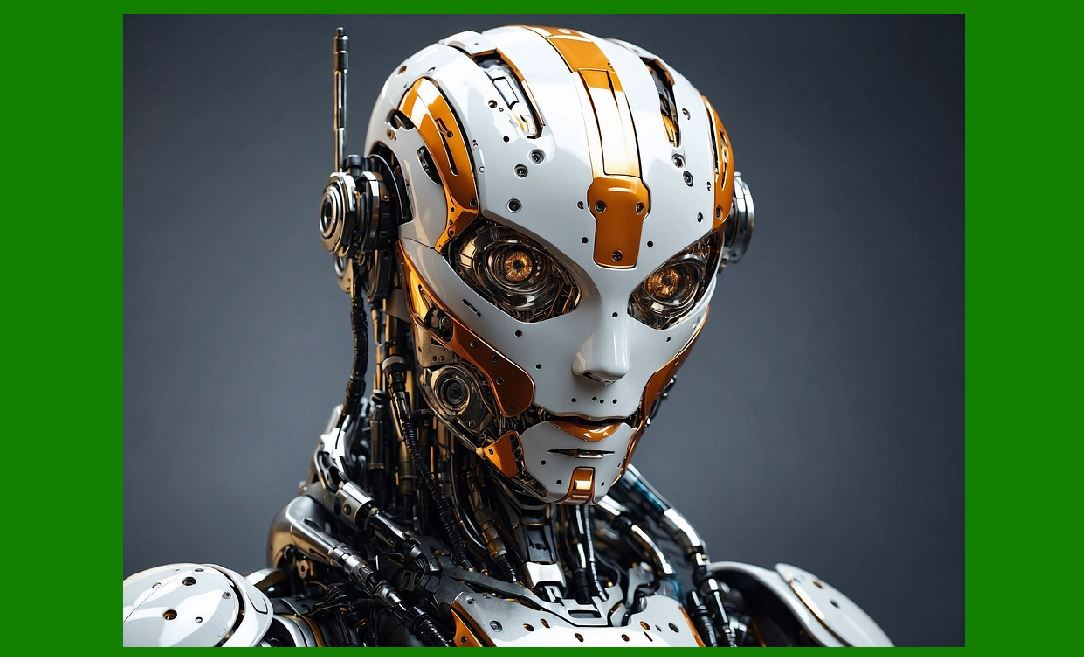
Robots with barcode capabilities provide real-time data on inventory and operational efficiency. This data can be used to identify bottlenecks, optimize workflows, and forecast future demands. For instance, barcode-scanning robots in a distribution center can instantly relay information about stock levels to a centralized system, enabling just-in-time restocking. |
|
10.Cost-Effectiveness of Scaling |
Scaling up operations traditionally involves significant investment in infrastructure and labor. However, with robots and barcode technology, the incremental cost of scaling is relatively low. Businesses can add robots or expand barcode scanning systems incrementally, avoiding large upfront costs. Additionally, these technologies reduce labor costs and increase accuracy, further contributing to cost savings. |
11.Impact on Workforce Dynamics |
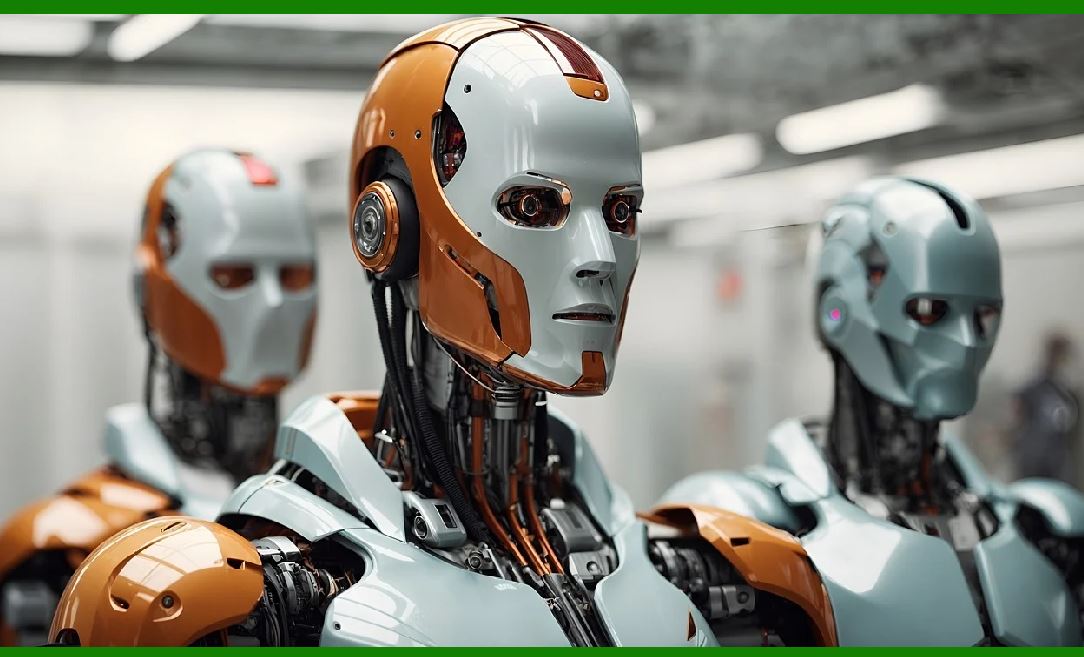
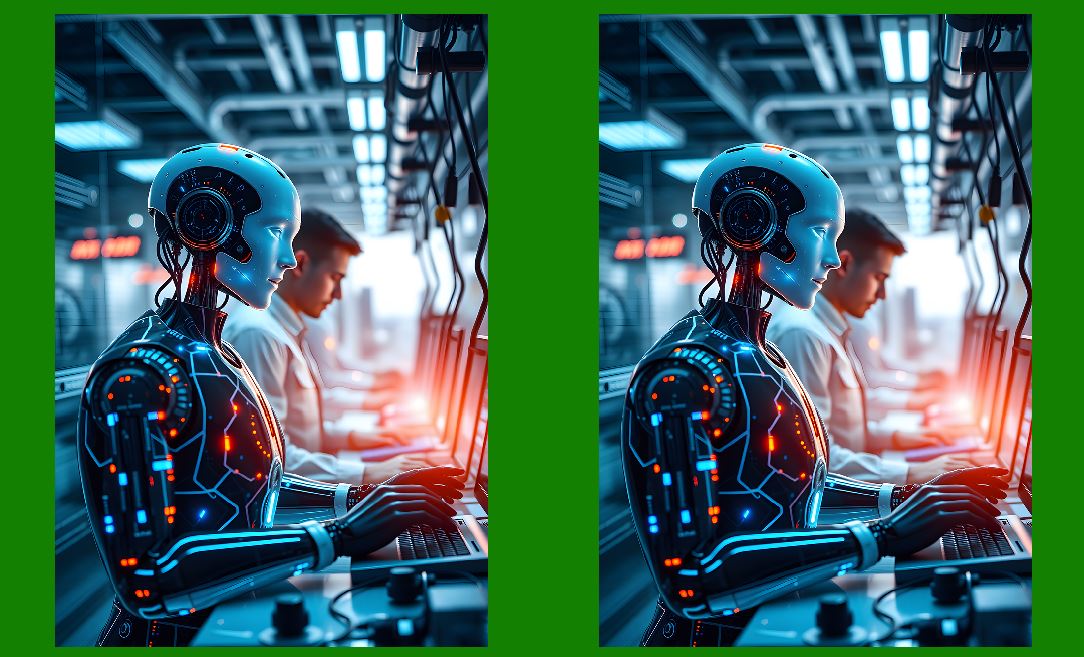
While robotics and barcode technology reduce the reliance on manual labor, they also create opportunities for workers to focus on higher-value tasks. For instance, employees can concentrate on strategic planning or customer service while robots handle repetitive and physically demanding jobs. This shift enhances overall workforce productivity and job satisfaction. |
|
12.Enhanced Accuracy and Reduced Errors |
Barcode technology is renowned for its accuracy in tracking and identifying items. When paired with robots, this accuracy is further enhanced, as robots follow precise programming and are less prone to human errors. This combination ensures that inventory levels are consistently accurate, reducing the likelihood of stockouts or overstocking. |
13.Future Trends in Scalability and Flexibility |
As robotics and barcode technologies continue to evolve, their scalability and flexibility will be further enhanced by advancements like artificial intelligence (AI) and machine learning. AI-powered robots can make autonomous decisions based on barcode data, such as rerouting items to different locations depending on demand. These trends indicate a future where systems become even more adaptive and efficient. |

|
14.Challenges in Implementation |
Despite their benefits, implementing robotics and barcode systems comes with challenges. Initial setup costs, integration with existing infrastructure, and employee training are some of the barriers businesses face. However, the long-term benefits often outweigh these initial hurdles, as the systems pay for themselves through improved efficiency and scalability. |
15.Case Studies of Success |
Many companies have successfully implemented robotics and barcode technology to achieve scalability. For example, Amazon's fulfillment centers use robots equipped with barcode scanners to pick and pack items at unprecedented speeds. Similarly, companies like Walmart and DHL have leveraged these technologies to optimize supply chain operations and handle seasonal demand spikes. |
|
16.Environmental Impact and Sustainability |
The use of robotics and barcode technology also contributes to sustainability efforts. By optimizing operations and reducing waste, these systems help businesses lower their carbon footprint. For instance, barcode-based tracking minimizes overproduction and excess inventory, while robots reduce energy consumption by performing tasks more efficiently than human workers. |
17.Conclusion |
The scalability and flexibility provided by robotics and barcode technology are transforming industries worldwide. These systems enable businesses to adapt to changing demands, optimize workflows, and achieve cost savings. As technology continues to advance, the integration of robotics and barcode systems will become even more seamless, driving innovation and efficiency across various sectors. |

|
Case Studies of Robots with Barcode Technology: Scalability and Flexibility |
1.Amazon Fulfillment Centers |
Background: Amazon is one of the most prominent users of robotics and barcode technology to scale operations in its fulfillment centers. |
Implementation: |
Robots equipped with barcode scanners navigate warehouses to pick and transport items. |
Each item and storage bin has a barcode, enabling the robots to accurately identify and retrieve products. |
The robots work in tandem with a centralized inventory management system, updating stock levels in real time. |
Outcome: |
Increased order fulfillment speed, allowing Amazon to handle peak shopping seasons like Black Friday and Prime Day seamlessly. |
Enhanced scalability, with the ability to add more robots during high-demand periods without disrupting operations. |
Reduction in operational costs by minimizing human labor for repetitive tasks. |
|
2.Walmart's Inventory Management |
Background: Walmart, a retail giant, utilizes robots and barcode technology to improve inventory management in stores and warehouses. |
Implementation: |
Autonomous shelf-scanning robots equipped with barcode readers navigate aisles to check stock levels and ensure correct pricing. |
In warehouses, robots sort and transport goods based on barcode data, streamlining the distribution process. |
Outcome: |
Improved accuracy in inventory tracking, reducing stockouts and overstock situations. |
Enhanced flexibility to adapt to seasonal demand, such as holiday shopping periods. |
Employees can focus on customer service while robots handle repetitive inventory tasks. |
|
3.DHL Supply Chain Operations |
Background: DHL, a global logistics leader, has integrated robotics and barcode technology to optimize supply chain processes. |
Implementation: |
Collaborative robots (cobots) equipped with barcode scanners assist human workers in picking and packing items. |
Automated guided vehicles (AGVs) transport goods within warehouses, guided by barcode markers on floors and racks. |
Barcode data is integrated with DHL's warehouse management system for real-time inventory updates. |
Outcome: |
Increased throughput, enabling DHL to handle higher volumes of parcels during peak times. |
Enhanced scalability, with the ability to deploy additional robots and scanners as needed. |
Reduced operational errors, ensuring timely and accurate deliveries. |

|
4.Zara's Fast Fashion Supply Chain |
Background: Zara, a leading fast fashion retailer, relies on robotics and barcode technology to maintain its rapid production and distribution model. |
Implementation: |
Robots equipped with barcode scanners sort and transport clothing items in warehouses. |
Each item has a unique barcode that tracks its journey from production to retail stores. |
Automated systems ensure that stock is replenished in stores based on real-time sales data. |
Outcome: |
The ability to respond quickly to changing fashion trends and customer preferences. |
Scalability to handle increased demand during new collection launches. |
Streamlined operations that reduce lead times from production to store shelves. |

|
5.Ocado's Automated Grocery Fulfillment |
Background: Ocado, a UK-based online grocery retailer, operates highly automated fulfillment centers powered by robotics and barcode technology. |
Implementation: |
Robots move across a grid system, picking groceries based on barcode instructions. |
Barcode scanners ensure that the correct items are picked and packed for each customer order. |
The system dynamically allocates tasks to robots, optimizing efficiency during peak times. |
Outcome: |
Scalability to handle surges in online grocery orders, particularly during the COVID-19 pandemic. |
Reduced order processing times, enabling same-day or next-day deliveries. |
Flexibility to adapt to changes in product demand and customer preferences. |

|
6.FedEx's Automated Sorting Facilities |
Background: FedEx uses robotics and barcode technology to manage the high volume of parcels in its sorting facilities. |
Implementation: |
Robots equipped with barcode scanners sort packages based on destination codes. |
Automated systems route parcels to the appropriate conveyor belts for shipping. |
Barcode data is integrated with tracking systems, providing customers with real-time updates on their shipments. |
Outcome: |
Increased sorting capacity, allowing FedEx to handle peak holiday shipping volumes efficiently. |
Enhanced accuracy in parcel routing, reducing delays and errors. |
Scalability to expand sorting operations as demand grows. |

|
7.Tesla's Gigafactories |
Background: Tesla incorporates robotics and barcode technology in its Gigafactories to streamline production and supply chain processes. |
Implementation: |
Robots equipped with barcode scanners track components throughout the production line. |
Barcode data ensures that the correct parts are assembled in the right sequence. |
Automated guided vehicles (AGVs) transport materials within the factory, guided by barcode markers. |
Outcome: |
Scalability to ramp up production of electric vehicles (EVs) as demand increases. |
Enhanced flexibility to introduce new vehicle models without major disruptions. |
Improved operational efficiency, reducing production lead times and costs. |

|
8.Alibaba's Smart Warehouses |
Background: Alibaba, a Chinese e-commerce giant, operates smart warehouses that heavily rely on robotics and barcode technology. |
Implementation: |
Robots equipped with barcode scanners autonomously pick and transport items. |
Barcode data is used to optimize storage layouts, ensuring that frequently ordered items are easily accessible. |
The system dynamically adjusts to handle spikes in orders during events like Singles' Day. |
Outcome: |
Ability to process millions of orders within a short timeframe. |
Scalability to handle rapid growth in e-commerce demand. |
Reduced operational costs and faster delivery times. |
|
These case studies demonstrate the transformative impact of combining robotics and barcode technology. From e-commerce giants to logistics leaders, businesses across various sectors are leveraging these technologies to achieve scalability, flexibility, and efficiency. |
 cs@easiersoft.com