1. Introduction to Service and Consumer Robots |
Robots have long been a part of science fiction, but recent advancements in technology have made them a tangible reality in both the industrial and consumer sectors. Among the various types of robots, service robots and consumer robots are two of the most significant categories that are increasingly influencing modern society. These robots, designed to assist humans in specific tasks, can be found in a wide range of industries, including healthcare, hospitality, retail, and personal assistance. Their applications vary widely, from handling routine chores in households to providing high-level services in more complex environments. |
In this detailed overview, we will examine service and consumer robots, their evolution, key technologies, applications, challenges, and the impact they have on individuals and industries. We will explore each category's capabilities, common types, and potential future developments. |

|
2. Defining Service Robots |
Service robots are defined as robots that perform specific tasks for humans, typically in non-industrial environments. Unlike industrial robots, which are designed for manufacturing processes, service robots are intended to carry out functions in areas such as healthcare, logistics, hospitality, and entertainment. These robots can operate autonomously or with minimal human intervention and are typically designed to enhance efficiency, safety, and convenience. |
Service robots can be broadly categorized into two types: |
Professional Service Robots: These are specialized robots used in commercial and professional settings. They perform tasks like surgery assistance, warehouse logistics, or cleaning large commercial spaces. |
Personal Service Robots: These robots are designed for use by individual consumers, often in the home. They can assist with daily activities such as vacuuming, mowing the lawn, or providing companionship to the elderly. |

|
3. Key Technologies Behind Service Robots |
Service robots rely on a variety of advanced technologies that enable them to function autonomously or semi-autonomously. Some of the key technologies that make service robots possible include: |
3.1. Artificial Intelligence (AI) |
AI is the backbone of most modern robots, allowing them to make decisions, learn from experience, and adapt to new situations. AI enables robots to process information from their environment and interact in human-like ways. It includes natural language processing, machine learning, and computer vision, which allow robots to recognize objects, interpret speech, and understand complex scenarios. |
3.2. Sensors and Perception Systems |
For a robot to operate effectively in real-world environments, it must have robust sensory systems. These sensors help the robot perceive its surroundings and make decisions based on sensory input. Common sensors include: |
Lidar: Used for mapping and navigation, Lidar helps robots understand the layout of their environment. |
Cameras: High-definition cameras help robots recognize objects, people, and obstacles. |
Proximity sensors: These sensors allow robots to detect obstacles in their path and avoid collisions. |
3.3. Actuators and Motion Control |
Actuators are the mechanical components that allow a robot to move. These can include motors, hydraulic systems, and pneumatic actuators, which enable movement in arms, wheels, or legs. Sophisticated motion control algorithms help ensure that robots move smoothly, efficiently, and safely, adapting to their environment as needed. |
3.4. Navigation and Localization |
For service robots that operate in dynamic, unstructured environments, navigation is a critical function. Robots use a combination of sensors, AI algorithms, and pre-mapped data to navigate their surroundings, avoiding obstacles, and ensuring they reach their destinations without getting stuck or lost. Simultaneous Localization and Mapping (SLAM) is one technique that allows robots to build maps of unknown areas while keeping track of their position. |

|
4. Applications of Service Robots |
4.1. Healthcare |
In the healthcare industry, robots have been developed for a wide range of applications, improving both the quality of care and operational efficiency. Some examples include: |
Surgical Robots: These robots assist surgeons in performing complex procedures with precision. They allow for minimally invasive surgeries, which lead to shorter recovery times and reduced risk of complications. |
Robotic Caregivers: Robots designed to assist elderly people or individuals with disabilities have become increasingly popular. These robots can help with tasks like fetching objects, reminding patients to take medications, and even providing companionship. |
Disinfection Robots: Particularly in light of the COVID-19 pandemic, disinfection robots equipped with ultraviolet (UV) light or other sterilizing technologies have become an important tool in hospitals, hotels, and other public spaces. |
4.2. Hospitality and Retail |
In the hospitality industry, robots are used for various tasks that enhance customer experience. For example, robots in hotels can check in guests, deliver room service, or provide information about local attractions. Similarly, in retail, robots can assist customers by guiding them to specific products, managing inventory, or processing orders. |
4.3. Logistics and Warehousing |
Robots are increasingly being used in logistics and warehousing operations to improve speed and efficiency. Automated guided vehicles (AGVs) are used in warehouses to move goods from one location to another. They help optimize space and reduce labor costs. Similarly, robots used in sorting facilities can handle parcels, improving delivery speed. |
4.4. Military and Defense |
In defense, robots can take on dangerous tasks, such as bomb disposal or reconnaissance missions. Unmanned aerial vehicles (UAVs), commonly known as drones, are one example of service robots used for surveillance and tactical missions. Robots in this sector help protect human soldiers from harm. |
4.5. Agriculture |
Agricultural robots are being developed to carry out tasks such as planting, weeding, and harvesting. These robots can work around the clock, reducing the need for manual labor and improving efficiency in large-scale farming. |

|
5. Consumer Robots: A Detailed Overview |
Consumer robots are robots designed for personal use, typically within the home. Unlike industrial robots or professional service robots, consumer robots are meant to assist individuals in their everyday lives. They often combine entertainment, convenience, and practical functionality. |
5.1. Types of Consumer Robots |
The most common types of consumer robots include: |
Vacuuming Robots: These robots autonomously navigate homes, cleaning floors without human intervention. They use a combination of sensors and AI to map out the layout of the home, avoiding obstacles and ensuring that every area is cleaned. Popular models include Roomba by iRobot and Neato Robotics. |
Lawn Mowing Robots: Similar to vacuuming robots, lawn mowing robots automatically trim grass and maintain lawns. They are equipped with sensors to avoid obstacles and ensure they cover the entire lawn. |
Personal Assistants: Robots such as Amazon Echo and Google Home are designed to help with tasks like setting reminders, controlling smart home devices, playing music, and providing weather updates. |
Companion Robots: Some robots, like Sony's Aibo or Softbank's Pepper, are designed to offer companionship, particularly for elderly people or those living alone. These robots can engage in conversation, perform simple tasks, and provide emotional support. |
Delivery Robots: Emerging in urban settings, delivery robots are designed to transport goods from a central location to a customer's doorstep. They often operate autonomously, navigating sidewalks and streets while avoiding obstacles. |
5.2. Technologies in Consumer Robots |
Like service robots, consumer robots rely on cutting-edge technologies to perform their tasks effectively: |
Voice Recognition and Interaction: Many consumer robots, especially those designed for companionship or personal assistance, use voice recognition to respond to commands and engage in conversations. This technology is powered by natural language processing (NLP) algorithms. |
Autonomous Navigation: For robots like vacuum cleaners and lawnmowers, autonomous navigation is critical. These robots use a combination of Lidar, cameras, and proximity sensors to navigate the environment, mapping their surroundings and planning efficient cleaning or mowing paths. |
Connectivity and IoT Integration: Many consumer robots are integrated with the Internet of Things (IoT), allowing them to connect to home networks and other smart devices. For example, a robot vacuum may be controlled via a smartphone app or integrated with a smart home system for automated operation. |
Battery Technology: Since consumer robots are often mobile, battery life is an important consideration. Advancements in battery technology have allowed robots to operate for extended periods, often with the ability to return to charging stations when their batteries run low. |

|
6. Impact of Service and Consumer Robots |
The introduction of service and consumer robots has had a profound impact on society and various industries. These robots have created new opportunities while also raising concerns related to privacy, job displacement, and security. |
6.1. Efficiency and Cost-Effectiveness |
In many industries, robots have significantly increased productivity by handling repetitive or labor-intensive tasks. In healthcare, for instance, surgical robots enable more precise operations with fewer complications, leading to quicker recoveries. In retail and hospitality, robots reduce operational costs by automating routine tasks, such as check-in or product stocking. |
6.2. Enhancing Quality of Life |
Consumer robots, especially personal assistants and companion robots, enhance the quality of life for many people. For elderly individuals, robots that help with tasks like medication reminders or mobility support can improve independence and well-being. Similarly, cleaning robots reduce the physical strain of household chores, giving individuals more time to focus on other activities. |
6.3. Job Displacement and Economic Concerns |
One of the most significant concerns surrounding robots is their potential to displace human workers. While robots can increase productivity and reduce labor costs, there is fear that widespread adoption could lead to job losses, particularly in low-wage, manual labor positions. This concern is particularly evident in industries like retail, logistics, and customer service, where robots are increasingly taking on roles traditionally held by humans. |
6.4. Ethical and Privacy Considerations |
As robots become more integrated into our lives, questions surrounding privacy, safety, and ethics are becoming more pressing. For example, robots equipped with cameras and microphones for communication may inadvertently collect personal data, raising concerns about surveillance and data security. Furthermore, issues like the potential for robots to make life-altering decisions in healthcare or military contexts bring up important ethical considerations. |

|
7. The Future of Service and Consumer Robots |
The future of service and consumer robots is undoubtedly bright, with continued advancements in AI, robotics, and related technologies. Some potential developments include: |
Increased Autonomy: Future robots will likely become more autonomous, with improved decision-making capabilities and fewer restrictions on tasks. This will allow robots to handle more complex operations without direct human supervision. |
Improved Human-Robot Interaction: As AI continues to improve, robots will become more adept at understanding human emotions, gestures, and speech patterns. This will lead to more natural interactions and better integration into daily life. |
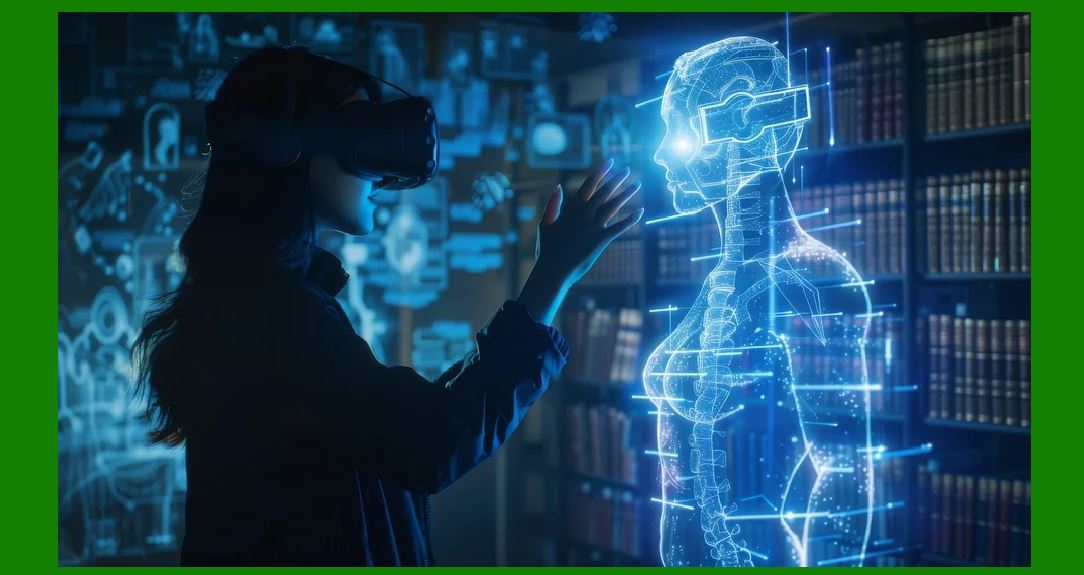
Expansion of Consumer Robots: As technology becomes more affordable, the adoption of consumer robots will expand. More households will likely have robots for tasks like cleaning, elderly care, and entertainment. |
|
8. Conclusion |
Service and consumer robots are revolutionizing the way humans interact with technology and with each other. While the early adoption of robots was primarily seen in industrial applications, their widespread use in homes and professional environments is quickly becoming a norm. The technologies driving these robots-AI, machine learning, sensors, and advanced motion control systems-continue to improve, expanding their capabilities and applications. |
Despite the challenges of job displacement, privacy concerns, and ethical issues, the benefits of service and consumer robots are undeniable. They provide a new level of convenience, efficiency, and support to both individuals and businesses. As robots evolve, they will undoubtedly play an even more integral role in shaping the future of society. |

|
What challenges will it face in the future? |
1. Challenges Facing Service and Consumer Robots in the Future |
As service and consumer robots continue to advance and become more integrated into everyday life, they will face several challenges related to technology, society, ethics, and regulation. While robots offer tremendous potential to improve productivity, quality of life, and innovation, these challenges must be addressed to ensure that their integration is successful, equitable, and sustainable. Below are some of the key challenges that service and consumer robots will likely face in the coming years. |

|
2. Technological and Developmental Challenges |
2.1. Advancing Artificial Intelligence (AI) and Machine Learning |
AI is at the heart of modern robots, enabling them to make decisions, learn from experience, and adapt to new environments. However, even the most sophisticated AI systems still face limitations. Future robots will need more advanced machine learning algorithms to handle the increasing complexity of human environments. AI needs to become more intuitive, especially in areas such as emotional intelligence, problem-solving, and contextual understanding. |
For example, while robots can be trained to perform specific tasks, they often struggle with tasks that require abstract thinking, such as interpreting ambiguous situations or making complex decisions in unstructured environments. Achieving a higher level of cognitive capability and improving the understanding of social cues (such as recognizing emotional states from facial expressions) will be crucial for robots to function more effectively in diverse settings. |
2.2. Robustness and Reliability in Dynamic Environments |
While robots are increasingly capable of navigating structured environments (like factories or warehouses), they still struggle in unstructured and dynamic environments, such as households, outdoor areas, and public spaces. For instance, robots used for cleaning or delivery must navigate obstacles like pets, furniture, and human activity without causing harm or malfunctioning. They need to continuously adapt to changing environments while ensuring consistent performance. |
The reliability of robots in complex, unpredictable settings is another critical challenge. Fault tolerance and real-time problem-solving must be improved to reduce the chances of breakdowns, accidents, or malfunctions that could lead to damage to property or harm to humans. |
2.3. Energy Efficiency and Battery Life |
Energy consumption remains one of the significant technical challenges for robots, particularly in the case of mobile robots that require long operating times. While battery technology has improved over the years, most robots, especially consumer robots like vacuum cleaners or lawnmowers, still have limited battery life. Long operating hours, combined with the increasing complexity of tasks, will demand innovations in energy storage technologies. |
New types of batteries with higher energy densities, faster charging capabilities, and longer lifespans are needed to support continuous robot operation. Additionally, power management systems need to be more efficient to optimize energy use based on the robot's task and environment. |
2.4. Human-Robot Interaction (HRI) |
Effective interaction between robots and humans is crucial for successful integration into daily life, particularly for service and consumer robots. Current robots are still quite limited in terms of how naturally they interact with humans. The future will require robots to understand not only speech but also gestures, body language, and emotions. They will need to respond appropriately to various social and environmental cues to ensure seamless interaction. |
For example, if a robot is used for elderly care, it must understand the emotional state of the individual it's assisting and respond with empathy. Developing robots that can accurately interpret and respond to emotional and psychological cues will require significant advances in AI and sensor technologies. |
2.5. Autonomy and Decision-Making |
While current robots are able to perform specific tasks autonomously, future robots will need to become even more autonomous, making decisions in real-time based on situational awareness. This involves not only physical autonomy (like navigating a room or delivering a package) but also cognitive autonomy (such as deciding how to handle an emergency or unexpected situation). |
Robots will need to be capable of balancing their operational goals with ethical considerations. For example, a robot in healthcare may have to decide when to escalate an issue to a human caregiver. The challenge will be to ensure that robots make the right decisions in complex, real-world scenarios. |

|
3. Ethical and Social Challenges |
3.1. Job Displacement and Economic Inequality |
One of the most significant societal concerns surrounding the widespread adoption of robots is job displacement. As robots take over more tasks, particularly in industries like manufacturing, retail, logistics, and even healthcare, many jobs that were previously performed by humans may become obsolete. This could lead to widespread unemployment and economic inequality, especially for lower-skilled workers. |
As robots perform repetitive, low-skill tasks more efficiently, there will be a growing demand for jobs in robotics design, maintenance, and programming. However, the challenge will be ensuring that workers whose jobs are displaced by automation can acquire new skills to transition into these high-tech roles. Governments, industries, and educational systems will need to develop retraining programs to facilitate this transition. |
3.2. Privacy and Data Security |
As robots become more integrated into daily life, particularly in the home, issues around privacy and data security will become increasingly important. Many robots collect data about the environment, their users, and their interactions. For example, robots designed for home use, such as cleaning robots or personal assistants, may gather data on household activities, locations, and personal preferences. |
If this data is not securely stored and protected, it could be exploited by malicious actors or used for unintended purposes. Privacy concerns will only grow as robots become more connected to other devices in the Internet of Things (IoT) ecosystem, potentially creating vulnerabilities that can be exploited by cybercriminals. Ensuring that robots are designed with strong data protection mechanisms and transparency about data usage will be a key challenge. |
3.3. Ethical Dilemmas in Decision-Making |
Robots will increasingly be placed in situations where they have to make decisions that involve ethical considerations. For example, in healthcare, a robot may need to make decisions about prioritizing patient care when resources are limited. In autonomous vehicles, robots will have to make decisions about accident avoidance that may involve life-or-death scenarios. |
Developing ethical frameworks and decision-making algorithms for robots is a difficult challenge. The ethical principles governing robot behavior must align with societal values, and these principles may vary across cultures and legal systems. The challenge will be creating universally acceptable ethical guidelines for robots to follow in complex and morally ambiguous situations. |
3.4. Social Acceptance and Trust |
The widespread adoption of robots will depend on public trust and acceptance. People must feel comfortable with robots performing tasks in their homes, workplaces, and other environments. Public perceptions of robots are often shaped by factors like safety, reliability, and familiarity. |
To gain trust, robots must be able to demonstrate consistent, reliable performance and transparency about their capabilities. The challenge lies in overcoming any fears or misconceptions that people may have about robots, such as the fear of job loss, privacy invasion, or even physical harm caused by malfunctioning robots. |
Additionally, there will be concerns about robots replacing essential human interactions, especially in areas like caregiving and companionship. Ensuring that robots complement human relationships and do not undermine them will be an important social consideration. |

|
4. Regulatory and Legal Challenges |
4.1. Lack of Standardization |
As the field of robotics grows, the need for regulatory frameworks and standards will become more pressing. Currently, there are few internationally recognized standards governing the design, deployment, and operation of service and consumer robots. Without clear regulations, robots could become a source of confusion or even danger. |
Governments, international organizations, and industry bodies will need to collaborate to develop common standards for safety, interoperability, and accountability. These standards will help ensure that robots are built and operated in ways that protect consumers and industries alike. |
4.2. Liability and Accountability |
When robots are involved in accidents or failures, determining liability becomes a complex issue. If a robot causes injury to a person or damages property, who is responsible? Is it the manufacturer, the developer of the AI, or the operator of the robot? |
As robots take on more complex roles, such as performing medical procedures or driving autonomous vehicles, establishing clear liability and accountability frameworks will be crucial. Legal systems will need to evolve to address these questions and provide a fair and efficient means of resolving disputes related to robot-related accidents or malfunctions. |
4.3. Safety and Certification |
As robots become more integrated into public spaces and homes, ensuring their safety is a critical concern. Robots must meet strict safety standards to prevent accidents, injuries, or damage. In many cases, existing safety standards may not be adequate to address the unique challenges posed by robots. |
Governments and regulatory bodies will need to update or create new safety certifications specifically designed for robots. These certifications will need to cover areas such as physical safety (e.g., preventing robots from causing harm to humans or pets), cybersecurity, and reliability. |

|
5. Environmental Challenges |
5.1. Sustainability and Environmental Impact |
The environmental impact of robots will become more important as their adoption increases. Robots are typically powered by batteries, and the production, disposal, and recycling of these batteries could have significant environmental consequences. Additionally, the manufacturing process for robots often involves the use of rare materials and energy-intensive production techniques. |
As the demand for robots grows, there will be a need for more sustainable manufacturing practices and better waste management solutions. Robotics companies will need to prioritize eco-friendly designs and consider the environmental lifecycle of their products, from production to disposal. |
5.2. Resource Allocation in Autonomous Systems |
Many service robots rely on the constant availability of resources, such as data, internet connectivity, and power. Ensuring that these resources are distributed efficiently in large-scale deployments-such as in urban areas or for large industrial operations-will be a logistical challenge. |
For example, a fleet of delivery robots in a city may need to coordinate their activities to avoid congestion and optimize energy use. Similarly, robots used in agriculture or large-scale logistics operations must be able to access and utilize resources like energy, water, and raw materials efficiently to avoid waste. |

|
6. Conclusion |
Service and consumer robots offer incredible promise for the future, but they will face a wide array of challenges that will need to be addressed for their successful integration into society. From technological advancements in AI and navigation to overcoming social, ethical, and regulatory hurdles, the future of robotics will require careful planning and collaboration across multiple sectors. Addressing these challenges proactively will ensure that robots can be used safely, effectively, and ethically, maximizing their benefits while minimizing potential risks and drawbacks. |
 cs@easiersoft.com