Soft Robotics: A Comprehensive Exploration |
Soft robotics is an exciting field that blends engineering, biology, and materials science to create robots capable of performing a wide range of tasks that traditional rigid robots cannot. By using flexible, deformable materials and bio-inspired designs, soft robots offer an unprecedented level of dexterity, adaptability, and gentleness, making them ideal for applications that require delicate handling, intricate manipulation, or interaction with unpredictable environments. In this comprehensive description, we will explore the key features of soft robotics, focusing on human-like dexterity, adaptability, and biocompatibility. |
|
1. Human-Like Dexterity |
One of the most compelling aspects of soft robotics is its ability to mimic the dexterity and flexibility of biological organisms. Traditional robots are typically designed with rigid components-metal joints, motors, and actuators-that can only perform predefined movements. This rigidity limits their ability to perform tasks that require fine manipulation or adaptability to varying conditions. Soft robots, by contrast, are built from flexible, elastic materials like silicone, rubber, and other polymers, which allow them to bend, twist, and stretch. This flexibility enables soft robots to perform delicate operations that would be challenging for conventional robots. |
1.1 Design Inspiration from Nature |
The design of soft robots often takes inspiration from the natural world. Many soft robots are modeled after biological organisms-such as octopuses, worms, or human hands-which possess remarkable flexibility and fine motor control. For example, an octopus's arm can stretch, twist, and squeeze into tight spaces, enabling it to manipulate objects with great precision. By studying these natural movements, engineers are able to design soft robots that can replicate similar capabilities. |
1.2 The Advantages of Dexterity |
The flexibility of soft robots is particularly useful when it comes to tasks that require a delicate touch. For example, soft robots can be used in environments where fragile objects, such as electronic components, food items, or medical devices, need to be handled with care. In these situations, a soft robot can gently pick up and manipulate the object, applying minimal force to avoid damaging it. This kind of dexterity is essential in fields such as: |
Electronics assembly: Soft robots can be used in the assembly of sensitive components like circuit boards, where precision and minimal force are crucial. |
Food industry: Soft robots can handle delicate food products like fruits, vegetables, or pastries without crushing or bruising them. |
Medical applications: In healthcare, soft robots could assist in surgeries, providing precise and gentle interactions with human tissues during operations or rehabilitation exercises. |
1.3 Technological Innovations Driving Dexterity |
The development of soft robotics is closely tied to advances in materials science and control systems. New materials, such as shape-memory alloys, hydrogels, and electroactive polymers, have expanded the range of motions and capabilities that soft robots can achieve. For example, electroactive polymers change shape when stimulated by an electric field, allowing soft robots to perform complex movements with high precision. Moreover, the development of advanced sensors and control algorithms enables soft robots to sense and respond to external forces, providing them with the feedback needed to execute fine movements, just like human hands. |
|
2. Adaptability |
Another key feature of soft robotics is its adaptability, which makes soft robots particularly useful in unstructured or dynamic environments. Unlike traditional rigid robots, which are designed to operate in predefined environments with predictable conditions, soft robots can change their shape and behavior based on their surroundings. This adaptability is critical for tasks that involve unpredictable or ever-changing conditions, such as picking up objects of various sizes or interacting with surfaces that are uneven or deformable. |
2.1 Shape-Shifting Capabilities |
The most notable aspect of a soft robot's adaptability is its ability to change its shape. Through the use of flexible, stretchable materials, soft robots can conform to the geometry of the objects or environments they interact with. This makes soft robots ideal for tasks that require manipulation of objects with irregular or non-uniform shapes. For example, a soft robot equipped with a gripper made of elastic material can wrap around an object, regardless of its shape, to pick it up or move it. |
Soft robots can also perform shape-shifting actions based on the task they are performing. For instance, a soft robot designed for material handling could elongate or contract its body depending on whether it needs to reach for an object or squeeze through a narrow gap. This inherent flexibility allows soft robots to perform a wider variety of tasks than traditional robots with rigid components. |
2.2 Adaptability in Unstructured Environments |
Another area where soft robots excel is in unstructured environments, where the terrain or conditions are irregular. For instance, soft robots can navigate rough, uneven surfaces with ease. Unlike rigid robots, which may struggle to move across rocks or debris, soft robots can deform to fit the contours of the environment, allowing them to move with more freedom. This makes them well-suited for applications such as: |
Disaster response: In search-and-rescue operations, soft robots can navigate through rubble or collapsed buildings, using their flexibility to slip into narrow spaces where traditional robots cannot go. |
Agriculture: Soft robots can be used in crop harvesting, where they must maneuver through dense vegetation and interact with fragile plants without causing damage. |
Autonomous exploration: In extraterrestrial exploration (e.g., on the surface of Mars), soft robots could be used to traverse harsh and unpredictable landscapes, such as sand dunes, rocky terrain, or ice-covered regions. |
2.3 Complex Manipulation of Objects |
The adaptability of soft robots extends to their ability to manipulate objects with varying properties. Unlike traditional robots, which are often designed to pick up and manipulate standardized objects, soft robots can work with a much wider variety of materials. Soft robots can grip objects of different sizes, shapes, and weights, as well as objects that are soft or deformable, without damaging them. This makes soft robots highly versatile in a range of industries, including: |
Logistics and warehousing: Soft robots can handle packages of various shapes, sizes, and materials, enabling more efficient sorting and handling in warehouses and distribution centers. |
Medical and pharmaceutical fields: Soft robots can manipulate drugs, medical instruments, and other sensitive items, ensuring that they are handled with care and precision. |
2.4 Dynamic Reconfiguration |
Soft robots are also capable of dynamic reconfiguration. This means they can alter their shape and structure during operation to better suit changing conditions or specific tasks. For example, a soft robot designed to pick up objects could change its form to increase its gripping surface area or adjust the strength of its grip based on the object's size or fragility. This dynamic adaptability makes soft robots ideal for tasks that require a high level of responsiveness to external stimuli. |

|
3. Biocompatibility |
Soft robots are well-suited for applications in environments where interactions with biological organisms are required, thanks to their inherent biocompatibility. Biocompatibility refers to the ability of a material or device to interact safely with biological tissues or systems without causing adverse reactions. Soft robots, which are often made from biocompatible materials, can be used in medical applications where their flexible and adaptable nature reduces the risk of injury or discomfort to patients. |
3.1 Medical Applications |
In the medical field, soft robots hold great potential for minimally invasive surgeries, rehabilitation, and prosthetics. Soft robots can interact with human tissues in a way that reduces the likelihood of damage, making them a promising tool for surgical procedures, where precision and minimal invasiveness are key. |
Surgical robots: Soft robotic systems can be used for delicate surgeries, such as eye or brain surgery, where traditional rigid robots may be too cumbersome or inflexible. The soft robot can navigate the patient's body, adapting its shape to avoid vital organs and tissues while performing precise actions. |
Rehabilitation: Soft robots can also assist patients in their recovery by providing adaptive and gentle rehabilitation exercises. For example, a soft robot could help a patient regain movement in a limb after a stroke, providing assistance with range-of-motion exercises in a way that feels more natural and less mechanical. |
Prosthetics: Soft robotics technology can be used to create more natural and responsive prosthetic limbs. Unlike rigid prosthetics, soft robotic prosthetics can provide a greater range of motion and more precise control, improving the quality of life for amputees. |
3.2 Wearable Soft Robots |
Another area of research in soft robotics is the development of wearable robots. These robots are designed to assist individuals with mobility issues or those who need extra strength for certain tasks. For example, exoskeletons made of soft, flexible materials can help individuals with weakened muscles regain mobility and perform tasks like walking, lifting, or standing. Soft wearable robots have the potential to change the way we approach physical disabilities and rehabilitation. |
3.3 Reduced Risk of Injury |
One of the most significant advantages of soft robots in biocompatible applications is the reduced risk of injury. Because soft robots are flexible and can deform under pressure, they are less likely to cause harm to surrounding tissues during operation. For example, a soft robot used in surgery would be much less likely to puncture or tear soft tissue compared to a rigid robot with sharp edges. This flexibility also reduces the risk of burns or abrasions when interacting with the human body. |
3.4 Biomimetic Designs for Improved Performance |
Soft robots often incorporate biomimetic designs to enhance their biocompatibility. For instance, robots inspired by the movement of octopuses or starfish can mimic the soft, supple motions of these creatures to provide smooth and controlled interactions with biological tissues. The goal is to create robotic systems that not only replicate the natural movements of animals but also promote a sense of comfort and safety for users. |
|
Conclusion |
Soft robotics is an emerging and rapidly developing field with significant potential across a variety of industries. The human-like dexterity of soft robots, their adaptability to complex and dynamic environments, and their biocompatibility with biological systems make them ideal candidates for applications ranging from delicate material handling to advanced medical interventions. As the field continues to evolve, it is likely that soft robots will play an increasingly important role in reshaping industries and improving human lives, offering new possibilities for automation, healthcare, and beyond. |

|
Practical Examples of Soft Robotics |
Soft robotics is a rapidly evolving field with numerous applications in industries ranging from healthcare to manufacturing and agriculture. The ability of soft robots to deform, adapt, and interact with their environment in a more flexible and delicate manner makes them uniquely suited for tasks that traditional rigid robots struggle with. Below are several practical examples across different sectors that illustrate the potential of soft robotics: |
1. Medical Applications |
1.1 Soft Robotic Surgical Tools |
Soft robots are increasingly being integrated into medical procedures, particularly in minimally invasive surgeries. One of the most compelling applications of soft robotics in surgery is the development of flexible and highly dexterous tools that can navigate the human body with precision. |
Example: The Flex Robotic System is a soft robotic surgical tool that uses flexible, snake-like arms to perform minimally invasive surgery. These robots can bend and maneuver through tight spaces in the body, such as the digestive tract, to perform tasks that would otherwise require large incisions. This reduces recovery time, minimizes the risk of infection, and improves patient outcomes. |
Soft Robot-Assisted Colonoscopy: Soft robots are being developed for procedures like colonoscopy, where they can navigate the colon more naturally and with less discomfort than traditional rigid endoscopes. Their ability to deform around sharp corners and navigate the intestine's winding structure allows for smoother, less invasive procedures. |
1.2 Prosthetics and Exoskeletons |
Soft robots can also be used in the development of prosthetic limbs and wearable exoskeletons, providing enhanced comfort, natural movement, and improved mobility for users. |
Example: The Soft Exosuit developed by Harvard's Wyss Institute is a wearable soft robot that assists individuals with walking. Unlike traditional exoskeletons, which are often bulky and rigid, the Soft Exosuit is made from flexible materials that conform to the body, helping individuals with mobility impairments walk with less effort. It is powered by soft actuators and sensors that provide real-time feedback on the wearer's movements, enabling adaptive assistance. |
Soft Prosthetic Hands: Soft prosthetic hands, such as those developed by The Soft Hand Pro by the Italian Institute of Technology, are designed to emulate the natural motion of human fingers. The hand is made from soft materials that allow for flexible gripping and dexterous manipulation of objects. This design allows for the precise handling of delicate or irregularly shaped items, making it highly useful for tasks that require fine motor skills. |

|
2. Agriculture and Food Industry |
2.1 Soft Robotic Harvesting |
Soft robots are being developed to handle delicate harvesting tasks in agriculture, such as picking fruit, vegetables, or flowers. The softness and flexibility of these robots allow them to interact with crops gently without causing damage, which is crucial in the agriculture sector. |
Example: The Octinion Rubion is a soft robot designed to pick strawberries. It uses soft, flexible 'fingers' made of elastomers that gently grip the fruit without bruising or damaging it. The robot's sensors allow it to assess the ripeness of the fruit and selectively harvest only those that are ready for picking. This is especially important in strawberry farming, where fruits are delicate and can be easily harmed by traditional harvesting tools. |
Fruit Harvesting Robots: Other robots, like FFRobots and those developed by Agrobot, are designed for more generalized fruit picking. These robots use soft actuators and adaptive grippers to interact with various fruits such as apples, peaches, and tomatoes. They can adjust their grip based on the size and shape of the fruit, ensuring that no damage is done during harvesting. |
2.2 Soft Robots for Food Handling and Packaging |
In the food industry, soft robots can help with the handling, sorting, and packaging of delicate items like pastries, eggs, or produce, which require gentleness and precision. |
Example: The Soft Robotics Inc. Gripper is a soft robotic system designed for use in automated food processing and packaging. Its flexible fingers are equipped with suction cups that can pick up a wide variety of items, such as burgers, baked goods, or fresh produce, without crushing or damaging them. It is particularly useful for processing and packaging items that vary in shape, size, or texture. |
Egg Handling: Soft robots can also be used in the handling of eggs, a particularly delicate task in food production. Soft grippers with flexible fingers, like those developed by Bain & Company, are capable of gently picking up and packaging eggs without cracking or damaging the shell, reducing wastage in the egg industry. |
|
3. Industrial Automation and Manufacturing |
3.1 Automated Sorting and Packaging |
Soft robots are used in warehouses and distribution centers to handle a variety of objects-ranging from small parcels to larger, irregularly shaped packages-by using their flexible grippers to manipulate items safely and efficiently. |
Example: The Soft Robotics Gripper (previously mentioned) is utilized in automated warehouses to pick up and sort items for packaging and shipping. This gripper can handle a wide variety of products without requiring custom tooling for each object, making it highly flexible for use in environments with dynamic inventory. The soft actuators are capable of sensing the size and shape of the object, adjusting their grip accordingly to avoid damage. |
3.2 Assembly of Delicate Components |
Soft robots have been deployed in manufacturing processes that require the assembly of delicate or intricate components, such as electronics or optical devices. The soft robots can handle components with a high level of precision and care, reducing the risk of defects caused by mishandling. |
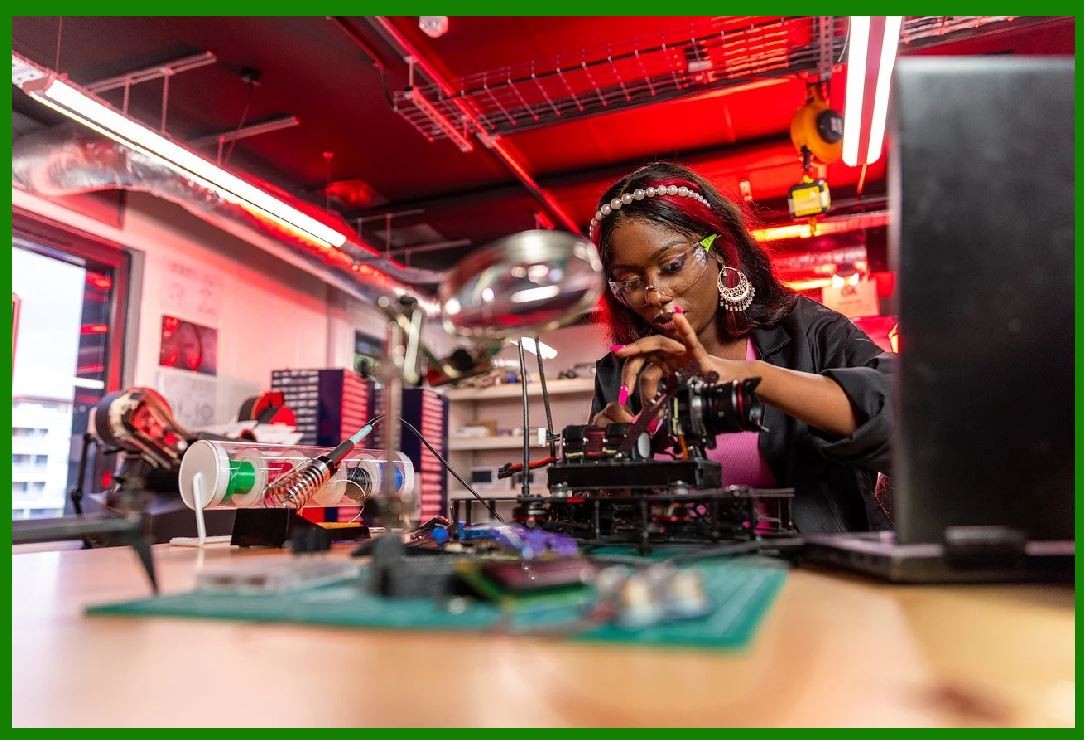
Example: In electronics assembly, soft robots are used to handle and position small, delicate components like microchips and circuit boards. Their ability to adapt to varying shapes and sizes and their gentle grip prevent damage to sensitive parts. This is particularly useful in the production of high-precision devices such as smartphones or medical equipment. |
|
4. Search and Rescue Operations |
4.1 Rescue in Hazardous Environments |
Soft robots are increasingly being used in disaster response and search-and-rescue operations, where the terrain is unstable and narrow spaces may need to be navigated. The ability of soft robots to deform and squeeze through tight spaces makes them ideal for these environments. |
Example: The Snakebot developed by Carnegie Mellon University is a soft robot designed to navigate through rubble and collapsed buildings during search-and-rescue operations. The robot's flexible, serpentine shape allows it to slip into narrow gaps and move around debris, making it possible to locate and rescue survivors in difficult-to-reach places. This type of robot can deform its body to fit into irregular spaces and can use sensors to detect human presence or heat signatures. |
Soft Robot for Underwater Search: The MantaRay robot, developed for underwater search-and-rescue missions, uses soft, flexible fins to move and navigate in tight spaces under water. Its soft materials allow it to squeeze into narrow crevices or through wreckage in underwater environments, making it ideal for locating objects or people in disaster zones, such as after a shipwreck. |

|
5. Robotics for Elderly Care |
5.1 Assistive Robots for Mobility and Daily Tasks |
Soft robots are also being explored for use in elderly care, where they can provide support for mobility and daily tasks. These robots are designed to interact gently with elderly individuals, offering assistance without causing harm or discomfort. |
Example: The Care-O-bot is a soft robot designed to assist the elderly with daily activities, such as fetching objects, helping with mobility, or providing reminders for medication. The robot's soft arms and grippers can interact gently with people, providing physical support when needed. Its flexible body allows it to navigate easily around furniture and obstacles in the home, ensuring that it doesn't get stuck or cause accidents. |
Companion Robots: Soft robots are also being designed as companions for elderly individuals, offering social interaction and emotional support. These robots can perform a variety of functions, such as engaging in conversations, playing games, or even offering light physical assistance. Their soft, non-threatening appearance and movements make them a less intimidating presence in elderly care settings, enhancing the overall experience for the user. |

|
Conclusion |
The practical applications of soft robotics are vast and varied, spanning industries from healthcare and agriculture to industrial automation and search-and-rescue operations. The flexibility, adaptability, and dexterity of soft robots make them uniquely suited for tasks that require careful handling, fine manipulation, and interaction with dynamic or unpredictable environments. As technology continues to advance, the role of soft robots in everyday life and industry is set to grow, bringing new possibilities for automation, healthcare, and personal assistance. |
 cs@easiersoft.com