Surgical Robots: A Detailed Overview |
Surgical robots represent one of the most innovative advancements in modern medicine, revolutionizing the way surgeries are performed. These robots assist surgeons by providing greater precision, reducing invasiveness, and offering enhanced control during procedures. The integration of robotic technology into the operating room is transforming the landscape of healthcare, leading to quicker recovery times, reduced risk of complications, and more consistent outcomes for patients. This detailed exploration delves into the evolution, types, mechanisms, and implications of surgical robots, with particular focus on notable systems like the da Vinci Surgical System and Mako robots. |
1. Introduction to Surgical Robots |
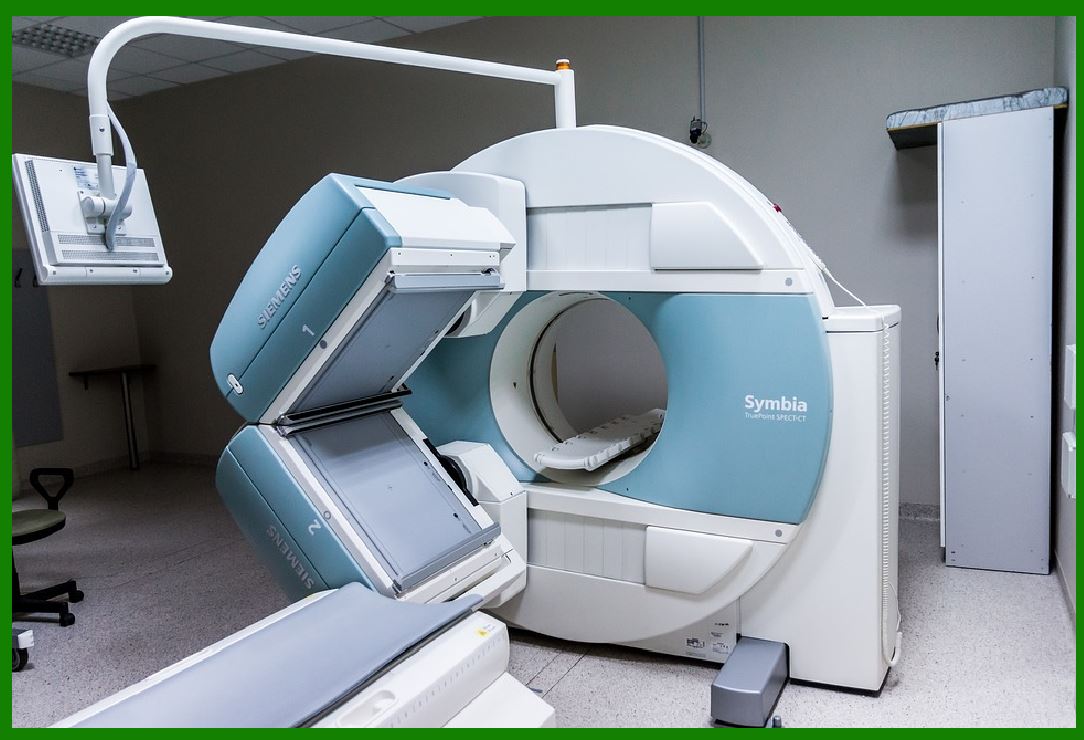
Surgical robots are computer-assisted robotic systems that help surgeons carry out operations with high precision, minimal incisions, and increased control. The primary aim of these robots is to enhance the capabilities of human surgeons, providing them with tools that allow for finer movements, greater dexterity, and improved visualization compared to traditional manual methods. |
Unlike fully autonomous robots, surgical robots are generally operated by surgeons, who control the system through advanced interfaces, such as joysticks, foot pedals, and 3D visualization systems. These robots are primarily used in minimally invasive surgeries (MIS), where smaller incisions are made, reducing trauma to the body, which in turn leads to faster recovery times and reduced scarring. |
While robotic surgery is still in its relative infancy compared to traditional techniques, its adoption has been growing exponentially. A key reason for this is the robotic system's ability to provide unparalleled precision, which is crucial in delicate and complex surgeries such as those involving the brain, heart, spine, or joints. |
|
2. Evolution of Surgical Robotics |
The evolution of surgical robots can be traced back to the late 20th century, with early attempts focused on providing more controlled environments for minimally invasive surgeries. The first generation of robotic surgery systems was designed to assist surgeons by improving access to hard-to-reach areas and enabling more precise movements during operations. |
The early 1990s marked a pivotal point with the introduction of the da Vinci Surgical System, which was developed by Intuitive Surgical. The da Vinci system allowed for teleoperated surgery, meaning that the surgeon could control robotic arms from a console located in a different part of the room. This technology was groundbreaking because it allowed surgeons to perform complex procedures with enhanced precision and reduced risks associated with manual techniques. |
As technology continued to advance, other types of surgical robots were developed, including systems for joint replacement, spine surgery, and neurosurgery. Among these, the Mako robot for orthopedic surgery and CyberKnife for radiation therapy represent significant milestones in the field. |
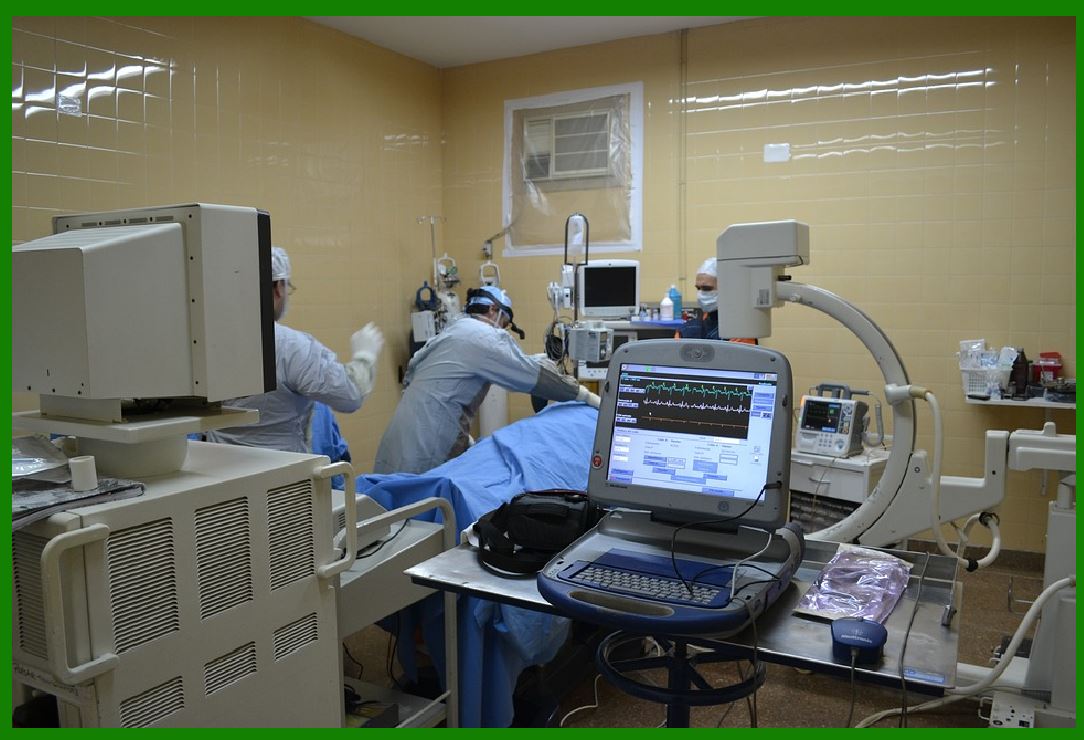
Today, surgical robots are not limited to the operating room but are also used in various pre-surgical and post-surgical phases, including training, planning, and rehabilitation. |
|
3. Types of Surgical Robots |
There are several types of surgical robots, each tailored to specific types of surgery. These include general-purpose robots, specialized systems for specific organs or systems, and systems designed for training and simulation. Some of the most well-known surgical robots include: |
da Vinci Surgical System: The da Vinci system is perhaps the most famous and widely recognized surgical robot in use today. It was first introduced in the late 1990s and has since undergone multiple iterations. It is used for a variety of procedures, including prostate surgery, gynecologic surgery, and cardiac surgery. The system consists of a console from which the surgeon controls the robotic arms, a patient-side cart with robotic arms, and a vision system that provides high-definition, 3D views of the surgical area. |
Mako Robot: The Mako robot is specifically designed for orthopedic procedures, particularly joint replacement surgeries. It is widely used in knee and hip replacements, where precise bone cuts and alignment are essential for the long-term success of the procedure. The Mako system uses 3D imaging and preoperative planning to create a detailed map of the patient's anatomy, allowing surgeons to perform highly customized surgeries that are tailored to the patient's specific needs. |
CyberKnife: While not a traditional 'surgical' robot in the sense of performing physical cuts, the CyberKnife system is a robotic arm that delivers highly focused radiation to treat tumors. It is commonly used in oncology for patients who cannot undergo surgery or prefer non-invasive treatment options. The robot tracks the position of tumors in real time, adjusting its radiation delivery as the patient moves, thus ensuring that the radiation is directed precisely at the tumor and not healthy surrounding tissue. |
RAS (Robotic-Assisted Surgery) Systems: These systems are becoming increasingly common in hospitals around the world. They offer a middle ground between traditional open surgery and fully robotic surgery. In this case, the surgeon uses robotic tools, but they remain in control of the surgical process at all times. Some of the most commonly used RAS systems include the Versius robotic system and the Hugo system, both of which are designed for minimally invasive surgeries. |
Each of these systems offers distinct advantages depending on the type of surgery being performed, the needs of the patient, and the preferences of the surgeon. |

|
4. Key Components of Surgical Robots |
The components of a surgical robot can vary depending on the type and model, but all systems generally include a few key elements designed to maximize the precision and effectiveness of the procedure. The most common components of surgical robots include: |
Robotic Arms: The robotic arms are the main tools that perform the surgical actions. They can hold instruments such as scalpels, suturing tools, and cameras, and are controlled by the surgeon from a console. These arms are designed to mimic the movements of a human hand, but with much greater precision and stability. They can operate with a range of motions that surpasses human ability, allowing for movements in tiny spaces, complex angles, and tight anatomical spaces. |
Surgeon Console: The surgeon console is a control interface that allows the surgeon to manipulate the robotic arms. It usually includes a combination of foot pedals, joysticks, and 3D visualization screens. The console also provides the surgeon with real-time video feeds and other sensory data from the surgery, such as tissue tension and bleeding, which can be vital in guiding decision-making during the procedure. |
Patient-Side Cart: The patient-side cart houses the robotic arms and their instruments. It is positioned near the patient, and the arms are used to perform the actual surgical tasks. The cart can be adjusted to provide optimal access to the surgical area. |
Vision System: The vision system in robotic surgery provides high-definition, 3D imaging, allowing the surgeon to see the surgical site in great detail. This enhanced visualization is critical for procedures that require a high degree of accuracy, such as neurosurgery and microsurgeries. It often includes magnification features that help the surgeon identify even the smallest structures. |
Tactile Feedback: While not all systems provide tactile feedback (the sensation of touch), many advanced systems are now equipped with sensors that provide feedback to the surgeon. This feedback allows the surgeon to feel the tension in tissue, the resistance encountered by surgical tools, and other sensations that are critical for making real-time decisions during surgery. |
|
5. How Surgical Robots Work |
Surgical robots function through a combination of advanced technologies, including artificial intelligence (AI), real-time imaging, and robotic control systems. To perform a procedure, the surgeon first plans the surgery using 3D imaging software, which generates a highly detailed map of the patient's anatomy. This map guides the robotic system during the operation, ensuring that the tools are used precisely according to the plan. |
During the procedure, the surgeon controls the robotic arms, which translate their movements into fine motions at the surgical site. The robotic arms can move with greater precision than a human hand, minimizing the likelihood of errors and enabling the surgeon to navigate intricate structures, such as blood vessels and nerves. In some systems, the robot can also automatically adjust for slight movements or shifts in the patient's position during the surgery, ensuring consistent accuracy. |
AI plays a key role in certain robotic systems, particularly in tasks such as identifying abnormalities or assisting with the decision-making process. Machine learning algorithms can analyze real-time data and offer recommendations to the surgeon, enhancing the overall precision of the surgery. However, the final decision-making and control still rest in the hands of the surgeon, who is ultimately responsible for the patient's safety. |
|
6. Advantages of Surgical Robots |
Surgical robots provide a wide array of benefits for both surgeons and patients. The key advantages include: |
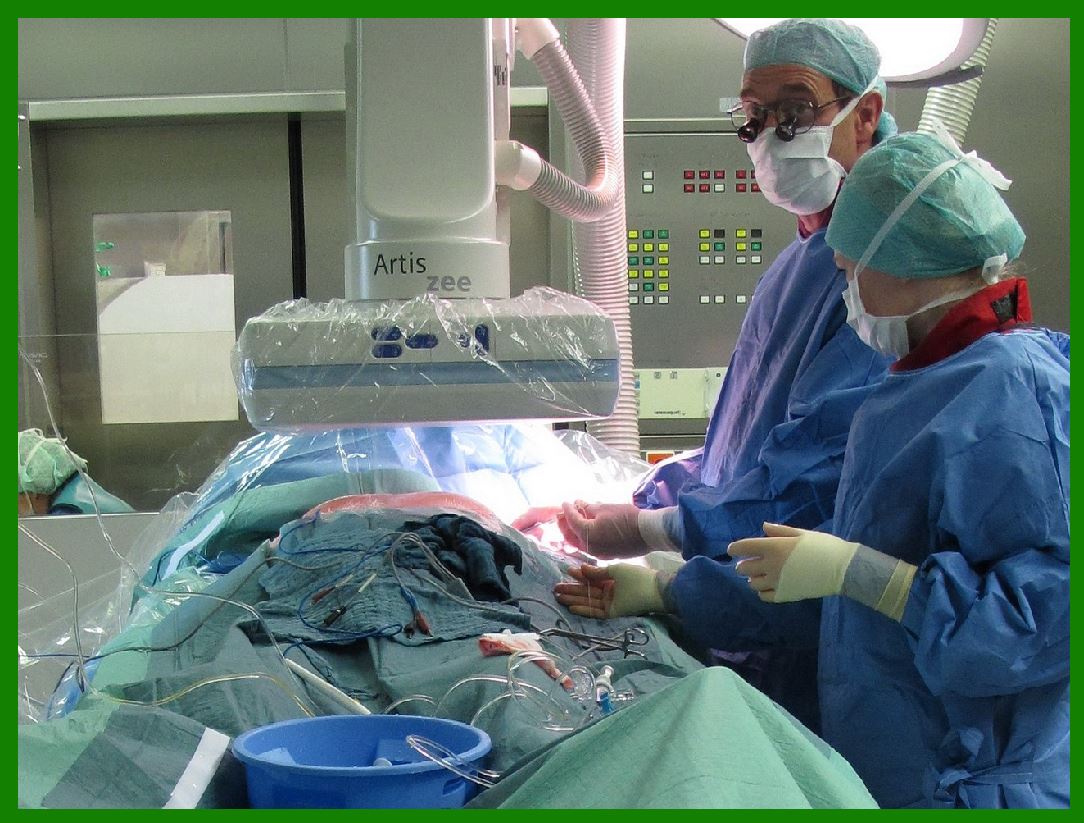
Increased Precision: One of the most significant benefits of surgical robots is the enhanced precision they offer. Robotic arms can move with greater accuracy and stability than a human hand, especially in confined spaces or in procedures that require fine motor skills. This improved precision reduces the likelihood of human error and can be critical in high-stakes surgeries. |
Minimally Invasive Surgery: Surgical robots are primarily used in minimally invasive procedures, which require only small incisions. This reduces trauma to the body, decreases blood loss, and lowers the risk of infection. Minimally invasive surgeries typically lead to faster recovery times, less scarring, and shorter hospital stays for patients. |
Better Visualization: The high-definition, 3D visualization offered by robotic systems provides a clearer and more detailed view of the surgical area. Surgeons can zoom in on specific structures and view them from different angles, improving their ability to identify key anatomical features and reduce the risk of accidental injury. |
Reduced Fatigue for Surgeons: Robotic systems can reduce physical strain on surgeons during long or complex procedures. Surgeons no longer have to maintain awkward positions or apply excessive force with their hands for extended periods, as the robotic system handles the mechanical aspects of the surgery. |
Minimized Risk of Complications: The combination of increased precision, better visualization, and the ability to make smaller incisions means that there is a reduced risk of complications during surgery. For example, robots can perform precise suturing, reducing the risk of infection and promoting faster healing. |
Faster Recovery Time: Due to the minimally invasive nature of robotic surgeries, patients often experience shorter recovery times. There is less tissue damage, less pain, and a lower chance of infection. This leads to faster rehabilitation, which is particularly beneficial for elderly patients or those with chronic conditions. |
|
7. Challenges and Limitations |
Despite the many advantages, there are also challenges and limitations to surgical robots. Some of the major drawbacks include: |
High Costs: The acquisition, installation, and maintenance of surgical robots are expensive. Many hospitals and surgical centers face financial constraints when it comes to purchasing and maintaining these systems. Additionally, robotic surgeries often require specialized training, which can add to the overall cost. |
Technical Issues: Like any complex technological system, surgical robots are subject to malfunctions, which can cause delays or complications during surgery. While rare, these malfunctions can be catastrophic, especially in critical surgeries. |
Steep Learning Curve: Surgeons must undergo extensive training to operate robotic systems effectively. This learning curve can be a barrier, especially for smaller hospitals or less experienced surgeons who might not have the opportunity to master the technology. |
Limited Flexibility: Although robotic systems are highly precise, they are not as flexible or adaptable as human hands in certain situations. For example, in some emergency surgeries, the need for quick and dynamic decisions can be hindered by the time it takes to adjust the robotic system. |
|
8. Future of Surgical Robotics |
The future of surgical robotics is promising, with ongoing advancements in AI, machine learning, and robotics paving the way for even more precise, efficient, and accessible systems. Future robotic systems are expected to become more autonomous, with AI playing a larger role in decision-making during surgeries. Additionally, as technology improves, robotic systems will become more affordable and accessible to hospitals around the world, democratizing advanced surgical techniques. |
Furthermore, the integration of robotics into minimally invasive surgeries is likely to continue expanding into more specialties, including plastic surgery, urology, and even pediatrics. The development of smaller, more versatile robots could also make them suitable for a broader range of procedures and healthcare settings. |
As surgical robots become more commonplace, they will likely become an integral part of modern surgery, ultimately improving outcomes for patients and reducing the risks and challenges faced by surgeons. |
|
Practical Applications of Surgical Robots |
Surgical robots are increasingly used in a wide variety of medical fields, providing enhanced precision, reduced invasiveness, and quicker recovery times for patients. The application of these robots is not limited to a single type of surgery but spans across numerous specialties, ranging from general surgery to orthopedics, urology, and neurosurgery. Below are some examples of how surgical robots are practically applied in different medical procedures: |
1. Urology: Prostate Surgery (Radical Prostatectomy) |
Example: da Vinci Surgical System |
One of the most common uses of surgical robots in urology is in radical prostatectomy, a procedure to remove the prostate gland in patients with prostate cancer. Traditionally, this surgery involved large incisions and a longer recovery period. However, with the advent of the da Vinci Surgical System, the procedure has become minimally invasive, offering several advantages: |
Enhanced Precision: The robotic arms allow the surgeon to perform delicate tasks such as nerve-sparing surgery, which is essential for maintaining erectile function and continence after prostatectomy. |
Better Visualization: The da Vinci system provides high-definition, 3D visualization, allowing surgeons to see the prostate and surrounding tissues with great clarity, even at microscopic levels. |
Reduced Blood Loss: Smaller incisions and more precise movements lead to significantly less blood loss compared to traditional open surgery. |
Faster Recovery: Because the surgery is minimally invasive, patients typically experience less pain, fewer complications, and a quicker return to daily activities. |
|
2. Orthopedics: Joint Replacement Surgery (Hip and Knee) |
Example: Mako Robotic-Arm Assisted Surgery |
Robotic systems like the Mako robot have revolutionized orthopedic surgeries, particularly in joint replacement procedures such as hip and knee replacements. These surgeries require highly precise bone cuts and accurate alignment to ensure the implants function properly and last long. |
Preoperative Planning: Mako robots use 3D imaging to create a personalized map of the patient's joint. This helps the surgeon plan the exact placement of the implant with a high degree of precision. |
Precision Bone Cuts: The robotic arm assists in performing bone cuts with millimeter accuracy, ensuring the alignment and positioning of the implant are optimal. |
Faster Recovery: Like other minimally invasive surgeries, robotic joint replacements result in smaller incisions, less trauma to surrounding tissues, and a reduced risk of complications such as infection. |
Better Long-Term Outcomes: With more precise alignment, the Mako system can improve the long-term durability of the joint implant and decrease the chances of wear and tear. |

|
3. Gynecology: Hysterectomy |
Example: da Vinci Surgical System |
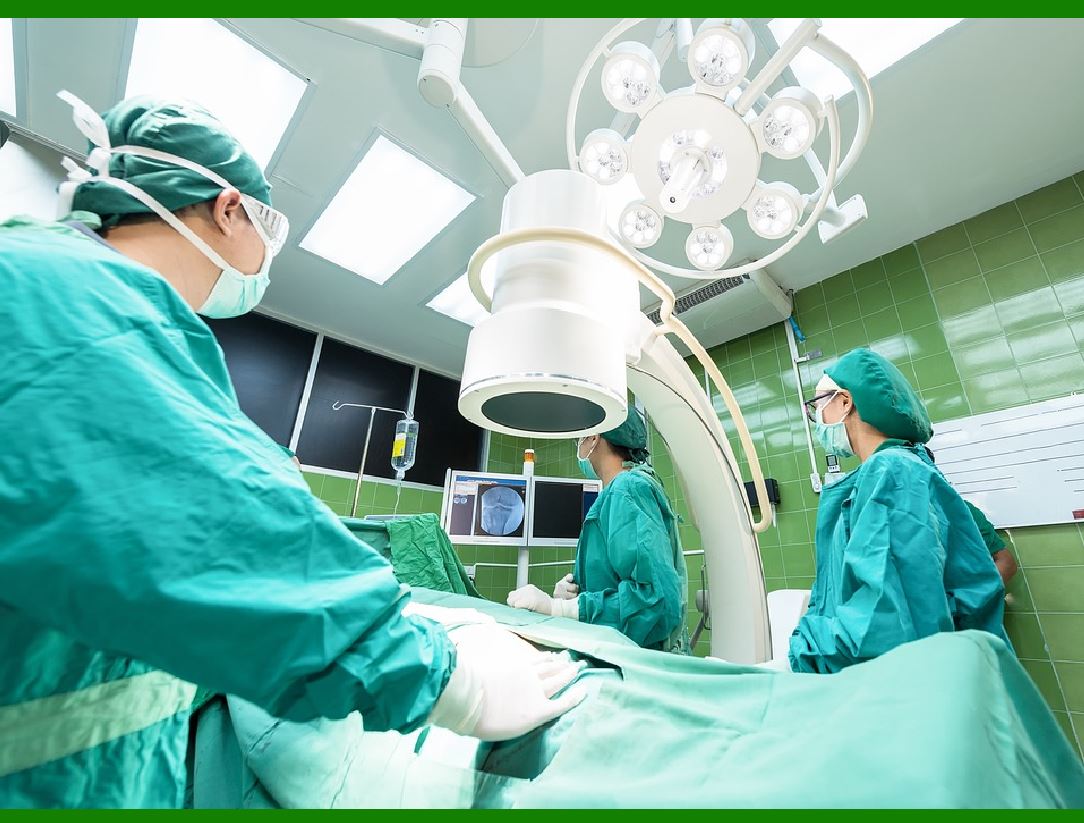
In gynecology, one of the most common robotic-assisted surgeries is the hysterectomy, where the uterus is removed due to conditions like cancer, fibroids, or endometriosis. The da Vinci Surgical System is frequently used for this procedure: |
Minimally Invasive: Traditional hysterectomies require a large abdominal incision, but with the da Vinci system, the surgeon can make smaller incisions, leading to less tissue damage and a shorter recovery period. |
Precision in Delicate Areas: In some cases, hysterectomies are performed in patients with complicated anatomy or with surrounding organs affected by disease (such as bladder or bowel involvement). The robotic system's precision makes it easier to avoid damaging delicate structures during surgery. |
Reduced Pain and Hospital Stay: Robotic hysterectomy typically results in less postoperative pain, fewer complications, and a shorter hospital stay compared to traditional open surgery. |
|
4. Neurosurgery: Brain Tumor Removal |
Example: ROSA Brain Surgery System |
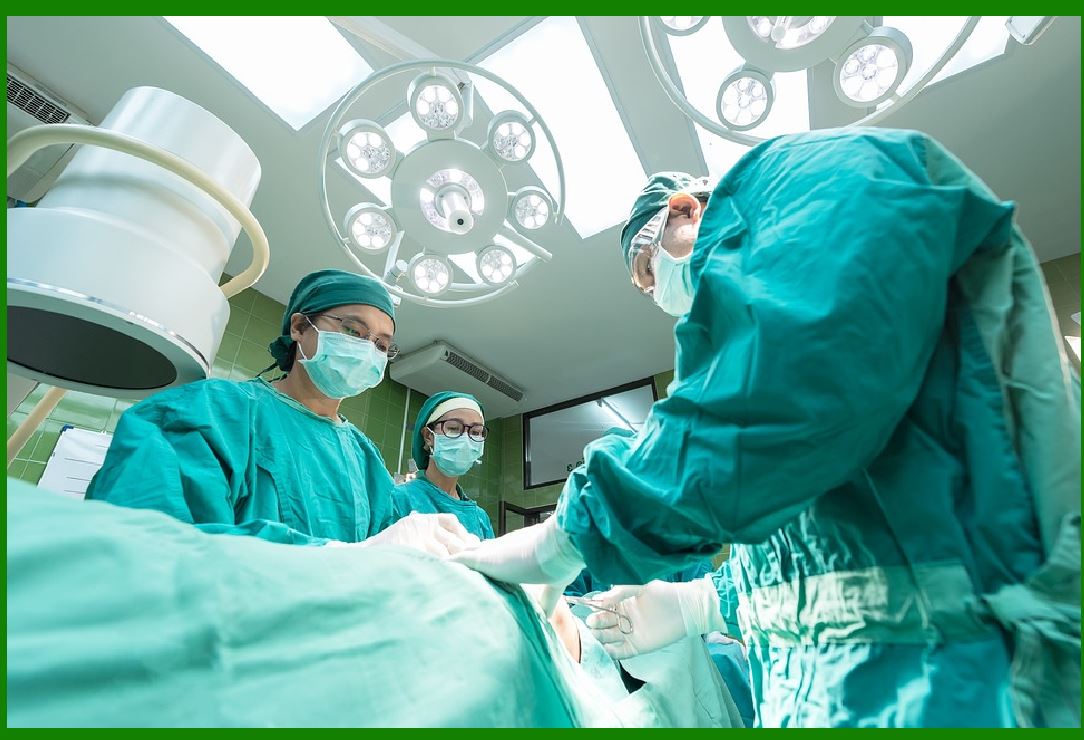
The ROSA (Robotized System for Brain Surgery) is an advanced robotic system designed to assist neurosurgeons in the removal of brain tumors, deep brain stimulation, and other intricate neurological procedures. The system offers significant advantages for brain surgery, where precision is critical. |
Precision in Planning: The ROSA system provides detailed preoperative planning by mapping the brain with high-resolution imaging, allowing the surgeon to pinpoint the exact location of the tumor. |
Minimally Invasive Access: By using smaller incisions and more accurate trajectories, the robotic system can reduce the trauma to surrounding healthy brain tissue. This is especially important in brain surgery, where even minor damage to critical structures can have significant consequences. |
Real-Time Adjustments: The robotic system tracks the brain's position during surgery, making real-time adjustments as the brain shifts or as the surgeon maneuvers through the surgical site. |
Reduced Complications: The increased precision of ROSA reduces the likelihood of complications such as bleeding, infection, or damage to critical areas of the brain. |
|
5. Cardiac Surgery: Coronary Artery Bypass Grafting (CABG) |
Example: da Vinci Surgical System |
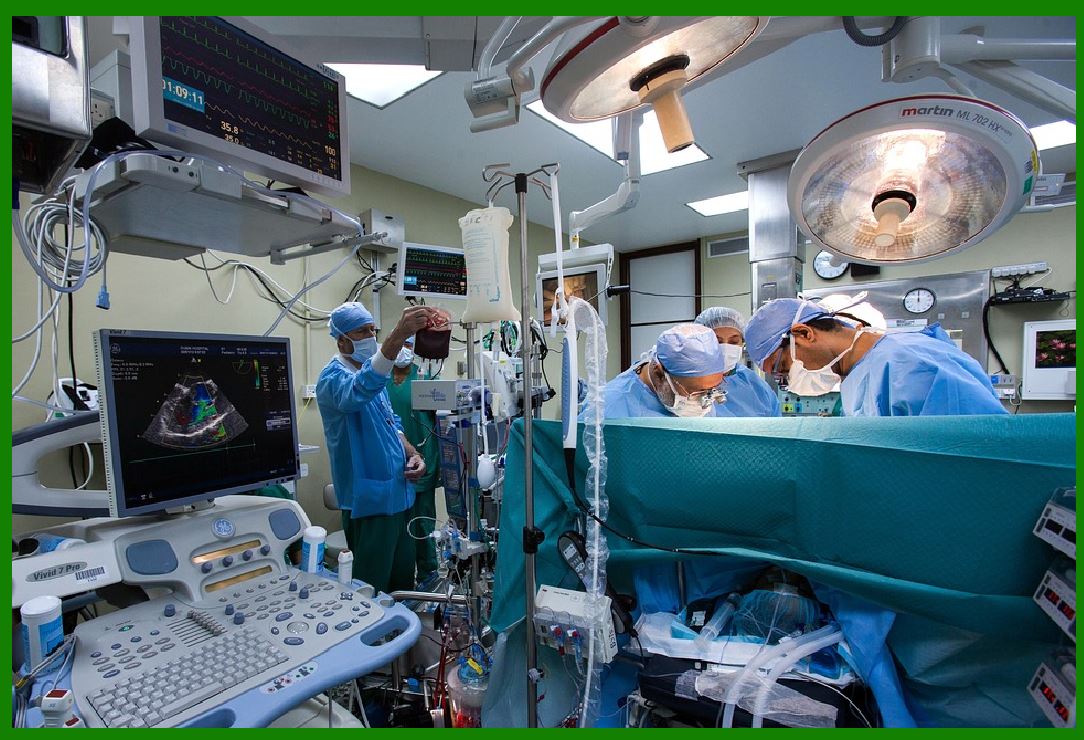
Cardiac surgeons often use robotic systems like the da Vinci Surgical System to assist in coronary artery bypass grafting (CABG), a procedure used to treat blocked coronary arteries. This procedure traditionally requires large incisions, but the use of robotic systems allows for a minimally invasive approach. |
Precise Vessel Harvesting: In CABG, a section of a vein or artery is typically removed from another part of the body to bypass the blocked coronary artery. The robotic arms help perform this delicate task with extreme precision, reducing the chance of damage to surrounding tissues. |
Small Incisions: Robotic systems enable the surgeon to work through smaller incisions, which reduces trauma, leads to less scarring, and shortens the patient's recovery time. |
Improved Patient Outcomes: With less trauma, patients experience less pain, reduced risk of infection, and a quicker recovery. Furthermore, because the robotic system can assist in navigating difficult anatomical spaces, the procedure can be performed more precisely. |
|
6. Colorectal Surgery: Colon and Rectal Cancer Resection |
Example: da Vinci Surgical System |
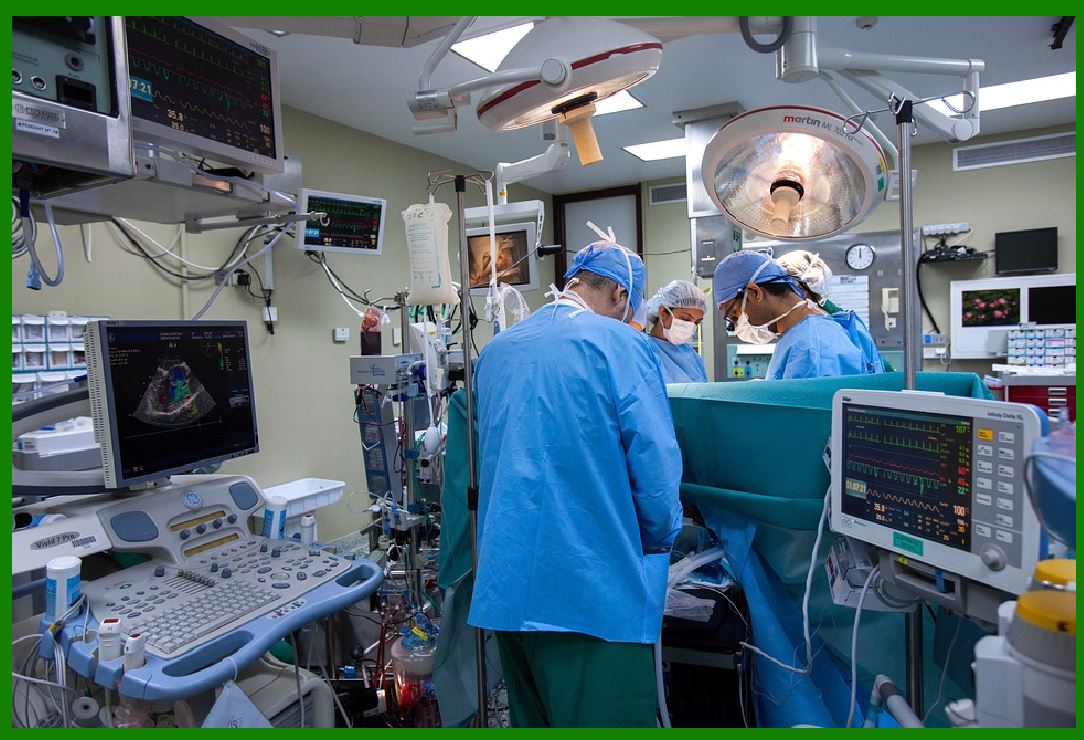
Surgical robots are increasingly used for colorectal cancer resection, where part or all of the colon or rectum is removed. The da Vinci system has been employed to perform this type of surgery with minimal invasiveness. |
Precision Tumor Removal: Robotic systems provide enhanced dexterity and control for surgeons, enabling them to carefully remove cancerous tissue while preserving healthy tissue and avoiding vital structures such as blood vessels or nerves. |
Smaller Incisions: In traditional colorectal surgery, large abdominal incisions are often necessary. Robotic surgery, however, allows for smaller incisions, resulting in less postoperative pain, fewer complications, and quicker recovery times. |
Enhanced Visualization: The high-definition, 3D vision system allows surgeons to see the surgical area with greater clarity, which is critical when working in the small and complex anatomy of the colon and rectum. |
Reduced Blood Loss and Faster Healing: Because robotic systems are more precise, they tend to cause less bleeding during surgery, and the smaller incisions mean quicker healing. |
|
7. ENT (Ear, Nose, and Throat) Surgery: Sinus Surgery |
Example: da Vinci Surgical System |
Robotic technology is also making a significant impact in ENT surgery, particularly for procedures involving the sinuses. Traditional sinus surgery can be invasive, requiring large incisions and causing significant post-surgical discomfort. Robotic-assisted sinus surgery provides a more refined alternative: |
Precise Navigation: The robotic system allows surgeons to navigate the intricate sinus cavities with great precision, minimizing the risk of damage to surrounding structures such as the eyes, nerves, and blood vessels. |
Improved Access: Robotic arms can maneuver through the nasal passages and access hard-to-reach areas with enhanced flexibility and dexterity. |
Reduced Risk of Complications: With improved visualization and navigation, there is a lower risk of complications such as bleeding, injury to adjacent structures, and infection. |
Faster Recovery: Patients experience less post-surgical pain and can return to their normal activities more quickly compared to traditional sinus surgeries. |
|
8. Spine Surgery: Spinal Fusion |
Example: Mazor X Robotic System |
The Mazor X Robotic System is designed specifically for spinal surgeries such as spinal fusion, a procedure used to treat conditions like scoliosis, degenerative disc disease, or spinal fractures. |
Preoperative Planning: The Mazor X system allows for detailed preoperative planning by using advanced imaging techniques to map the spine and plan the precise location of screws and implants. |
Minimally Invasive Approach: Robotic systems enable surgeons to access the spine with smaller incisions, reducing the impact on surrounding muscles and tissues. |
Enhanced Precision: The robotic arms guide the surgeon in placing spinal screws and rods with millimeter accuracy, reducing the risk of misplacement and the need for revision surgery. |
Reduced Postoperative Pain: Smaller incisions and less muscle dissection result in less postoperative pain and quicker recovery times for patients. |
|
9. Pediatric Surgery: Pediatric Heart Surgery |
Example: da Vinci Surgical System |
Robotic surgery is increasingly being applied to pediatric heart surgery, particularly in delicate procedures like heart valve repair or correction of congenital heart defects in children. |
Precision in Delicate Anatomy: Pediatric patients often have smaller and more delicate anatomical structures. Robotic systems, with their enhanced precision and dexterity, enable surgeons to perform heart surgeries with minimal disruption to surrounding tissues. |
Minimally Invasive: The use of small incisions allows for less trauma, which is particularly important for pediatric patients who may be more susceptible to complications from larger wounds. |
Better Outcomes: Robotic surgery results in less postoperative pain, faster recovery, and a reduced risk of complications such as infection or blood loss. |

|
Conclusion |
Surgical robots have demonstrated their potential to significantly improve the quality, precision, and efficiency of various types of surgeries across multiple specialties. From urology to orthopedics, neurosurgery to pediatric surgery, the applications of surgical robots are vast and continually expanding. These systems offer advantages such as enhanced precision, smaller incisions, quicker recovery times, and improved patient outcomes, making them a powerful tool in modern medicine. As technology continues to evolve, the use of robotic systems in surgery is likely to become even more widespread, offering new possibilities for more effective and less invasive treatments. |
 cs@easiersoft.com