Target - Barcode and Robotics Integration in Retail Operations |
1. Background |
Target is a leading retail chain in the United States, renowned for its innovation and commitment to improving operational efficiency, customer satisfaction, and overall retail experience. In recent years, the company has significantly embraced technological advancements, particularly through the integration of automation, barcode technology, and robotics in its store operations. This shift towards automation is a response to the rapidly evolving retail landscape, where competition is fierce, consumer expectations are higher than ever, and operational efficiency is paramount for maintaining profitability. |
At the heart of Target's strategy is the integration of robots and barcode-enabled systems into various aspects of its operations. These technologies allow Target to optimize processes such as inventory management, stock replenishment, and customer service. By combining robots with barcode scanning capabilities, Target aims to improve accuracy, reduce human error, increase operational speed, and ultimately enhance the shopping experience for its customers. |
The primary goal of this integration is to increase the overall efficiency of store operations, reduce costs associated with labor and inventory management, and create a seamless experience for customers. Target's ability to embrace cutting-edge technologies positions it as a leader in the retail space, constantly evolving to meet the needs of both consumers and employees. |

|
2. Barcode-Enabled Robots in Stores |
One of the most visible aspects of Target's technological innovations is the deployment of barcode-enabled robots within its stores. These robots are specifically designed to assist with inventory management and shelf scanning, two critical areas that significantly impact the efficiency of retail operations. |
2.1. Robot Functionality and Design |
The robots deployed in Target stores are equipped with advanced barcode scanners and sensors that allow them to roam aisles autonomously. These robots are typically designed to be small enough to navigate the store's aisles without obstructing customers or staff. Their movements are guided by a combination of sensors and algorithms that enable them to detect and avoid obstacles, ensuring they can efficiently complete their tasks without interference. |
Each robot is equipped with a high-powered barcode scanner capable of reading product barcodes from a variety of angles. This feature is especially useful in environments where barcodes might be placed at awkward angles or where products may be partially obscured on the shelves. The robots are able to scan barcodes quickly and accurately, matching the data with Target's inventory system in real-time. |
2.2. Inventory Management and Shelf Scanning |
A primary function of the barcode-enabled robots is to assist with inventory management. Traditionally, this task would require human employees to manually check stock levels on shelves, which can be time-consuming and error-prone. The robots, however, are able to complete these tasks much more quickly and consistently. |
The robots continuously scan the barcodes of products on shelves, comparing the scanned data with Target's inventory system. When discrepancies arise, such as when an item is out of stock, misplaced, or incorrectly priced, the robot immediately generates a real-time alert. This alert is sent to store employees, who can then address the issue promptly, minimizing the potential for lost sales or customer dissatisfaction. |
By using barcode technology, the robots also ensure greater accuracy in identifying issues with product availability. Even damaged or hard-to-read barcodes can be detected by the robots' advanced scanning capabilities, ensuring that inventory data is reliable and up-to-date. |
2.3. Stock Replenishment and Real-Time Alerts |
In addition to identifying inventory discrepancies, the robots are also able to flag low-stock items, alerting employees to restock or reposition products before they run out. This proactive approach to stock replenishment is crucial for maintaining optimal inventory levels and preventing stockouts, which can lead to missed sales opportunities and customer frustration. |
The ability to receive real-time alerts means that store employees can act quickly to resolve inventory issues. For instance, if a shelf is running low on a high-demand item, an employee can quickly restock it from the backroom, ensuring that the product remains available for customers. This efficiency not only helps maintain a steady flow of products but also reduces the risk of inventory discrepancies that could negatively impact the store's overall performance. |
|
3. Customer Service Enhancements |
Barcode-enabled robots have also been integrated into Target's customer service strategy, providing enhanced convenience and efficiency for shoppers. The robots' capabilities are not limited to back-end inventory management; they also play a key role in improving the customer experience by assisting with product location and streamlining the checkout process. |
3.1. Robot Assistants for Customer Interaction |
One notable application of barcode-enabled robots is their role as interactive assistants for customers. In certain stores, robots have been programmed to assist customers in locating specific items. For example, if a customer is looking for a particular product, they can interact with a robot that is capable of scanning barcodes to identify the product's location within the store. |
The robots use barcode-based systems to identify the product and its corresponding location on the shelves. Once the item is located, the robot provides clear instructions to the customer, directing them to the correct aisle or shelf. This feature reduces the amount of time customers spend searching for products and enhances their overall shopping experience. |
These robots are designed to be user-friendly, with intuitive interfaces that allow customers to interact with them easily. Some robots even use friendly, conversational language to guide customers, making the process feel more personalized and less robotic. This blend of technology and customer service helps Target create a more modern and efficient shopping experience, while also positioning the brand as a leader in retail innovation. |
3.2. Barcode Technology in Checkout |
Another key area where barcode technology enhances customer service is during the checkout process. Target uses barcode scanners at both traditional POS (point-of-sale) registers and self-checkout stations. These barcode scanners allow for quick and accurate scanning of items, speeding up the transaction process and reducing wait times for customers. |
At self-checkout stations, customers can scan their items and complete their transactions independently, without the need for a cashier. The barcode scanners at these stations are designed to be user-friendly and efficient, minimizing the likelihood of errors during the scanning process. This system allows customers to check out quickly and get on with their day, which is a significant benefit, especially during peak shopping hours. |
Moreover, the self-checkout systems are integrated with Target's broader inventory management system, so that items scanned at checkout are automatically updated in real time. This integration ensures that Target's inventory data remains accurate, further streamlining store operations and helping maintain stock levels. |
3.3. Mobile App Integration |
Target also utilizes barcode technology in its mobile app to enhance the shopping experience. Customers can use the Target app to scan barcodes on products to view detailed product information, read reviews, check prices, and even verify availability. This integration allows customers to make more informed purchasing decisions while in the store. |
Additionally, the app allows for easy price comparison, enabling customers to scan barcodes and compare prices across different products in real-time. This feature appeals to price-conscious shoppers, as it provides transparency and ensures that customers feel confident about their purchasing choices. |
|
4. Outcomes |
The implementation of barcode-enabled robots and barcode technology has led to several significant outcomes for Target, particularly in areas like inventory management, stock replenishment, and customer service. These improvements have contributed to enhanced operational efficiency, reduced labor costs, and an overall better shopping experience for customers. |
4.1. Improved Inventory Accuracy |
One of the most notable outcomes of Target's use of barcode-enabled robots is the improvement in inventory accuracy. Robots that continuously scan barcodes help ensure that inventory data remains up-to-date and reliable. With real-time scanning and alerts, store employees can address inventory discrepancies promptly, preventing issues such as stockouts or misplaced items. |
By reducing human error and automating the inventory management process, Target has been able to maintain higher levels of stock accuracy and consistency. This improved accuracy helps ensure that customers can find the products they need, reducing customer frustration and increasing the likelihood of repeat business. |
4.2. Cost Reduction and Efficiency Gains |
The use of barcode-enabled robots has also led to significant cost reductions for Target. Robots can handle tasks such as shelf scanning, stock replenishment, and inventory tracking, all of which were traditionally performed by human employees. By automating these tasks, Target has been able to reduce the need for manual labor, freeing up employees to focus on higher-value tasks such as customer service. |
Additionally, the robots' ability to quickly identify low-stock or misplaced items allows Target to reduce the time spent on inventory checks, which helps improve overall store efficiency. These efficiency gains contribute to a reduction in labor costs and help improve the store's bottom line. |
4.3. Enhanced Customer Experience |
Perhaps the most visible outcome of Target's integration of barcode technology and robotics is the improvement in customer service. The robots that assist with product location and the self-checkout stations equipped with barcode scanners make the shopping process more efficient and convenient for customers. Shoppers no longer have to spend time searching for products or waiting in long checkout lines, which enhances their overall shopping experience. |
The ability to quickly scan items at checkout, either at a traditional register or at a self-checkout station, helps reduce wait times, leading to higher customer satisfaction. Additionally, the barcode-based mobile app allows customers to make informed purchasing decisions, ensuring that their needs are met both in-store and online. |
|
Conclusion |
Target's integration of barcode-enabled robots and technology into its retail operations has proven to be a transformative move, enhancing operational efficiency, inventory management, and the customer experience. By utilizing automation and barcode technology in innovative ways, Target has not only improved the accuracy and speed of its operations but also set itself apart as a leader in the retail sector. |
The combination of robots that autonomously scan barcodes and the implementation of barcode technology at checkout has allowed Target to create a more seamless, efficient, and customer-friendly shopping environment. This technological integration has led to improved inventory accuracy, reduced labor costs, and enhanced customer service, all of which contribute to a better overall retail experience. As Target continues to invest in and refine these technologies, it is likely that the company will remain at the forefront of retail innovation for years to come. |
|
What challenges will it face in the future? |
5. Future Challenges for Target's Barcode and Robotics Integration in Retail Operations |
While Target's integration of barcode-enabled robots and automation technologies has already yielded substantial benefits in terms of efficiency, customer service, and cost reduction, the company will face several challenges as it continues to evolve and expand its use of these technologies. These challenges stem from a variety of sources, including technological, operational, customer-related, and broader industry trends. Below are some key challenges Target may encounter in the future: |
5.1. Technological Advancements and Integration |
5.1.1. System Integration and Scalability |
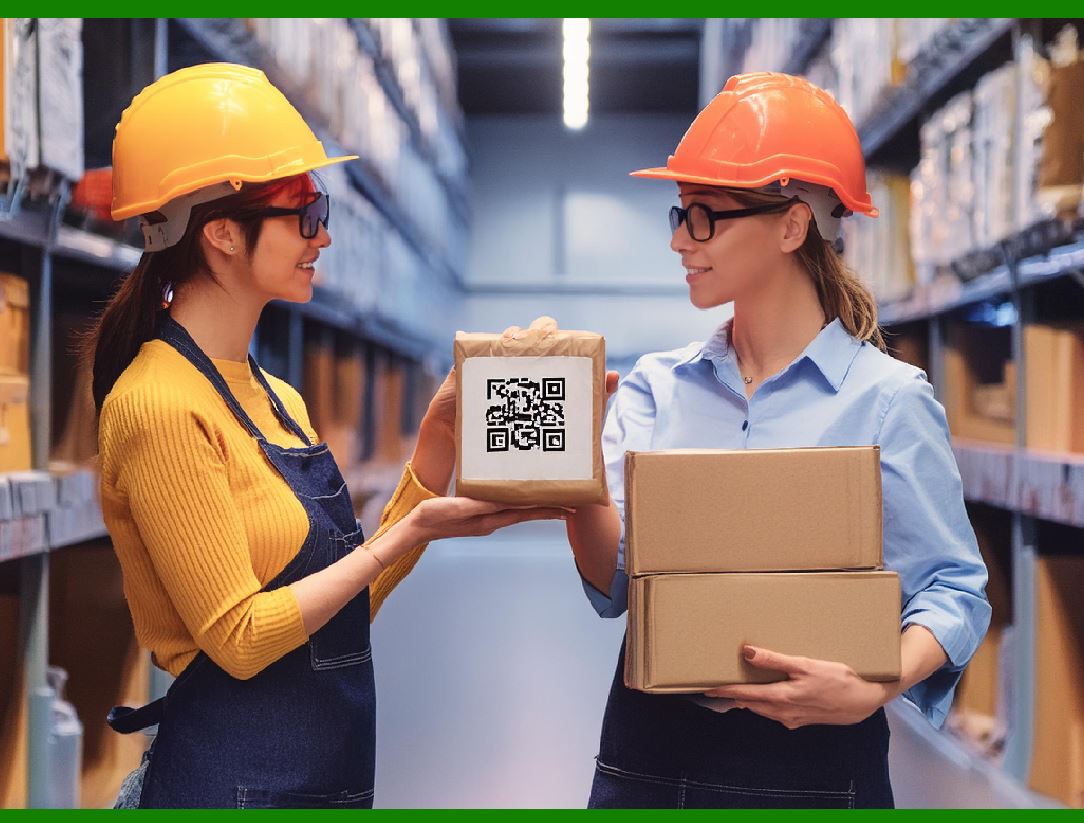
As Target continues to scale its automation efforts, one of the biggest hurdles will be ensuring seamless integration between new technologies and existing systems. The company has already implemented robots with barcode scanners in many stores, but as the fleet of robots grows and the technology evolves, maintaining a cohesive and interconnected ecosystem will become increasingly complex. This will require significant investments in IT infrastructure, software integration, and continuous updates to both hardware and software to ensure that new systems work well with older ones. |
Additionally, as Target integrates more advanced technologies, such as artificial intelligence (AI) and machine learning (ML), into its robotics systems, ensuring smooth data sharing between the robots, inventory systems, and point-of-sale systems will be crucial. For instance, real-time inventory data needs to be immediately accessible across all systems to avoid discrepancies and delays in stock replenishment or customer interactions. Any lag or disconnect between systems could lead to errors or inefficiencies that undermine the entire operation. |
5.1.2. Upgrades and Obsolescence |
Technological obsolescence is another challenge that Target will face as robotics and barcode scanning technology continues to evolve rapidly. The retail robotics landscape is advancing at a fast pace, with new features, sensors, and capabilities being introduced regularly. While Target has invested heavily in its current robotics systems, ensuring that the technology stays up to date with the latest innovations could become increasingly difficult. Older robots or barcode scanners may become outdated, requiring costly upgrades or replacements to maintain functionality and meet the growing demands of the retail environment. |
Moreover, as new technologies such as 5G connectivity, Internet of Things (IoT), or edge computing become more prevalent, Target will need to adapt and possibly overhaul its existing systems to take advantage of the benefits these advancements offer, such as improved real-time data processing, reduced latency, and more intelligent decision-making. The company will need to balance the costs of upgrading existing systems with the value gained from these technological improvements. |
|
5.2. Labor and Employee Relations |
5.2.1. Job Displacement Concerns |
As robots continue to perform tasks traditionally handled by human employees, such as inventory scanning, stock replenishment, and shelf management, there are concerns about job displacement. Although automation can reduce labor costs and increase efficiency, it could lead to a reduction in the number of employees needed for certain tasks. This raises ethical questions about how Target will manage workforce transitions and ensure that employees are not negatively impacted by automation. |
While automation may eliminate some jobs, it could also create new roles in areas like robot maintenance, programming, and supervision. However, these roles may require different skills, which means Target will have to invest in retraining its existing workforce to help them transition into new, more technical positions. Failing to address these concerns proactively could result in negative publicity, labor disputes, or employee dissatisfaction, which could impact Target's reputation and brand loyalty. |
5.2.2. Human-Robot Collaboration |
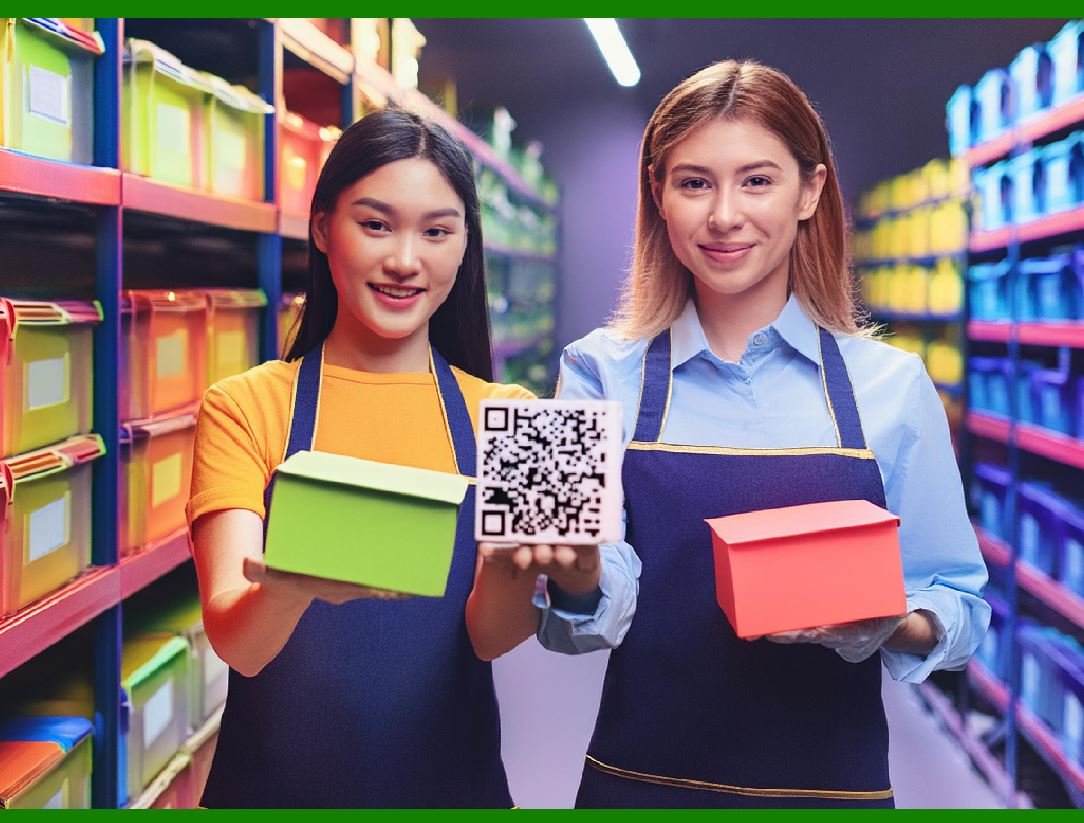
As robots take over more repetitive and data-intensive tasks, there will be an increased need for human workers to collaborate with these machines. The challenge for Target will be ensuring that employees can effectively work alongside robots and leverage their capabilities to enhance their own productivity, rather than feel overshadowed or replaced by automation. |
This shift will require a cultural change within Target, where workers are trained to view robots as tools that complement human efforts, not as threats to their job security. The company will need to foster a work environment where humans and robots coexist in a way that maximizes efficiency while maintaining positive employee morale. |
|
5.3. Customer Adoption and Trust |
5.3.1. Consumer Acceptance of Robotics |
While many customers appreciate the convenience that robots and automation can provide, there is still a significant portion of the population that may be hesitant or even resistant to interacting with robots. For instance, older shoppers or those who are not tech-savvy might feel uncomfortable using self-checkout kiosks or interacting with robots in the store. This could lead to dissatisfaction or reluctance to use certain services, particularly if customers perceive robots as impersonal or prone to errors. |
Furthermore, some customers might feel a lack of human interaction in the store is a negative aspect of shopping, especially if they rely on personal customer service for guidance, advice, or assistance. The challenge for Target will be finding the right balance between automation and human engagement, ensuring that technology enhances the shopping experience without alienating certain customer groups. |
5.3.2. Privacy and Security Concerns |
With the use of barcode scanners, robots, and other connected devices, Target will have to address growing concerns about data privacy and security. Customers may be worried about the amount of personal data being collected through their interactions with robots, self-checkout systems, and mobile apps. While these technologies are designed to streamline processes and improve the customer experience, they also create new touchpoints for data collection, which could raise concerns about data breaches, unauthorized access, or misuse of personal information. |
Target will need to implement strong cybersecurity measures and transparent data protection policies to reassure customers that their data is secure. Additionally, the company will need to ensure that customers are informed about how their data is used, stored, and protected, maintaining a clear line of communication regarding privacy practices. |

|
5.4. Supply Chain and Logistics Challenges |
5.4.1. Supply Chain Complexity |
Although robotics and barcode technology have been instrumental in streamlining in-store operations, Target's broader supply chain still presents significant challenges. As robots help maintain inventory accuracy within stores, they depend on a well-organized supply chain to ensure that stock is replenished in a timely manner. However, the complexity of modern supply chains, including global sourcing, inventory tracking, and transportation logistics, can lead to bottlenecks and delays that affect product availability. |
In the future, as Target expands its automation capabilities, it will need to integrate these technologies seamlessly with its supply chain management systems. This might involve the use of advanced predictive analytics, AI-driven forecasting, and real-time tracking to optimize the movement of goods from warehouses to stores. Additionally, any disruptions in the supply chain-whether due to global events, natural disasters, or political instability-could have a ripple effect on Target's ability to maintain consistent stock levels in its automated stores. |
5.4.2. Stockouts and Overstocks |
While automation can help prevent stockouts and improve inventory accuracy, it can also lead to an over-reliance on robots for managing stock levels. If the robots' inventory data is not properly integrated with real-time demand data from online and physical channels, Target could face situations where it either over-orders products or experiences stockouts in response to shifts in consumer demand. For example, if robots signal that an item is in low supply when in reality it is still selling slowly, the system could mistakenly trigger an order for more stock, resulting in excess inventory. |
Target will need to continually fine-tune its inventory forecasting models to ensure that the robots' automated data is supplemented with accurate demand predictions. This requires ongoing collaboration between the robotics systems, the supply chain team, and the sales teams to ensure that stock levels align with actual consumer demand. |
|
5.5. Regulatory and Legal Challenges |
5.5.1. Compliance with Labor Laws |
As Target continues to adopt automation, the company must ensure that it complies with both federal and state labor laws, particularly as they relate to the displacement of workers. In the U.S., labor regulations surrounding automation and robotics are still evolving, and the company will need to remain vigilant in ensuring that its practices are aligned with legal requirements. This includes addressing potential issues regarding employee benefits, labor rights, and the legal implications of using robots for tasks traditionally performed by humans. |
5.5.2. Regulation of Robotics in Retail |
Robotics in retail is still a relatively new field, and regulators are working to establish guidelines around the safe and effective use of robots in public spaces. For example, robots must comply with safety standards to prevent accidents, especially in high-traffic areas like retail stores. Additionally, as robots become more autonomous and capable of making decisions, questions about liability and accountability may arise if a robot malfunctions or causes harm. Target will need to stay on top of these regulations and ensure that it meets all necessary safety standards and legal requirements to avoid potential lawsuits or compliance issues. |
|
6. Conclusion |
As Target moves forward with its integration of barcode-enabled robots and other automation technologies, the company will encounter several challenges that will require careful consideration and adaptation. From technological integration and labor concerns to customer adoption and regulatory compliance, Target's continued success will depend on its ability to address these issues while continuing to innovate and enhance its operational efficiency. |
Target's ability to navigate these challenges will determine how effectively it can maintain its leadership position in the retail industry. By staying proactive and adapting to changes in the technological, legal, and social landscape, Target can maximize the benefits of automation while ensuring that both its employees and customers continue to benefit from its technological advancements. |
 cs@easiersoft.com