1. Introduction to Therapeutic Robots |
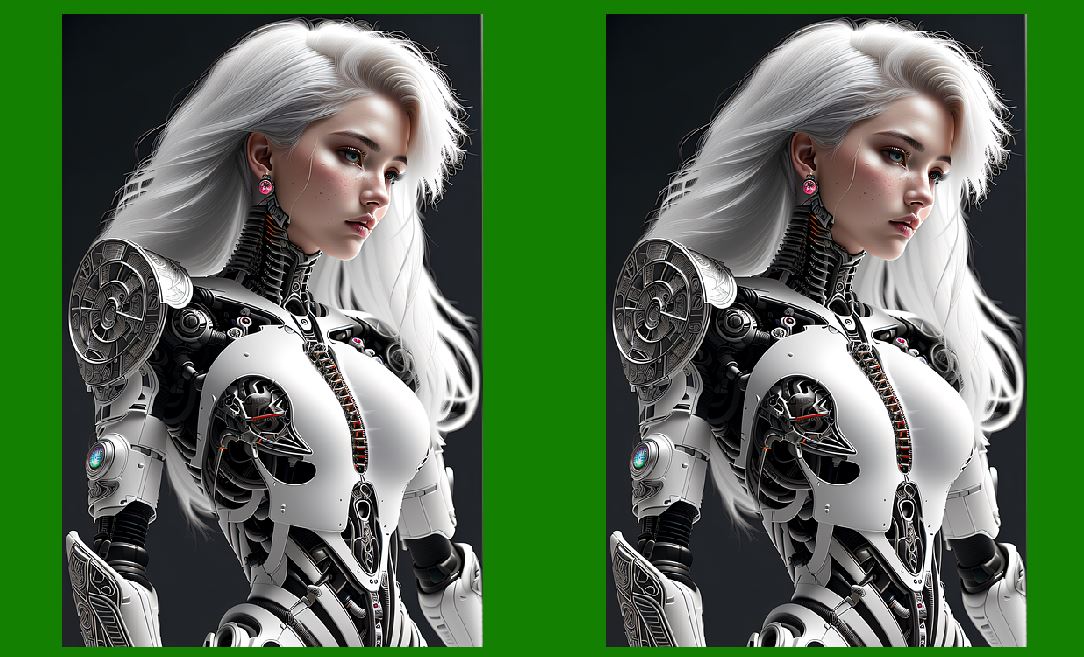
Therapeutic robots are a class of advanced technology designed to assist in improving mental health, cognitive function, and overall well-being, particularly for individuals facing psychological challenges or cognitive disabilities. These robots offer unique and innovative methods to support therapy and healthcare interventions. They have gained significant attention in the field of medical and psychological care, as they provide personalized interaction, create engaging therapeutic environments, and can be tailored to meet the specific needs of patients. Their use is especially prevalent in assisting elderly populations, people with developmental disabilities, and those with mental health conditions like autism, anxiety, and depression. |
The development of therapeutic robots has emerged as a response to the increasing demand for mental health services, particularly in environments where human therapists may be in short supply or where patients may experience difficulty in forming relationships with other people. These robots are not intended to replace human interaction but rather to complement existing treatment methods and create positive, therapeutic experiences. |
|
2. Types of Therapeutic Robots |
There are several different types of therapeutic robots, each designed with specific goals and functions in mind. Broadly, they can be categorized into the following: |
Social Robots: These robots focus on enhancing social interaction and emotional well-being by engaging with individuals in conversations, games, and exercises. They are often used for treating conditions like autism, where social skills need to be developed or refined. Robots like Nao, Pepper, and Jibo are examples of social robots used in therapy. They can engage in interactive sessions and provide feedback that helps individuals learn social cues and emotions. |
Cognitive Support Robots: These robots are designed to help improve cognitive functions such as memory, attention, and decision-making, typically for older adults or people with cognitive impairments like Alzheimer's disease. Cognitive support robots may include reminders, games, and exercises that stimulate mental processes and encourage brain activity. |
Companion Robots: While similar to social robots, companion robots focus more on reducing feelings of loneliness and offering emotional support. These robots are often used in elderly care settings, where individuals may experience isolation and lack regular social interactions. They provide companionship through basic interactions such as playing music, offering greetings, or reminding the person to take medications. |

|
3. Therapeutic Robots and Elderly Care |
The elderly population is one of the primary groups benefiting from therapeutic robots. As the global population ages, the need for effective solutions to support the elderly increases, particularly in the areas of mental health and cognitive decline. Therapeutic robots play a significant role in combating issues such as loneliness, depression, and dementia in older adults. |
Robots like Paro, a robotic seal, have been shown to improve emotional well-being and cognitive function in elderly patients. Paro is used in many nursing homes and elder care facilities to provide comfort and emotional support. Its soft, tactile design and realistic behavior mimic that of a real animal, which can trigger emotional responses and encourage social interaction among residents. Paro has been reported to reduce stress and agitation in dementia patients, providing a form of non-verbal communication that can help improve their emotional state. |
Another robot, Care-O-bot, has been developed to assist with daily living activities, including medication reminders, mobility assistance, and cognitive exercises. It helps elderly people with a range of physical and cognitive impairments by facilitating independence, reducing caregiver workload, and offering mental stimulation. |

|
4. Nao: A Case Study in Therapeutic Robots for Autism |
One of the most well-known examples of a therapeutic robot is Nao, a humanoid robot created by SoftBank Robotics. Nao has become a prominent tool in autism therapy, helping individuals with autism spectrum disorder (ASD) develop social, emotional, and communication skills. Nao's use in therapeutic settings is particularly valuable for children with autism, who may struggle with social interactions and the development of essential life skills. |
Design and Features of Nao: Nao is a small, interactive humanoid robot measuring around 58 cm in height. Its design includes expressive face features, bright eyes, and a range of movements that make it an engaging companion for therapy sessions. Nao can perform a variety of actions, including walking, dancing, and responding to verbal commands. The robot can also recognize and respond to facial expressions, which helps it engage users in more meaningful ways. Its design is simple yet friendly, making it non-threatening and approachable for children. |
Application in Autism Therapy: Autism is characterized by social and communication challenges, often leading to difficulties in forming relationships and engaging in conversations. For children with autism, traditional therapies that require direct human interaction can sometimes be overwhelming or frustrating. Nao provides an alternative by offering a predictable and non-judgmental presence, making it easier for children to practice social interactions in a controlled and safe environment. |
In therapy sessions, Nao uses a variety of interactive methods to help children with autism develop important social and emotional skills. For example, Nao can play games that encourage turn-taking, eye contact, and joint attention. The robot's ability to mimic facial expressions allows it to help children learn to recognize emotions in others, which is often a difficult skill for individuals with autism to master. Furthermore, Nao can provide feedback and praise during exercises, motivating children to continue practicing social behaviors. |
Evidence of Effectiveness: Research has demonstrated that robots like Nao can significantly improve social skills in children with autism. Studies have shown that children who interacted with Nao exhibited greater eye contact, more social engagement, and improved communication abilities compared to those who did not use the robot. Nao's repetitive, predictable interactions allow children with autism to build confidence in their social skills, which can later be generalized to interactions with humans. |
Additionally, because Nao's behavior is consistent and non-judgmental, children with autism may feel less anxiety when engaging with the robot. This creates a safe space for practice without the fear of failure or rejection. Over time, as children become more comfortable with Nao, they may develop the skills necessary to interact with their peers and caregivers more effectively. |
|
5. The Science Behind Therapeutic Robots |
The effectiveness of therapeutic robots like Nao and Paro can be understood through various psychological and neuroscientific theories. Several mechanisms contribute to their positive impact on mental health and cognitive function: |
Behavioral Learning Theory: Robots like Nao utilize principles of behavioral learning theory, which emphasize reinforcement and positive feedback. When individuals engage with therapeutic robots, they are often rewarded with praise, recognition, or a desirable outcome. This reinforcement encourages continued engagement with the robot, which can help individuals build and strengthen desired behaviors, such as social communication or cognitive skills. |
Human-Robot Interaction (HRI): The field of human-robot interaction (HRI) is concerned with how humans interact with robots and how these interactions affect behavior and cognition. Therapeutic robots are designed to create interactions that mimic human behavior to some extent, allowing for emotional and social engagement. Studies have shown that humans are often more willing to interact with robots than with people, especially in cases where individuals experience social anxiety or have difficulty engaging in real-life social situations. |
Cognitive Stimulation: Many therapeutic robots are programmed to engage users in cognitive exercises, such as puzzles, memory games, or problem-solving tasks. These activities stimulate various cognitive functions, including memory, attention, and processing speed. Cognitive stimulation through robots has been found to be especially beneficial for older adults and individuals with cognitive impairments, as it can help slow the progression of conditions like Alzheimer's disease and improve overall brain function. |
Emotional Bonding and Attachment: One of the most fascinating aspects of therapeutic robots is the emotional bond that humans form with them. Despite being non-human, robots like Paro and Nao can trigger emotional responses similar to those that people feel for pets or other human companions. This emotional attachment can provide comfort, reduce stress, and even combat feelings of loneliness or depression. |
|
6. Ethical Considerations and Challenges |
While therapeutic robots have shown promising results, there are several ethical considerations and challenges associated with their use: |
Dependency and Attachment: One potential concern is the risk of individuals becoming overly dependent on robots for social and emotional support. While robots can be effective in providing temporary relief or therapy, there is a concern that individuals, particularly the elderly, may begin to prioritize interaction with robots over human relationships. This could lead to social isolation, as the person may feel more comfortable with the robot than with actual human interactions. |
Privacy and Data Security: Many therapeutic robots collect data during interactions, such as emotional responses, behavior patterns, and cognitive performance. This data can be invaluable for improving the effectiveness of therapy, but it also raises concerns about privacy and security. Safeguarding personal information is critical to ensure that the data collected is used responsibly and with the individual's consent. |
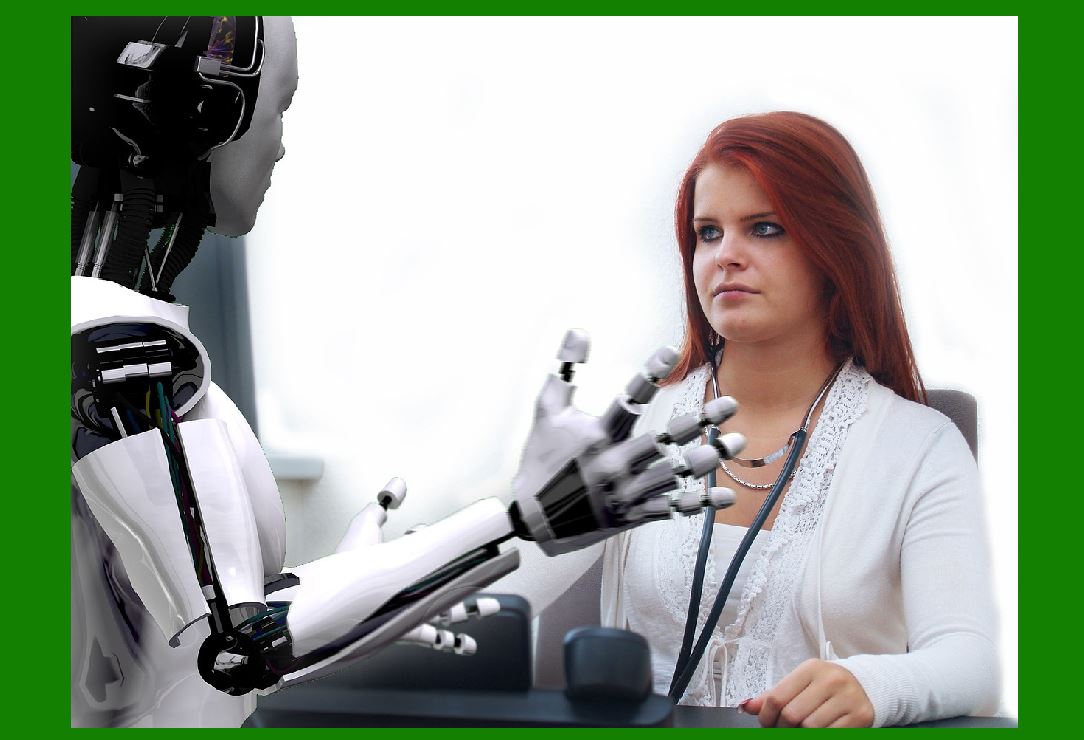
Human-Robot Relationships: As robots become more integrated into therapeutic practices, there may be societal concerns about the nature of human-robot relationships. Some fear that robots may replace human caregivers in certain situations, leading to a loss of human connection in critical areas of healthcare. While robots are intended to assist rather than replace human interaction, it is important to consider the long-term implications of their use. |
|
7. Future Directions in Therapeutic Robots |
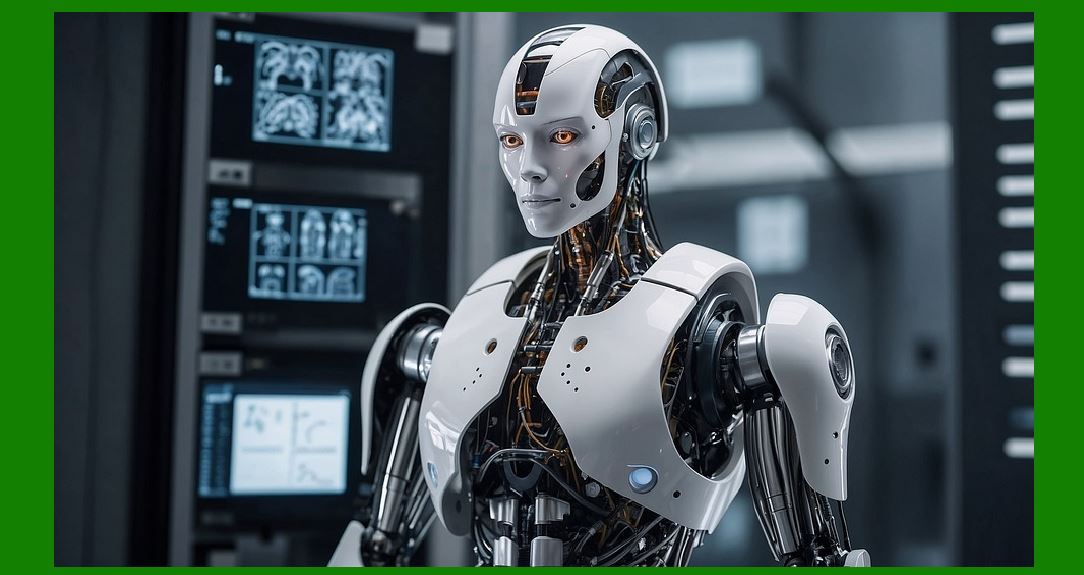
The field of therapeutic robots is rapidly evolving, and several exciting developments are on the horizon. Future robots are expected to be more advanced, with enhanced emotional intelligence, greater adaptability, and improved capabilities to meet diverse therapeutic needs. |
Artificial Intelligence (AI) Integration: The integration of advanced AI systems will allow therapeutic robots to adapt more effectively to individual needs. For example, robots could learn and adjust their behavior based on a patient's emotional state, cognitive abilities, and preferences. AI-driven robots will be able to engage in more complex interactions, making them more versatile in therapeutic settings. |
Multi-Sensory Robots: Future therapeutic robots will likely incorporate more advanced sensory features, such as haptic feedback, advanced facial recognition, and even the ability to detect changes in tone of voice. This would allow the robot to respond more naturally and appropriately to human emotions and needs, further enhancing the therapeutic experience. |
Integration with Virtual Reality (VR) and Augmented Reality (AR): Virtual reality and augmented reality technologies can be combined with therapeutic robots to create immersive environments for cognitive and emotional therapy. VR and AR can help patients with anxiety, PTSD, or social phobias by exposing them to controlled, simulated situations that encourage therapeutic growth. |
|
8. Conclusion |
Therapeutic robots represent a revolutionary approach to improving mental health and cognitive function, especially for vulnerable populations like the elderly and individuals with developmental disabilities. These robots, including examples like Nao and Paro, are transforming how we think about therapy by providing engaging, non-judgmental, and consistent support. While challenges and ethical concerns exist, the potential for therapeutic robots to enhance social interaction, cognitive function, and emotional well-being is enormous. As technology continues to advance, we can expect therapeutic robots to play an even more central role in healthcare, offering personalized care and support to individuals who need it the most. |

|
Practical Applications of Therapeutic Robots |
Therapeutic robots are being used in various practical applications, particularly in healthcare settings, elder care, and educational environments. These robots help to improve mental health, cognitive function, and overall well-being, making them valuable tools for both therapeutic and support purposes. Below are some key examples of how therapeutic robots are applied in real-world scenarios: |
1. Autism Therapy (e.g., Nao) |
One of the most well-known applications of therapeutic robots is in autism therapy. Robots like Nao are specifically designed to assist children with autism spectrum disorder (ASD) by helping them develop social skills, improve communication, and manage emotions. |
Application in Autism Centers: Nao is used in therapy centers to help children with autism practice social interactions and communication. It engages children in structured games that require turn-taking, making eye contact, and responding to questions. Nao's predictable behavior allows children to interact with it in a non-threatening environment, helping them learn how to manage emotions and develop important social cues that are often challenging for individuals with ASD. |
Improved Social Engagement: Research has shown that children who interact with Nao show increased eye contact, better engagement in activities, and improved communication skills. By engaging with the robot in a repetitive and predictable way, children with autism gain confidence in their social abilities, which can then translate to better interactions with their peers and caregivers. |
Remote and Home Use: In addition to in-clinic therapy, some programs allow children to use Nao at home or remotely, under the supervision of a caregiver. This extends the therapeutic benefits of the robot beyond the therapy session, reinforcing learning and social skills in a familiar, comfortable environment. |
|
2. Elderly Care and Dementia (e.g., Paro and Care-O-bot) |
Therapeutic robots are particularly beneficial in elderly care, where they help combat loneliness, reduce stress, and improve the overall well-being of older adults. Robots like Paro, a robotic seal, and Care-O-bot, a multifunctional robot designed to assist with daily activities, have been deployed in nursing homes and senior care facilities. |
Paro - Emotional Support for Dementia Patients: Paro is designed to resemble a baby seal, and its soft, furry exterior and lifelike movements have been found to provide comfort and emotional support to elderly patients, especially those with dementia. Paro is used in nursing homes and hospitals, where it helps reduce stress and agitation in dementia patients. The robot responds to touch, sound, and voice, simulating the behavior of a real pet and triggering emotional responses from patients. This helps reduce feelings of isolation and increases engagement, especially among individuals who have difficulty interacting with human caregivers or other patients. |
Care-O-bot - Assistive Robot for Daily Activities: Care-O-bot is an assistive robot used to help elderly individuals with tasks such as fetching objects, providing medication reminders, and offering social interaction. This robot can be programmed to interact with the elderly person in a friendly manner, offering them company while also assisting in practical tasks. It can help elderly individuals with limited mobility, cognitive decline, or physical impairments live more independently by providing support in daily living activities. |
Companionship and Cognitive Stimulation: Robots like Paro and Care-O-bot provide companionship and cognitive stimulation, which can improve mental health and prevent feelings of depression or loneliness in elderly patients. Paro, in particular, has been found to have a calming effect on individuals with Alzheimer's disease, reducing agitation and promoting social interaction within care settings. |

|
3. Physical Rehabilitation (e.g., Robotic Exoskeletons) |
Robotic exoskeletons are another example of therapeutic robots, particularly in the field of physical rehabilitation. These robots are designed to assist individuals with physical disabilities or those recovering from injury by helping them regain mobility and motor function. |
Exoskeletons for Stroke Rehabilitation: Robotic exoskeletons are used to help stroke patients regain mobility after a brain injury. These robots provide physical support for patients, helping them move their limbs through guided movements. Exoskeletons can assist with walking, standing, and even performing basic movements that individuals with motor impairments might struggle with. By guiding the movement and providing feedback to patients, exoskeletons can promote neural plasticity and assist in the rehabilitation of motor skills. |
Robotic Prostheses for Rehabilitation: Therapeutic robots are also used in the development of advanced prosthetic limbs that respond to user input. These prosthetic robots offer greater mobility, control, and function for individuals who have lost a limb due to injury or disease. The integration of robotics with the human body allows patients to perform tasks that they may have thought were impossible after losing a limb, such as grasping objects or walking with a prosthetic leg. |

|
4. Mental Health Treatment (e.g., Cognitive Behavioral Therapy Robots) |
Therapeutic robots are being used in mental health treatment, particularly for individuals with anxiety, depression, and post-traumatic stress disorder (PTSD). Robots can help reduce anxiety by providing a non-threatening presence, offering cognitive behavioral therapy (CBT) exercises, and helping individuals learn coping strategies. |
Therapy Chatbots and Virtual Counselors: Robots equipped with AI-powered conversational abilities, such as Woebot, offer cognitive behavioral therapy (CBT) and provide emotional support to individuals suffering from depression and anxiety. Woebot is a chatbot designed to guide individuals through CBT exercises, offering advice, mood tracking, and coping strategies. While Woebot is not a substitute for human therapists, it can serve as a supplement, offering therapy on-demand, especially for individuals who may not have access to traditional therapy due to geographic or financial barriers. |
Reducing Social Anxiety: For individuals with social anxiety or PTSD, interacting with a robot can be less intimidating than engaging with another human. These robots can help individuals practice social skills, expose them to social scenarios in a controlled way, and offer therapeutic exercises that reduce symptoms of anxiety or fear. They may be used in virtual environments or physical settings to simulate real-life situations, providing a safe space for patients to confront their challenges. |
Robotic Emotional Support for PTSD: In the context of PTSD, robots like Paro can provide emotional comfort and relaxation. Paro has been used in therapy for military veterans suffering from PTSD, as the calming effects of the robot help reduce stress and promote emotional healing. For some individuals, the presence of a non-judgmental and non-threatening robot can make them feel more comfortable expressing emotions and opening up about their experiences. |
|
5. Educational Support for Children with Developmental Disabilities |
In addition to its use in therapy for autism, therapeutic robots are also being applied in educational settings to assist children with developmental disabilities. Robots help engage children with learning difficulties, enhancing their ability to focus, complete tasks, and interact with peers and teachers. |
Robots in Special Education: Robots like Nao and Pepper are used in special education classrooms to assist children with developmental disabilities such as ADHD, learning disabilities, and intellectual disabilities. These robots can help teach skills like following instructions, staying focused, and learning basic concepts (e.g., numbers, letters, shapes). They can also support emotional regulation by encouraging children to express emotions and engage in conversations in a fun and interactive manner. |
Enhancing Attention and Engagement: For children with attention deficits, robots can offer structured routines and provide visual or auditory cues to help maintain focus. Interactive robots can also encourage positive reinforcement, rewarding children for completing tasks and engaging with the material. By incorporating play and interaction, therapeutic robots create an engaging learning environment that is more motivating than traditional educational tools. |
Peer Interaction and Socialization: Robots like Nao can also assist children with disabilities in developing social skills. Through role-playing games, turn-taking activities, and interactive tasks, children learn how to interact with their peers, teachers, and caregivers in a more positive and effective way. These robots serve as social companions that help children practice social behaviors in a safe, controlled environment before applying them in real-world settings. |

|
6. Hospitals and Pain Management (e.g., Robotic Pain Relief and Distraction) |
Robotic technology is also being used in hospitals to manage pain and provide distraction during medical procedures. For instance, robots are used to entertain and comfort children undergoing medical treatments or individuals experiencing chronic pain. |
Robots for Pain Relief and Distraction: In pediatric hospitals, robots like Huggable are used to provide emotional support and distraction to children undergoing painful procedures such as blood draws or chemotherapy. These robots are equipped with sensors that allow them to respond to a child's touch, offering comfort and entertainment during difficult procedures. The robot engages children in conversations, sings songs, and provides soothing messages, effectively reducing anxiety and pain perception. |
Distraction Therapy for Chronic Pain: For individuals with chronic pain conditions, robots can be used in therapeutic settings to provide distraction therapy. Robots can engage patients in tasks such as playing games, focusing on tasks, or providing virtual reality experiences that help divert their attention away from pain. This is especially useful for patients undergoing physical therapy or dealing with chronic conditions like arthritis, where distraction can reduce the perception of pain and improve overall treatment outcomes. |

|
7. Healthcare Companion Robots (e.g., ElliQ) |
ElliQ is a healthcare companion robot that provides assistance and companionship to elderly individuals, promoting their mental and physical well-being. |
Health Monitoring and Medication Reminders: ElliQ can help monitor the health of elderly individuals by tracking their vital signs, reminding them to take medications, and alerting caregivers if there are any signs of distress or emergency. This proactive support helps elderly people live independently while ensuring that they receive the necessary care and attention. |
Social Interaction and Engagement: ElliQ offers social companionship by engaging in conversations, sharing news, and even playing games. It helps combat loneliness and provides a sense of connection to the outside world, which is especially important for elderly people who may be isolated or have limited interaction with family and friends. |
Encouraging Physical Activity: ElliQ can also encourage elderly individuals to stay physically active by suggesting simple exercises and providing reminders to move. Regular physical activity is critical for maintaining mobility and reducing the risk of falls or other health complications in older adults. |

|
Conclusion |
Therapeutic robots are being increasingly integrated into a wide range of practical applications across healthcare, education, and elderly care. From helping children with autism develop social skills to providing companionship and assistance to elderly individuals, these robots are improving the quality of life for people in diverse settings. As technology continues to advance, we can expect even more innovative uses of therapeutic robots, contributing to better mental health, cognitive development, and overall well-being. |
 cs@easiersoft.com