Types of Service and Consumer Robots |
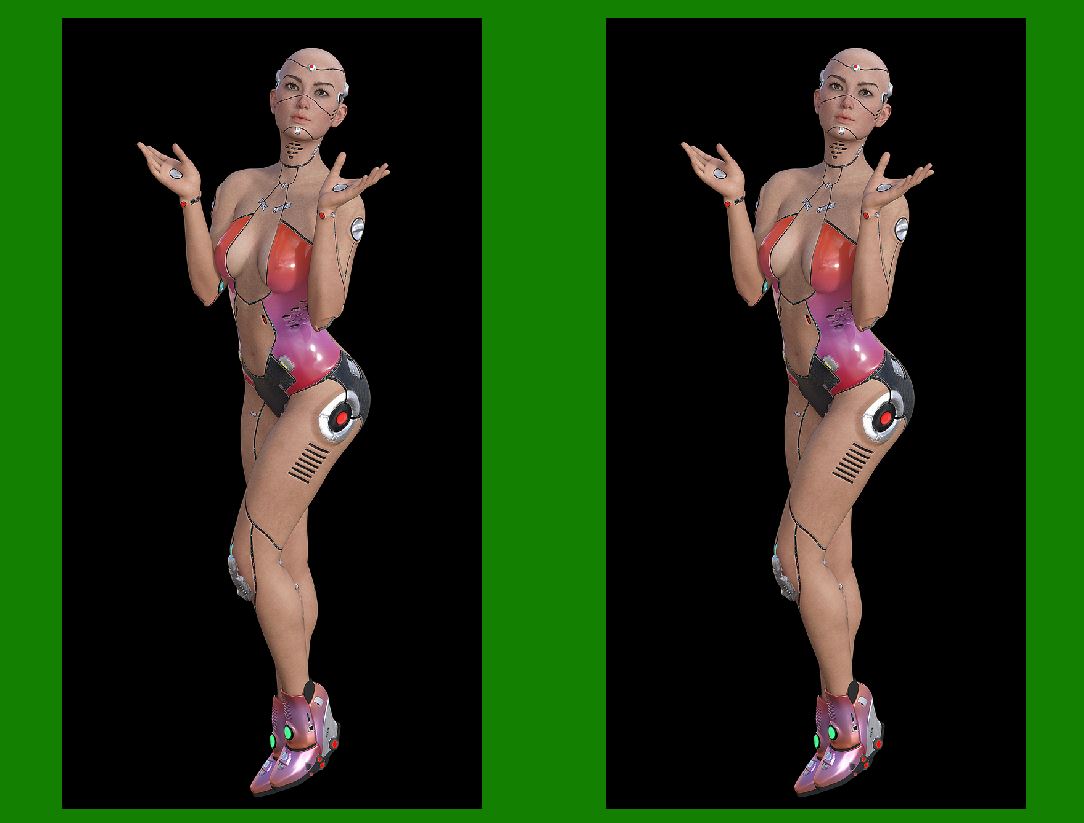
Robots are no longer confined to factories or industrial settings. With advancements in artificial intelligence (AI), machine learning, and robotics engineering, robots have transitioned into the realm of consumer and service applications. The types of service and consumer robots have evolved, becoming increasingly complex, versatile, and integrated into daily life. These robots serve a variety of purposes, ranging from personal assistants to healthcare aides, and from domestic cleaning to entertainment. |
|
1. Introduction to Service and Consumer Robots |
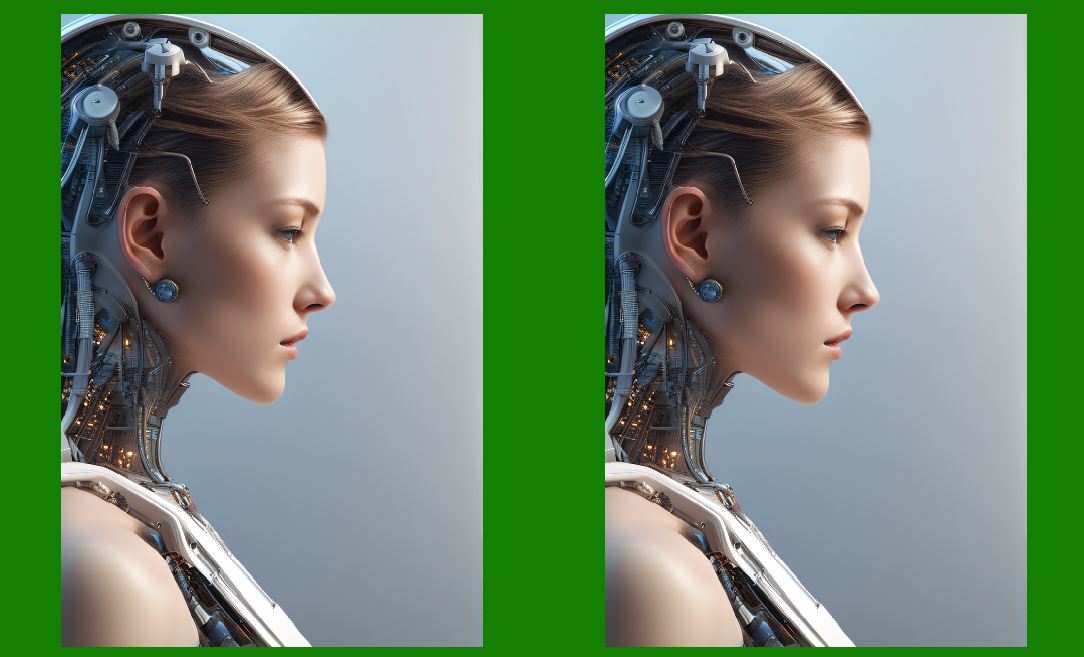
Before delving into the specific types of robots, it's important to understand what distinguishes service and consumer robots from other forms of automation. While industrial robots are designed for repetitive tasks in manufacturing or assembly lines, service and consumer robots are engineered to assist humans in their daily activities, either in commercial or home settings. They are often equipped with sensors, cameras, microphones, and various AI-driven technologies that allow them to interact with their environment and perform tasks autonomously or semi-autonomously. |
Service robots are typically used in professional or commercial settings, such as healthcare, hospitality, and retail, where they assist humans by performing tasks like delivering items, cleaning, or providing customer service. |
Consumer robots, on the other hand, are designed for personal use, typically in home environments. These robots perform tasks such as cleaning, entertainment, or personal assistance, and are often marketed directly to individual consumers. |
|
2. Types of Service Robots |
Service robots can be categorized based on their applications, environments, and levels of autonomy. The most common categories include healthcare robots, hospitality robots, logistics robots, and others that serve specialized functions. |
2.1. Healthcare Robots |
Healthcare robots are perhaps the most crucial category, given the growing need for healthcare services in aging populations and the increasing demand for efficiency and accuracy in medical tasks. These robots can be broadly classified into the following: |
Surgical Robots: These robots assist in performing surgeries with greater precision and less invasiveness. They are typically used in minimally invasive surgeries, where small incisions are made. Examples include the da Vinci Surgical System, which allows surgeons to control robotic arms with high precision, or Mako Robots used in joint replacement surgeries. |
Rehabilitation Robots: These robots help patients recover motor functions after a stroke, surgery, or injury. They can assist with physical therapy by guiding patients through specific exercises. Exoskeletons, like those made by Ekso Bionics, are wearable robots that provide mobility assistance to individuals with spinal cord injuries or neuromuscular disorders. |
Robot-Assisted Caregiving: These robots provide support for elderly individuals or those with disabilities. They assist with tasks such as lifting, moving, and aiding in daily living activities. For example, PARO, a therapeutic robot resembling a baby seal, is used in nursing homes to offer companionship and alleviate anxiety for elderly patients. |
Telepresence Robots: These robots enable doctors to remotely interact with patients. They consist of a screen and a mobile platform that allows the doctor to observe, communicate with, and even examine patients from a distance. Double Robotics and VGo Communications are examples of telepresence robots that are used for remote consultations. |
2.2. Hospitality Robots |
Hospitality robots are used in hotels, restaurants, and other service industries to improve customer service and operational efficiency. These robots can handle tasks that were traditionally done by human workers, such as delivering food, providing information, or cleaning rooms. |
Robot Concierge: These robots are designed to provide information and assistance to hotel guests. For instance, the Aldebaran Robotics' Pepper robot is used in various hotels to welcome guests, answer questions, provide directions, and offer personalized recommendations. |
Delivery Robots: Used to transport food, drinks, or other items within a hotel or restaurant. Robots such as Savioke's Relay can autonomously navigate hotel corridors and deliver items to guests, freeing up human staff to focus on more complex tasks. |
Cleaning Robots: These robots are used to maintain cleanliness in hotel rooms, lobbies, and other areas. For example, Whiz is an autonomous vacuum cleaner robot used in commercial cleaning services. It uses AI and sensors to navigate through spaces and ensure that every area is cleaned thoroughly. |
Autonomous Waitstaff: Robots such as Flippy, developed by Miso Robotics, are used in kitchens and food service areas to prepare meals, grill burgers, or even deliver food to tables. These robots increase efficiency in fast-food restaurants and allow human workers to focus on customer interaction and more complex tasks. |
2.3. Logistics Robots |
Logistics robots are employed in warehousing, retail, and distribution centers, where they manage inventory, transport goods, and assist in the packaging process. |
Warehouse Robots: These robots are designed to automate the handling of goods in warehouses. The most famous example is Amazon's Kiva Robots, which autonomously transport goods within Amazon's massive fulfillment centers. These robots help increase efficiency by reducing the need for human workers to walk long distances to retrieve items. |
Autonomous Mobile Robots (AMRs): These robots navigate and carry goods between stations, often using GPS, sensors, and AI to avoid obstacles and plan efficient routes. Geek+, a Chinese robotics company, designs AMRs for use in warehouses, retail, and logistics. |
Drone Delivery Robots: Drones are being tested for delivering products directly to customers. Companies like Wing (a subsidiary of Alphabet, Google's parent company) and Zipline are deploying drones to transport goods, particularly in areas that are difficult to access with traditional delivery methods. |
2.4. Security Robots |
Security robots are used to monitor premises, ensure safety, and respond to emergencies. These robots can perform routine surveillance or intervene in security breaches. |
Autonomous Surveillance Robots: These robots patrol specific areas, such as buildings, parking lots, or campuses, using cameras and sensors to monitor the environment for suspicious activity. Knightscope, for example, produces robots that patrol and provide real-time video surveillance. |
Robot Guards: Some security robots are capable of more advanced responses, such as calling for backup, sounding alarms, or even physically deterring intruders. For example, Cobalt Robotics produces robots that patrol office buildings to identify security risks. |
2.5. Other Service Robots |
There are also service robots designed for more niche applications: |
Agricultural Robots: These robots assist with farming tasks, such as planting, harvesting, and monitoring crop health. For instance, Octinion's Rubion is a robot designed to pick strawberries efficiently, reducing labor costs in agriculture. |
Maintenance Robots: Used to inspect and repair infrastructure, such as pipelines, power lines, or bridges. Flyability's Elios is an indoor drone that inspects hard-to-reach places, such as inside tanks or pipes, ensuring safety and reducing the risk to human workers. |
|
3. Types of Consumer Robots |
Consumer robots are designed for use in personal environments, typically in homes, and are increasingly found as part of everyday life. These robots are primarily designed to make domestic life easier, more efficient, or more entertaining. |
3.1. Domestic Robots |
Vacuuming Robots: These are autonomous robots designed to clean floors, carpets, and hard-to-reach places. The Roomba by iRobot is one of the most popular robotic vacuum cleaners. It navigates around obstacles, detects dirt, and automatically returns to its charging dock when its task is complete. |
Mopping Robots: Some consumer robots are specifically designed to mop floors. Brands like Braava (from iRobot) offer robots that mop floors after the vacuuming process, providing a thorough cleaning solution for homeowners. |
Lawn Mowing Robots: Similar to vacuuming robots, lawn mowing robots like Husqvarna Automower autonomously cut grass. These robots can navigate around obstacles and are programmed to operate within a defined area, providing a convenient solution for homeowners with large lawns. |
Pool Cleaning Robots: These robots are designed to clean pools automatically. Dolphin Robotics, for example, creates autonomous pool cleaners that scrub the walls, floor, and waterline of pools, reducing the manual effort required to keep pools clean. |
3.2. Personal Assistant Robots |
Personal assistant robots can help with a range of activities, such as scheduling, reminders, and entertainment. |
Social Robots: Robots like Jibo and Buddy are designed for social interaction. They can answer questions, play music, set reminders, and provide entertainment. These robots also recognize facial expressions and voice commands, enabling them to provide a personalized experience. |
Home Assistants: Voice-activated home assistants, such as Amazon's Alexa, Google Assistant, and Apple's Siri, while not physically robotic, are considered consumer robots in the broader sense. These AI-driven systems integrate with home automation devices and assist users with tasks such as controlling lighting, checking weather, or ordering groceries. |
3.3. Entertainment Robots |
Entertainment robots are designed to amuse and engage individuals, whether through physical interaction or digital content. |
Robotic Pets: For people who are unable to care for a live pet, robotic pets like Sony's Aibo or FurReal Friends provide companionship without the responsibilities of feeding or cleaning. These robots respond to touch, sounds, and even facial expressions, mimicking the behavior of real animals. |
Robotic Toys: Many consumer robots are marketed toward children. These include educational robots that teach coding or creative robots that allow children to build and control them. Examples include LEGO Mindstorms, which allows children to build programmable robots, and Anki's Cozmo, a small robot designed for play and learning. |
Entertainment Robots for Adults: More sophisticated robots are designed for adult entertainment purposes, such as interactive robots that serve as companions or exhibit lifelike behaviors. Synthea Amatus is an example of a robot that can interact and provide companionship, with capabilities extending to physical interaction and conversation. |
3.4. Companion and Therapy Robots |
Robots designed for companionship and therapeutic purposes are becoming more popular, particularly in elder care. These robots provide comfort, reduce loneliness, and even help with cognitive function. |
Companion Robots: Robots like Pepper, PARO, and Palro are designed to provide emotional companionship. They interact with users, recognize emotions, and provide comfort, especially in environments like nursing homes or homes for the elderly. |
Therapeutic Robots: These robots help improve mental health or cognitive function, particularly in older adults or people with developmental disabilities. Nao, a humanoid robot, is used in therapy sessions for individuals with autism, helping them develop social skills through interactive play. |
|
4. Challenges and Future Trends |
While the advancements in service and consumer robots are impressive, there are several challenges facing the widespread adoption of these technologies. These include issues related to cost, privacy, safety, and regulatory standards. Additionally, the integration of robots into daily life must be handled carefully to ensure they are ethically deployed, especially in sensitive areas like healthcare or elder care. |
However, the future looks promising. As AI and machine learning continue to improve, service and consumer robots will become more capable, affordable, and integrated into everyday tasks. We can expect robots to become increasingly autonomous, to integrate with other smart home devices, and to provide even more personalized and efficient services in both the workplace and at home. |
|
In conclusion, service and consumer robots are revolutionizing industries ranging from healthcare to hospitality to home maintenance. With their potential to enhance efficiency, improve quality of life, and provide new forms of entertainment, robots are poised to play a central role in the future of both professional and personal spaces. |

|
What new technologies will be related to this in the future? |
The future of service and consumer robots is highly promising, with many emerging technologies poised to further revolutionize these fields. Several advanced technologies, currently under development or in the early stages of adoption, will play a critical role in making robots more intelligent, efficient, and adaptable to a wide range of tasks. Below are some of the key technologies that will shape the future of robotics: |
1. Artificial Intelligence and Machine Learning |
One of the most significant drivers of innovation in service and consumer robotics is the continued advancement of artificial intelligence (AI) and machine learning (ML). These technologies allow robots to learn from their environment, adapt to new situations, and improve their performance over time. |
Deep Learning: The use of deep neural networks and reinforcement learning will make robots increasingly capable of complex decision-making and problem-solving. For instance, robots will be able to learn from their interactions with humans, optimize their actions, and continuously improve their efficiency in tasks like cooking, caregiving, or customer service. |
Natural Language Processing (NLP): AI advancements in NLP will enhance robots' ability to understand, interpret, and respond to human language in a more natural and intuitive way. This will improve voice-based assistants like Amazon Alexa and Google Assistant and enable robots to engage in meaningful, context-aware conversations with users, making them more helpful and responsive. |
Emotional AI: The development of emotional recognition technologies will allow robots to detect and respond to human emotions. This can be particularly beneficial in healthcare and elderly care, where robots can adjust their behavior based on a person's emotional state, creating more empathetic interactions. |
|
2. Advanced Sensors and Perception Systems |
To function effectively in complex, dynamic environments, robots rely on advanced sensors that allow them to perceive their surroundings. The integration of next-generation sensors will enable robots to perform tasks with greater precision and autonomy. |
LiDAR (Light Detection and Ranging): LiDAR is a laser-based sensor that creates detailed, high-resolution 3D maps of the robot's environment. In combination with AI, LiDAR will enable robots to navigate complex spaces with ease, avoiding obstacles, and adapting to changes in their surroundings. This technology is already used in autonomous vehicles, and in the future, it will become ubiquitous in domestic robots, such as vacuum cleaners and delivery drones. |
Computer Vision: Advances in computer vision, powered by deep learning algorithms, will allow robots to 'see' and interpret their environment more accurately. This will be particularly useful in tasks that require precise manipulation, such as assembling items, cooking, or conducting inspections. Robots will be able to recognize objects, people, and even interpret gestures, improving their ability to interact with humans and navigate unpredictable environments. |
Haptic Feedback: Haptic technology enables robots to provide tactile sensations or feel their environment. For example, a robot used in surgery could simulate the sensation of tissue resistance to help a surgeon make more accurate incisions. Similarly, haptic feedback in consumer robots will make human-robot interactions more immersive, enabling robots to respond to touch or pressure. |

|
3. Autonomy and Edge Computing |
Autonomy is key to the future of service and consumer robots. Robots must be able to operate with minimal human intervention, making autonomous decision-making essential for their effectiveness. |
Edge Computing: As robots become more autonomous, they need the capability to process data quickly and in real time. Edge computing allows robots to perform computations on local devices rather than relying on cloud-based processing. This reduces latency and ensures that robots can react quickly to changes in their environment. For instance, an autonomous delivery robot must be able to make instant decisions about obstacles in its path without relying on cloud servers. |
Swarming and Multi-Robot Systems: In the future, networks of robots will be able to work collaboratively, sharing data and completing tasks more efficiently. This will be especially valuable in industrial or logistics settings, where multiple robots can coordinate actions, such as retrieving and moving goods, cleaning large spaces, or performing complex tasks like warehouse management. These swarming systems rely on AI algorithms to enable communication and cooperation between robots. |

|
4. Soft Robotics |
Soft robotics is an emerging field that focuses on creating robots with flexible, soft materials that mimic the properties of biological organisms. Soft robots are better suited for delicate tasks and environments where rigid robots would struggle. |
Flexible Actuators and Soft Grippers: Soft robots equipped with flexible actuators and soft grippers will be able to handle delicate objects, such as food, plants, or human patients, with precision and care. For example, soft robotic hands will be able to assist in surgery or handle fragile items in a warehouse. |
Biomimetic Design: Future robots will increasingly take inspiration from nature, incorporating designs that mimic biological organisms. This could lead to robots that are more adaptable and capable of handling complex, dynamic tasks. For example, soft robots designed to move like octopuses or snakes could navigate through narrow spaces, such as pipes or collapsed buildings, making them ideal for rescue operations or inspections in hazardous environments. |

|
5. Battery Technology and Energy Efficiency |
The development of more efficient and long-lasting batteries will be crucial for the future of service and consumer robots, especially for mobile robots that need to operate for extended periods without recharging. |
Solid-State Batteries: Solid-state batteries offer higher energy density and safety compared to traditional lithium-ion batteries. They are lighter, charge faster, and are less prone to overheating, which is particularly important for robots used in healthcare or home environments. These advancements could lead to robots with longer battery life and shorter charging times. |
Wireless Charging: Wireless charging systems will allow robots to charge more easily without needing to be physically plugged in. Future service and consumer robots could autonomously return to charging stations when their batteries are low, ensuring that they are always ready to perform their tasks. |
Energy Harvesting: In the future, robots may use energy harvesting technologies to generate power from their surroundings. This could include solar panels, kinetic energy capture, or even harvesting heat from the environment. Such technologies would allow robots to operate longer without the need for frequent recharging. |

|
6. 5G and IoT Integration |
The widespread adoption of 5G networks and the Internet of Things (IoT) will significantly enhance the capabilities of service and consumer robots, allowing them to communicate with other devices and systems in real-time. |
Real-Time Communication: 5G's ultra-low latency and high data transfer speeds will allow robots to communicate in real-time with other devices, cloud services, and even other robots. This will be especially valuable in applications like autonomous vehicles, remote healthcare, and industrial robotics, where instantaneous data exchange is critical. |
Smart Home Integration: The IoT will enable robots to seamlessly integrate into smart home ecosystems, interacting with other smart devices like thermostats, lights, or security cameras. For example, a robot in the home could automatically adjust the temperature based on a user's preferences or switch off lights when it detects that no one is in the room. This integration will create a more fluid, connected experience for users. |

|
7. Quantum Computing |
While still in its infancy, quantum computing has the potential to revolutionize how robots process information. Quantum computers, with their ability to perform highly complex calculations much faster than classical computers, could significantly improve the computational capabilities of robots. |
Optimization Problems: Quantum computing could dramatically enhance robots' abilities to solve optimization problems, such as route planning, supply chain management, or robotic motion planning. This would enable robots to work more efficiently in logistics, healthcare, and customer service applications, where rapid, optimal decision-making is essential. |
AI Training: Quantum computing could also accelerate the training of AI models used by robots. Training AI systems, especially deep learning models, is computationally intensive and time-consuming. With quantum computing, robots could learn faster, leading to quicker deployment of new skills and tasks. |
|
8. Human-Robot Collaboration (Cobots) |
Future robots will not only work autonomously but will also collaborate closely with humans, assisting them in tasks and enhancing their capabilities. Collaborative robots (cobots) are designed to work safely alongside human workers in a shared workspace. |
Advanced Safety Features: Cobots will incorporate advanced sensors and AI algorithms that allow them to understand human intentions and respond to movements in real-time. This will ensure that robots can work safely with humans in environments like factories, hospitals, and homes without causing harm. |
Intuitive Interfaces: The user interfaces of cobots will become increasingly intuitive, with gestures, voice commands, and other forms of interaction allowing humans to control and direct robots with minimal effort. This ease of interaction will be critical for widespread adoption in industries where robots are expected to work alongside humans. |
|
9. Ethics and Autonomous Decision-Making |
As robots become more autonomous and capable of making decisions, there will be growing concerns about the ethical implications of their actions. Researchers and policymakers will need to address questions related to robot ethics, privacy, and accountability. |
Ethical Frameworks: Future robots will be developed with built-in ethical frameworks that guide their actions. For example, healthcare robots may need to make decisions that balance the best interests of a patient with the risks of certain treatments or interventions. These decisions will require careful consideration of ethical principles like autonomy, beneficence, and non-maleficence. |
Accountability and Transparency: With the rise of autonomous robots, ensuring transparency in decision-making processes will become critical. For instance, robots used in healthcare or security settings will need to be programmed in a way that allows humans to understand how decisions were made, particularly when those decisions impact people's lives or safety. |

|
Conclusion |
The future of service and consumer robots will be shaped by the convergence of several emerging technologies, including AI, machine learning, advanced sensors, autonomy, and human-robot collaboration. As these technologies continue to advance, robots will become more intelligent, capable, and integrated into our daily lives, transforming industries ranging from healthcare and logistics to entertainment and personal assistance. However, as robots take on more responsibilities, ethical and regulatory considerations will be paramount to ensure that they are deployed in ways that benefit society while minimizing risks. The continued evolution of these technologies promises an exciting future where robots enhance our productivity, well-being, and quality of life. |
 cs@easiersoft.com