Warehouse Robots: Revolutionizing Logistics and Fulfillment |
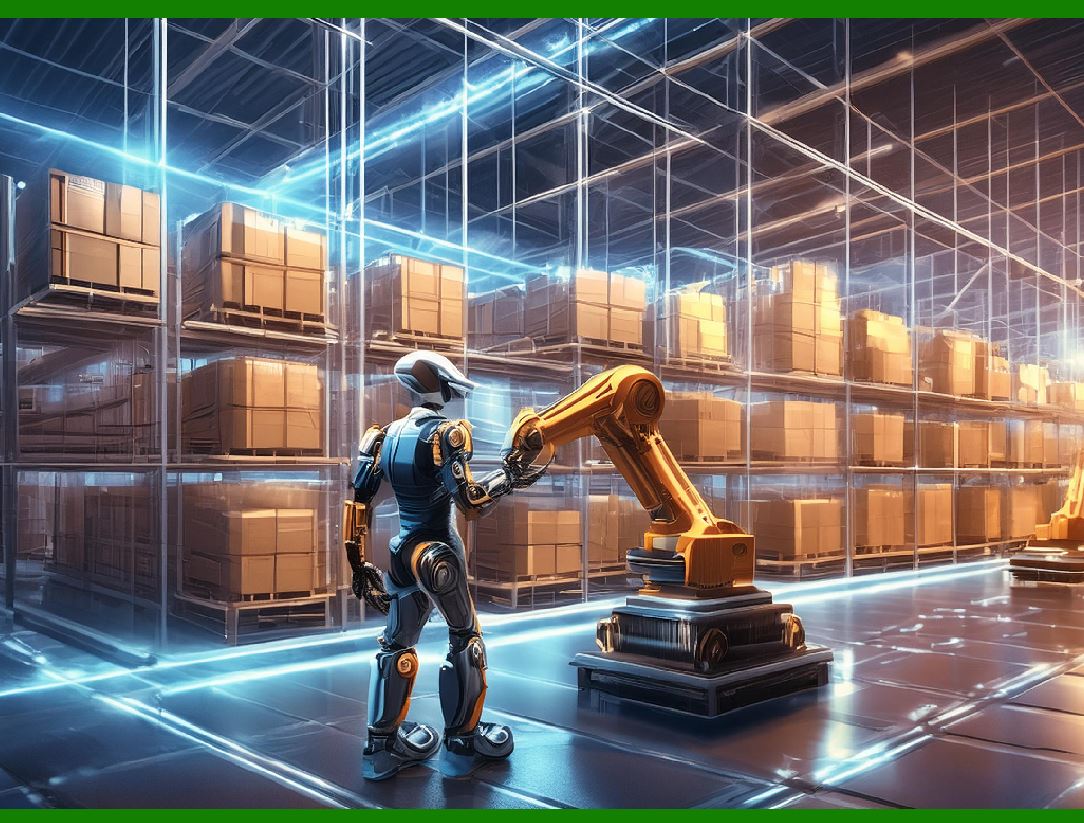
Warehouse robots are one of the key innovations driving the automation of logistics and supply chain operations. These machines, designed to automate the transportation, sorting, and management of goods, are transforming industries that rely on large-scale warehouse operations. Companies like Amazon have been at the forefront of integrating robots into their fulfillment centers, with their famous Kiva robots providing a clear example of how robotics can enhance efficiency, reduce labor costs, and improve overall operations. |
This detailed exploration will discuss the various types of warehouse robots, their applications, the technology that drives them, and the impact they have had on industries ranging from e-commerce to manufacturing. |
|
1. Introduction to Warehouse Robots |
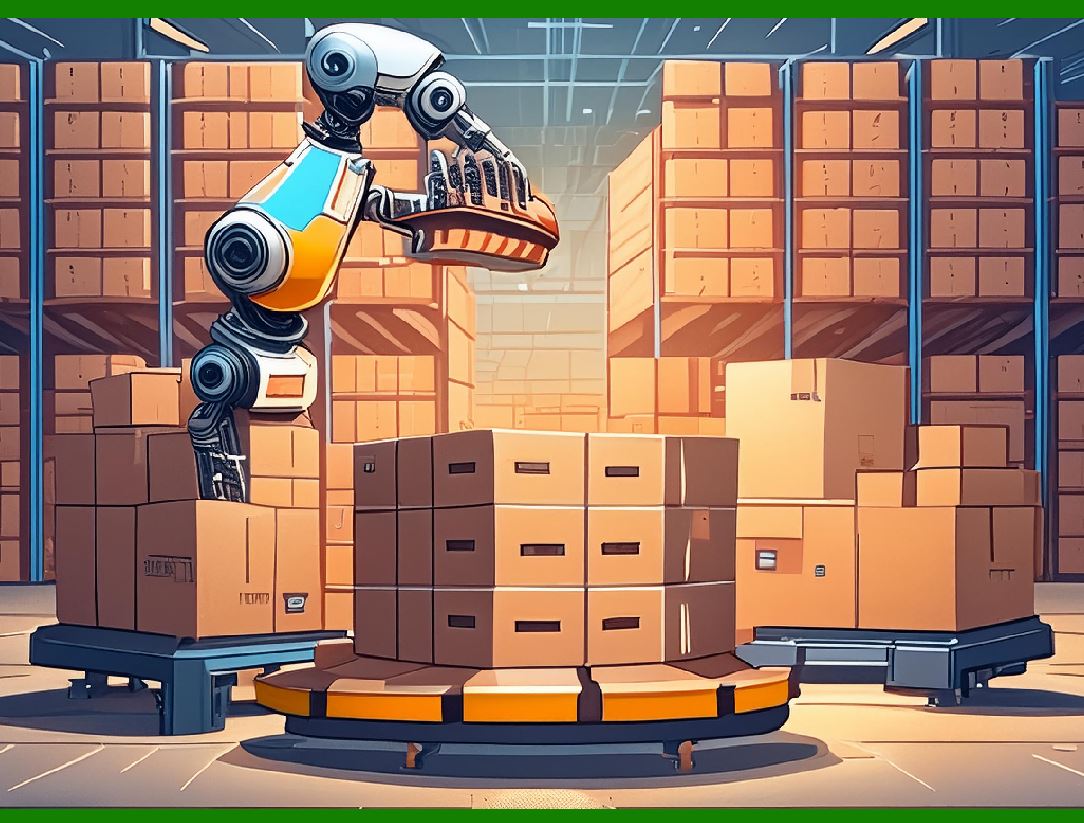
Warehouse robots are autonomous or semi-autonomous machines used to automate the material handling process in warehouses, distribution centers, and fulfillment centers. Their primary role is to move products, sort items, retrieve inventory, and sometimes package goods for shipment. The use of these robots helps improve operational efficiency, accuracy, and productivity, while also reducing human labor costs and minimizing the risks associated with manual labor in hazardous environments. |
The most well-known example of warehouse robots is Amazon's Kiva robots (now called Amazon Robotics), which operate in Amazon's massive fulfillment centers to quickly and efficiently transport goods to human workers, who then pick and package the items for shipment. However, the scope of warehouse robotics extends far beyond Amazon, with a variety of robots being used in industries like retail, food distribution, manufacturing, and logistics. |
|
2. Types of Warehouse Robots |
Warehouse robots come in different forms, each with specific capabilities suited for particular tasks. The most common types of warehouse robots include: |
Automated Guided Vehicles (AGVs) |
AGVs are mobile robots that follow pre-defined paths, often marked by physical markers or visual cues. They are primarily used for transporting goods between locations within a warehouse. AGVs can be programmed to navigate complex environments, pick up and drop off materials, and avoid obstacles. They may operate on fixed tracks or use sensors like lidar, cameras, or infrared to navigate autonomously. |
Autonomous Mobile Robots (AMRs) |
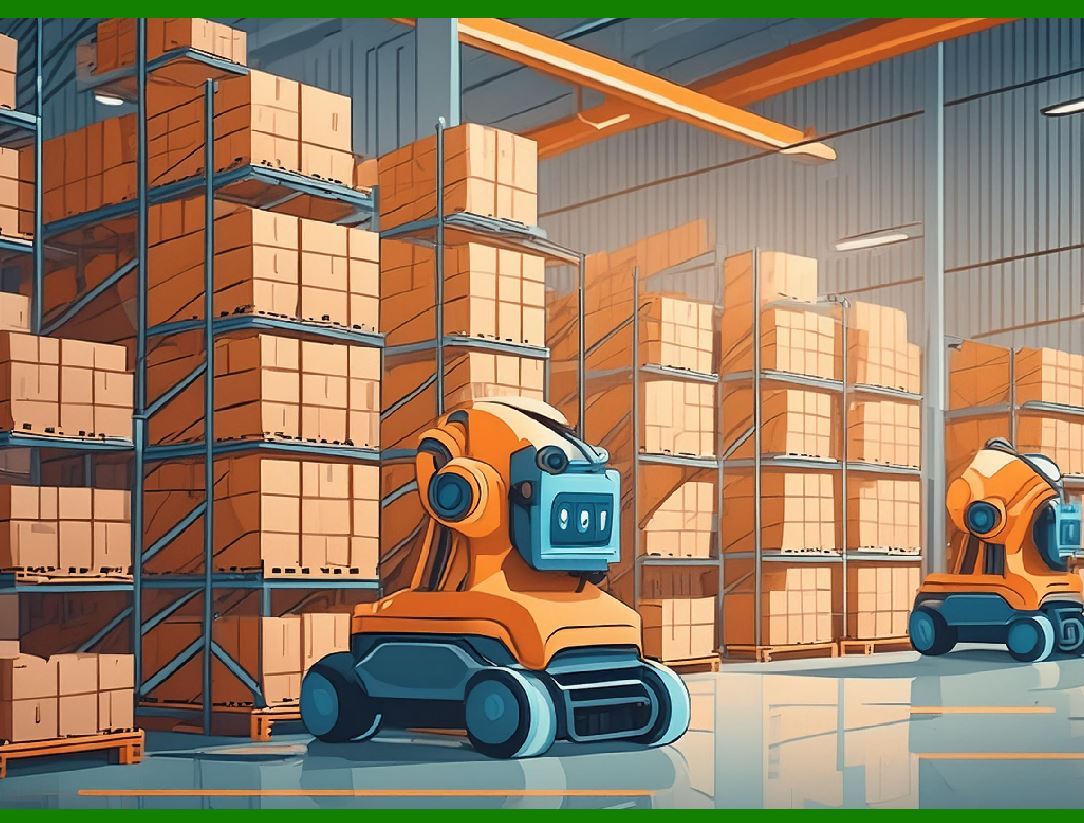
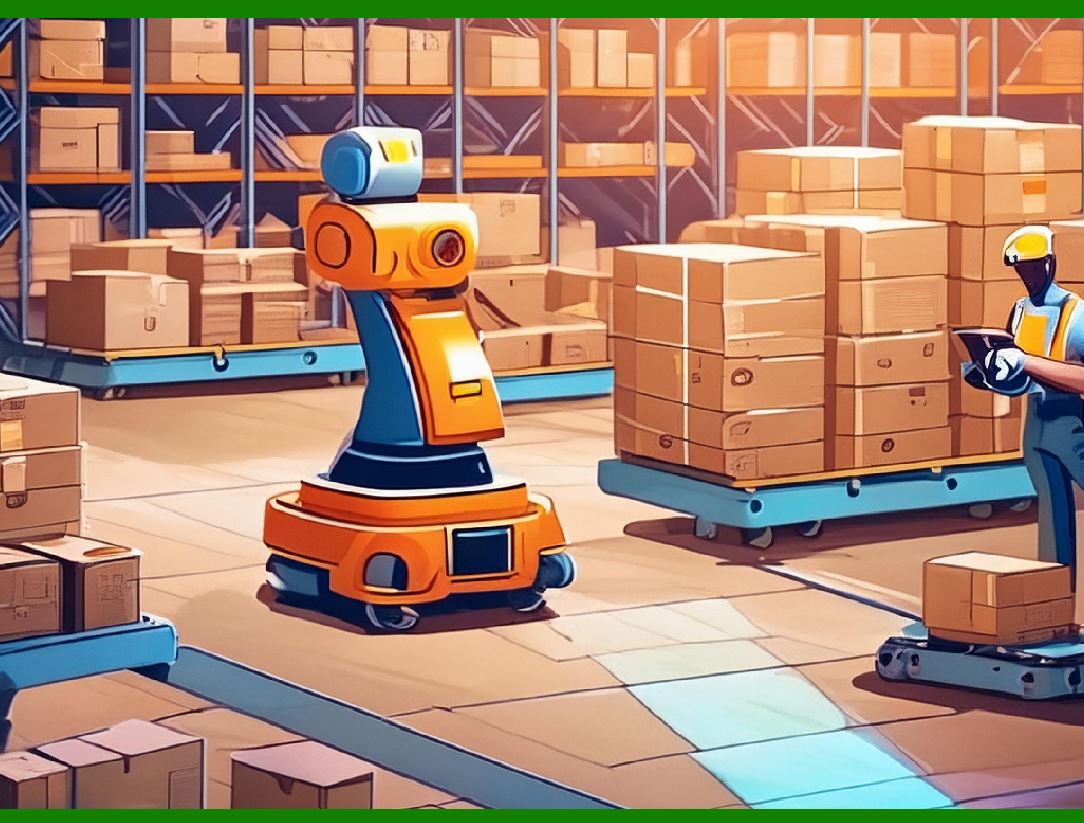
AMRs are more advanced than AGVs in that they use sophisticated navigation and mapping technology to move autonomously in a dynamic environment without the need for pre-installed infrastructure. They are capable of using real-time data from sensors, cameras, and machine learning algorithms to plan routes, avoid obstacles, and interact safely with humans and other machines in the warehouse. |
Robotic Arms |
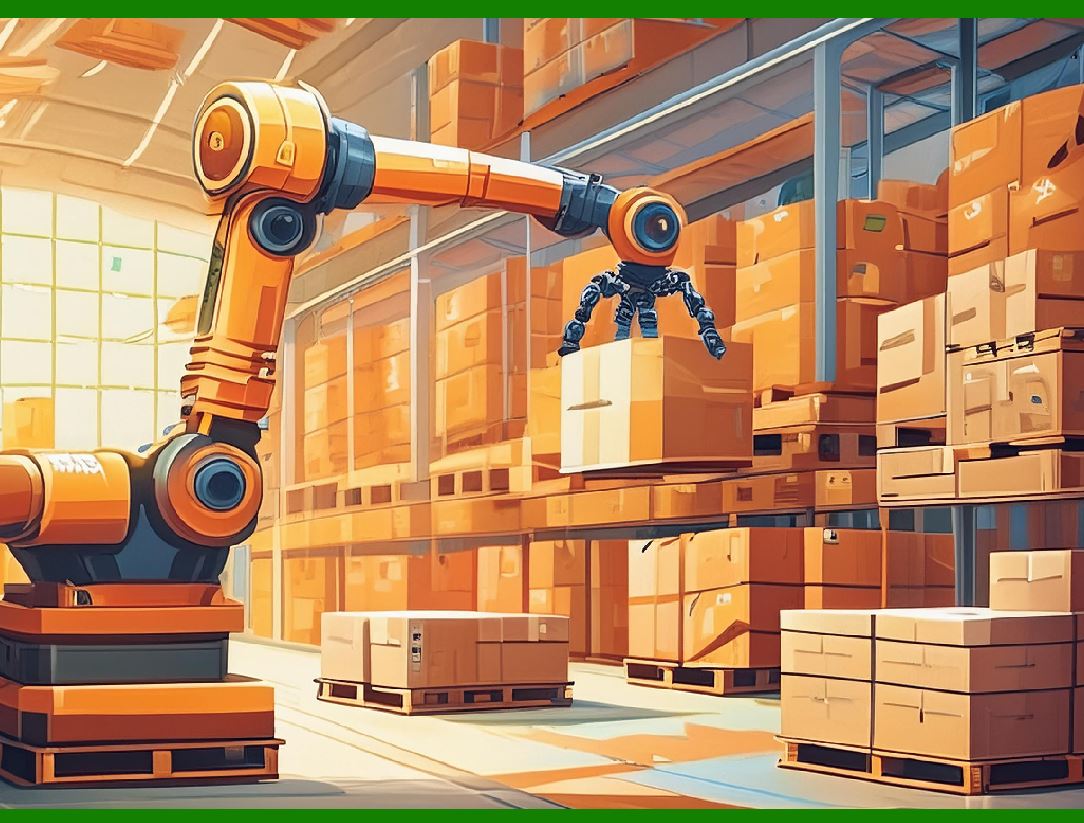
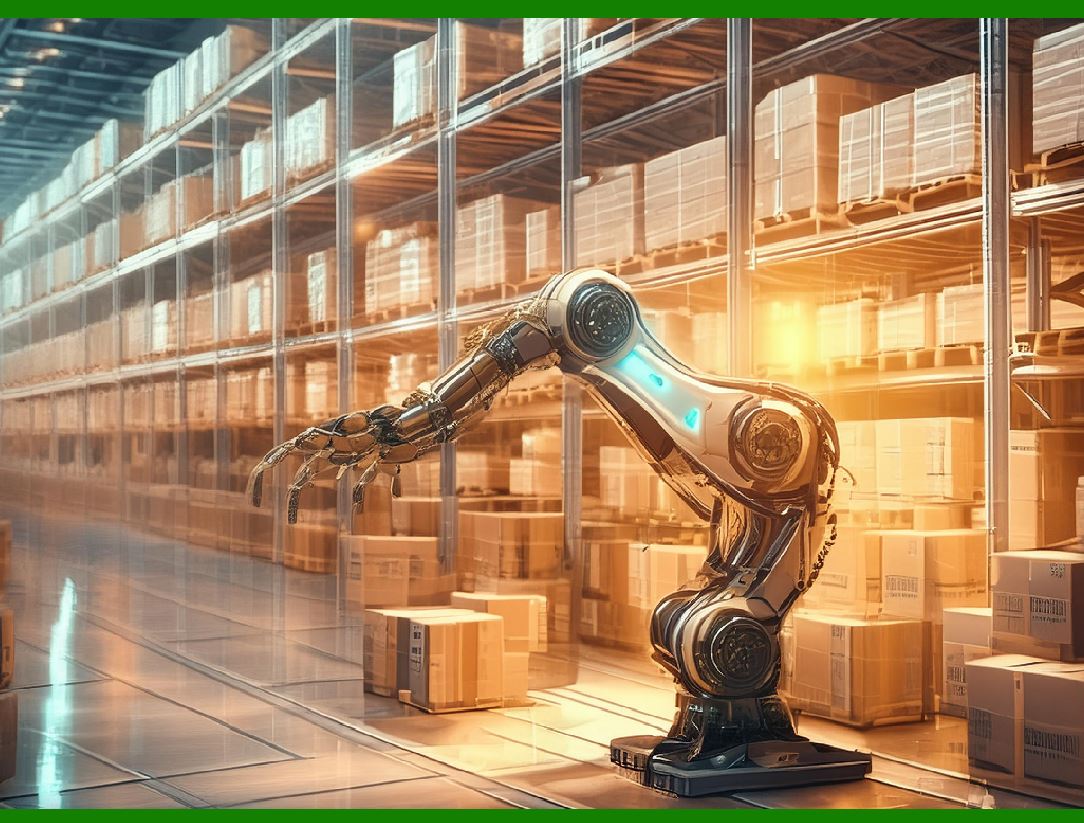
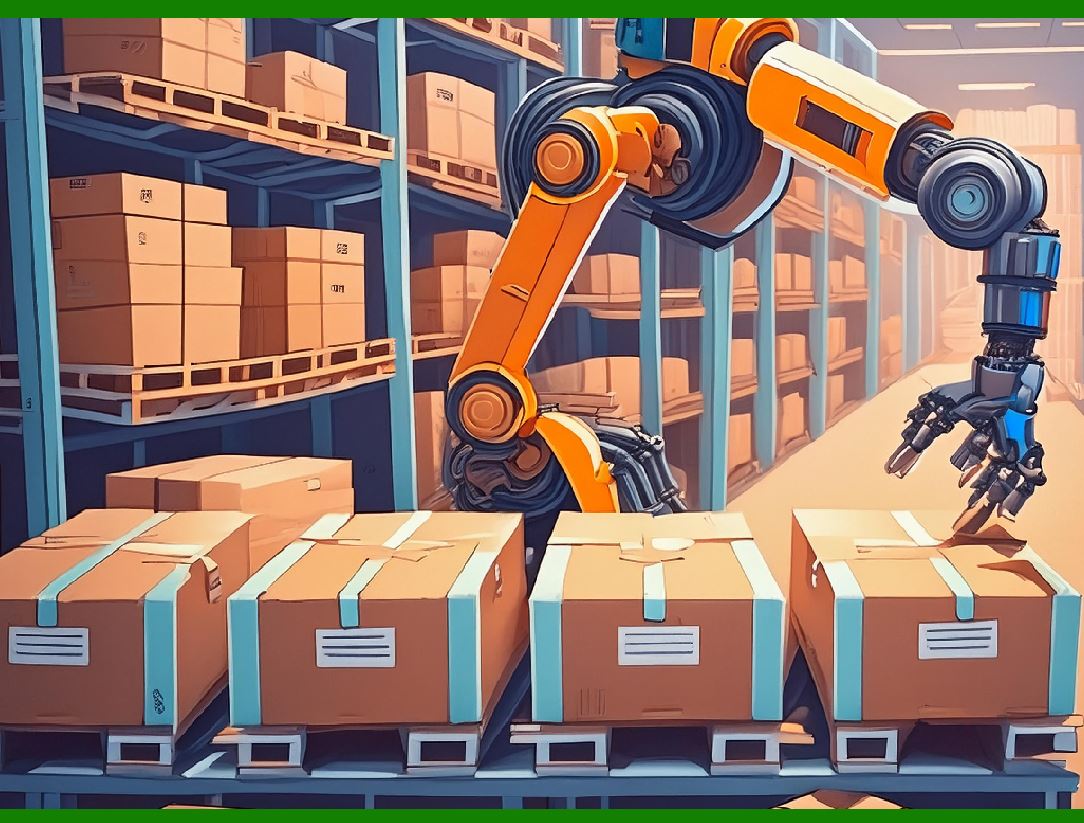
Robotic arms are used in warehouses for picking and sorting items. These robots are often integrated with vision systems, which enable them to identify and grasp items with high precision. Robotic arms are typically used in tasks such as sorting parcels, assembling kits, and loading or unloading goods from shelves or pallets. They can be used for both simple and complex tasks, and their dexterity makes them suitable for a wide range of operations. |
Collaborative Robots (Cobots) |
Cobots are designed to work alongside human workers, assisting in tasks like picking, packing, sorting, and assembling. Unlike traditional robots that operate in isolation, cobots are designed to interact with human operators in a safe and efficient manner. They are typically equipped with sensors and safety mechanisms to avoid collisions and work alongside humans without posing risks. |
Mobile Robots for Inventory Management |
These robots are equipped with sensors to conduct inventory checks autonomously. They use RFID, barcode scanning, and other technologies to track stock levels, identify misplaced items, and update inventory records in real time. Mobile robots can navigate warehouse aisles, scan shelves, and capture data, which is then processed to keep inventory records accurate. |
Conveyor Systems Integrated with Robots |
Conveyor belts integrated with robotic arms and mobile robots are used for moving goods along fixed routes within a warehouse. These systems are typically automated to move products through sorting stations, packaging stations, and other critical points in the warehouse. Conveyor systems are often combined with robotic arms to handle sorting and packing. |
|
3. Key Benefits of Warehouse Robots |
The implementation of warehouse robots comes with several advantages that significantly improve the efficiency and cost-effectiveness of warehouse operations: |
Increased Efficiency and Throughput |
Warehouse robots are designed to operate continuously, without the need for breaks or downtime (other than for maintenance). This capability enables a dramatic increase in operational throughput. Robots can work around the clock, moving goods faster than human workers can, and they can do so with a level of consistency and precision that is difficult to match. |
Reduced Human Labor and Safety Hazards |
By automating the transport and handling of goods, robots reduce the need for human labor in physically demanding and repetitive tasks. This not only minimizes labor costs but also decreases the risk of injury, especially in tasks such as lifting heavy loads, navigating crowded spaces, or handling hazardous materials. Robots can be deployed to perform high-risk tasks while leaving humans to focus on tasks that require more cognitive skills, like quality control and decision-making. |
Space Optimization |
Many warehouse robots are designed to operate in high-density environments, enabling better use of warehouse space. For instance, Amazon's Kiva robots bring shelves of products to human pickers, rather than requiring pickers to travel long distances through vast aisles. This allows warehouses to be more compact and store goods in less space while maintaining or even improving order fulfillment times. |
Accuracy and Precision |
Robots, especially those integrated with vision systems and sensors, are capable of picking, sorting, and packaging items with a high degree of accuracy. Errors such as incorrect picking, misplaced items, and misrouted products are minimized, leading to better order accuracy and customer satisfaction. Robots equipped with AI and machine learning algorithms can adapt to different scenarios, improving over time as they learn from past experiences. |
Cost Reduction |
While the initial cost of implementing a robotic system in a warehouse can be high, the long-term cost savings are significant. Robots reduce the need for manual labor, which can be expensive and prone to human error. Additionally, robots increase throughput, which can lower the per-unit cost of processing orders. Over time, the return on investment (ROI) for robotics in warehouses is often substantial. |
|
4. Technologies Behind Warehouse Robots |
Warehouse robots rely on a variety of advanced technologies that enable them to perform their tasks autonomously, efficiently, and safely. Some of the key technologies involved in warehouse robotics include: |
Artificial Intelligence (AI) and Machine Learning |
AI and machine learning algorithms are central to the operation of many warehouse robots. These technologies enable robots to make decisions based on real-time data, learn from their environments, and optimize their performance over time. For example, an AI-powered robot might learn to navigate around obstacles more efficiently or improve its picking accuracy based on feedback. |
Sensors and Vision Systems |
Sensors, including lidar, ultrasonic, infrared, and cameras, are essential for a robot's ability to perceive its environment and navigate effectively. Lidar (light detection and ranging) is commonly used to create 3D maps of a warehouse, while cameras and vision systems can help robots identify items, measure distances, and avoid obstacles. These sensors are critical for ensuring that robots can work safely in environments that include humans and other machines. |
Navigation and Mapping Algorithms |
The ability to navigate autonomously is one of the most important features of warehouse robots, especially AMRs. Navigation algorithms, including Simultaneous Localization and Mapping (SLAM), enable robots to create a map of their environment and navigate efficiently. These algorithms allow robots to calculate the most optimal route, avoid obstacles, and make real-time adjustments to their paths. |
Robotic Control Systems |
Control systems are the backbone of robotic movement, enabling the precise control of motors, actuators, and joints that move the robot. Robotic control systems are responsible for coordinating the robot's actions and ensuring that it completes tasks accurately. Advanced control systems allow robots to perform complex movements such as picking up and placing items, navigating tight spaces, or interacting with other machines. |
Wireless Communication Systems |
Warehouse robots often communicate wirelessly with other robots, human workers, and central control systems. These communication systems enable coordination between machines, data sharing, and real-time updates on inventory and task status. Wi-Fi, Bluetooth, and 5G are some of the technologies used to maintain reliable communication between robots and their environment. |
|
5. Case Study: Amazon Robotics (formerly Kiva Systems) |
One of the most successful and high-profile examples of warehouse robotics is Amazon's integration of Kiva robots (now known as Amazon Robotics) into their fulfillment centers. Kiva robots are small, mobile robots that autonomously navigate Amazon's massive warehouses, moving shelves of products to human workers who then pick and package items for shipment. |
How Kiva Robots Work |
Kiva robots operate using a combination of sensors, cameras, and advanced algorithms that allow them to navigate warehouse aisles and move products quickly and efficiently. The robots transport entire shelves (called pods) to human workers who are stationed at pick stations. The workers then retrieve items from the shelves, while the robot waits for the next task. This approach reduces the amount of walking and time spent by workers retrieving products, leading to faster order fulfillment times. |
Impact on Efficiency |
The introduction of Kiva robots has significantly increased efficiency in Amazon's fulfillment centers. These robots can move items at a speed and frequency that far exceeds human workers, cutting down on time spent walking from one end of the warehouse to the other. As a result, Amazon can store more products in a smaller space and fulfill orders more quickly. |
Scalability and Flexibility |
One of the key benefits of Amazon Robotics is its scalability. Kiva robots can be added to existing fulfillment centers as needed, allowing Amazon to quickly scale up operations to meet demand. The system is also flexible, as robots can be easily reprogrammed and redeployed for different tasks. This makes Amazon's warehouse operations more adaptable and responsive to fluctuations in order volume. |
Cost and ROI |
While the initial investment in Kiva robots was significant, the return on investment (ROI) has been substantial. The increased efficiency and reduced labor costs have enabled Amazon to handle a greater volume of orders with fewer human workers. This has contributed to Amazon's ability to offer faster delivery times, which has been a key factor in its dominance in the e-commerce space. |
|
6. Challenges and Future Directions |
While warehouse robots offer numerous benefits, they also come with their own set of challenges: |
Initial Cost and Integration |
The upfront cost of purchasing and installing robotic systems can be prohibitively expensive for some companies. Additionally, integrating robots into existing warehouse operations can require significant changes to infrastructure, workflow, and employee training. |
Maintenance and Downtime |
Robots require regular maintenance to ensure optimal performance. This can include software updates, sensor calibration, and mechanical repairs. During maintenance periods, robots may be out of operation, leading to temporary disruptions in warehouse operations. |
Ethical Considerations and Workforce Impact |
The rise of warehouse automation raises concerns about the impact on human workers. While robots can improve efficiency and reduce the need for labor in certain tasks, they also lead to job displacement in some cases. Companies must carefully consider how to retrain workers for new roles and address the ethical implications of automation. |
|
7. Conclusion |
Warehouse robots are a transformative force in logistics, automating tasks ranging from material handling to inventory management. By increasing efficiency, reducing labor costs, and improving safety, these robots are enabling companies to meet the ever-growing demands of modern supply chains. While the technology continues to evolve, the future of warehouse robots looks promising, with advancements in AI, machine learning, and robotics likely to bring even greater innovations to the industry. |
|
Practical Applications of Warehouse Robots |
Warehouse robots have found a variety of applications in industries ranging from e-commerce to manufacturing and food distribution. The deployment of these robots has revolutionized how goods are handled, transported, sorted, and packaged. Below are several practical applications of warehouse robots across different sectors: |
1. E-Commerce Fulfillment |
The most prominent and widespread application of warehouse robots is in the e-commerce industry, especially in large fulfillment centers like those run by Amazon. These robots assist in the management and distribution of millions of products in an efficient and scalable manner. |
Amazon's Kiva Robots (Amazon Robotics) |
As mentioned earlier, Amazon utilizes its fleet of Kiva robots to transport entire shelves or pods of products to human workers. This system has drastically reduced the time workers spend walking long distances in the fulfillment center, allowing them to focus on picking and packing items. The robots' ability to transport goods rapidly across the warehouse contributes to faster order fulfillment, shorter delivery times, and more efficient use of space. |
Walmart's Robotics Integration |
Walmart, one of the largest retailers in the world, also integrates robots into its fulfillment centers. These robots perform tasks like unloading deliveries, transporting goods between aisles, and sorting inventory. Walmart has started using robots that can scan shelves and track stock levels, helping maintain accurate inventory counts in real-time. |
Zara and the Fashion Industry |
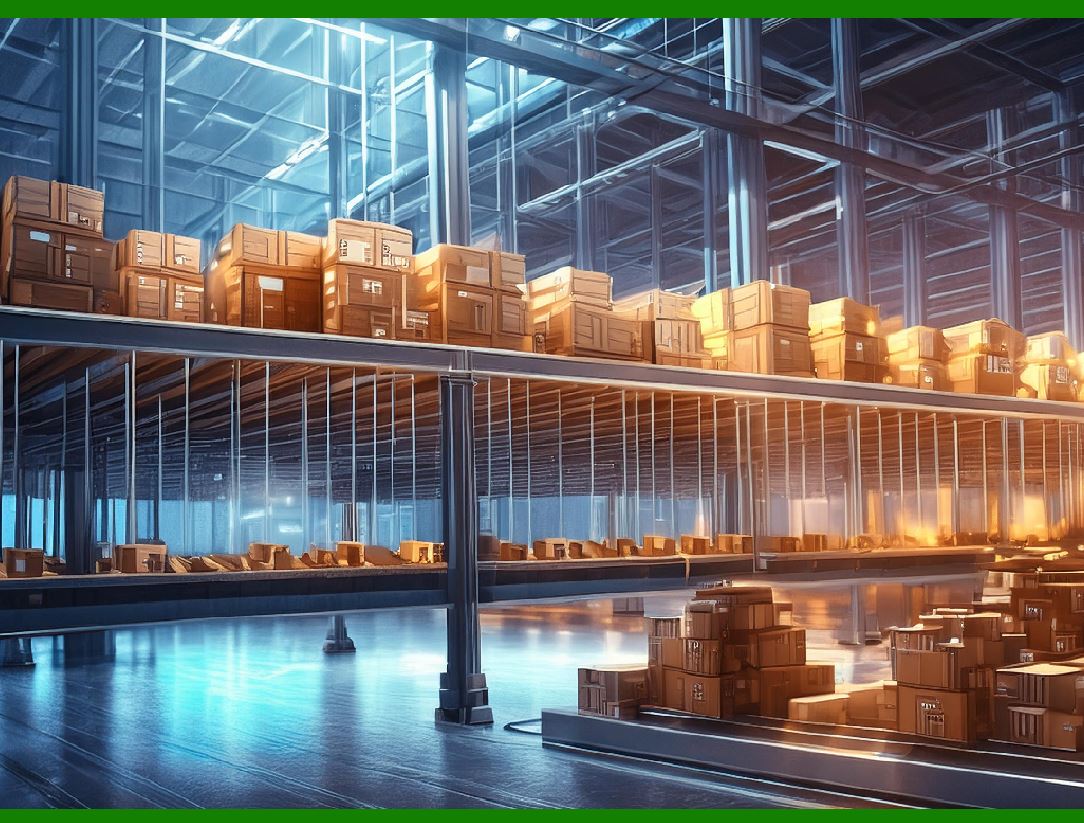
Zara, the global fashion retailer, has employed warehouse robots to automate the storage and retrieval of clothing in its distribution centers. By utilizing automated guided vehicles (AGVs) and robotic arms for sorting and packaging, Zara has increased efficiency in handling large quantities of inventory while reducing labor costs. |
|
2. Automotive Industry |
In the automotive industry, robots have long been a staple for assembly lines. However, warehouse robots have found a growing presence in the parts storage and distribution areas, where they assist in the handling of car parts and components. |
BMW's Automated Part Handling |
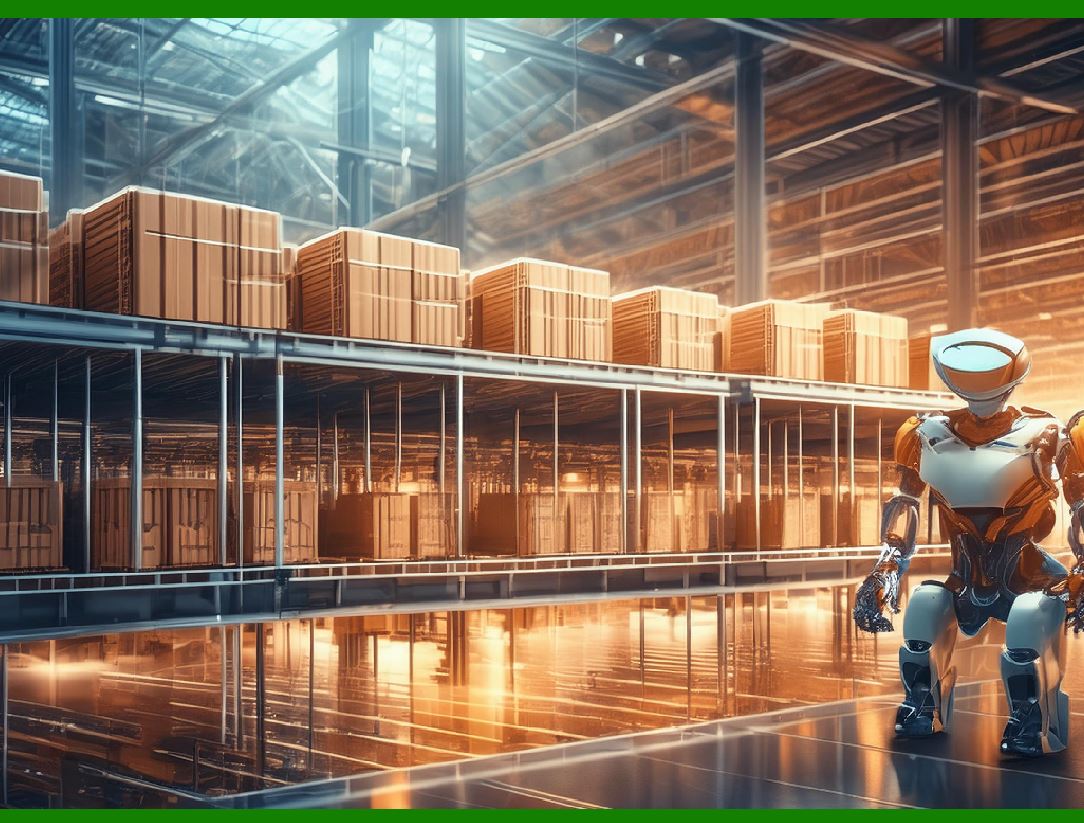
BMW has incorporated warehouse robots into its production process to manage parts distribution in its factories. The robots assist in transporting components from storage locations to assembly lines, reducing the time needed for workers to pick parts manually. The robots are equipped with sensors and AI to optimize their navigation and adapt to changes in their environment. |
Daimler AG |
Daimler uses autonomous mobile robots (AMRs) in its warehouses to handle vehicle components. These robots are responsible for transporting items between storage areas and assembly stations, thus helping to reduce human labor in transporting heavy components across large warehouse spaces. |
|
3. Food Distribution and Grocery Warehouses |
The food industry, including grocery stores and food distribution centers, is another area where warehouse robots are being used to automate processes such as inventory management, order picking, and sorting. |
Ocado's Robotic Grocery Warehouse |
Ocado, an online grocery retailer, uses one of the most advanced robotic systems in the world for its automated warehouses. The company's robots are responsible for picking, sorting, and packing groceries in a high-density storage system. These robots use AI-driven algorithms to optimize the picking process, ensuring quick, accurate fulfillment of online grocery orders. They also work in tandem with a network of conveyors and automated systems to maintain efficiency and productivity. |
Target's Robotics for Food Fulfillment |
Target has implemented robots in its warehouses to automate the picking and packaging of food products. Using AMRs and robotic arms, Target's systems can quickly retrieve products from storage shelves and move them to packing stations. This automation helps meet the growing demand for faster delivery times in the grocery sector, improving service levels and reducing human labor requirements. |
Albertsons and Safeway |
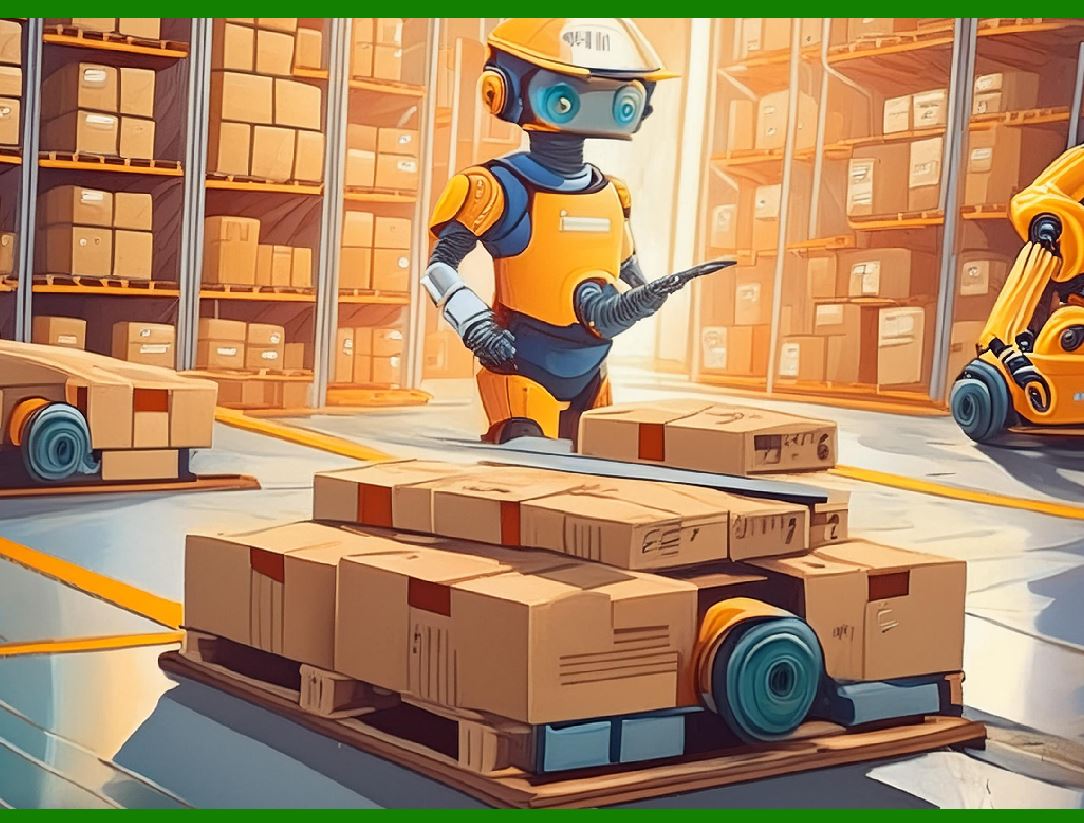
In some Albertsons and Safeway grocery warehouses, robots are used to move goods from the receiving area to storage or directly to picking stations. Robots with advanced vision systems identify and transport specific items based on order details, making them ideal for high-throughput operations where the volume of orders is vast and complex. |
|
4. Pharmaceutical and Healthcare Warehouses |
The pharmaceutical industry, where precision and efficiency are paramount, has also seen the introduction of robots in warehouse settings to handle everything from inventory management to order fulfillment. |
McKesson Corporation |
McKesson, a leading distributor of pharmaceuticals and medical supplies, uses robots in its distribution centers to manage stock levels and prepare orders. These robots are responsible for transporting medical products from one part of the warehouse to another, improving speed, reducing errors, and ensuring that healthcare providers receive the correct products on time. |
Omnicell's Automated Pharmacy Systems |
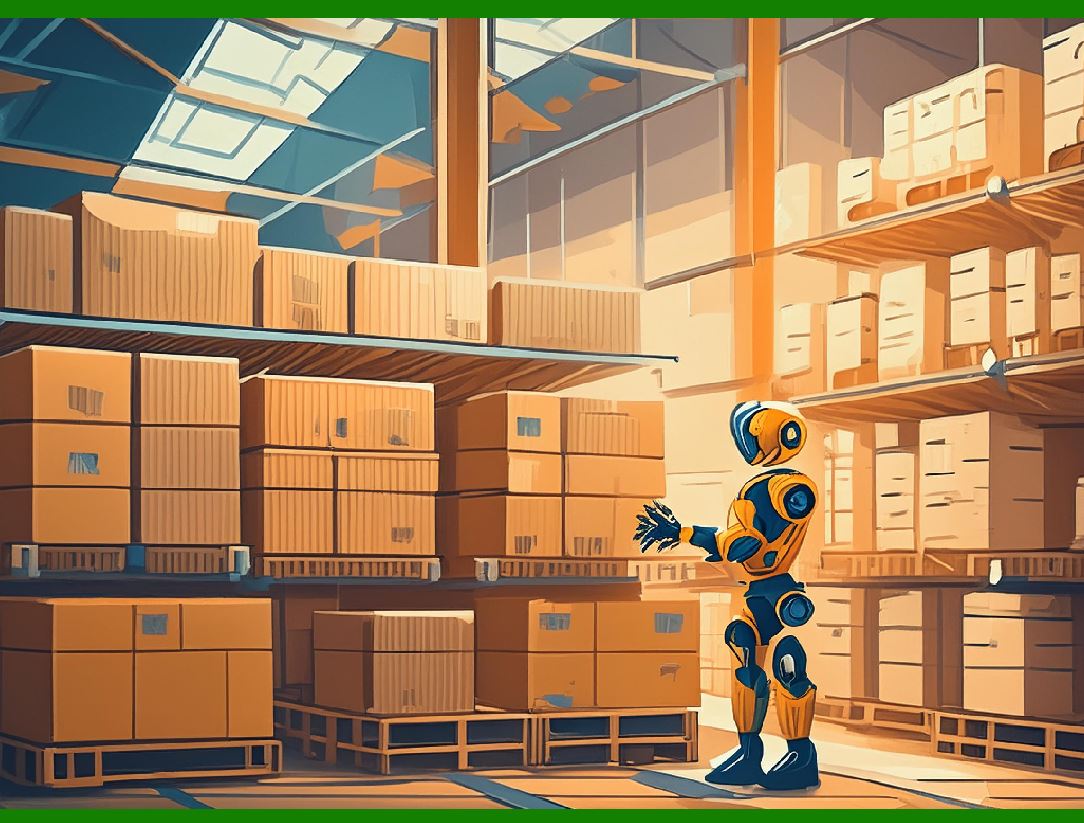
Omnicell's robotic systems are designed for use in hospital pharmacies, where they are used to manage the storage, retrieval, and distribution of pharmaceuticals. These robots reduce human error, streamline workflows, and help ensure that patients receive the right medications in a timely manner. |
|
5. 3PL (Third-Party Logistics) and Retail Distribution Centers |
Third-party logistics providers (3PLs) and retail distribution centers also benefit from warehouse robots to streamline their operations, improving order fulfillment, delivery speeds, and inventory accuracy. |
XPO Logistics |
XPO Logistics, a global 3PL provider, uses robots in its distribution centers to automate inventory management and order picking. These robots work alongside human workers to ensure efficient material handling and order processing, helping XPO meet the demands of e-commerce clients who require fast, accurate delivery services. |
Locus Robotics |
Locus Robotics is known for its autonomous robots that assist warehouse workers in picking and transporting goods. Retailers such as DHL and Geodis use these robots to improve efficiency in their distribution centers. Locus robots collaborate with human operators, using a sophisticated navigation system to find and retrieve items, thereby reducing the need for workers to walk long distances. |
|
6. Manufacturing and Heavy Industry |
In the manufacturing sector, warehouse robots are being used to transport raw materials, parts, and finished goods between different stages of the production process. This reduces the risk of human error and delays and ensures that materials are always available where they are needed. |
Siemens' Industrial Warehouse Automation |
Siemens has integrated warehouse robots into its manufacturing and production lines to handle the logistics of raw materials and finished products. Using automated guided vehicles (AGVs), Siemens ensures that parts are delivered to production stations as needed, minimizing downtime and maximizing production efficiency. |
Honeywell Intelligrated |
Honeywell Intelligrated offers a variety of robotic systems used in manufacturing and warehouse settings. One of the systems involves robots that move materials between different stations within a factory, which can be particularly useful for complex manufacturing setups that require a just-in-time delivery system for parts and materials. |
|
7. Parcel Sorting and Logistics |
Robots are increasingly being used in logistics and parcel sorting operations, where their speed and accuracy are crucial for handling large volumes of packages, especially for express shipping services. |
FedEx and UPS Automated Sorting Systems |
FedEx and UPS have implemented robotic systems at their sorting facilities to speed up the sorting and distribution of parcels. These robots can identify, scan, and sort packages based on their size, destination, and other factors, improving the efficiency of package handling and ensuring faster delivery times. In FedEx's case, robots assist in sorting parcels from different warehouses and ensuring that each package is routed to the correct location. |
Deutsche Post DHL |
DHL, one of the world's largest logistics companies, employs robots in its sorting facilities to automate package handling and sorting. DHL's automated system uses AI-driven robots to pick up packages and move them through sorting conveyors, drastically reducing human labor while maintaining high throughput. |
|
8. Construction and Building Materials |
In the construction industry, warehouse robots assist in the management of building materials, tools, and other essential supplies. These robots handle materials in large warehouse environments and deliver them to construction sites or production lines. |
Rivada's Automated Construction Warehouses |
Rivada, a construction supply company, has begun implementing robots in its warehouses to automate the handling and transportation of building materials. These robots deliver materials to different areas of the warehouse, enabling faster processing of orders and improving supply chain efficiency in construction projects. |
Bechtel's Robotics Integration for Construction Projects |
Bechtel, a global engineering company, has been integrating robots into its construction supply chain. By automating the transportation of materials between warehouses and production sites, Bechtel ensures that construction sites receive the right materials at the right time, reducing delays and minimizing manual labor. |
|
Conclusion |
Warehouse robots have proven to be a valuable asset in a wide range of industries. From e-commerce fulfillment to healthcare logistics, these robots streamline operations, improve efficiency, and reduce labor costs. As technology advances, robots are becoming more intelligent, flexible, and capable of handling increasingly complex tasks. Their ability to integrate with other systems, like AI, machine learning, and sensors, is opening new possibilities for warehouse automation across virtually every sector. |
 cs@easiersoft.com