|
||||||
How to Buy UPC Barcode / How to Buy EAN Barcode |
||||||
|
UPC code (Universal Product Code) is one of the large-scale application of the bar code, the Uniform Code Council to develop a bar code for goods, mainly for the United States and Canada, after the passage of international trade. |
||||||
|
You can then use this GS1 company prefix to program your own UPC numbers and use any barcode generator software to create UPC barcodes by these UPC numbers. Each commodity should correspond to a UPC number. |
||||||
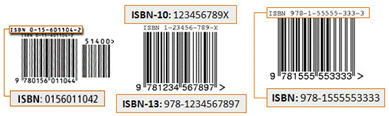
1. How to Buy UPC Code - Adding UPCs, EANs, and ISBNs for Your Products |
||||||
|
To purchase a UPC (Universal Product Code) barcode, you typically need to go through GS1, the organization responsible for managing UPC barcodes globally. Here's how you can do it: Visit the GS1 website: Go to the GS1 website for your country or region. GS1 operates globally but has regional offices or representatives in many countries. Register for a GS1 Company Prefix: You'll need to register your company with GS1 and obtain a unique GS1 Company Prefix. This prefix forms the beginning part of your UPC barcodes and identifies your company. Choose the number of UPCs you need: Once you have your company prefix, you can then purchase UPCs in batches. The number of UPCs you need will depend on the number of products you have and how many variations of each product you have (different sizes, colors, etc.). Pay the necessary fees: GS1 charges a fee for registering your company and purchasing UPCs. The fees can vary depending on your country and the number of UPCs you need. Receive your UPCs: After you've paid the fees, GS1 will provide you with your UPC numbers along with the digital barcode images. These barcodes can then be incorporated into your product packaging. It's essential to get your UPCs directly from GS1 to ensure that your barcodes are unique and globally recognized. Avoid purchasing UPCs from third-party resellers, as these may not be legitimate and could cause issues with your products in the future. Once you have your UPCs, you can start using them on your products and selling them through various retailers both online and offline. |
||||||
|
Most categories require sellers to use a product identifier to
create new product pages and offer listings on the Amazon.com
website. The most common identifier used by sellers is a UPC. Please visit this website for detail information: |
||||||
|
|
||||||
|
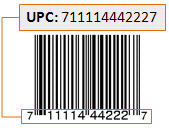
A UPC code is a 12-digit number with the bar code comprised of 7-bit codes that represent each digit in the sequence. There are exactly 30 bars in the UPC code sequence, including the start and end bars. The UPC code is read by a digital scanner that allows it to interpret each of these bars and match it up with a database for speedy check out. |
||||||
2. How to Buy EAN Barcode |
||||||
|
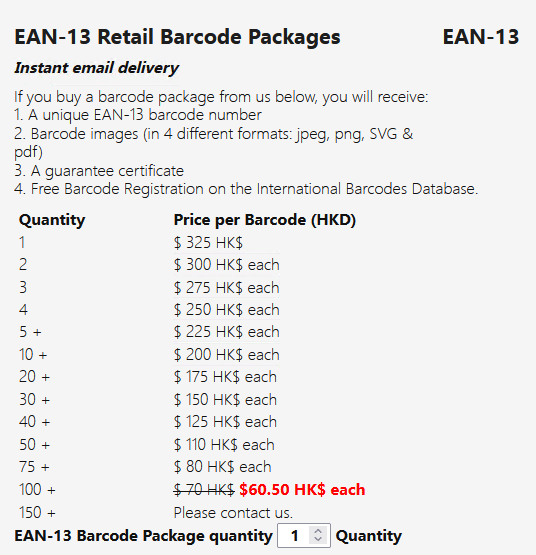
There are EAN barcode agencies in many countries, and it is recommended to purchase them in your country's agency. Below is a screenshot of agency prices for EAN barcodes from Hong Kong: https://barcodes.hk/ Exchange rate: 1 USD$ = 7.8 HK$ |
||||||
|
|
||||||
3. What is the difference between EAN and UPC? |
||||||
|
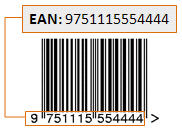
EAN (European Article Number) and UPC (Universal Product Code) are both barcode formats used for product identification. Here are the key differences: 1. Format: UPC: The UPC format is 12 digits long. EAN: The EAN format is 13 digits long. 2. Regional Usage: UPC: Used primarily in the US and Canada. EAN: Used globally, except in the US and Canada. 3. Country Code: UPC: Does not include a country code. EAN: Includes a country code to distinguish between different countries. 4. Visual Appearance: The barcodes themselves are identical in terms of the width of bars and spaces. The only significant difference is the placement of the human-readable numbers below the barcode. These numbers serve as a backup in case the barcode doesn’t scan properly. In summary, if you’re doing business exclusively in the US and Canada, use UPC barcodes. If needed, you can convert a 12-digit UPC to a 13-digit EAN by adding the country code at the beginning. Note: The EAN13 and UPC symbols are essentially the same, with the same number of bars and spaces. |
||||||
|
|
||||||
4. If you already have a UPC barcode, do you still need to purchase an EAN barcode? |
||||||
|
No, if you already have a UPC (Universal Product Code) barcode, you generally do not need to purchase an EAN (International Article Number) barcode separately. You can convert UPC barcodes to EAN barcodes. |
||||||
|
|
||||||
5. How to convert UPC barcode to EAN barcode? |
||||||
|
Converting a UPC (Universal Product Code) barcode to an EAN (International Article Number) barcode involves a straightforward process, as both barcode formats are structurally similar. The primary difference between UPC and EAN barcodes lies in the number of digits used and the country code included. Here's a general guide to converting a UPC barcode to an EAN barcode: Add a Leading Zero: UPC barcodes typically consist of 12 digits, while EAN barcodes have 13 digits. To convert a UPC to an EAN, you'll first need to add a leading zero to the UPC. This zero serves as the country code. Modify Check Digit: Calculate the EAN check digit. This involves recalculating the check digit based on the modified 13-digit UPC (with the added leading zero). The check digit is the last digit of the barcode and is used to ensure the accuracy of the barcode. Combine Digits: Once you have the leading zero and the correct check digit, combine them with the original 12 digits of the UPC to form the complete 13-digit EAN barcode. Here's a step-by-step example: Let's say you have a UPC barcode: 012345678901 Add a leading zero: 0012345678901 Recalculate the check digit for the 13-digit EAN: 0012345678901 (calculate the check digit based on this 13-digit number).
Once you have the correct check digit (let's say it's '5'),
append it to the end of the 13-digit number: 00123456789015 Our website can auto recalculate the check digit: https://free-barcode.com/EanCheckCode/index.asp You can use various online barcode generators or barcode software to automate this conversion process, as they often have built-in functions to convert between different barcode formats. Additionally, there are many online resources and tutorials available to help you understand and perform this conversion manually if needed. |
||||||
6. EAN country code list |
||||||
|
The EAN (European Article Number) country codes are part of the EAN-13 barcode system, which is used worldwide for marking products. Each EAN-13 barcode consists of 13 digits, the first three of which represent the country code. Here is a list of some EAN country codes for various countries: United States & Canada: 00 - 13 United Kingdom & Ireland: 50 - 59 France: 30 - 37 Germany: 40 - 44 Japan: 45 Russia: 46 China: 69 Australia: 93 New Zealand: 94 South Africa: 60 - 64 India: 89 Brazil: 789 Mexico: 750 - 754 Please note that this is not an exhaustive list, as EAN country codes are assigned to various countries and regions globally. Additionally, some countries may have multiple ranges of EAN codes due to factors such as population size and economic activity. Please search google for your country list. |
||||||
7. UPC code structure |
||||||
|
UPC (Universal Product Code) is a barcode used for product identification, usually used in retail and inventory management. The UPC code structure is as follows: UPC-A: UPC-A is the most common UPC code format and consists of 12 digits. They are divided into the following parts: The first 6 digits: Manufacturer Identification Number. This section uniquely identifies the manufacturer of the item. The last 5 digits: Product Code. This section uniquely identifies a specific product. The last digit: Check Digit. The check digit is used to verify the accuracy of the entire UPC code. UPC-E: UPC-E is a compact UPC code used to represent smaller product packaging. It also consists of 12 digits, but can be shortened to 6 or 8 digits with some rules. The structure of the UPC-E code is usually the same as the prefix and suffix of the UPC-A code, but the middle digits may be compressed. UPC-EAN extension code: The UPC-A and UPC-E codes may be followed by an EAN-2 or EAN-5 extension code. These codes are used to provide additional information, such as price or variations. |
||||||
|
|
||||||
|
8. EAN code structure |
||||||
|
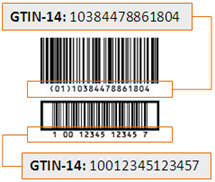
EAN (European Article Number) is a globally accepted commodity barcode system commonly used for retail and inventory management. The EAN code structure is as follows: EAN-13: EAN-13 is the most common EAN code format, including 13 digits. They are divided into the following parts: The first 3 digits: Country Code. This section identifies the country or region where the product is produced. The next 9 digits: Manufacturer Identification Number. This section uniquely identifies the manufacturer of the item. The last digit: Check Digit. The check digit is used to verify the accuracy of the entire EAN code. EAN-8: EAN-8 is a compact EAN code used to represent smaller product packaging. It consists of 8 digits consisting of country code and manufacturer code, as well as a check digit. EAN-14: EAN-14, also known as ITF-14 (Interleaved Two of Five), is an EAN code used for outer box identification. It consists of 14 digits consisting of country code, manufacturer code and product code, as well as a check digit. In general, the structure of the EAN code is similar to the UPC code, but there are some differences. For example, the EAN code contains the country code, while the UPC code does not. The EAN code is designed for product identification and management on a global scale. |
||||||
|
Technical Support: cs@easiersoft.com |
||||||
|
Buy UPC/EAN barcodes for your products from BarcodesTalk - The largest reseller of unique barcodes worldwide. BarcodesTalk provides UPC and EAN barcodes that businesses can purchase directly, offering a straightforward alternative to registering with GS1. Advantages Affordable pricing: Generally less expensive than obtaining codes through GS1 (1 barcode: $5 - One-time purchase, no annual fee.). Immediate availability: Codes and images are delivered quickly, making them useful for fast product launches.
Ease of use: Simple
process without complex registration requirements.
Not GS1-issued: Some
retailers and marketplaces may require GS1-registered barcodes. Small businesses and startups needing quick barcode access. Online sellers on platforms that accept third-party barcodes. Internal tracking or inventory systems where GS1 registration is not necessary. |
||||||
|
CONTACT |
||||||
|
|
||||||
|
If you have any question, please feel free to email us, we will reply as soon as possible. |
||||||
|
|
||||||
|
D-U-N-S Number: 554420014 |
||||||
|
|
||||||
| << Back to Home << | ||||||
 autobaup@aol.com cs@easiersoft.com